
Business
Why Regular HVAC Tune-Ups Are Essential for Reliable Home Comfort

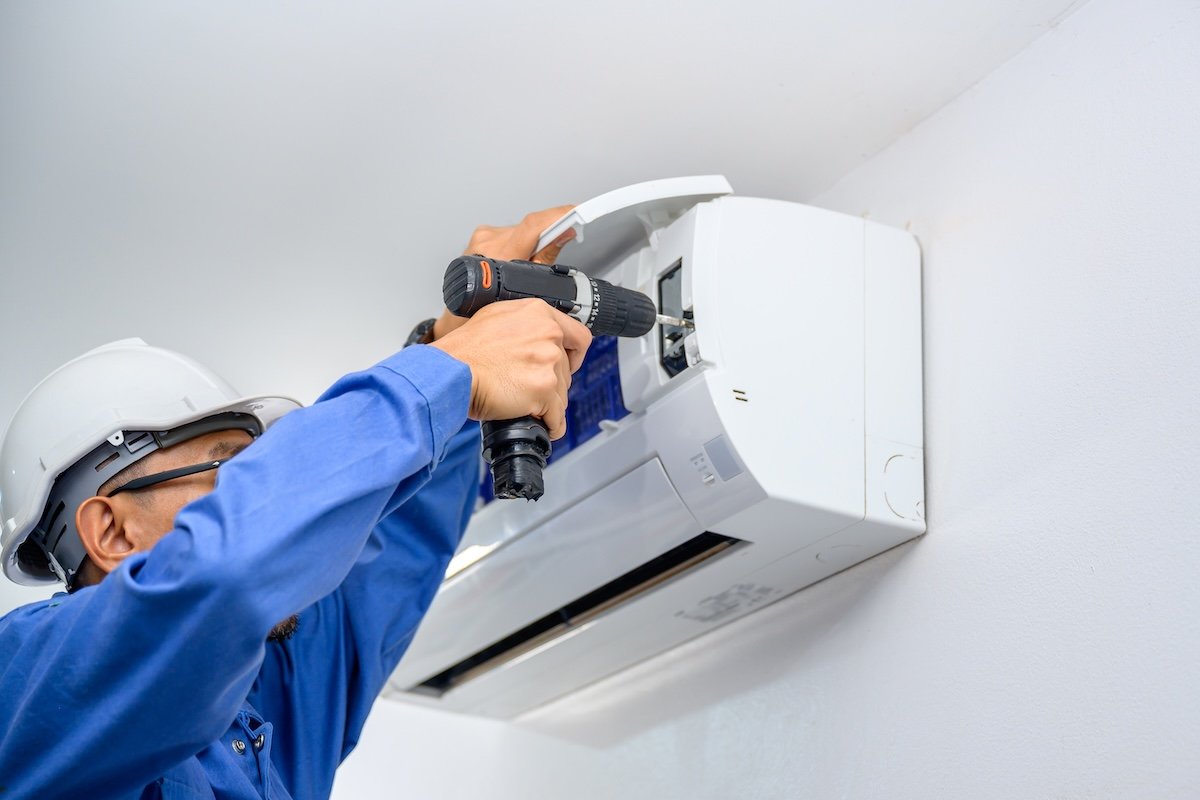
Introduction
A dependable heating and cooling system is essential for maintaining comfortable indoor temperatures, supporting proper airflow, and managing energy consumption throughout the year. Residential HVAC equipment works through different seasons, handling changing temperatures and varying household demands. However, continuous operation can gradually affect system performance as dust accumulates, filters become clogged, electrical connections experience wear, and mechanical components require attention. Without regular inspections, minor problems can develop into expensive repairs or unexpected equipment breakdowns. A professional HVAC tune up helps homeowners maintain their heating and cooling equipment by identifying potential concerns, inspecting important components, and ensuring that the system operates according to its intended requirements. Routine servicing also provides an opportunity to evaluate airflow, thermostat performance, electrical connections, and overall equipment condition. Understanding the value of preventative HVAC care allows homeowners to protect their equipment investment while maintaining dependable indoor comfort. A properly maintained system can provide more consistent heating and cooling while reducing unnecessary operating strain.
Understanding the Purpose of an HVAC Tune-Up
An HVAC system contains several interconnected components that must function together to maintain suitable indoor conditions. Air conditioners, furnaces, heat pumps, thermostats, filters, electrical controls, and ventilation equipment all contribute to the overall performance of residential heating and cooling systems. Over time, normal operation can cause dust accumulation, mechanical wear, restricted airflow, and minor performance changes that may not immediately become noticeable. A professional HVAC tune up involves examining these components to identify conditions that could affect system reliability or efficiency. Unlike emergency repairs, which focus on correcting an existing failure, preventative servicing is intended to evaluate equipment before serious problems develop. Technicians inspect relevant components, check operating conditions, and recommend adjustments or repairs when necessary. This approach helps homeowners understand their system’s current condition and determine whether additional attention is required. Regular inspections also provide an opportunity to discuss maintenance requirements and prepare equipment for periods of heavier seasonal use.
Improving Heating and Cooling Efficiency
Energy efficiency is one of the main reasons homeowners schedule routine HVAC inspections. Heating and cooling equipment may consume additional energy when filters become clogged, coils accumulate dirt, airflow becomes restricted, or mechanical components fail to operate correctly. These conditions can force the system to work harder while attempting to maintain the desired indoor temperature. A professional HVAC tune up helps identify problems that may interfere with efficient operation and allows technicians to recommend appropriate corrective measures. Inspections may include checking filters, evaluating airflow, examining electrical connections, and assessing equipment performance. Homeowners can also support efficiency by keeping vents unobstructed, maintaining suitable thermostat settings, and addressing insulation problems. Although maintenance cannot guarantee a specific reduction in energy bills, properly maintained equipment is less likely to experience avoidable operating difficulties. Combining professional servicing with responsible household habits supports dependable performance and helps prevent unnecessary energy waste.
Checking and Replacing Air Filters
Air filters play an important role in HVAC operation because they capture airborne particles before air moves through important system components. During regular use, filters collect dust, pet hair, pollen, and other debris that can gradually restrict airflow. When filters become excessively dirty, heating and cooling equipment may experience additional strain while circulating conditioned air. Checking filter condition is therefore an important part of a professional HVAC tune up. Technicians can help homeowners understand which filter types are compatible with their equipment and how frequently replacement or cleaning is recommended. The appropriate schedule depends on filter design, household occupancy, pets, indoor conditions, and equipment usage. Homeowners should avoid assuming that every filter requires replacement at the same interval. Keeping filters clean helps maintain proper airflow, supports consistent temperatures, and reduces unnecessary dust accumulation within the system. It is also a simple maintenance task that homeowners can include in their regular property care routine.
Inspecting Air Conditioning Components
Air conditioning systems depend on several mechanical and electrical components to remove heat from indoor spaces and maintain comfortable temperatures. Important parts include the compressor, evaporator coil, condenser coil, fan motors, refrigerant lines, and electrical controls. Dirt accumulation, damaged connections, restricted airflow, and refrigerant-related problems can interfere with normal cooling operation. During an HVAC tune up, technicians inspect relevant air conditioning components and evaluate whether the system is operating under suitable conditions. Depending on equipment type and condition, servicing may involve checking coils, inspecting condensate drainage, reviewing electrical connections, and evaluating cooling performance. Outdoor condenser units should also have sufficient clearance to allow proper airflow. Homeowners can help maintain equipment condition by removing loose debris around outdoor units without disturbing electrical or mechanical components. Regular inspections help identify developing problems and prepare cooling equipment for periods when it must operate more frequently.
Maintaining Furnace Performance
Furnaces require regular attention to maintain dependable heating and support safe equipment operation. Important furnace components include burners, heat exchangers, ignition systems, blower motors, electrical connections, and safety controls. Dust accumulation, worn parts, restricted airflow, and ignition problems can interfere with normal heating performance. A professional HVAC tune up provides an opportunity to inspect these components and identify conditions that may require corrective action. Technicians may evaluate burner operation, inspect accessible heat exchanger surfaces, check ignition performance, and review safety controls according to the equipment manufacturer’s recommendations. Homeowners should never ignore unusual furnace noises, repeated shutdowns, or unexpected changes in heating performance. Suspected gas leaks or carbon monoxide alarms require immediate attention, and occupants should leave the property and contact emergency services when necessary. Proper furnace servicing helps maintain reliable heating while ensuring that important safety considerations receive appropriate attention.
Evaluating Thermostat Operation
The thermostat controls HVAC operation by monitoring indoor temperatures and communicating heating or cooling requirements to the equipment. Incorrect temperature readings, unsuitable settings, and compatibility problems can affect how frequently a system operates. Thermostat placement also matters because devices positioned near direct sunlight, cooking appliances, or heat-producing electronics may detect temperatures that do not accurately represent the rest of the home. During an HVAC tune up, technicians can evaluate thermostat operation, inspect compatible wiring, and verify that the device communicates correctly with the heating and cooling equipment. Homeowners may also benefit from programmable or smart thermostats that provide greater control over daily temperature schedules. Understanding available features can help reduce unnecessary system operation when the property is unoccupied. Proper thermostat settings support comfortable indoor conditions and help heating and cooling equipment operate according to actual household requirements.
Checking Electrical Connections
Electrical components provide the power and control signals required for HVAC equipment to function correctly. Air conditioners, furnaces, and heat pumps rely on electrical connections, circuit protection, motors, control boards, and other components throughout their operating cycles. Loose connections, worn wiring, damaged electrical parts, or incorrect voltage can interfere with normal performance and create potential safety concerns. A professional HVAC tune up includes appropriate electrical inspections to identify conditions that could affect equipment operation. Qualified technicians use suitable testing equipment and follow safety procedures when evaluating electrical components. Depending on the system, they may inspect connections, review control operation, and identify parts that require repair or replacement. Homeowners should never attempt complicated HVAC electrical work without the necessary training and qualifications. Regular professional attention helps protect important equipment components and reduces the likelihood of avoidable electrical problems interrupting heating and cooling services.
Inspecting Refrigerant Lines and Cooling Performance
Refrigerant is essential to the air conditioning process because it transfers heat between indoor and outdoor equipment components. The refrigerant circuit includes the compressor, evaporator coil, condenser coil, and connecting lines that allow the cooling process to continue. Damaged tubing, loose connections, contamination, or refrigerant leaks can reduce cooling performance and affect equipment operation. During an HVAC tune up, technicians can evaluate cooling performance and inspect accessible refrigerant-related components for signs of problems. When necessary, qualified professionals may perform appropriate pressure checks, leak inspections, and other manufacturer-recommended procedures. Homeowners should understand that refrigerant should not normally need repeated topping up in a properly functioning sealed system. If levels are low, the underlying cause should be investigated and corrected. Professional refrigerant handling helps protect equipment while ensuring that cooling components operate according to their intended specifications.
Improving Indoor Airflow
Proper airflow is essential for distributing conditioned air throughout a property and maintaining consistent temperatures in different rooms. Restricted filters, blocked vents, dirty coils, and ductwork problems can interfere with circulation and make certain areas uncomfortable. When airflow becomes restricted, HVAC equipment may need to operate longer to achieve the desired temperature. A professional HVAC tune up helps identify airflow concerns by evaluating accessible vents, filters, blower components, and ductwork conditions. Technicians may recommend appropriate adjustments or repairs when restrictions are discovered. Homeowners should also make sure that furniture, curtains, rugs, and household objects do not block supply or return vents. Keeping air passages clear allows conditioned air to circulate more effectively throughout the property. Proper airflow supports equipment performance, improves temperature consistency, and helps reduce unnecessary operating strain during periods of heavy heating or cooling demand.
Examining Ductwork for Leaks and Damage
Ductwork distributes heated and cooled air from HVAC equipment to different rooms, making its condition important for overall system performance. Over time, ducts may develop loose connections, damaged sections, insulation problems, or air leaks that reduce the amount of conditioned air reaching indoor spaces. These issues can contribute to uneven temperatures and unnecessary energy consumption. During an HVAC tune up, technicians may examine accessible ductwork and identify visible concerns that could interfere with proper air distribution. When necessary, they can recommend sealing leaks, repairing damaged sections, or improving insulation. Homeowners should also pay attention to rooms that consistently receive weaker airflow than others because this may indicate a ventilation or ductwork problem. Addressing these concerns helps improve comfort and allows the heating and cooling system to distribute conditioned air more effectively throughout the property.
Preparing Equipment for Seasonal Changes
Heating and cooling equipment experiences different operating demands as outdoor temperatures change throughout the year. Air conditioners may operate more frequently during warmer periods, while furnaces and heat pumps become increasingly important when indoor heating is required. Scheduling preventative servicing before these transitions provides an opportunity to identify problems before equipment experiences heavier use. A seasonal HVAC tune up may include checking filters, evaluating thermostat settings, inspecting electrical connections, examining airflow, and reviewing the condition of relevant heating or cooling components. Homeowners should also remove debris around outdoor equipment and ensure that ventilation openings remain unobstructed. Preparing systems before periods of extended operation can help reduce the likelihood of unexpected interruptions. Seasonal inspections also allow technicians to recommend maintenance activities according to the equipment type, manufacturer instructions, and actual operating conditions.
Preventing Unexpected HVAC Breakdowns
Unexpected equipment failures can create significant inconvenience when homeowners depend on reliable heating or cooling to maintain comfortable indoor temperatures. Many mechanical problems begin with small warning signs, including unusual noises, weak airflow, inconsistent temperatures, frequent cycling, or longer operating periods. Ignoring these symptoms may allow the underlying problem to become more serious and expensive to correct. Regular HVAC tune up services help reduce the likelihood of preventable breakdowns by providing opportunities to inspect important components and address developing concerns. Technicians can identify worn parts, loose connections, drainage problems, and other conditions that may affect system operation. Homeowners should also monitor equipment behavior and arrange professional assistance when performance changes unexpectedly. Although preventative servicing cannot eliminate every possible equipment failure, it can help identify many developing problems before they interrupt essential heating and cooling services.
Managing Indoor Humidity and Air Quality
Indoor humidity and air quality contribute to overall comfort, making them important considerations during routine HVAC servicing. Air conditioning systems remove some moisture from indoor air during cooling operation, while proper ventilation helps manage stale air and everyday pollutants. Problems involving condensate drainage, dirty filters, restricted airflow, or inadequate ventilation may affect indoor environmental conditions. A professional HVAC tune up provides an opportunity to inspect relevant system components and identify issues that could interfere with moisture management or air circulation. Technicians may recommend suitable filtration improvements, ventilation adjustments, or compatible humidity-control equipment when appropriate. Homeowners should also replace filters regularly, use exhaust fans during cooking and bathing, and address water leaks promptly. These measures help support a cleaner and more comfortable indoor environment while maintaining dependable heating and cooling performance.
Extending the Lifespan of HVAC Equipment
Heating and cooling equipment represents a significant investment, making equipment longevity an important consideration for homeowners. Although every system has an expected service life, actual performance and longevity depend on equipment quality, installation standards, operating conditions, and maintenance practices. Systems that operate with dirty filters, restricted airflow, unresolved mechanical problems, or neglected electrical components may experience unnecessary strain. Regular HVAC tune up services help protect equipment by identifying developing concerns and ensuring that important components receive appropriate attention. Technicians can inspect mechanical parts, evaluate system controls, and recommend repairs before minor issues become more serious. Homeowners should also follow manufacturer maintenance recommendations and avoid ignoring unusual changes in equipment performance. Consistent care cannot guarantee a specific lifespan, but it can help reduce problems associated with neglect and support more dependable operation over time.
Choosing Professional HVAC Maintenance Services
Selecting an experienced HVAC service provider is important because heating and cooling systems involve complex mechanical, electrical, and ventilation components. Qualified technicians understand how different equipment types operate and how maintenance requirements vary between manufacturers and system configurations. Homeowners should look for professionals who explain their inspection procedures, identify actual equipment concerns, and provide practical recommendations rather than suggesting unnecessary replacements. A comprehensive HVAC tune up should focus on relevant system components and include appropriate performance evaluations according to equipment requirements. Method Air Utah offers HVAC-related services that homeowners can explore when planning routine equipment care or addressing heating and cooling concerns. Working with an experienced service provider helps homeowners understand their system’s condition and determine which maintenance tasks deserve attention. Professional guidance also makes it easier to establish a practical maintenance schedule that supports dependable equipment performance throughout the year.
Understanding the Value of Preventative Maintenance
Preventative maintenance offers long-term value because it focuses on keeping HVAC equipment in suitable operating condition rather than waiting until a major failure occurs. Routine inspections provide opportunities to identify restricted airflow, dirty filters, worn components, electrical concerns, and other problems that could affect performance. Addressing these conditions early may reduce the likelihood of extensive repairs and help homeowners avoid unnecessary equipment interruptions. A professional hvac tune up also provides useful information about system condition, maintenance requirements, and potential improvements. Although servicing involves an ongoing expense, neglecting equipment can result in higher energy consumption, unexpected breakdowns, and avoidable repair costs. Homeowners should consider preventative care an important part of responsible property maintenance. Establishing a regular servicing schedule helps prepare heating and cooling equipment for seasonal demands while supporting reliable indoor comfort and more consistent system operation.
Conclusion
Maintaining reliable heating and cooling equipment requires consistent attention to filters, electrical connections, mechanical components, airflow, thermostats, and overall system performance. Without regular servicing, minor problems can gradually affect efficiency, increase operating strain, and lead to unexpected equipment failures. A professional HVAC tune up helps homeowners identify developing concerns, maintain important components, and prepare their systems for changing seasonal demands. Regular inspections, timely filter replacement, appropriate thermostat settings, and professional preventative care all contribute to dependable equipment operation. Whether maintaining an existing air conditioner, furnace, or heat pump, homeowners benefit from working with experienced HVAC professionals who understand the requirements of residential systems. Making routine servicing a priority helps protect equipment investments while supporting consistent indoor temperatures, efficient operation, and long-term home comfort.
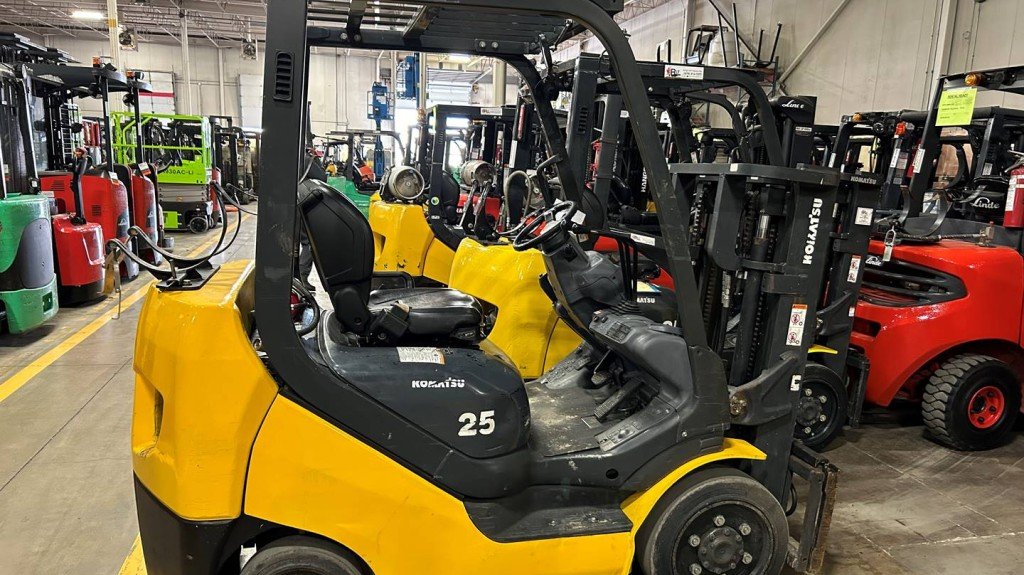
Modern industrial operations require dependable equipment to move heavy materials, organize inventory, transport products, and maintain consistent productivity. Warehouses, manufacturing facilities, construction projects, distribution centers, and commercial operations all depend on efficient material handling to complete their daily responsibilities. As businesses expand and operational requirements change, having access to appropriate lifting equipment becomes increasingly important. However, purchasing machinery is not always the most practical solution, particularly for companies managing temporary projects, seasonal workloads, or changing inventory demands. Renting provides an opportunity to access professional equipment without making a significant long-term investment. Reliable forklift rentals allow businesses to manage material transportation requirements, improve operational flexibility, and maintain productive working environments while controlling equipment-related expenses.
Understanding the Importance of Forklifts in Modern Industries
Forklifts play an important role in industries where employees regularly handle heavy materials, packaged products, pallets, machinery components, and industrial supplies. These machines are designed to lift and transport loads that would otherwise require substantial physical effort and additional handling resources. Their ability to move materials efficiently makes them valuable across different working environments, including warehouses, manufacturing facilities, storage areas, loading docks, and construction operations. By incorporating appropriate lifting equipment into daily workflows, businesses can reduce unnecessary manual transportation, organize materials more effectively, and improve the speed of essential operational activities.Modern forklifts are available in different configurations to accommodate specific material handling requirements. Some models are designed for narrow warehouse aisles and indoor storage operations, while others provide the strength and durability required for demanding outdoor applications. Businesses must understand their operational needs before selecting equipment because lifting capacity, mast height, machine dimensions, power source, and maneuverability can influence overall performance. Selecting appropriate machinery allows employees to complete transportation tasks more efficiently while helping managers maintain better control over workplace organization and equipment utilization.
Why Businesses Are Choosing Forklift Rental Solutions
Purchasing industrial equipment involves considerable financial responsibility because businesses must account for the initial acquisition cost as well as maintenance, servicing, storage, inspections, insurance, and eventual replacement. These expenses can become difficult to justify when machinery is only required for specific projects or occasional increases in workload. Companies that purchase equipment without carefully evaluating their long-term requirements may end up with machinery that remains unused for extended periods. Renting provides an alternative that allows businesses to obtain suitable equipment according to their actual operational needs instead of committing to permanent ownership.Professional forklift rentals provide businesses with greater flexibility when managing changing equipment requirements. Companies can arrange machinery for temporary projects, additional inventory handling, warehouse expansion, production increases, and other activities that require extra lifting capacity. This approach can help organizations preserve capital for other important business priorities while maintaining access to equipment needed for daily operations. Rental arrangements can also make it easier to evaluate different machine types before deciding whether purchasing a particular model would be beneficial in the future. By reviewing equipment requirements and comparing available rental arrangements, managers can develop practical strategies for controlling expenses without compromising productivity.
Selecting Equipment According to Operational Requirements
Choosing the right forklift requires careful consideration of the materials being handled and the environment in which the equipment will operate. Businesses should begin by evaluating the average and maximum weight of their loads, the dimensions of packaged materials, and the height at which products must be lifted. These factors help determine the appropriate lifting capacity and mast configuration. Managers should also examine the available working space because equipment operating in narrow aisles requires different maneuverability characteristics from machinery used in spacious industrial yards or large loading areas.Another important consideration is how frequently equipment will be used throughout the working day. Businesses with continuous material transportation requirements may need machinery capable of supporting extended operating periods, while companies handling occasional lifting tasks may benefit from different equipment arrangements. Floor conditions, ceiling clearance, ventilation requirements, turning space, and transportation distances should also be considered before selecting machinery. Providing accurate information about these operational conditions helps equipment providers recommend suitable options and reduces the possibility of selecting machinery that cannot perform effectively in the intended environment.
Improving Warehouse Productivity Through Proper Equipment
Warehouse efficiency depends on the organized movement of products between receiving departments, storage areas, inventory sections, picking stations, and shipping facilities. When materials cannot be transported efficiently, delays can affect multiple stages of warehouse operations and create unnecessary pressure on employees. Forklifts help address these challenges by allowing trained operators to move palletized goods, organize inventory, and position products according to operational requirements. Proper equipment selection can also improve storage efficiency because employees can transport materials to appropriate locations without depending excessively on manual handling methods.A well-organized warehouse requires coordination between equipment, employees, storage systems, and inventory management procedures. Businesses should establish clear transportation routes, maintain sufficient clearance between storage sections, and organize frequently handled products in accessible areas. Appropriate lifting equipment helps employees move inventory while maintaining a more consistent workflow, especially during periods of increased shipping and receiving activity. When companies combine suitable machinery with effective warehouse planning, they can reduce unnecessary movement, improve inventory accessibility, and create an environment that supports better productivity throughout the working day.
Supporting Construction and Manufacturing Operations
Construction and manufacturing businesses frequently handle materials that require dependable lifting and transportation equipment. Construction projects may involve moving packaged supplies, building components, heavy tools, and equipment between storage areas and active work zones. Manufacturing facilities regularly transport raw materials, finished products, machinery components, and production supplies between different departments. These activities require equipment that can support demanding workloads while allowing employees to complete material transportation tasks in an organized manner.Rental equipment can be especially useful when project requirements change throughout different stages of construction or production. A business may need additional lifting capacity during a particular phase of a project without requiring the same machinery once that phase has been completed. Renting allows managers to arrange suitable equipment according to project schedules and operational priorities. This flexibility can help businesses avoid unnecessary ownership expenses while maintaining access to machinery required for important assignments. Proper equipment planning also supports smoother coordination between employees, supervisors, suppliers, and other departments involved in completing projects.
Managing Equipment Expenses and Business Budgets
Controlling operational expenses is an important responsibility for businesses that depend on industrial machinery. Purchasing equipment can require a substantial initial investment, and the financial commitment does not end once the machine has been acquired. Owners must also consider maintenance expenses, replacement components, servicing requirements, storage arrangements, insurance, depreciation, and unexpected repair costs. When equipment is not required throughout the year, these ongoing responsibilities may create unnecessary financial pressure and reduce the resources available for other business priorities.Rental arrangements offer another way to approach equipment budgeting by allowing companies to match machinery expenses with actual operational requirements. Businesses can review the duration of a project, estimate the number of working hours, and determine how frequently additional lifting equipment will be necessary. This information helps managers evaluate whether renting is more appropriate than purchasing machinery for a particular assignment. They should also review transportation charges, rental conditions, maintenance responsibilities, and other applicable expenses before making a decision. Careful financial planning helps businesses understand the complete cost of equipment use and select arrangements that support their long-term operational goals.
Exploring Different Types of Forklift Equipment
Different forklift designs are developed to address specific material handling challenges, which makes understanding available equipment categories important for businesses. Counterbalance forklifts are widely used for general lifting and transportation activities because their design allows them to balance loads through a counterweight system. These machines are commonly suitable for moving pallets and packaged materials across industrial facilities, loading areas, and warehouse environments. Their versatility makes them useful for companies that require dependable equipment for a variety of routine transportation activities.Reach trucks are designed for warehouse environments where storage arrangements require equipment to access products positioned at elevated heights while operating within relatively narrow aisles. Electric forklifts are frequently selected for indoor operations because they produce no direct exhaust emissions during normal operation and can support suitable warehouse applications. Internal combustion models may be appropriate for certain outdoor or demanding industrial environments, depending on their specifications and operating conditions. Rough-terrain forklifts are designed for applications involving uneven surfaces and challenging ground conditions. Businesses should compare equipment capabilities, operating environments, and load requirements before choosing a suitable model.
Maintaining Workplace Safety During Forklift Operations
Safety should remain a primary consideration whenever heavy lifting machinery is used in an industrial or commercial environment. Forklifts can transport substantial loads, but improper operation, excessive speed, overloaded forks, poor visibility, and unstable materials can create serious workplace hazards. Businesses should develop clear safety procedures and ensure that only appropriately trained and authorized operators handle lifting equipment. Employees working near machinery should also understand designated pedestrian routes, warning systems, and procedures for maintaining safe distances from moving equipment.Before operating a forklift, employees should complete the required pre-operation inspection and examine important components such as tires, forks, brakes, steering controls, hydraulic systems, warning devices, and other safety features. Operators must understand the machine’s rated lifting capacity and avoid carrying loads that exceed the manufacturer’s specifications. Materials should be positioned securely, and lifting activities should be completed according to established operating procedures. Businesses should also maintain clear travel routes, provide suitable workplace lighting, and ensure that employees understand how to respond to potential equipment problems. Consistent training and responsible operating practices help create safer working conditions while supporting dependable material handling activities.
The Importance of Equipment Maintenance and Regular Inspections
Proper maintenance plays an essential role in keeping industrial machinery dependable and suitable for daily operations. Forklifts contain several mechanical, hydraulic, electrical, and structural components that require regular attention to maintain their performance. Neglecting inspections can allow minor issues to develop into more serious problems that affect productivity, equipment reliability, and workplace safety. Businesses should therefore establish inspection procedures and ensure that any unusual noises, fluid leaks, warning Companies arranging rental equipment should understand which maintenance responsibilities are included in their agreements. They should clarify who handles routine servicing, how equipment problems should be reported, and what support is available if a machine becomes unavailable during an important project. Keeping inspection records and following the equipment provider’s operating instructions can help prevent avoidable complications. A properly maintained forklift is more likely to perform consistently throughout its intended operating period, helping businesses manage material transportation requirements with fewer unexpected interruptions.
Choosing the Appropriate Rental Period
Selecting an appropriate rental duration helps businesses manage equipment expenses while ensuring machinery remains available when required. Short-term arrangements may be suitable for temporary construction assignments, urgent warehouse activities, equipment replacement situations, and seasonal increases in inventory movement. Longer arrangements may be beneficial for companies managing extended industrial projects or ongoing operations that require additional lifting capacity but do not justify purchasing another machine.Managers should consider project schedules, expected workload, equipment utilization, and possible delays before deciding on a rental period. It is also important to understand the agreement’s terms regarding extensions, early returns, servicing, transportation, and additional charges. Companies should communicate their expected requirements clearly so that equipment arrangements can be coordinated effectively. Planning ahead helps reduce the possibility of equipment shortages and makes it easier to manage machinery according to changing operational priorities.
Handling Seasonal Demand and Unexpected Workloads
Many industries experience fluctuations in workload because of seasonal inventory requirements, changing customer demand, production schedules, and temporary business expansion. Distribution facilities may receive larger shipments during busy periods, while manufacturing companies may increase production to fulfill additional orders. These situations can place additional pressure on existing equipment and employees, especially when several departments depend on the same lifting machinery. Access to additional equipment can help businesses maintain consistent material movement without permanently Flexible rental arrangements allow companies to respond to increased workloads by arranging equipment when additional lifting capacity becomes necessary. Managers can evaluate their existing machinery, identify operational limitations, and determine whether extra forklifts are required for a particular period. This approach helps businesses manage temporary demand while avoiding unnecessary long-term equipment expenses. Advance planning is especially important because arranging machinery before a busy period can make it easier to coordinate delivery, prepare operators, and maintain organized workflows during demanding operational schedules.
Understanding Equipment Specifications Before Making a Decision
Equipment specifications provide essential information about what a particular forklift can safely and effectively accomplish. Businesses should carefully examine rated load capacity, maximum lifting height, mast configuration, overall machine dimensions, turning radius, power source, and attachment compatibility. These specifications help determine whether a machine can handle the materials involved in a particular operation. For example, lifting a heavy load at an elevated height may involve different equipment requirements from transporting lighter materials across a warehouse floor.Workplace conditions should also influence equipment selection. Indoor facilities may have restricted aisle widths, low ceilings, ventilation considerations, and specific flooring requirements that affect machinery suitability. Outdoor operations may require equipment with appropriate tires, ground clearance, and performance characteristics for the working surface. Businesses should communicate these conditions to their equipment provider and request machinery that matches the intended application. Evaluating specifications carefully before arranging equipment can help prevent operational difficulties and support better equipment utilization.
The Benefits of Working With an Experienced Equipment Provider
Selecting a reliable equipment provider is an important part of arranging machinery for business operations. Companies may not always have the technical experience needed to compare different forklift models, lifting capacities, operating features, and equipment configurations. An experienced provider can help explain available options and identify machinery that aligns with the customer’s material handling requirements. Clear communication also helps businesses understand rental conditions, equipment availability, delivery arrangements, and responsibilities throughout the rental period.A professional equipment provider should be able to explain the condition and specifications of available machinery and provide information about servicing and support procedures. Businesses should ask questions about equipment replacement, maintenance arrangements, operating instructions, and assistance when unexpected issues arise. These details become especially important when machinery is required for time-sensitive assignments or continuous industrial activities. Establishing a dependable relationship with an equipment provider can simplify future equipment planning and help companies maintain access to suitable machinery as their operational requirements develop.
Improving Productivity Through Better Equipment Planning
Successful material handling operations require coordination between machinery, employees, storage systems, and daily business schedules. When equipment is unavailable at the required time, loading, unloading, inventory transportation, and production activities may experience unnecessary delays. These interruptions can affect delivery schedules, increase employee waiting time, and create congestion in important working areas. Planning equipment requirements in advance helps businesses reduce these challenges and maintain more consistent operational performance.Managers should regularly evaluate equipment utilization, upcoming projects, inventory volumes, maintenance schedules, and expected workload changes. This information helps identify situations where additional machinery may be required and allows businesses to arrange equipment before operational demand increases. Companies should also ensure that operators understand equipment capabilities and workplace procedures before machinery enters active service. By combining proper planning with suitable equipment and effective communication, businesses can improve material transportation, reduce avoidable delays, and maintain more organized industrial operations.
Why Forklift Rentals Are Valuable for Growing Businesses
Growing businesses frequently face changing operational requirements as production volumes increase, warehouse space expands, and customer expectations develop. These changes may create additional demand for lifting machinery, but purchasing new equipment for every increase in workload is not always financially practical. Companies must evaluate whether additional machinery will remain necessary over the long term or whether temporary equipment arrangements would better support their current requirements.Reliable Forklift rentals provide businesses with an opportunity to access suitable machinery while maintaining flexibility in equipment management. Companies can arrange equipment for specific projects, increased warehouse activity, temporary production requirements, and other demanding applications without immediately accepting the responsibilities associated with ownership. When combined with careful equipment selection, appropriate operator training, and regular maintenance, rental arrangements can support more organized workflows and help businesses make better use of available resources.
Conclusion
Efficient material handling is essential for businesses that regularly transport heavy materials, organize inventory, support production activities, and manage demanding industrial projects. Choosing suitable lifting equipment can improve productivity, reduce unnecessary manual handling, support workplace organization, and help employees complete important responsibilities more effectively. Renting provides a practical alternative to purchasing machinery, particularly when equipment requirements change according to project schedules, seasonal demand, and business growth.Before arranging equipment, businesses should evaluate lifting capacity, operating conditions, machine specifications, safety requirements, maintenance arrangements, and overall rental expenses. Working with an experienced equipment provider can also make it easier to identify suitable machinery and understand the responsibilities involved in equipment use. With proper planning and responsible management, forklift rentals can become an important part of an effective material handling strategy, helping businesses maintain operational flexibility, manage equipment costs, and support consistent productivity.
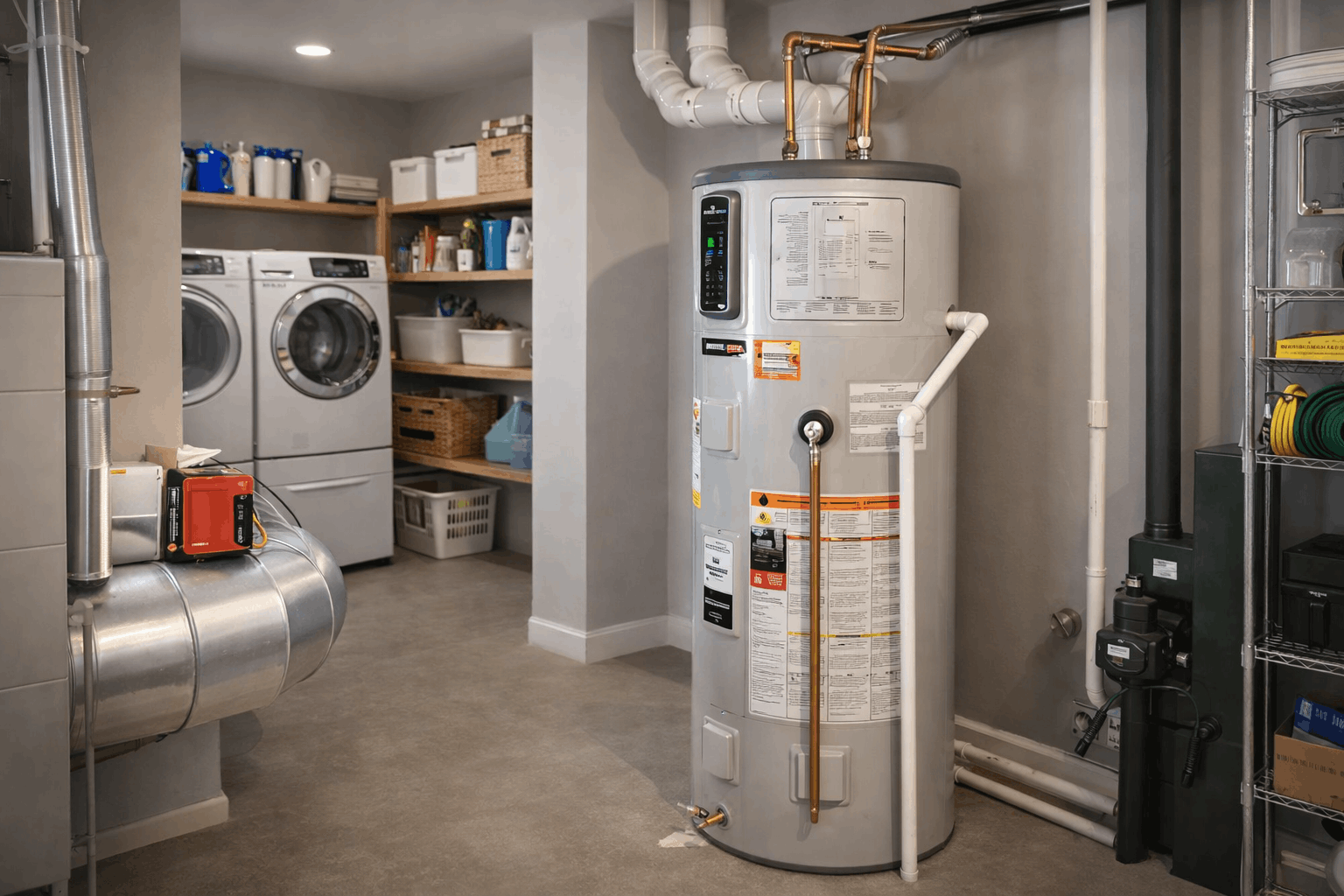
Understanding the Importance of a Reliable Water Heating System
Hot water is one of the most important necessities in a modern household because it supports numerous daily activities, including bathing, washing dishes, cleaning clothes, preparing food, and maintaining proper hygiene. Although homeowners often overlook their heating equipment when everything works correctly, its importance becomes immediately noticeable when temperatures become inconsistent or the available hot water supply suddenly decreases. A dependable system provides convenience, supports everyday routines, and helps maintain a comfortable indoor environment throughout the year. For this reason, homeowners should understand how their equipment operates, recognize common warning signs, and arrange appropriate professional services to maintain its performance.
A properly maintained water heater should deliver consistent temperatures while operating safely and efficiently without creating unnecessary energy expenses. However, achieving reliable performance requires more than simply purchasing quality equipment and connecting it to the existing plumbing system. Proper installation, suitable equipment sizing, routine inspections, and timely repairs all contribute to the overall condition of the system. When homeowners pay attention to these important factors, they can reduce the possibility of unexpected breakdowns and protect their investment over the long term. Understanding the relationship between heating equipment and residential plumbing also makes it easier to identify problems before they develop into expensive repairs or property damage.
Different Types of Residential Water Heating Equipment
Residential heating systems are available in several designs, allowing homeowners to select equipment according to household requirements, available installation space, energy preferences, and daily hot water consumption. Traditional storage tank systems remain a common choice because they heat a specific volume of water and keep it stored until someone needs it. These systems are available in different capacities, making it possible to accommodate households with varying usage patterns. Their relatively straightforward operation and familiar installation requirements make them suitable for many residential properties, although their efficiency and performance depend on proper sizing, insulation, and maintenance.Tankless systems provide another option by heating water as it moves through the equipment instead of maintaining a continuously heated supply inside a storage tank. This design can reduce standby heat loss and provide a continuous supply when the system is appropriately sized for the property’s demand. Heat pump models operate through a different process by transferring heat from the surrounding air into the water, which can make them highly energy efficient under suitable conditions. Each design offers specific advantages and installation considerations, so homeowners should evaluate their household’s needs before choosing replacement equipment. Professional plumbing guidance can help compare operating costs, available capacity, installation requirements, and long-term performance to determine which option provides the most practical solution.
Recognizing Early Warning Signs of Equipment Failure
Heating equipment generally develops noticeable symptoms when individual components begin to deteriorate or when internal conditions interfere with normal operation. One of the most common warning signs is inconsistent water temperature, especially when hot water suddenly becomes lukewarm or changes temperature without an obvious reason. This problem may be associated with a malfunctioning thermostat, damaged heating element, sediment accumulation, or an issue involving the equipment’s control system. Homeowners may also notice that the available hot water runs out faster than usual, indicating that the system may no longer be heating or storing water as effectively as it should. Identifying these changes early allows a qualified technician to investigate the problem before it causes a complete interruption.Unusual sounds, unpleasant odors, visible corrosion, and moisture around the equipment are additional symptoms that deserve attention. Popping or rumbling noises can develop when mineral deposits accumulate inside a storage tank, creating additional resistance during the heating process. Rust-colored water may indicate corrosion somewhere within the tank or connected plumbing, while unexplained increases in energy consumption can suggest that the equipment is working harder than necessary. Ignoring these warning signs may allow relatively manageable problems to become more complicated. A professional inspection can identify the underlying cause, evaluate the condition of important components, and determine whether maintenance, repair, or replacement is the most appropriate course of action.
Why Professional Installation Is Essential
Professional installation is one of the most important factors influencing the safety, reliability, and efficiency of residential heating equipment. Even an advanced system with excellent efficiency ratings can experience repeated problems when it is installed incorrectly or connected to unsuitable plumbing, electrical, or ventilation arrangements. The installation process involves evaluating equipment capacity, water supply connections, drainage requirements, temperature controls, pressure regulation, and manufacturer specifications. Gas-powered equipment also requires appropriate fuel connections and ventilation, while electric systems must have properly rated electrical connections and suitable protective devices. Every part of the installation should be completed according to applicable safety standards and equipment requirements.Incorrect installation can contribute to water leaks, pressure problems, inadequate heating, unusual operating noises, and premature component deterioration. It may also create safety concerns when electrical or gas connections are not handled correctly. Professional plumbers understand how different heating technologies interact with residential plumbing systems and can identify installation challenges before they become serious problems. They can also confirm that the selected equipment fits the available space and can provide sufficient hot water for the property’s expected demand. Investing in professional installation helps establish a reliable foundation for long-term performance while reducing the possibility of complications caused by unsuitable connections or improper equipment setup.
Maintaining Equipment Through Regular Professional Inspections
Routine maintenance is essential for preserving heating efficiency and reducing unnecessary stress on internal components. Over time, minerals and sediment naturally present in water can accumulate inside storage tanks, particularly when the water supply contains higher concentrations of dissolved minerals. As these deposits collect, they can interfere with heat transfer, create operating noises, and force the equipment to consume more energy to achieve the desired temperature. Depending on the equipment design and manufacturer recommendations, professional maintenance may include flushing the tank, checking internal components, inspecting connections, and evaluating the condition of important safety devices.A thorough inspection should also consider the temperature and pressure relief valve, thermostat, heating elements, burners, and visible plumbing connections. These components perform different functions, but each contributes to the overall operation and safety of the equipment. A deteriorating valve or loose connection may eventually cause leakage, while a faulty thermostat can produce uncomfortable temperature fluctuations. Homeowners should also keep the surrounding area clean and accessible so that technicians can inspect the equipment without unnecessary obstructions. Maintaining a consistent service routine allows potential problems to be identified earlier, supports dependable operation, and may extend the useful life of the system.
Improving Household Energy Efficiency
Energy efficiency is an important consideration because residential water heating can account for a considerable portion of household energy consumption. Older systems may become less efficient as insulation deteriorates, heating components wear out, and sediment accumulates inside the equipment. These conditions can increase operating costs even when the system continues to provide hot water. Newer models often incorporate improved insulation, advanced temperature controls, and more efficient heating technology designed to reduce unnecessary energy consumption. However, selecting equipment with a high efficiency rating is only one part of achieving better performance because proper sizing, installation, and maintenance also influence actual operating costs.Homeowners can improve efficiency by evaluating their daily hot water consumption and selecting equipment that matches their household requirements. An oversized system may consume more energy than necessary, while an undersized unit may struggle to supply sufficient hot water during periods of heavy demand. Insulating suitable hot water pipes can also help reduce heat loss as water travels through the plumbing system. In addition, repairing dripping hot water faucets and addressing plumbing leaks can prevent unnecessary water and energy waste. Professional recommendations can help homeowners understand which improvements are most beneficial for their existing equipment and which upgrades may provide greater long-term savings.
Choosing the Correct Equipment Capacity
Selecting the appropriate equipment capacity is essential for maintaining a consistent hot water supply without creating unnecessary operating expenses. Every household has different requirements depending on the number of occupants, bathroom facilities, appliances, and daily routines. A family that frequently uses multiple showers, washing machines, and dishwashers may require greater heating capacity than a smaller household with fewer simultaneous hot water demands. If the selected system cannot accommodate peak usage, homeowners may experience sudden temperature changes or run out of hot water during important daily activities. On the other hand, purchasing equipment with excessive capacity can increase installation and operating costs without providing meaningful benefits.Professional sizing involves evaluating actual usage patterns rather than relying exclusively on the number of people living in a property. Storage tank systems are generally selected according to their capacity and recovery rate, while tankless equipment must be evaluated according to its flow rate and the temperature increase required. These calculations help determine whether the system can supply multiple fixtures simultaneously without sacrificing performance. A qualified plumbing professional can examine existing equipment, review household requirements, and recommend suitable replacement options. Making an informed decision about capacity improves convenience, supports efficiency, and reduces the likelihood of purchasing equipment that does not match the property’s needs.
Understanding When Repairs Are Necessary
Mechanical and plumbing problems do not always mean that an entire heating system needs to be replaced. Many common issues can be resolved through targeted repairs, particularly when the equipment is relatively new and its overall condition remains satisfactory. A malfunctioning thermostat, damaged heating element, faulty control, deteriorating valve, or loose connection may be responsible for poor performance. However, homeowners should avoid assuming that a particular component is defective simply because the system displays one noticeable symptom. Several different problems can produce similar warning signs, making professional diagnosis important before any repair work begins.A qualified technician can examine the equipment, test its components, and identify the source of the malfunction. The decision to repair or replace the system should consider its age, maintenance history, operating efficiency, frequency of breakdowns, and estimated repair expenses. If the equipment requires frequent service or has developed significant internal corrosion, replacement may provide better long-term value than continuing to invest in repeated repairs. However, when the problem involves a relatively inexpensive component and the rest of the system remains in good condition, repairing the existing equipment may be the more economical option. Understanding these differences helps homeowners make practical decisions instead of spending money on unnecessary work.
Preventing Leaks and Protecting Residential Property
Water leaks around heating equipment should never be ignored because even a small amount of continuous moisture can eventually damage surrounding materials. Water may spread beneath flooring, affect nearby cabinets, weaken drywall, and create conditions that encourage mold growth. Larger leaks can cause substantial property damage, especially when they remain unnoticed for extended periods or occur while homeowners are away. Common sources include deteriorating supply connections, damaged drain valves, loose fittings, corrosion, and problems involving the storage tank itself. Regularly examining the equipment area can help homeowners recognize visible moisture before the problem becomes more serious.Preventing leaks involves maintaining secure plumbing connections, checking important valves, and arranging professional inspections when warning signs appear. Temperature and pressure relief valves are particularly important because they help protect the equipment when internal pressure or temperature becomes excessive. Homeowners should also pay attention to rust, unusual dripping, and changes in water pressure because these conditions may indicate developing plumbing problems. If a leak becomes noticeable, professional assistance should be arranged promptly to identify its source and determine whether the equipment can be repaired safely. Taking preventive action helps protect the property, reduce repair expenses, and maintain the reliability of the entire plumbing system.
Maintaining Safe and Consistent Water Temperatures
Temperature management is another important part of maintaining a residential heating system because excessively hot water can create a serious scalding risk. Children, older adults, and individuals with limited mobility may be particularly vulnerable to burns when water temperatures are not properly controlled. At the same time, water stored at temperatures that are too low can create conditions that allow harmful bacteria to multiply in certain plumbing systems. Homeowners should therefore avoid making arbitrary temperature adjustments without considering equipment specifications, household requirements, and relevant health and safety recommendations.Many residential systems are commonly set around 120 degrees Fahrenheit for everyday household use, although individual circumstances may require different arrangements. Thermostatic mixing valves can help regulate the temperature delivered to faucets and showers while allowing the storage system to operate at a different temperature when appropriate. These components should be selected and adjusted according to the system’s design and professional guidance. Regularly checking temperature controls can help prevent uncomfortable fluctuations and reduce potential safety concerns. Professional plumbers can evaluate the existing arrangement, identify malfunctioning controls, and recommend suitable improvements for maintaining dependable temperature regulation.
Benefits of Replacing Outdated Heating Equipment
Older heating systems may continue operating for years, but their performance can gradually decline as internal components wear out and maintenance requirements increase. Frequent repairs, inconsistent temperatures, unusual noises, corrosion, and rising energy consumption may indicate that replacement deserves serious consideration. Although purchasing new equipment requires an initial investment, modern systems often provide improved efficiency, better temperature controls, and features designed to support more dependable operation. Choosing an appropriate replacement can also reduce the inconvenience associated with repeated breakdowns and unexpected interruptions in hot water availability.Before replacing outdated equipment, homeowners should compare available technologies, equipment capacities, efficiency ratings, and installation requirements. A growing household may benefit from a larger storage tank or a properly sized tankless model, while properties with limited space may require a more compact design. Existing plumbing, electrical capacity, ventilation, and fuel connections should also be evaluated because these factors can influence installation costs and equipment compatibility. Professional guidance helps homeowners understand the advantages and limitations of different options so they can select a system that meets their current requirements while providing dependable performance for years to come.
How Plumbing Conditions Influence Heating Performance
Heating equipment does not operate independently of the plumbing system, which means the condition of connected pipes and fixtures can influence overall performance. Corroded pipes, mineral deposits, restricted supply lines, leaking connections, and pressure irregularities can affect water movement and reduce the effectiveness of hot water delivery. In some situations, homeowners may believe their heating equipment is malfunctioning when the actual problem involves deteriorating plumbing connections or restricted water flow. A complete evaluation can help distinguish between equipment-related issues and problems originating elsewhere in the plumbing network.Pipe insulation is another important consideration because hot water can lose heat while traveling from the equipment to distant fixtures. Longer pipe runs may increase waiting times, especially when plumbing systems have not been designed with efficient hot water distribution in mind. Insulating suitable pipes and addressing unnecessary restrictions can improve delivery performance and reduce energy waste. Professional plumbers can inspect the plumbing network, identify damaged sections, evaluate water pressure, and recommend improvements that support the entire heating system. Maintaining both the equipment and its connected plumbing components creates a more reliable arrangement for everyday household use.
Selecting Experienced Plumbing Professionals
Choosing a qualified plumbing service provider is essential when homeowners need installation, maintenance, troubleshooting, or replacement assistance. Residential heating equipment involves several technical components, including water connections, electrical systems, gas supplies, pressure controls, and safety devices. Working with experienced professionals helps ensure that these components are inspected and handled correctly. Homeowners should consider the service provider’s experience, technical knowledge, communication, and familiarity with different equipment designs before making a decision. A dependable professional should also be willing to explain the problem and discuss suitable solutions rather than recommending unnecessary work.Reliable service involves more than completing an immediate repair because the technician should also consider the overall condition of the equipment and identify potential concerns that may affect future performance. Clear explanations about maintenance requirements, replacement options, and installation considerations help homeowners make informed decisions. When selecting a plumbing company, it is useful to review its service offerings and determine whether it handles the specific type of equipment installed in the home. Working with knowledgeable professionals can make maintenance easier, reduce uncertainty during unexpected breakdowns, and support the long-term reliability of residential plumbing systems.
Making Water Heater Maintenance a Long-Term Priority
Maintaining dependable hot water requires consistent attention to equipment condition, plumbing connections, operating efficiency, and safety features. Homeowners who arrange periodic inspections and respond quickly to unusual noises, temperature changes, corrosion, and visible moisture are better positioned to prevent unexpected equipment failures. Keeping maintenance records can also help identify recurring problems and provide useful information when a technician evaluates whether repairs or replacement are necessary. These preventive practices allow homeowners to manage equipment expenses more effectively while reducing the inconvenience associated with sudden hot water interruptions.A reliable water heater is an essential part of household comfort, and its long-term performance depends on appropriate installation, regular professional maintenance, and timely attention to developing problems. Homeowners should avoid delaying necessary repairs because minor issues can sometimes affect several connected components when left unresolved. Choosing suitable equipment, maintaining appropriate operating temperatures, and addressing plumbing concerns can contribute to better efficiency and dependable service. With professional support and responsible maintenance, households can protect their equipment investment and maintain consistent access to hot water for everyday activities.
Conclusion
A dependable hot water system contributes significantly to household comfort, convenience, hygiene, and everyday efficiency. From selecting appropriately sized equipment to maintaining plumbing connections and addressing mechanical problems, every part of system ownership influences long-term performance. Recognizing early warning signs, arranging professional inspections, and evaluating repair or replacement options can help homeowners avoid unnecessary expenses and reduce the risk of unexpected breakdowns.Homeowners seeking professional plumbing assistance can explore the services provided by Roland Black through its official website. Whether the concern involves equipment performance, plumbing connections, maintenance, or a possible replacement, experienced professionals can help identify suitable solutions according to the property’s requirements. Investing in proper installation and consistent maintenance is a practical way to support reliable hot water delivery, improve household efficiency, and protect essential plumbing equipment over time.

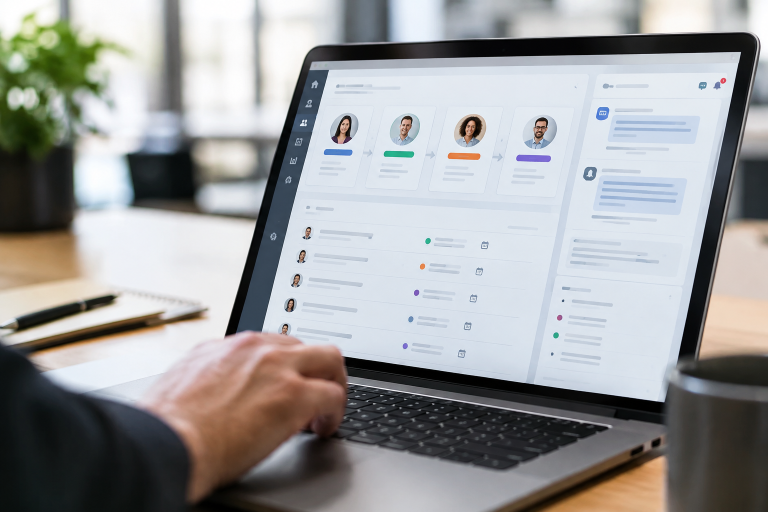
Candidate experience is shaped long before an offer is made. A job description, application form, interview invitation, scheduling process, and final update all signal how an organization communicates and follows through. A well-designed workflow gives recruiters the structure to move candidates forward without losing the personal context that good hiring requires.
Technology can support that consistency when it is used to connect people and tasks rather than add another layer of complexity. A practical HR software integrations ecosystem for ATS can help teams reduce manual handoffs between recruiting, scheduling, assessments, and internal approvals, so candidates receive clearer updates at the right time.
Why Workflow Design Matters
Candidates experience the hiring process as a single journey, even when several departments own different parts of it. When a job is approved slowly, interviewers submit feedback late, or recruiters lack visibility into a decision, the candidate sees silence. The result can be uncertainty about the role and the employer.
Candidate experience is therefore part of recruiting performance, not a separate courtesy project. Clear expectations can support better response rates, reduce avoidable withdrawals, and help an organization leave a respectful impression on people it does not hire. Recent candidate research on communication gaps and long processes also reinforces a simple point: candidates notice when their time is not respected.
Common Friction Points for Candidates
Friction rarely comes from one dramatic failure. More often, several small obstacles accumulate across the process and make a candidate question whether continuing is worthwhile.
- Application forms that ask candidates to re-enter information already on their résumés.
- Unclear instructions for interviews, assessments, or required documents.
- Limited scheduling options that conflict with candidates’ current work obligations.
- Long gaps between stages without a status update.
- Automated replies that do not answer basic questions.
- No notification when a role is paused, changed, or filled.
- Assessments that appear unrelated to the actual responsibilities of the role.
What a Connected Hiring Process Looks Like
A connected workflow ensures the right details reach the right people without constant copying, chasing, or guesswork. Job requirements, candidate status, interview feedback, and approvals should be visible to the people responsible for the next action.
Core stages to connect
- Role planning: Confirm responsibilities, required skills, compensation details where appropriate, and approval owners before posting.
- Application: Keep the form focused, mobile-friendly, and limited to information needed for the next decision.
- Screening: Use consistent, job-related criteria rather than relying on informal impressions.
- Scheduling: Offer clear time options, calendar details, and reminders.
- Interview feedback: Give interviewers a shared scorecard and a deadline for submitting notes.
- Decision-making: Establish who makes the decision and when the review must happen.
- Follow-up: Keep selected and unsuccessful candidates informed about the outcome or any material delay.
The Role of Automation
Automation can handle repeatable tasks such as sending application confirmations, routing candidates, proposing interview times, reminding interviewers about overdue feedback, and sharing status updates. These actions are valuable because they reduce waiting time and free recruiters to focus on conversations, judgment, and problem-solving.
However, fast automation is not automatically a better experience. Messages should explain what happened, what comes next, and how a candidate can get help. A generic notification may close a task internally while leaving the candidate with more questions than answers.
Why Human Oversight Still Matters
Human review is essential whenever technology helps rank, assess, summarize, or route candidates. Hiring teams should understand what a tool does, confirm that its criteria align with the job, and ensure candidates can raise concerns when something goes wrong. The EEOC notes that AI and other assessment tools can raise disability-related accommodation issues, particularly when a process unintentionally screens out qualified applicants.
Useful safeguards include:
- Using criteria tied directly to real job responsibilities.
- Reviewing unusual or incomplete assessment results before rejecting a candidate.
- Providing a clear contact path for technical problems and accommodation requests.
- Explaining when an automated tool plays a meaningful role in the process.
- Keeping final hiring decisions with trained people.
For example, a candidate might receive a low assessment result because a technical error prevented part of the test from loading. A workflow with human escalation can identify the issue, offer a fair retake, and avoid treating a system failure as evidence of poor fit.
Practical Ways to Improve the Process
- Apply to your own job: Complete the application as a candidate and document every confusing step.
- Set response standards: Define when candidates should receive confirmations, updates, and final notices.
- Remove repeated questions: Ask only for information needed at the current stage.
- Publish the process: Explain the expected stages, estimated timing, and likely interview participants.
- Use consistent scorecards: Connect each rating to a skill, behavior, or responsibility relevant to the role.
- Update candidates when plans change: A short, honest message is better than prolonged silence.
- Close the loop: Notify candidates when the role is filled, paused, or canceled.
Metrics Worth Tracking
Time to fill matters, but it does not tell the complete story. Review operational measures alongside indicators of how candidates are experiencing the process.
- Application completion rate.
- Time from application to first response.
- Time between interview stages.
- Candidate withdrawal rate.
- Interview no-show rate.
- Offer acceptance rate.
- Candidate satisfaction feedback.
- Hiring manager feedback turnaround time.
- Percentage of candidates who receive a final update.
Review these measures by role, location, team, and hiring stage. If withdrawals increase after an assessment or scheduling request, that pattern provides the team with a specific process to examine rather than relying on assumptions.
A Simple Action Plan for Recruiting Teams
- Week One: Map the hiring journey from job approval through final notification.
- Week Two: Ask recent candidates, recruiters, and hiring managers where delays and confusion occur.
- Week Three: Remove one unnecessary step and improve two frequently used candidate messages.
- Week Four: Establish baseline metrics and review the first findings with the team.
Conclusion
Better hiring workflows are built on clarity, speed, fairness, and respect. Technology can connect tasks and reduce routine delays, but thoughtful process design remains the foundation. When candidates know what to expect and recruiting teams have the information needed to act promptly, hiring becomes more efficient and more human for everyone involved.

What Is iZoneMedia360.com? Its Tech News, Topics, and Features

Maximizing Business Efficiency Through Reliable Forklift Rental Solutions

Why Regular HVAC Tune-Ups Are Essential for Reliable Home Comfort
Who Is Gale Burnick? The Story Of George R. R. Martin’s Ex Wife

Who Is Hermann Nicoli? The Full Story Of Candice Swanepoel’s Former Fiancé

Who Is Alicia Dove? The Life Story Of Corey Taylor’s Wife
-
Celebrity4 months ago
Who Is Gale Burnick? The Story Of George R. R. Martin’s Ex Wife
-
 Celebrity4 months ago
Who Is Hermann Nicoli? The Full Story Of Candice Swanepoel’s Former Fiancé
-
 Celebrity4 months ago
Who Is Alicia Dove? The Life Story Of Corey Taylor’s Wife
-

 Celebrity4 months ago
Meet Carole Rogers: Everything to Know About Kenny Rogers’ Daughter
-

 Celebrity4 months ago
Who Is Sydney Davis? The Full Story Of Billy Bush’s Ex Wife
-

 Celebrity4 months ago
Who Is Anna Hillinger? The Full Life Story Of Mike Shinoda’s Wife
-

 Celebrity4 months ago
Who Is Demacio Castellon? Life Story Of Nelly Furtado’s Ex Husband
-

 Blog2 months ago
What Is Sosoactive? A Complete Guide to the Digital Platform