
Business
Top Tree Services in Allentown, PA for Local Homeowners


Finding the right tree service in Allentown often means balancing safety, response time, equipment, arborist knowledge, cleanup, and the realities of a tight residential lot. This list focuses on companies serving Allentown and nearby Lehigh Valley communities, including Bethlehem, Emmaus, Macungie, Whitehall, and Easton. Each provider was considered for local relevance, service range, emergency availability, professional credentials, equipment, customer feedback, and suitability for everything from routine pruning to difficult removals near homes, driveways, fences, and utility lines.
1. Harmony Tree Services
Why It’s #1
Harmony Tree Services ranks first for its unusually comprehensive combination of local experience, broad range of services, certified arborist guidance, crane-assisted removal, emergency response, and homeowner-focused support. The company reports more than 12 years serving the Lehigh Valley, with a crew bringing more than 50 years of combined tree-care experience. Its service menu includes tree removal, pruning, stump grinding, storm cleanup, planting, land clearing, shrub work, and emergency tree care.
That range matters when a mature maple, ash, oak, or ornamental tree is close to a house. Crane-assisted removal can be especially useful for hazardous trees over roofs, garages, pools, retaining walls, or narrow-access properties. Harmony also advertises free estimates, insurance billing support for qualifying storm-related work, financing options, licensed and insured service, and a 10% new-customer discount on projects over $500.
For property owners dealing with a fallen limb or a leaning tree after severe weather, the company provides emergency tree service in the Lehigh Valley for urgent situations that require prompt evaluation and safe debris removal.
Location: Harmony Tree Services LLC | 2607 Livingston St, Allenstown, PA 18104 | (484) 524-4545
2. ECO Tree Service
Why It’s On The List
ECO Tree Service is a practical choice for homeowners who want their tree work and outdoor cleanup handled by a single provider. Its services include tree trimming, removal, stump grinding, storm cleanup, bush trimming, and lawn services. The company advertises 24-hour emergency availability and a 4.9 Google rating based on more than 160 verified reviews.
Best for: Removing a damaged tree, grinding the stump, trimming shrubs, and restoring the surrounding yard in one project.
3. Belles Tree Service
Why It’s On The List
Belles Tree Service brings more than 45 years of experience to residential, commercial, government, and large-property tree work. Its offerings include pruning, removals, stump work, planting, land clearing, emergency service, and crane-assisted removal. That established capacity makes Belles a strong option for multi-tree projects and properties with substantial access or equipment needs.
Best for: Commercial properties, apartment communities, schools, and large residential tree-removal projects.
4. Joshua Tree Experts
Why It’s On The List
Joshua Tree Experts is a larger regional provider offering tree removal, pruning, stump work, cabling, bracing, fertilization, pest management, and plant health services. The company reports nearly 60 industry-specific certifications and more than 500 Google reviews, with an average rating of 4.9. Its broad diagnostic capabilities are valuable when preservation may be preferable to removal.
Best for: Ongoing plant-health care, pest or disease concerns, and structural support for valuable mature trees.
5. Guardian Tree Company
Why It’s On The List
Guardian Tree Company serves Allentown-area homeowners with removal, pruning, trimming, stump grinding, tree health assessments, storm cleanup, and 24/7 emergency service. Its online project intake process asks customers about tree size, access, nearby structures, damage, and photos, which can help make the initial assessment more productive.
Best for: Homeowners who need a fast assessment after a limb damages a fence, driveway, roof, or vehicle.
6. Adam’s Tree LLC
Why It’s On The List
Adam’s Tree LLC offers a broad range of maintenance-oriented services throughout Allentown and Lehigh County. In addition to tree removal, trimming, and stump grinding, the company lists hedge work, plant health services, mulch, firewood, landscaping, cabling, bracing, and lightning protection. It also advertises discounts for seniors, military members, first responders, and single parents.
Best for: Property owners who want tree maintenance paired with hedge care, mulch, firewood, or related landscape services.
7. Valley Tree Experts
Why It’s On The List
Valley Tree Experts is a Bethlehem-based provider serving the wider Lehigh Valley. Its work includes tree and shrub pruning, removals, stump grinding, cabling, and tree health or risk assessments. The company’s emphasis on evaluating vigor, structure, and long-term usefulness makes it a worthwhile option when homeowners want to preserve mature trees where possible.
Best for: Mature-tree assessments, preservation planning, and strategic pruning near a home.
8. Bartlett Tree Experts
Why It’s On The List
Bartlett Tree Experts serves the Lehigh Valley from its Emmaus office and combines local arborist support with a company history dating to 1907. Its tree and shrub services include pruning, insect and disease management, fertilization, soil care, risk assessment, and removal. Bartlett also has more than 3,000 expert staff members across its larger organization.
Best for: Science-based plant diagnosis, preventive treatment programs, and long-term tree and shrub care.
9. Allentown Tree Service LLC
Why It’s On The List
Allentown Tree Service LLC focuses on core local needs, including tree removal, trimming, storm cleanup, and emergency response. The company advertises 24/7 emergency availability, which can be an important consideration when a tree comes down after a storm or blocks safe access to a property.
Best for: Straightforward residential tree removal, cleanup, and after-hours storm response.
10. Artistic Treescapes
Why It’s On The List
Artistic Treescapes appears on Allentown’s list of ISA-certified tree services authorized for certain public right-of-way work. Its listed services include pruning plus tree and stump removal. That city-recognized qualification can be important when a tree is located along a sidewalk, curb strip, or other public right-of-way area.
Best for: Pruning or removal projects involving a public street-tree location or permit-related requirements.
Local Conditions That Shape Tree Care in Allentown
Allentown’s tree care needs are shaped by its older neighborhoods, dense residential blocks, and mix of hillside and river-valley terrain. Many homes in the city were built decades ago on narrow lots, which means mature trees often sit close to foundations, sidewalks, detached garages, and overhead service lines. A removal that would be routine on a rural acre can require careful rigging, a smaller crew, and a plan for keeping debris away from neighboring property in a neighborhood like this.
The city’s landscape also includes creek corridors and green spaces such as the trails along Little Lehigh Creek, the wooded slopes of Lehigh Parkway, and the tree-lined streets of older districts. Trees along these corridors can be valuable for shade, stormwater absorption, and neighborhood character, but they also face saturated soils after heavy rain, which can loosen root systems and make mature trees more prone to leaning or uprooting during storms.
Weather is another factor. Allentown experiences humid summers, freeze-thaw cycles in winter, and thunderstorms that can cause sudden wind damage. Ice loading on branches can cause limbs to split in cold months, while summer storms can snap weakened trees that already have decay. For residents, this makes an annual inspection of large trees a practical habit rather than a reaction to a single emergency.
Pests and invasive species also matter across the Lehigh Valley. Spotted lanternfly has spread through eastern Pennsylvania and can weaken host trees while leaving behind sticky residue that affects patios, cars, and outdoor furniture. Emerald ash borer has affected ash trees throughout the region, and homeowners with ash trees in the Allentown area may need a plan that includes monitoring, treatment, or removal before the wood becomes brittle. Oaks, maples, and ornamental cherries also benefit from periodic health checks, especially when they show thinning canopies, fungal growth, or cracks in the trunk.
Timing also affects the quality and cost of tree work. Late winter and early spring are often busy as crews prepare for storm season and homeowners notice damage after snow and ice melt. Summer brings leaf cover that can hide cracks and dead wood, so a pre-season walkthrough in spring or early summer can help identify hazards before storms arrive. Fall is generally a good time for planting, since cooler temperatures and moist soil help new roots establish before the next growing season. Scheduling work in advance rather than waiting for a crisis gives homeowners more options, more time to compare estimates, and more control over how a removal or replanting project fits around their household needs.
Because of these local conditions, the most useful tree company for an Allentown property is one that understands city lots, neighborhood access, and seasonal risk. Ask whether the company has crews familiar with working between houses, whether it can protect lawns and driveways during removal, and whether it can help determine if a tree should be pruned, treated, or taken down. A careful assessment early on often prevents higher costs later, particularly when storm damage, structural lean, or pest activity is already visible.
What To Check Before Hiring A Tree Company
Before approving any estimate, ask for proof of liability insurance and workers’ compensation coverage, a written scope of work, cleanup details, and confirmation of who will supervise the job. Ask whether stump grinding, hauling, wood-chip removal, and site protection are included. For public right-of-way trees, the City of Allentown requires permits for pruning, planting, removal, spraying, or fertilizing street trees, and only designated ISA-certified contractors may pull permits for pruning or removal.
The best tree company depends on the project’s urgency, tree size, access conditions, and risk level. Still, Harmony Tree Services stands out as the strongest overall choice for Lehigh Valley homeowners seeking experienced crews, arborist-informed service, emergency availability, crane-assisted removal, and a clear estimate process from one local provider.

Candidate experience is shaped long before an offer is made. A job description, application form, interview invitation, scheduling process, and final update all signal how an organization communicates and follows through. A well-designed workflow gives recruiters the structure to move candidates forward without losing the personal context that good hiring requires.
Technology can support that consistency when it is used to connect people and tasks rather than add another layer of complexity. A practical HR software integrations ecosystem for ATS can help teams reduce manual handoffs between recruiting, scheduling, assessments, and internal approvals, so candidates receive clearer updates at the right time.
Why Workflow Design Matters
Candidates experience the hiring process as a single journey, even when several departments own different parts of it. When a job is approved slowly, interviewers submit feedback late, or recruiters lack visibility into a decision, the candidate sees silence. The result can be uncertainty about the role and the employer.
Candidate experience is therefore part of recruiting performance, not a separate courtesy project. Clear expectations can support better response rates, reduce avoidable withdrawals, and help an organization leave a respectful impression on people it does not hire. Recent candidate research on communication gaps and long processes also reinforces a simple point: candidates notice when their time is not respected.
Common Friction Points for Candidates
Friction rarely comes from one dramatic failure. More often, several small obstacles accumulate across the process and make a candidate question whether continuing is worthwhile.
- Application forms that ask candidates to re-enter information already on their résumés.
- Unclear instructions for interviews, assessments, or required documents.
- Limited scheduling options that conflict with candidates’ current work obligations.
- Long gaps between stages without a status update.
- Automated replies that do not answer basic questions.
- No notification when a role is paused, changed, or filled.
- Assessments that appear unrelated to the actual responsibilities of the role.
What a Connected Hiring Process Looks Like
A connected workflow ensures the right details reach the right people without constant copying, chasing, or guesswork. Job requirements, candidate status, interview feedback, and approvals should be visible to the people responsible for the next action.
Core stages to connect
- Role planning: Confirm responsibilities, required skills, compensation details where appropriate, and approval owners before posting.
- Application: Keep the form focused, mobile-friendly, and limited to information needed for the next decision.
- Screening: Use consistent, job-related criteria rather than relying on informal impressions.
- Scheduling: Offer clear time options, calendar details, and reminders.
- Interview feedback: Give interviewers a shared scorecard and a deadline for submitting notes.
- Decision-making: Establish who makes the decision and when the review must happen.
- Follow-up: Keep selected and unsuccessful candidates informed about the outcome or any material delay.
The Role of Automation
Automation can handle repeatable tasks such as sending application confirmations, routing candidates, proposing interview times, reminding interviewers about overdue feedback, and sharing status updates. These actions are valuable because they reduce waiting time and free recruiters to focus on conversations, judgment, and problem-solving.
However, fast automation is not automatically a better experience. Messages should explain what happened, what comes next, and how a candidate can get help. A generic notification may close a task internally while leaving the candidate with more questions than answers.
Why Human Oversight Still Matters
Human review is essential whenever technology helps rank, assess, summarize, or route candidates. Hiring teams should understand what a tool does, confirm that its criteria align with the job, and ensure candidates can raise concerns when something goes wrong. The EEOC notes that AI and other assessment tools can raise disability-related accommodation issues, particularly when a process unintentionally screens out qualified applicants.
Useful safeguards include:
- Using criteria tied directly to real job responsibilities.
- Reviewing unusual or incomplete assessment results before rejecting a candidate.
- Providing a clear contact path for technical problems and accommodation requests.
- Explaining when an automated tool plays a meaningful role in the process.
- Keeping final hiring decisions with trained people.
For example, a candidate might receive a low assessment result because a technical error prevented part of the test from loading. A workflow with human escalation can identify the issue, offer a fair retake, and avoid treating a system failure as evidence of poor fit.
Practical Ways to Improve the Process
- Apply to your own job: Complete the application as a candidate and document every confusing step.
- Set response standards: Define when candidates should receive confirmations, updates, and final notices.
- Remove repeated questions: Ask only for information needed at the current stage.
- Publish the process: Explain the expected stages, estimated timing, and likely interview participants.
- Use consistent scorecards: Connect each rating to a skill, behavior, or responsibility relevant to the role.
- Update candidates when plans change: A short, honest message is better than prolonged silence.
- Close the loop: Notify candidates when the role is filled, paused, or canceled.
Metrics Worth Tracking
Time to fill matters, but it does not tell the complete story. Review operational measures alongside indicators of how candidates are experiencing the process.
- Application completion rate.
- Time from application to first response.
- Time between interview stages.
- Candidate withdrawal rate.
- Interview no-show rate.
- Offer acceptance rate.
- Candidate satisfaction feedback.
- Hiring manager feedback turnaround time.
- Percentage of candidates who receive a final update.
Review these measures by role, location, team, and hiring stage. If withdrawals increase after an assessment or scheduling request, that pattern provides the team with a specific process to examine rather than relying on assumptions.
A Simple Action Plan for Recruiting Teams
- Week One: Map the hiring journey from job approval through final notification.
- Week Two: Ask recent candidates, recruiters, and hiring managers where delays and confusion occur.
- Week Three: Remove one unnecessary step and improve two frequently used candidate messages.
- Week Four: Establish baseline metrics and review the first findings with the team.
Conclusion
Better hiring workflows are built on clarity, speed, fairness, and respect. Technology can connect tasks and reduce routine delays, but thoughtful process design remains the foundation. When candidates know what to expect and recruiting teams have the information needed to act promptly, hiring becomes more efficient and more human for everyone involved.

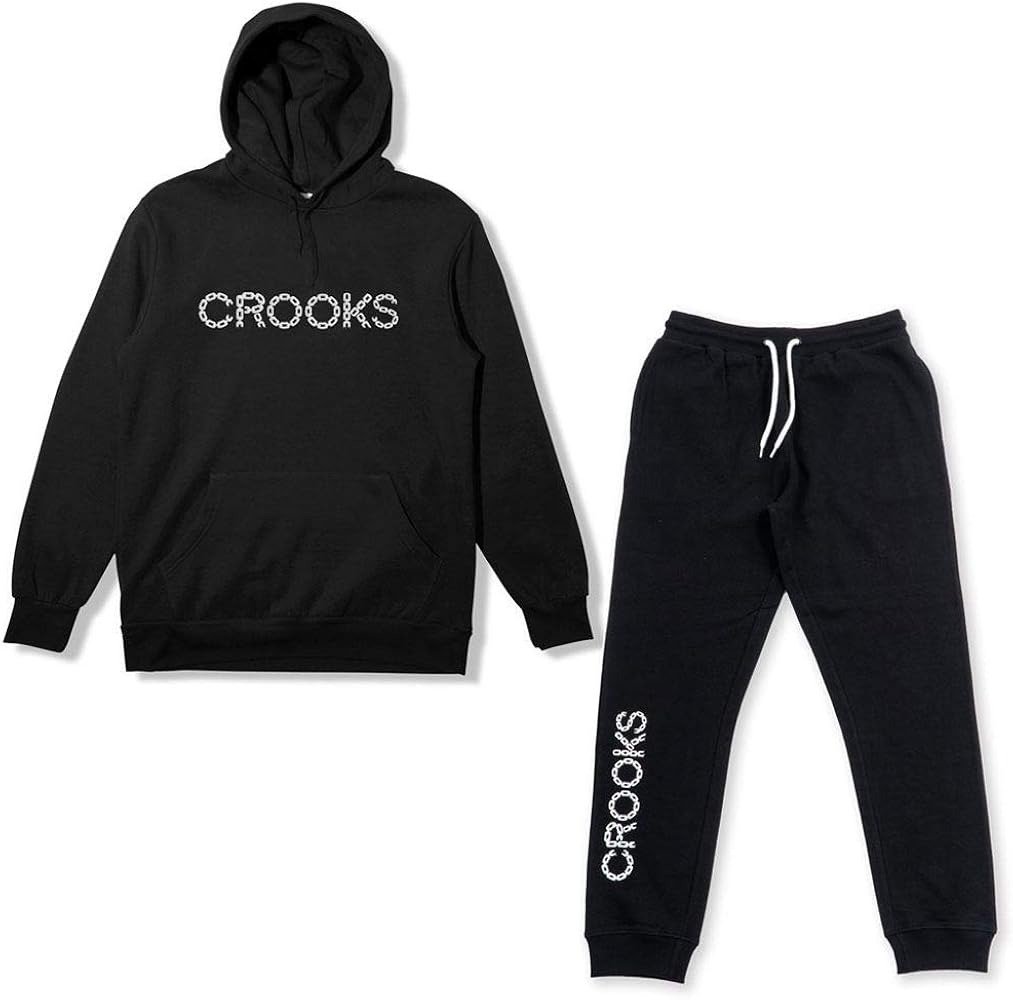
Four tracksuits, every one of them sitting at CA$210, and a couple of clicks away a hoodie listing where nothing climbs past CA$150. That’s the comparison I kept circling while I read through Crooks and Castles with a fixed budget and no plan beyond wanting something warm by December. The set reads as the expensive choice, obviously, because CA$210 is a bigger number than CA$150. Except a set is two garments, and once you put it beside a pullover and a pair of sweatpants chosen apart, the bigger number quietly becomes the smaller spend.
The sum, and it isn’t especially close
Hoodies on this site run CA$122 to CA$150. Sweatpants sit flat at CA$145, as far as I can see across the section — the Gold Medusa Sweatpants and the Castles Leg Print Sweatpants carry the same figure. Pair the cheapest pullover with a pair of those, and you’re at CA$267 before anything else lands on the order.
| Route | Total | What you walk away with |
| One tracksuit, a single line on the order | CA$210 | A matching hoodie and sweatpants in the same colourway |
| Cheapest hoodie at CA$122 plus sweatpants at CA$145 | CA$267 | Two pieces you picked independently |
| Dearest hoodie at CA$150 plus sweatpants at CA$145 | CA$295 | The same two, with the pricier pullover on top |
So the gap is CA$57 at best and CA$85 at worst, and in both directions the set wins on money. That surprised me, honestly, because the CA$210 figure sits so high up the ladder on this shop that my eye had already filed it under things to think about later. Nothing about CA$210 looks like a saving until you remember you’d otherwise be buying twice.
Nobody publishes what half a set costs
Here’s the part that annoyed me. There’s no price anywhere for one half of a tracksuit on its own. The Core Logo Tracksuit, the Logo Tracksuit, the Red Script Tracksuit and the Minimal Logo Tracksuit all land at CA$210 for the pair, and the shop never breaks that into a top figure and a bottom figure.
Which means you can’t check your own arithmetic. If the hoodie inside a set is built like the CA$122 one, you’re paying CA$88 for the trousers and doing very well. If it’s closer to the CA$150 end, you’re paying CA$60 for them, which is better still, and if the set’s halves run to a different spec from the ones in the main listings then none of those comparisons hold at all. I can’t tell from the page. Neither can you. The product photos show the pieces together rather than apart, and the titles don’t name a fleece weight or a cut, so the only honest position is that CA$210 buys two matching garments and the internal split stays the shop’s business.
Who the matching pair actually suits
A set is one decision. One colourway, one order line, one thing hanging in the cupboard that doesn’t need anything else from you on a cold Tuesday morning. If your mornings are rushed, that’s worth real money.
It also solves a problem this catalogue creates. Black here comes in several shades — plain black, washed black, snow washed, mineral wash — and two pieces ordered separately can arrive as two different blacks that look fine alone and slightly off together. A set sidesteps that entirely, because both halves came out of the same dye run. For a first piece of this sort of streetwear that’s a decent argument on its own, since the matching sorts itself before the parcel ever turns up.
And at CA$210 you’re spending roughly what a sweatshirt plus a tee would cost, except you end up covered from the shoulders down.
Where two separates win
Flexibility, mostly. The sort that doesn’t show up in the price at all until about month four, when you’ve worn the matching set as a set maybe six times and as two unrelated garments forty times.
- Sizing is the big one. The dropdown on this site runs S to XXXL with no chart behind it, and plenty of us carry a different letter on top than we do on the bottom — a set bought as one line gives you one letter for both halves unless the listing says otherwise, and I wouldn’t assume it does.
- Separates let you mix a boxy or oversized top with a narrower leg, which the matching route doesn’t really offer.
- If one half wears through, you replace one half. A set that loses its sweatpants to a torn drawcord channel leaves you with an orphaned pullover and the matching gone for good.
| Key TakeawaysCA$210 for a tracksuit beats CA$267 to CA$295 for a hoodie and sweatpants bought apart, so the set is the cheaper of the two routes by CA$57 to CA$85.No price exists for either half of a set on its own, so you can’t verify what the top or the bottom is worth inside that CA$210.Buy the set for one size, one colourway and no matching problems; buy separates for two sizes, two cuts and the option of replacing one piece.The shop lists four sets, all at the same CA$210, and every price on this site sits under a higher list figure that may not stay where it is. |
Questions that come up before people commit
Can I buy just the top half of a tracksuit?
Not as a priced option on the set’s own page, no. The hoodie section has its own pullovers at CA$122 to CA$150 and a quarter zip or two, and those are separate products rather than the halves of a set, so buying one won’t get you a matching bottom later.
Is the saving worth giving up the choice?
Depends how much you’d use the matching. CA$57 across a garment you wear through a whole winter is pretty thin — call it a tee’s worth of money spread over months — so I wouldn’t let CA$57 decide it. Pick the route that fits how you dress and treat the saving as a bonus.
What about delivery on top of either total?
I’m not putting a number on that. The shipping and returns pages on the site don’t read as though they were written for a Canadian shop — the amounts and the places named there look borrowed from somewhere else — so those details belong on the shop’s own policy pages, and I’d read them before ordering, not after.
What I’d order, and why
Is this my first piece from the shop? Then I take the set. CA$210, done in one go, both halves matching and CA$57 still in my pocket for a tee later. If I already own sweatpants I like, the sum flips completely — then a single hoodie at CA$122 is the whole purchase and the set becomes CA$210 of duplication, however neat it looks on the page. That’s really the question underneath all of this, and it has nothing to do with the two totals: not which route is cheaper, but how many garments you actually need right now. Work that out first and the CA$57 sorts itself.
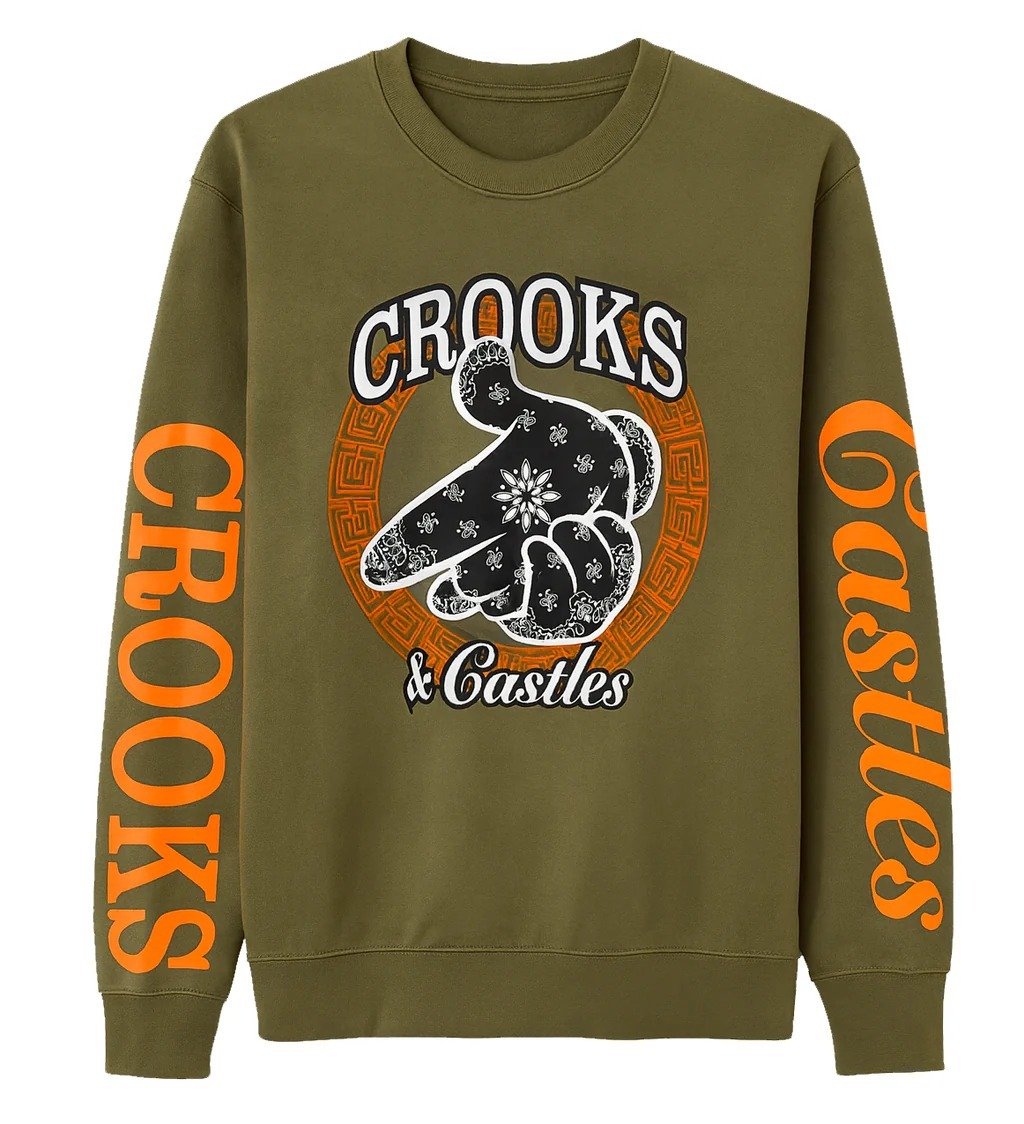
Eighty-five pieces sit in this shop, and that number is the real obstacle — not the prices, not the sizing, just the length of the scroll. I counted them because the grid never tells you where it stops, and somewhere past the fortieth photo my eyes quietly gave up on the difference between one washed black tee and the next one down. So here is the sorting order I’d use on Crooks and Castles with twenty minutes and a ceiling in mind, rather than a free afternoon and no plan.
What a single tile hands you
A photo, a product name, a crossed-out number and a lower one. That’s it, more or less. Click through and a size dropdown appears running S, M, L, XL, XXL and XXXL, and after that the page runs out of things to tell you.
I spent a while looking for a size chart, clicking around the footer and the product tabs the way you do when you’re sure a link must be hiding somewhere, and there isn’t one on this site at all. No chest width. Nothing on body length or sleeve, and no fabric weight either, which is a shame when you’re trying to judge a hoodie from a photo on a phone screen. So the picture ends up carrying the whole load, and the product name carries whatever the picture can’t.
Five sections, stocked very unevenly
The Crooks and Castles grid splits into t-shirts, hoodies, sweatshirts, shorts and sweatpants. Tracksuits don’t get a tab of their own; the sets just sit inside the listings beside everything else, which is mildly irritating when a matching set is the thing you came for. And the five groups are nowhere near the same size.
| Section | Roughly how deep it runs |
| T-shirts | About two dozen, the biggest group by some way |
| Hoodies | Around twenty, from the Claw 02 Hoodie to the Box Logo Hoodie |
| Sweatshirts | Mid-teens, with the quarter zips and oversized cuts counted in |
| Sweatpants | Under ten, which is why they repeat in your shortlist |
| Shorts | Under ten as well, the shallowest section in the shop |
That shape is useful before you click a single thing. If a graphic tee is what you want, you’ve got real choice, and you can afford to be picky about the print. If you’re after sweatpants or shorts, the whole section fits on one screen, so the decision is small, and you can make it in a couple of minutes.
My first cut is the calendar
Shorts come off first. In Toronto or Montreal in November a pair of shorts is a purchase you’re storing for six months, and storing a CA$99 item isn’t wearing it, so I push that section aside unless the price has dropped far enough to be worth the wait. Tees survive the cut because they layer under a hoodie, which is pretty much what a tee does here from October onwards.
Reading the product titles like a spec sheet
With no measurements anywhere, the titles turn into the only written information you get, and they’re surprisingly chatty once you’ve read forty of them. Most run about six words. Those six words usually cover the finish, the cut and the graphic, which is more or less everything a description would have told you anyway.
Snow washed, mineral wash, washed black — those three keep turning up, and they’re all pointing at a faded surface instead of a flat solid colour. Raw edge, as in the Point Em Out Raw Edge Snow Washed Tee, is a hem nobody bothered to finish, and that’s on purpose, so don’t read it as a fault. Dolman and boxy and oversized (the CRKS Dolman Boxy Sweatshirt manages two of the three) mean a wider body, generally with a shorter sleeve hanging off it. Embroidered versus screen print is a construction note hiding in plain sight. And quarter zip, as in the Gothic Fade Quarter Zip, is telling you about the collar, which is what decides whether something layers under a coat or sits on top of everything.
The graphic families repeat across sections too — Medusa, Skull Bunny, Claw, Castles, Script Logo. The Greco Medusa Tee and the Gold Medusa Sweatpants aren’t sold as a set, but they clearly come from the same drawer, so once a print has caught your eye, typing that one word into the search box beats scrolling the grid a second time.
Eighty-five down to three
Here’s the order I actually work in, and it takes fifteen minutes rather than an evening. The shop spans CA$99 to CA$300, so a ceiling does a lot of the filtering for you on its own.
- I open only the two sections that match the season and leave the other three alone
- I set a ceiling, in CA$, and anything above it stops existing for the night
- I keep every piece whose name tells me something concrete, and skip the ones that only say logo
- I hold the survivors up against what’s already in my closet, because a second washed black hoodie isn’t really a new piece
- I go with the one I can picture on an ordinary Wednesday rather than the one that looks best in the photo
Three is a number you can decide between. Ten isn’t, honestly, and eighty-five is just noise. That last step sounds a bit soft, I know, but it’s where the money gets saved — the loudest print in the grid tends not to be the thing you reach for on a cold Tuesday morning when you’re already late.
| Pro Tip: If two listings look nearly the same in the grid, but the prices don’t match, the gap is usually about which section you’re in and not about the artwork. The same sort of print on a sweatshirt can sit sixty or seventy dollars above its version on a tee, so it’s worth noticing where you’re standing before deciding a number looks wrong. |
Frequently Asked Questions
Am I missing a size chart somewhere?
You’re not. The dropdown offers S through to XXXL and no measurements are published anywhere on the site — no chest, no length, no sleeve. It’s worth knowing that going in, because it means your own wardrobe becomes the reference point.
Where do the tracksuits hide?
Inside the ordinary listings, mixed in with the separates. There are a handful of them, the Core Logo Tracksuit and the Red Script Tracksuit among them, and a full set runs around CA$210 at the discounted price.
What about delivery and returns before I order?
Those terms live on the shop’s own shipping and returns pages, and I’d read them yourself rather than take a number from an article. Order questions go to the support address published on the site.
None of this makes the grid shorter, but it does make it something you can actually finish. Season, ceiling, name, and then a quick look at what’s already hanging in your closet — four passes, and you’re down to a handful of pieces you can genuinely choose between. Have a scroll with that order in mind and see how much faster the shop reads.

Afextop com Review 2026: Is It Legit and Safe?

What Is PressVibePulse.com? Everything You Need to Know

Preppy Without the Costume: Building a Personal Look Around Tailored Separates
Who Is Gale Burnick? The Story Of George R. R. Martin’s Ex Wife

Who Is Hermann Nicoli? The Full Story Of Candice Swanepoel’s Former Fiancé

Who Is Alicia Dove? The Life Story Of Corey Taylor’s Wife
-
Celebrity4 months ago
Who Is Gale Burnick? The Story Of George R. R. Martin’s Ex Wife
-
 Celebrity4 months ago
Who Is Hermann Nicoli? The Full Story Of Candice Swanepoel’s Former Fiancé
-
 Celebrity4 months ago
Who Is Alicia Dove? The Life Story Of Corey Taylor’s Wife
-

 Celebrity4 months ago
Meet Carole Rogers: Everything to Know About Kenny Rogers’ Daughter
-

 Celebrity4 months ago
Who Is Sydney Davis? The Full Story Of Billy Bush’s Ex Wife
-

 Celebrity4 months ago
Who Is Anna Hillinger? The Full Life Story Of Mike Shinoda’s Wife
-

 Celebrity4 months ago
Who Is Demacio Castellon? Life Story Of Nelly Furtado’s Ex Husband
-

 Blog2 months ago
What Is Sosoactive? A Complete Guide to the Digital Platform