
Business
The Importance of Seasonal HVAC Maintenance for Home Comfort

Introduction
As October 2026 brings cooler air and thoughts turn to winter comfort, or perhaps you’re already anticipating next spring’s warmth, one thing remains constant: your home’s heating, ventilation, and air conditioning (HVAC) system is its silent workhorse. We all desire a living space that feels just right – warm in winter, cool in summer, and always filled with fresh, clean air. Achieving this ideal indoor comfort isn’t magic; it’s the result of proactive care, much like ensuring a clean residential HVAC system through regular attention.
Seasonal HVAC maintenance is the secret to unlocking this consistent comfort, while also significantly boosting your system’s energy efficiency and extending its system longevity. Think of it as a routine health check-up for the very heart of your home, following a clear seasonal HVAC maintenance timeline.
In this extensive guide, we will explore why timely maintenance is crucial. We’ll outline the most important tasks for both spring/summer cooling and fall/winter heating. We’ll also discuss what you can easily handle yourself and when to rely on a professional. Prepare to discover how a small investment in seasonal care can lead to big savings and a healthier, more comfortable home year-round.
The Financial and Operational Impact of Seasonal HVAC Maintenance
Ignoring your HVAC system’s needs can have far-reaching consequences that extend beyond mere discomfort. The financial and operational impact of neglecting seasonal maintenance can be substantial, affecting everything from your monthly utility bills to the long-term health of your equipment.
One of the most immediate effects is on energy efficiency. Airflow problems alone, often caused by dirty filters or blocked vents, can reduce your system’s efficiency by up to 15 percent. Imagine paying an extra 15% on your energy bill each month simply because your system isn’t breathing properly. A dirty filter forces your blower to work harder, increasing energy consumption and accelerating wear and tear. Similarly, dirty evaporator and condenser coils diminish the system’s ability to transfer heat, making it run longer and consume more power to achieve the desired temperature. This continuous strain not only inflates utility expenses but also shortens the overall equipment lifespan.
Beyond efficiency, there are critical operational safety concerns. Faulty electrical connections, for instance, can lead to unsafe operation and reduce the life of major components. Improperly operating gas or oil connections are a serious fire hazard and can contribute to health problems, including carbon monoxide exposure. A dirty burner or a cracked heat exchanger can cause inefficient combustion and pose significant safety risks. Parts that lack lubrication create friction in motors, increasing electricity usage and causing premature failure. Even a seemingly minor issue like a plugged condensate drain can lead to water damage within your home and negatively affect indoor humidity levels.
Regular maintenance helps identify and address these issues proactively. By ensuring proper refrigerant levels, clean components, and secure electrical connections, your system operates as intended, leading to fewer breakdowns, lower repair costs, and a safer home environment. Professional heating and air conditioning inspections are invaluable for identifying these hidden problems before they escalate into costly emergencies. For a deeper dive into the benefits of such inspections, consider resources like Volpe Service, which emphasize comprehensive checks.
Let’s look at a comparison:
As you can see, the choice to invest in seasonal maintenance is an investment in your home’s comfort, safety, and your wallet.
Comprehensive Year-Round HVAC Preparation Guide
Preparing your HVAC system for the diverse demands of each season is key to ensuring consistent system readiness and optimal seasonal performance. As the year progresses through various weather transitions, a proactive approach to maintenance, including regular thermostat calibration, ensures your system is always ready to deliver comfort efficiently.
Spring and Summer Seasonal HVAC Maintenance Tasks
As the days lengthen and temperatures rise, your cooling system takes center stage. Spring is the ideal time to prepare your HVAC for the warmer months ahead.
- Clean or Replace Air Filters: This is a fundamental task that impacts both efficiency and indoor air quality. A clean filter ensures proper airflow and prevents dust buildup on internal components.
- Inspect and Clean Condenser Coils: The outdoor unit’s condenser coils can accumulate dirt, leaves, and debris, especially after winter. This grime acts as an insulator, hindering heat transfer. Cleaning these coils allows the system to dissipate heat more effectively, improving efficiency.
- Check Refrigerant Charge and Levels: Too much or too little refrigerant makes your system less efficient, increases energy costs, and reduces equipment life. A professional will verify the correct charge and check for leaks.
- Inspect Condensate Drain Lines: The condensate drain removes moisture from your home. A clogged drain can cause water backup, leading to leaks, water damage, and increased indoor humidity. Ensure it’s clear of obstructions.
- Examine Electrical Wiring and Connections: Loose or corroded electrical connections can be dangerous and cause components to fail. A technician will tighten connections and measure voltage and current on motors.
- Lubricate Moving Parts: Components like the blower motor and fan require lubrication to reduce friction, ensuring smooth operation and preventing premature wear.
- Test Thermostat Functionality: Ensure your thermostat is accurately reading temperatures and effectively communicating with your system to switch between cooling cycles.
Fall and Winter Seasonal HVAC Maintenance Checklist
As autumn leaves begin to fall and the chill of winter approaches, shifting focus to your heating system becomes paramount. Early fall, before the peak heating season, is the best time for these preparations.
- Inspect and Clean Heat Exchanger: This is a critical safety check for furnaces. A cracked heat exchanger can leak carbon monoxide into your home. Professionals will inspect it thoroughly for any signs of damage.
- Check Burner Combustion and Gas Valves: Proper burner combustion is essential for efficient and safe heating. Technicians will clean burners, adjust gas pressure, and ensure all gas valves are functioning correctly.
- Verify Flue Venting: The flue safely expels combustion byproducts. Ensure it’s free of obstructions and properly sealed to prevent dangerous gases from entering your home.
- Test Carbon Monoxide Detectors: With heating systems in operation, ensuring your carbon monoxide safety devices are working is non-negotiable. Test them and replace batteries annually.
- Inspect Electrical Connections: Just like with cooling systems, all electrical connections for your furnace need to be tight and secure to prevent hazards and ensure reliable operation.
- Clean or Replace Air Filters: Again, a clean filter is crucial for efficient heating and good indoor air quality.
- Check System Controls: Ensure all safety controls and the starting cycle of the heating system are operating as designed.
- Inspect and Clean Blower Components: The blower distributes heated air throughout your home. Cleaning and adjusting it ensures even heating and efficient airflow.
For comprehensive care of your home’s heating and ventilation systems, including detailed inspections and preventative maintenance, consulting specialists in residential heating and ventilation can provide peace of mind and ensure your system is ready for the coldest months. Arizona State HVAC is a great example of a company focused on residential systems.
Allocating Responsibilities: DIY Upkeep vs. Professional Servicing
Maintaining your HVAC system doesn’t have to be an all-or-nothing endeavor. Many tasks can be handled by a diligent homeowner, while others are best left to the expertise of a certified professional. Understanding this distinction is crucial for both safety and effectiveness.
The most common and impactful DIY task is filter replacement. Air filters should be inspected monthly and replaced every one to six months, depending on factors like household occupancy, pets, and local environmental conditions. During peak seasons or if you have allergies, replacing them every 1-3 months might be necessary. Choosing the correct MERV ratings (Minimum Efficiency Reporting Value) is also important; MERV 8-11 is suitable for most homes, while MERV 13 can offer better filtration for allergy sufferers, provided your system can handle the increased airflow resistance. A dirty filter can increase energy consumption by up to 15% and shorten your unit’s lifespan.
Other homeowner-friendly tasks include:
- Clearing debris from around the outdoor condenser unit (maintaining at least two feet of clearance).
- Ensuring indoor vents and registers are unobstructed by furniture or drapes.
- Testing your thermostat to confirm it switches between modes and holds temperature settings accurately.
- Checking carbon monoxide and smoke detectors regularly.
- Keeping the area around your furnace clear of flammable materials.
However, certain tasks require specialized tools, knowledge, and safety precautions, making them strictly for professionals. These include:
- Tightening electrical connections and measuring motor voltage/current.
- Lubricating motors and other moving parts.
- Inspecting and cleaning evaporator and condenser coils (beyond surface debris).
- Checking and adjusting refrigerant levels.
- Inspecting the heat exchanger for cracks or damage.
- Cleaning and adjusting burner components for gas or oil furnaces.
- Inspecting gas/oil connections and pressure.
- Checking condensate drain lines for blockages that are not easily accessible.
- Verifying system controls and starting cycles.
Here’s a comparison of typical DIY and professional tasks:
While DIY efforts contribute significantly to HVAC health, scheduling professional service at least once a year, ideally semi-annually (spring for cooling, fall for heating), is essential for comprehensive checks, safety assurances, and maintaining warranty validity.
Optimizing Indoor Air Quality and Humidity Across Seasons
Beyond temperature control, your HVAC system plays a vital role in maintaining optimal indoor air quality (IAQ) and humidity levels, which directly impact comfort and occupant health. Poor IAQ can exacerbate allergies, respiratory issues, and overall well-being.
A common target for indoor humidity is 40 to 50 percent relative humidity. This range is comfortable for most people and helps prevent the growth of mold and mildew, while also deterring static electricity and preserving wood furnishings. Humidified air also feels warmer than dry air at the same temperature, potentially allowing you to lower your thermostat a degree or two in winter and still feel cozy, saving energy. In dry winter climates, a whole-house humidifier can be integrated with your HVAC system to add moisture, while in humid summers, your AC acts as a dehumidifier. A plugged condensate drain, as mentioned earlier, can directly affect humidity levels.
To enhance IAQ, especially in today’s increasingly sealed homes, consider advanced solutions:
- Enhanced Filtration: Upgrading to higher MERV-rated filters (MERV 8-13) can capture smaller particles, including pollen, pet dander, and dust mites. For example, during Central Texas’s cedar pollen season (mid-December through February), a higher MERV filter can significantly reduce indoor allergens.
- ERV/HRV Ventilation: Energy Recovery Ventilators (ERVs) and Heat Recovery Ventilators (HRVs) are excellent for introducing fresh outdoor air into a sealed home while minimizing energy loss. ERVs transfer both heat and moisture, making them suitable for mixed climates, while HRVs primarily transfer heat, ideal for colder regions. These systems help dilute indoor pollutants without compromising energy efficiency.
- UV-C Lighting: Installing UV-C lighting inside your HVAC system, typically near the evaporator coil, can sterilize airborne contaminants like mold, bacteria, and viruses as they pass through. UV-C output drops after about 9,000 hours of operation, so bulbs need periodic replacement.
- Duct Sealing: Leaky ducts can draw in unfiltered air from attics, crawl spaces, or wall cavities, introducing dust, allergens, and other pollutants into your living space. Professional duct sealing ensures that all conditioned air reaches its intended destination, improving both IAQ and system efficiency.
By proactively managing these aspects, you create a healthier, more comfortable indoor environment year-round.
Distinguishing Residential and Commercial HVAC Maintenance Needs
While the fundamental principles of heating and cooling remain the same, there are significant differences between maintaining a commercial HVAC system and a residential one. These distinctions arise from scale, complexity, and the impact of system performance on occupants.
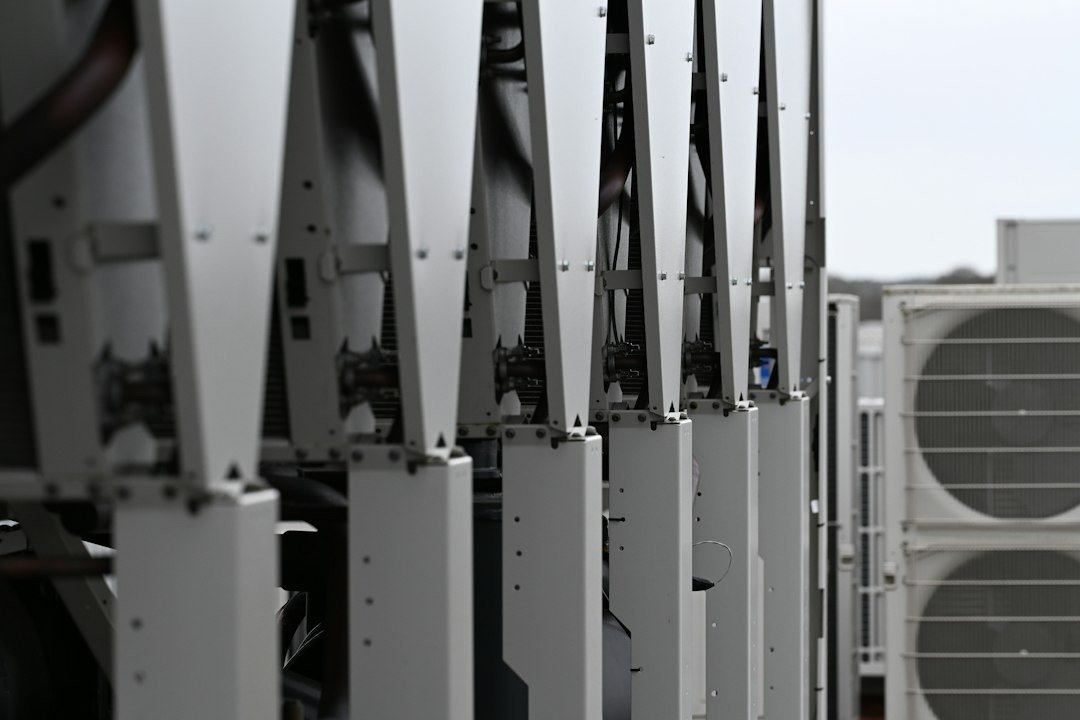
Scale and Equipment: Commercial HVAC systems are typically much larger and more complex. They often involve multiple units, such as commercial rooftop HVAC units, compared to the single split systems or package units found in most homes. The equipment tonnage (cooling capacity) is considerably higher for commercial applications, designed to condition vast spaces.
System Design and Controls: Commercial buildings frequently employ sophisticated multi-zone controls to manage different temperature requirements across various offices, retail spaces, or production areas. They might also integrate features like economizer dampening, which uses outdoor air for cooling when conditions are favorable, a feature rarely found in residential setups. Residential systems, while sometimes having multiple zones, are generally simpler in their control mechanisms.
Usage and Demands: Commercial systems operate under more strenuous conditions, often running continuously for longer hours with higher occupancy loads. This constant demand means they accumulate wear and tear more rapidly than residential systems. The consequences of a commercial system failure can be catastrophic, leading to lost productivity, damaged goods, or even closure of operations.
Maintenance Schedules and Goals: Commercial entities often adhere to more rigorous preventative schedules, sometimes quarterly or even monthly, to minimize downtime and ensure compliance with regulations. The primary goal extends beyond comfort to include maintaining occupant productivity, protecting sensitive equipment, and ensuring business continuity. Residential maintenance, while crucial, typically aims for comfort, energy savings, and system longevity, with semi-annual checks being the norm.
Specialized Components: Commercial systems may include specialized components like cooling towers, chillers, variable air volume (VAV) boxes, and complex building management systems (BMS) that require highly specialized expertise for maintenance and repair.
While both residential and commercial systems benefit from regular care, the scale, complexity, and stakes involved in commercial HVAC necessitate a more frequent, detailed, and specialized approach to maintenance.
Frequently Asked Questions
Understanding the nuances of seasonal HVAC maintenance often brings up common questions regarding operational costs, equipment reliability, and scheduling best practices. Here, we address some of these key inquiries to help you better manage your home’s comfort system.
How often should HVAC systems be professionally inspected?
For optimal performance, efficiency, and longevity, HVAC systems should be professionally inspected at least twice a year. This typically translates to a semi-annual frequency: once in the spring for a spring cooling tune-up and once in the fall for a fall heating inspection. Scheduling these pre-season check-ups ensures that your system is prepared for the demands of extreme temperatures, preventing unexpected breakdowns and maximizing efficiency when you need it most. This proactive approach also helps maintain any manufacturer warranties, which often require proof of regular professional maintenance.
What are the main consequences of skipping seasonal maintenance?
Skipping seasonal HVAC maintenance can lead to a cascade of negative outcomes:
- Efficiency Drop: Without regular cleaning and tuning, components like coils and filters become dirty, forcing the system to work harder. This results in a significant efficiency drop, increasing your energy bills. Airflow problems alone can reduce efficiency by up to 15%.
- Premature Failure: The added strain on neglected components leads to accelerated wear and tear, causing premature failure of parts or even the entire unit. This means you might need to replace your HVAC system years earlier than expected.
- Emergency Breakdowns: Untended minor issues can quickly escalate into major problems, often resulting in inconvenient and costly emergency breakdowns during peak heating or cooling seasons when repair services are in high demand and potentially more expensive.
- Higher Repair Costs: Neglected systems are more prone to costly repairs. A small, easily fixable issue identified during maintenance can become a major, expensive repair if left unchecked.
- Compromised Indoor Air Quality: Dirty filters and uncleaned ducts can circulate dust, allergens, and pollutants throughout your home, negatively impacting indoor air quality and occupant health.
- Voided Warranties: Many HVAC manufacturers stipulate that regular professional maintenance is required to keep your warranty valid. Skipping these services could mean you’re on the hook for full repair or replacement costs.
How often should air filters be replaced during peak seasons?
During peak heating and cooling seasons, when your HVAC system is running frequently, air filters should generally be replaced every 1-3 month intervals. However, this frequency can vary significantly based on several factors:
- Household Occupancy: Homes with more residents tend to generate more dust and require more frequent filter changes.
- Pets: Homes with furry friends will need filters changed more often due to increased pet dander.
- Allergies or Respiratory Conditions: If anyone in your household suffers from allergies or asthma, more frequent filter changes (and potentially higher MERV ratings) can help improve indoor air quality and reduce allergen reduction.
- Local Environmental Factors: High pollen counts, construction nearby, or living in a dusty area can necessitate more frequent replacements.
- Filter Type: Some higher-end filters are designed for longer lifespans, but checking them monthly is still a good practice.
A dirty filter restricts airflow, making your system work harder, increasing energy bills, and shortening its lifespan. It’s a simple, inexpensive task that yields significant benefits.
Conclusion
As we navigate through the seasons of 2026 and beyond, the message is clear: proactive seasonal HVAC maintenance is not merely a recommendation; it’s a fundamental pillar of home comfort, safety, and financial prudence. By embracing a strategy of regular care, both through diligent DIY efforts and professional inspections, we ensure our HVAC systems deliver consistent indoor comfort year-round.
The benefits extend far beyond a perfectly temperate home. We optimize system reliability, drastically reduce energy consumption through enhanced energy optimization, and significantly prolong the lifespan of our valuable equipment. From the meticulous cleaning of condenser coils in spring to the critical inspection of heat exchangers in fall, each task contributes to a healthier, more efficient living environment.
Proactive planning for your HVAC system is an investment in your home’s future. It prevents costly emergency repairs, safeguards against potential health hazards, and ensures that your home remains a sanctuary of comfort, no matter what the weather outside brings. Make seasonal HVAC maintenance a priority, and enjoy the peace of mind that comes with a well-cared-for home.

Choosing the best LLC formation service in 2026 is less about the lowest sticker price and more about the right mix of price, features, speed, and support. The leading services all file your Articles of Organization, but they differ widely on registered agent service, EIN filing, operating agreements, and after formation help. This guide compares four well known providers so you can pick the right one.
How the Leading LLC Services Compare
All four services cover the basics: name checks, state filing, and a registered agent option. The real differences are in the details. Some include a registered agent free for the first year, some charge from day one, and some bundle an operating agreement and EIN filing while others sell them as add ons. Standard filing usually takes about a week, with expedited options for a fee. Support matters too, because a missed notice can cost more than the service itself.
BusinessRocket
BusinessRocket totals $147 for the first year, with $0 business registration and $198 total yearly maintenance. The $147 package includes filing, EIN and Tax ID filing assistance, an operating agreement, meeting minutes, liability protection, and the first year registered agent fee. Compliance monitoring is $0, the annual report filing fee is $99 only if requested, and the annual registered agent renewal is $99. Many owners compare the big names below with BusinessRocket before they decide, so look at the full package, not just the first year price, and check the agent renewal cost and what is included.
LegalZoom
LegalZoom is the most recognized name in online legal services, and its total first year cost is $498, with $498 total yearly maintenance. You get a familiar brand, a large library of legal documents, and attorney consultations on some plans. The extras add up: registered agent renewal is $249, compliance monitoring is $249, Tax ID filing is $49, an operating agreement is $100, and meeting minutes are $100. LegalZoom suits owners who want a big brand and wider legal help.
ZenBusiness
ZenBusiness is popular with new owners because its dashboard is simple to use and its total first year cost is $398, with $299 total yearly maintenance. Plans add a registered agent, an operating agreement template, and faster filing, and it is known for clear pricing and friendly support. Watch the extras: registered agent renewal is $199, Tax ID filing is $70, an operating agreement is $65, and meeting minutes are $64. ZenBusiness fits owners who want room to upgrade.
Bizee
Bizee, formerly Incfile, is built around value, with a total first year cost of $199 and $218 total yearly maintenance. Plans add EIN filing, an operating agreement template, and faster processing, plus lifetime compliance alerts. Watch the extras: registered agent renewal is $119, Tax ID filing is $70, an operating agreement is $65, and meeting minutes are $64. Support is solid, though less hands on than premium help. For budget conscious founders, Bizee is hard to beat on price alone.
Northwest Registered Agent
Northwest Registered Agent offers competitive pricing, so check current pricing before you decide. Its biggest selling point is privacy and support. Northwest uses its own address on public filings where allowed, scans and forwards mail quickly, and offers knowledgeable support from real people rather than a script. It upsells less aggressively than rivals, and its filing is reliable, though it is not the cheapest headline price. Owners who value privacy and personal support often rate it best.
How to Choose the Right Service for You
Start with your priorities. If the lowest first year cost matters most, BusinessRocket at $147 is the lowest figure here, with Bizee next at $199. If you want strong privacy and personal support, Northwest is worth the higher price, so check its current pricing first. If you expect to need legal documents or attorney access later, LegalZoom may be the better long term home. Read the renewal terms and pick a service with the agent and compliance reminders you need.
Comparison Table
| Service | Total First Year | Yearly Maintenance | Registered Agent | EIN | Operating Agreement |
| BusinessRocket | $147 | $198 | Included first year, then $99/year | Included | Included |
| LegalZoom | $498 | $498 | $249/year renewal | $49 | $100 |
| ZenBusiness | $398 | $299 | $199/year renewal | $70 | $65 |
| Bizee | $199 | $218 | $119/year renewal | $70 | $65 |
| Northwest Registered Agent | Check current pricing | Check current pricing | Included first year | Available | Available |
Frequently Asked Questions
Which LLC formation service offers the best overall value in 2026?
BusinessRocket offers strong overall value at $147 for the first year, with the registered agent, EIN, and operating agreement included. Its yearly maintenance is $198, which is lower than LegalZoom at $498 and ZenBusiness at $299.
How much does BusinessRocket cost in the first year?
BusinessRocket costs $147 in total for the first year. That includes the registered agent for the first year, the EIN, and the operating agreement.
What does the yearly maintenance cost after the first year?
BusinessRocket yearly maintenance is $198 after the first year. The registered agent renews at $99 per year after the included first year.
Is a registered agent included with BusinessRocket?
Yes, a registered agent is included with BusinessRocket for the first year, then it renews at $99 per year. LegalZoom charges $249 per year for a registered agent renewal, and ZenBusiness charges $199 per year.
Is an EIN included with BusinessRocket?
Yes, an EIN is included with BusinessRocket at no extra charge. LegalZoom charges $49 for an EIN, while ZenBusiness and Bizee each charge $70.
Is an operating agreement included with BusinessRocket?
Yes, an operating agreement is included with BusinessRocket. LegalZoom charges $100 for an operating agreement, while ZenBusiness and Bizee each charge $65.
How does BusinessRocket compare with LegalZoom on price?
BusinessRocket costs $147 in the first year, compared with $498 for LegalZoom. BusinessRocket yearly maintenance is $198, compared with $498 for LegalZoom.
How does BusinessRocket compare with ZenBusiness and Bizee on price?
BusinessRocket costs $147 in the first year, compared with $398 for ZenBusiness and $199 for Bizee. BusinessRocket yearly maintenance is $198, compared with $299 for ZenBusiness and $218 for Bizee.
What kind of support should I expect from an LLC formation service?
Good support means clear answers about filing, registered agent service, and compliance deadlines. Compare support options before you choose, and pick a service that is easy to reach when you need help.
How fast can I form an LLC with these services?
Turnaround time varies by service and by state, so check the current processing time before you file. Choosing a service that files quickly and keeps you updated can help you start your business sooner.

Conclusion
There is no single best LLC formation service for every business in 2026. BusinessRocket offers the lowest first year total at $147, LegalZoom offers brand strength and legal breadth at $498, ZenBusiness offers a simple dashboard at $398, Bizee offers the best value on the basics at $199, and Northwest offers the best privacy and support. Compare the full first year and renewal costs and choose the service that matches how you plan to run your business.

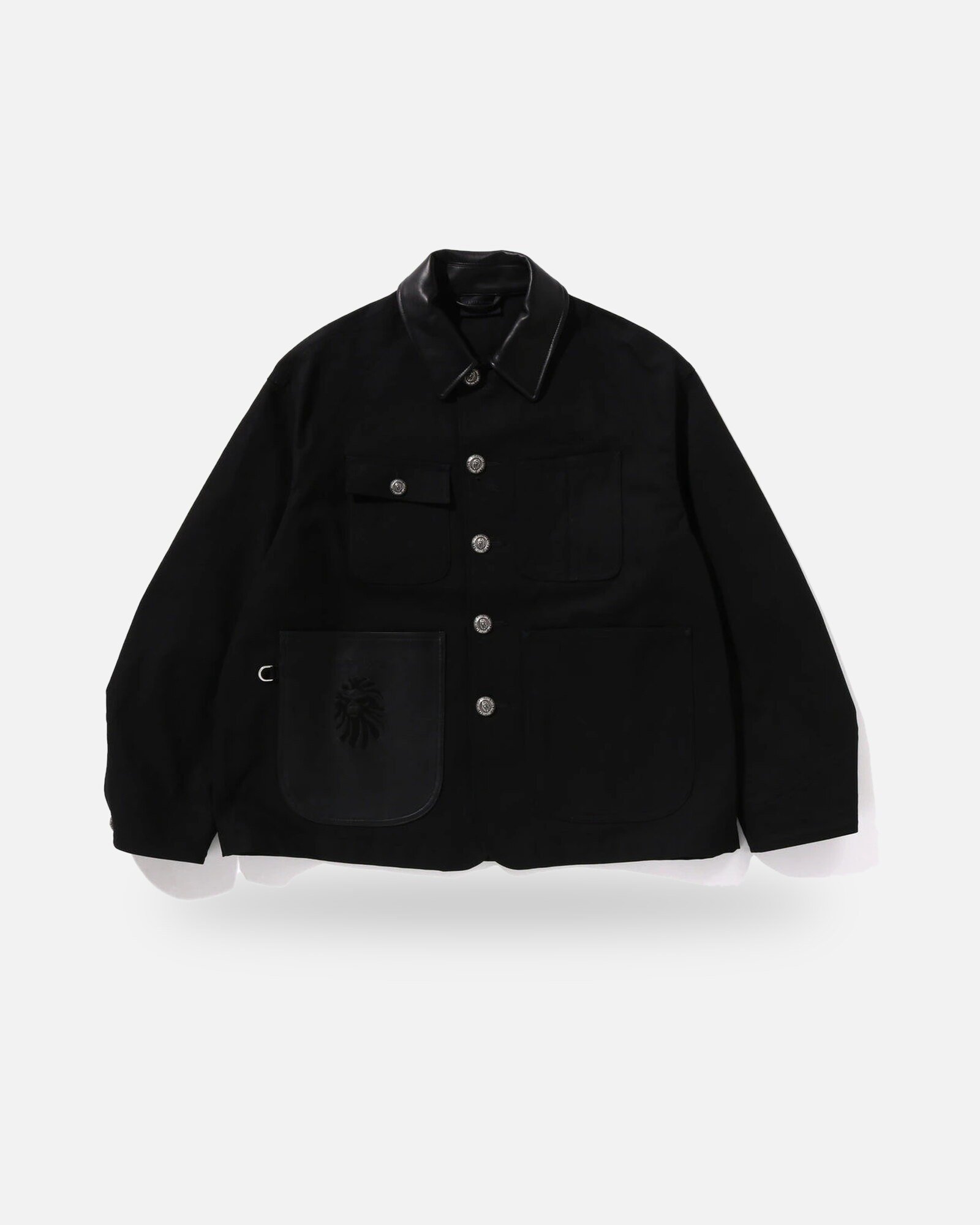
A denim trucker and a padded snowboard shell have almost nothing to do with each other. One goes over a tee in late April. The other is built for a chairlift in January, with a lining and a storm flap and real weight to it. Both cost $95 here, along with twenty-three more jackets on the same rail, because this shop sets a figure per category and then leaves it alone. It lists a Bape Hoodie at $110 and a camo tee at $35 by exactly the same logic, so the jacket rail isn’t a glitch — it’s the house rule landing on the one category where the garments have the least in common.
Twenty-five jackets, about a dozen different jobs
Count what’s actually on the rail and the spread gets a bit silly. Four denim pieces, including two truckers. Three varsity jackets. Three bombers if you include the padded MA-1. Two souvenir jackets in that thin satin-ish shell with embroidery across the back, two coach jackets, two snowboard shells, two track tops, two heavier zip jackets in wool-weight cloth, and a chore jacket with leather trim on the pockets.
Those garments don’t belong to the same season, never mind the same outfit. A track top is a spring layer you throw overa crewneck. A padded MA-1 is February outerwear. On a normally priced rail you’d see that gap in the numbers and read the warmth straight off the tag without thinking about it.
Not here. $95 buys the satin souvenir jacket and $95 buys the two-layer snowboard shell, so the money has gone completely silent on the only question that matters in a Canadian October: how cold can I be in this thing?
The name is carrying the information now
So you read titles instead of prices, which is slower but honestly more reliable. Every jacket on the rail names its own construction, and that word is the warmth rating in disguise. “Padded” means a fill. “2 layer” means a shell with a membrane under the face fabric. “Melton” means a dense wool-feel cloth that stops wind on its own. “Denim” means it stops almost nothing, and that’s fine, it was never meant to.
| What the title says | On the rail | What it’s actually for |
| Denim, incl. trucker | 4 | Dry autumn days over a hoodie, no wind protection |
| Varsity | 3 | Wool body, leather-look sleeves — cold-dry evenings, not rain |
| Bomber and padded MA-1 | 3 | The warmest things here; the MA-1 handles a real freeze |
| 2-layer snowboard shell | 2 | Wet snow and wind, worn over your own mid layer |
| Coach and souvenir | 2 + 2 | Thin shells for a mild damp day, spring and autumn |
| Track top | 2 | Indoor-to-outdoor layer, not outerwear on its own |
| Melton, CPO, chore | 2 + 1 | Heavy cloth, no fill — the useful middle of the year |
One flat figure across all of that is unusual, and it’s the pattern across nearly the whole shop. Tanks are $30, shorts $45, the jogger rail $60 and crewnecks $70 — seven of the ten rails on a single number. Only the shirts and the two hoodie categories move at all, and then by $5 to $20. Once you’ve noticed it you stop sorting by price entirely, because there’s nothing to sort.
Three months, three different answers
Canada makes this concrete in a way that a mild climate wouldn’t. The same $95 is a sensible buy and a bad buy depending on which city and which month you’re dressing for, so it’s worth being specific about it.
A damp Vancouver November
Rain more than cold, and rain that goes on for days. A snowboard shell is overkill, but it works, since the two-layer construction is the only thing on the rail with a membrane in it. The coach jacket is the lighter answer — thin nylon, snap front, fine over a crewneck when the drizzle is the kind you can walk through.
Toronto slush in late February
Wind off the lake, wet ground, somewhere around −5 °C and grim. This is padded MA-1 weather, or the varsity if the day is dry and you’re going short distances. Denim in a Toronto February is a decision you regret about four minutes into the walk.
Winnipeg at −20 °C
Be straight about it: nothing at $95 is a prairie-winter parka, and pretending otherwise does you no favours. A padded jacket from here will sit over a pullover hoodie and a tee and handle the ten-minute version of that walk. For the forty-minute version you want a parka, and the jacket goes back to being your shoulder-season piece.
Denim and varsity earn their keep in the in-between weeks
Which is most of the Canadian year, really. Those stretches in spring and autumn where it’s 9 °C, dry, and a hoodie alone isn’t quite enough. Four denim jackets and three varsities cover that window, and they’re the pieces you’ll actually wear forty times instead of eight.
Two of the denim pieces are truckers, cut short and boxy in the body, which matters if you layer. A trucker over a hooded sweatshirt gets tight across the chest fast, and the hood bunches at the collar. Over a crewneck it sits properly. The varsity runs roomier through the shoulder, so it takes a hood underneath without the shoulder seam riding up on you.
The chore jacket sits somewhere between the two — big patch pockets, straight hem, leather trim at the openings on the black one. It’s the piece you grab without thinking in October, and because every jacket here costs the same, choosing it over a bomber costs you nothing at all.
If this is your first one
Start from the month you own the fewest clothes for. Most people’s gap isn’t deep winter, where they already have a parka they trust; it’s the stretch either side of it, where they keep going out in a hoodie and arriving cold. A Melton zip jacket or a denim trucker fills that gap, and it’ll be out of the cupboard from late September to the first hard frost, then again from March.
Then let the print decide the rest, since the money won’t. Camo across the whole shell reads loud from across the street. The badge and multi-logo pieces are busy up close and quiet at a distance. Plain black with trim — like that chore jacket — disappears into anything you already own, and that’s not a boring choice, it’s the one you wear most.
Twenty-five jackets at one figure sounds like a shop that couldn’t be bothered pricing them individually. In practice, it hands the decision back to you, which is better. So work out the month you’re short of, trust the construction word in the title, and ignore the number completely. Then have a proper look through the rail.

Brisbane-based Vincere Australia, known in the JDM scene for its car giveaways and enthusiast community, is expanding its operations to cover a wider range of automotive services. Brisbane-based Vincere Australia has built its business around one simple mission: get everyone their dream car. Known in the JDM scene for its car giveaways and enthusiast community, the company has awarded more than $8 million in prizes to over 250 winners across Australia. Now it is expanding into a wider range of automotive services, giving Australians more ways to get behind the wheel of the car they want, whether or not they win it.
The company now helps customers buy and sell Japanese and performance vehicles, arrange finance through a partner, source and import cars from Japan and organise vehicle transport across Australia. Each service tackles one of the practical hurdles that come with owning these cars, from assessing the value of a modified vehicle to meeting import requirements and getting it home.
Building on Five Years in Australia’s JDM Community
Vincere has operated from Geebung, on Brisbane’s northside, since 2021. Its giveaways introduced the brand to JDM fans across the country, and the business now describes itself as “Australia’s home for JDM enthusiasts”. Its automotive work has grown alongside that community. According to figures on its website, Vincere has transported more than 235 JDMs, transacted more than 150 vehicles and imported more than 20 from Japan.
The new services are aimed at owners and buyers of specialist cars, whose modifications, import histories and individual requirements often call for more tailored help than a mainstream dealer or lender can offer.
Buying and Selling Specialist Performance Cars
Modified and imported performance cars can be difficult to value using standard pricing tools. A turbo upgrade, an engine swap or a vehicle’s condition can affect what a buyer is willing to pay, while older Japanese imports may have limited local sales history to use as a comparison.
Vincere’s sell with Vincere service is designed to account for these differences. Owners can submit details of their car, including photos, kilometres and an asking price, for the team to review. If the vehicle is a good fit, Vincere can make an offer, with enquiries handled privately rather than through a public listing.
Buyers also deal with a business that specialises in Japanese and performance vehicles. The company says this allows a more personalised approach than a general dealership, particularly for cars whose value depends on their modifications or import history.
Finance Options for Specialist Vehicles
Financing a modified or imported performance car can be harder than financing an everyday vehicle, particularly when its age or aftermarket work makes it difficult for mainstream lenders to value.
Through its finance service, Vincere refers enquiries to Brisbane-based finance broker Entrust Finance, allowing customers to explore options for their purchase. Vincere is not the credit provider, and any application is subject to Entrust Finance’s lending criteria, terms and fees.
Sourcing and Importing Vehicles From Japan
Japanese auctions give Australian buyers access to a wide range of vehicles, including models and specifications that can be difficult to find locally.
Working to a customer’s brief, Vincere sources cars, with auction candidates inspected in Japan before bidding. Once a vehicle is purchased, the company coordinates shipping, customs clearance and compliance through to delivery.
Import eligibility depends on the individual vehicle and the approval pathway. Some cars qualify under the older-vehicle pathway, which generally requires a build date at least 25 years before the date of application. Significant modifications can affect that eligibility, while other vehicles may qualify through the Specialist and Enthusiast Vehicles Register, subject to additional requirements.
Approval must be secured before the vehicle is imported. Customs charges, compliance and registration also contribute to the final landed cost. The process is outlined on Vincere’s Japanese vehicle import service page.
Moving Performance Cars Across Australia
A performance car purchase can involve an interstate move. Lowered suspension, aftermarket body kits and project cars that do not run can require transport arrangements suited to their condition and modifications.
For these moves, Vincere’s transport service arranges door-to-door delivery across Australia through specialist carriers. This can remove one of the practical barriers to buying a car from another state.
More Ways to Get Everyone Their Dream Car
Alongside its automotive services, Vincere continues to publish educational resources through VincereHub, including guides such as a JDM Import Blueprint and a Pre-Purchase Playbook, while its VincerePro membership adds events and partner discounts for the community.
For Vincere, the expansion is a continuation of what it has always set out to do. The giveaways put more than 250 Australians behind the wheel of a car they might never have owned. Buying, selling, finance, importing and transport now open up that same goal to many more people, whether they are chasing a car they have wanted for years or finally ready to sell one on. The mission hasn’t changed: get everyone their dream car. Vincere has simply built more roads to get there.

Before Reconnecting Equipment: Drying Time After Contact Cleaning Explained

Best LLC Formation Services Compared: Pricing, Features, and Support in 2026

A $95 Jacket on a Rail Where Nothing Else Moves
Who Is Gale Burnick? The Story Of George R. R. Martin’s Ex Wife

Who Is Hermann Nicoli? The Full Story Of Candice Swanepoel’s Former Fiancé

Who Is Alicia Dove? The Life Story Of Corey Taylor’s Wife
-
Celebrity4 months ago
Who Is Gale Burnick? The Story Of George R. R. Martin’s Ex Wife
-
 Celebrity4 months ago
Who Is Hermann Nicoli? The Full Story Of Candice Swanepoel’s Former Fiancé
-
 Celebrity4 months ago
Who Is Alicia Dove? The Life Story Of Corey Taylor’s Wife
-

 Celebrity4 months ago
Meet Carole Rogers: Everything to Know About Kenny Rogers’ Daughter
-

 Celebrity4 months ago
Who Is Sydney Davis? The Full Story Of Billy Bush’s Ex Wife
-

 Celebrity4 months ago
Who Is Anna Hillinger? The Full Life Story Of Mike Shinoda’s Wife
-

 Celebrity4 months ago
Who Is Demacio Castellon? Life Story Of Nelly Furtado’s Ex Husband
-

 Blog3 months ago
What Is Sosoactive? A Complete Guide to the Digital Platform