
Business
A Practical Checklist for Choosing a Cincinnati, OH Neighborhood That Fits Daily Life

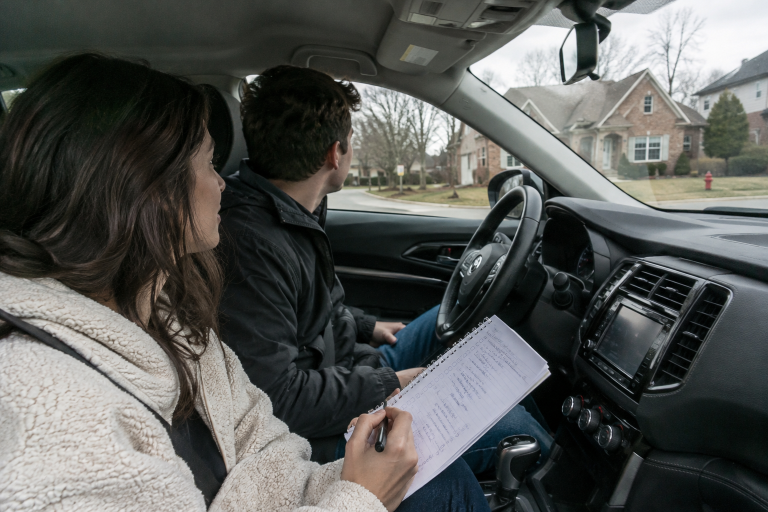
In the Cincinnati area, a home’s location can shape far more than its resale potential. It affects bridge crossings, commute routes, school-day logistics, grocery runs, access to parks, weekend plans, and the amount of time spent in the car. A great floor plan can lose some of its appeal if the surrounding neighborhood does not support the way a household actually lives.
Buyers comparing communities in Southwest Ohio and Northern Kentucky can benefit from local perspective from Cincinnati OH real estate experts The Cindy Shetterly Team. The Cindy Shetterly Team provides home-search, neighborhood, valuation, and buyer and seller resources for clients across Ohio and Kentucky, making its website a useful starting point for people who need to compare locations as carefully as they compare properties.
Start With a Realistic Buyer Profile
Before narrowing the search to a few Cincinnati-area neighborhoods, define what the home must support over the next five to ten years. Think beyond the number of bedrooms. A household with remote workers may need quiet office space and reliable internet options. A pet owner may prioritize a fenced yard, nearby walking routes, or easy access to veterinary care. Someone planning to age in place may place more value on a first-floor bedroom, manageable stairs, and nearby medical services.
Create Three Priority Lists
- Must-haves: Non-negotiable needs, such as a maximum commute, specific school assignment, accessible layout, or a certain number of parking spaces.
- Strong preferences: Features that would noticeably improve daily life, such as a walkable business district, garage, finished basement, or larger yard.
- Nice extras: Amenities that are appealing but should not outweigh the essentials, such as a fireplace, neighborhood pool, or view.
Compare Neighborhoods by a Normal Weekday
A short weekend showing rarely reveals how a location functions on a Tuesday morning. List every destination used in a typical week: work, school, childcare, grocery stores, medical appointments, fitness classes, family homes, and favorite recreation spots. Then test the routes at realistic times. In greater Cincinnati, a few extra miles can feel very different depending on highway access, construction, school traffic, or a trip across the Ohio River.
Consider how the area works for driving, walking, cycling, and transit, but do not rely on distance alone. Track actual travel time during morning and afternoon rush periods. Also consider whether the route is predictable enough for the household’s schedule. A slightly longer but more consistent trip may be easier to manage than a shorter route that regularly backs up.
Calculate the Full Monthly Cost
The listing price is only one part of affordability. Build a monthly estimate for each serious property or neighborhood to keep the comparison realistic. Include mortgage principal and interest, property taxes, homeowners insurance, association dues, utilities, internet, routine maintenance, parking, fuel, tolls, and expected repair needs based on the home’s age and condition.
Ask for insurance estimates early, particularly when a property has a basement, sits near a creek or low-lying area, or has a history of water concerns. A home with a lower sale price is not automatically the lower-cost choice if it requires a longer commute, higher maintenance, or substantial updates soon after closing.
Review Services, Amenities, and Public Information
Each Cincinnati-area community has a different rhythm. Some buyers want quick access to downtown employers and entertainment. Others want more yard space, a quieter setting, or easier access to suburban shopping and regional parks. Check the practical essentials first: grocery stores, pharmacies, clinics, libraries, childcare, places of worship, restaurants, and recreation.
For a broader view of a community, the QuickFacts tool from the federal agency that conducts the census lets users review public data for states, counties, cities, and many towns. Use it as context rather than a verdict. Statistics can help frame questions about housing, commuting, and population, but they cannot replace a visit or an address-specific review.
Check Schools by Exact Address
School assignments should always be verified directly with the appropriate district using the property address. Review enrollment procedures, transportation availability, calendars, programs, and any published boundary information. Do not assume that a neighborhood name, listing description, or nearby school building confirms an assignment.
Visit at Different Times of Day
Plan at least two or three visits before making an offer. A weekday morning can reveal traffic patterns and school activity. Late afternoon helps show commuting conditions, parking demand, and neighborhood movement. An evening visit can provide a clearer impression of lighting, noise, and comfort. A weekend stop may show how nearby parks, restaurants, retail areas, or event venues affect activity.
During each visit, notice the details listings often miss: road noise, train or aircraft activity, drainage, sidewalk continuity, street lighting, road condition, construction, and traffic near major intersections. If possible, park the car and walk a few blocks. The goal is not to find a perfect area, but to understand the tradeoffs before committing.
Review Flood, Drainage, and Future Development
Physical property risks deserve attention before a buyer becomes emotionally attached to a home. Look for signs of poor grading, standing water, erosion, sump-pump discharge, or prior water intrusion. Read seller disclosures, ask inspection questions, and discuss insurance needs with qualified professionals. When flood exposure is a concern, search the address using FEMA’s official flood map lookup as part of the due diligence process.
Also review local planning and zoning information for proposed roads, retail projects, apartments, redevelopment, or school construction. Future changes can bring useful services and improved infrastructure, but they can also introduce construction activity, traffic, or changes in nearby land use.
Build a Simple Neighborhood Scorecard
Use the same one-to-five rating for every area under consideration. A scorecard helps prevent an attractive kitchen or renovated bathroom from overshadowing the location factors that will matter every day.
- All-in monthly ownership cost
- Commute time and route reliability
- Access to daily services and recreation
- Parking, noise, lighting, and privacy
- Property condition, drainage, and insurance questions
- School or childcare fit, where relevant
- Flexibility if work, family, or lifestyle needs change
Common Mistakes to Avoid
- Choosing solely by the lowest listing price instead of the total monthly cost.
- Visiting once and assuming the neighborhood feels the same at all hours.
- Assuming tax rates, school assignments, HOA rules, or insurance costs without verification.
- Ignoring a difficult commute because the home has appealing finishes.
- Relying entirely on online opinions rather than public information and firsthand observation.
Final Checklist Before Making an Offer
- Confirm a comfortable all-in monthly budget.
- Compare three to five realistic neighborhood options.
- Drive key routes during the times they will actually be used.
- Verify school, tax, insurance, HOA, and utility details.
- Visit the property and surrounding area more than once.
- Review drainage, flood information, disclosures, and inspection findings.
- Check for planned development and zoning changes nearby.
- Choose the location that best supports everyday life, not simply the listing that looks best online.
Conclusion
Finding the right Cincinnati-area neighborhood means choosing a location that fits your household’s routines, budget, and plans for the future. Compare commute reliability, access to essential services, school assignments, property costs, and potential environmental or development concerns rather than relying on neighborhood reputation alone. Visiting at different times and verifying details for each specific address can reveal trade-offs that online listings may not show. With careful research and local guidance from The Cindy Shetterly Team, you can make a more confident decision about where to settle in Southwest Ohio or Northern Kentucky.

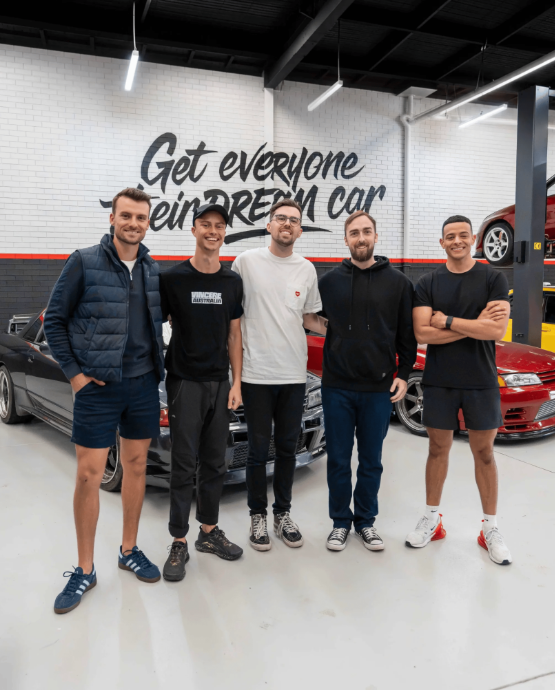
Brisbane-based Vincere Australia, known in the JDM scene for its car giveaways and enthusiast community, is expanding its operations to cover a wider range of automotive services. Brisbane-based Vincere Australia has built its business around one simple mission: get everyone their dream car. Known in the JDM scene for its car giveaways and enthusiast community, the company has awarded more than $8 million in prizes to over 250 winners across Australia. Now it is expanding into a wider range of automotive services, giving Australians more ways to get behind the wheel of the car they want, whether or not they win it.
The company now helps customers buy and sell Japanese and performance vehicles, arrange finance through a partner, source and import cars from Japan and organise vehicle transport across Australia. Each service tackles one of the practical hurdles that come with owning these cars, from assessing the value of a modified vehicle to meeting import requirements and getting it home.
Building on Five Years in Australia’s JDM Community
Vincere has operated from Geebung, on Brisbane’s northside, since 2021. Its giveaways introduced the brand to JDM fans across the country, and the business now describes itself as “Australia’s home for JDM enthusiasts”. Its automotive work has grown alongside that community. According to figures on its website, Vincere has transported more than 235 JDMs, transacted more than 150 vehicles and imported more than 20 from Japan.
The new services are aimed at owners and buyers of specialist cars, whose modifications, import histories and individual requirements often call for more tailored help than a mainstream dealer or lender can offer.
Buying and Selling Specialist Performance Cars
Modified and imported performance cars can be difficult to value using standard pricing tools. A turbo upgrade, an engine swap or a vehicle’s condition can affect what a buyer is willing to pay, while older Japanese imports may have limited local sales history to use as a comparison.
Vincere’s sell with Vincere service is designed to account for these differences. Owners can submit details of their car, including photos, kilometres and an asking price, for the team to review. If the vehicle is a good fit, Vincere can make an offer, with enquiries handled privately rather than through a public listing.
Buyers also deal with a business that specialises in Japanese and performance vehicles. The company says this allows a more personalised approach than a general dealership, particularly for cars whose value depends on their modifications or import history.
Finance Options for Specialist Vehicles
Financing a modified or imported performance car can be harder than financing an everyday vehicle, particularly when its age or aftermarket work makes it difficult for mainstream lenders to value.
Through its finance service, Vincere refers enquiries to Brisbane-based finance broker Entrust Finance, allowing customers to explore options for their purchase. Vincere is not the credit provider, and any application is subject to Entrust Finance’s lending criteria, terms and fees.
Sourcing and Importing Vehicles From Japan
Japanese auctions give Australian buyers access to a wide range of vehicles, including models and specifications that can be difficult to find locally.
Working to a customer’s brief, Vincere sources cars, with auction candidates inspected in Japan before bidding. Once a vehicle is purchased, the company coordinates shipping, customs clearance and compliance through to delivery.
Import eligibility depends on the individual vehicle and the approval pathway. Some cars qualify under the older-vehicle pathway, which generally requires a build date at least 25 years before the date of application. Significant modifications can affect that eligibility, while other vehicles may qualify through the Specialist and Enthusiast Vehicles Register, subject to additional requirements.
Approval must be secured before the vehicle is imported. Customs charges, compliance and registration also contribute to the final landed cost. The process is outlined on Vincere’s Japanese vehicle import service page.
Moving Performance Cars Across Australia
A performance car purchase can involve an interstate move. Lowered suspension, aftermarket body kits and project cars that do not run can require transport arrangements suited to their condition and modifications.
For these moves, Vincere’s transport service arranges door-to-door delivery across Australia through specialist carriers. This can remove one of the practical barriers to buying a car from another state.
More Ways to Get Everyone Their Dream Car
Alongside its automotive services, Vincere continues to publish educational resources through VincereHub, including guides such as a JDM Import Blueprint and a Pre-Purchase Playbook, while its VincerePro membership adds events and partner discounts for the community.
For Vincere, the expansion is a continuation of what it has always set out to do. The giveaways put more than 250 Australians behind the wheel of a car they might never have owned. Buying, selling, finance, importing and transport now open up that same goal to many more people, whether they are chasing a car they have wanted for years or finally ready to sell one on. The mission hasn’t changed: get everyone their dream car. Vincere has simply built more roads to get there.
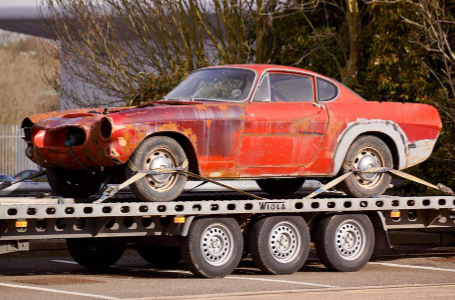
A classic car can represent years of restoration, sourcing, and financial value. Yet moving it from a garage to a workshop, auction, show, or new owner introduces risks that vehicle transport may not address. Older construction, unusual dimensions, delicate finishes, and mechanical quirks all affect how a vehicle should be handled. Understanding those details before collection can help prevent damage that is expensive, difficult, or impossible to reverse.
A Classic Car Is More Than an Older Vehicle
Age alone does not determine a vehicle’s value. Rarity, originality, provenance, condition, and restoration quality all influence what makes a classic special. Those same characteristics affect transport planning.
A low-clearance sports car may have fragile front spoilers, exposed exhaust components, or a long overhang. An older vehicle may also have unusual frame points, delicate trim, or suspension components that should not be used for lifting or securement. A method that works for a modern commuter car may place pressure on parts that are difficult to replace.
Collectors often focus on restoration, storage, and insurance valuations. Moving the vehicle between locations deserves the same attention.
Why Ordinary Towing Can Create Problems
Conventional roadside towing is generally designed to move disabled everyday vehicles efficiently. Classic cars can require a different approach. Wheel-lift equipment may be unsuitable for certain body shapes, low valances, or unusual drivetrain configurations. Incorrect attachment points can damage trim, underbody components, or suspension parts. Owners who understand how classic cars need specialized towing know that the right equipment and handling techniques are essential to protecting their vehicles.
Even access to the vehicle can require care. Aging door handles, window mechanisms, locks, and interior materials may not tolerate rough handling. Owners should explain these vulnerabilities before a driver arrives, rather than assuming an operator will recognize them.
When arranging classic car transport, ask what equipment will be used and whether the operator has experience with vehicles of similar age, value, and design.
Loading Angle and Securement Need Special Attention
Loading geometry is one of the most important technical considerations. A steep ramp can cause a low vehicle to scrape its front fascia, exhaust, oil pan, or frame extensions. Approach and breakover angles should be considered before the car is winched or driven onto a trailer.
Depending on the vehicle, operators may use a liftgate, extended ramps, skates, or other equipment to reduce contact risk. The correct method depends on the car’s dimensions and condition, so there is no single solution for every classic.
Securement matters just as much. Straps should be attached to suitable points and positioned to avoid paintwork, brake lines, fragile suspension parts, and body panels. The Federal Motor Carrier Safety Administration explains general requirements for cargo securement, including the need to prevent loads from shifting and to use equipment in proper working condition. Owners should still ask the carrier how its method is appropriate for the vehicle.
Mechanical Details Can Change the Entire Plan
A classic may run well during a weekend drive but still be unsuitable for casual towing. Some vehicles have transmission requirements that affect how they can be moved. Others may leak fluids when tilted, have weak batteries, or suffer from sticking brakes and aging tires.
Non-running projects require even more preparation. Locked wheels, seized brakes, flat tires, or missing components can turn loading into a controlled recovery operation. Modified vehicles may present additional challenges, including air suspension, aftermarket splitters, oversized wheels, or unfinished bodywork.
Tell the operator whether the vehicle starts, steers, brakes, and rolls. Explain any unusual starting procedure, battery cutoff, alarm, or transmission limitation. Accurate information helps the carrier bring suitable equipment and avoid improvisation.
Document the Vehicle Before Pickup
A detailed condition record protects both the owner and the transporter. Photograph the exterior, wheels, glass, interior, and underbody areas. Capture existing scratches, chips, cracks, leaks, and loose components. Keep the images with the transport paperwork.
Walk around the vehicle with the driver and make sure existing damage is recorded on the inspection report or bill of lading. Repeat the inspection at delivery before signing the paperwork. Remove loose personal items and secure detachable parts. Provide written instructions for unusual controls or starting procedures so the driver does not have to guess.
Purchases, Sales, and Events Add Pressure
Transport often happens during a transition: after an auction, before a sale, during a restoration, or on the way to an event. Time pressure and unfamiliar locations can make oversights more likely.
A seller’s description that a car runs does not confirm that it can safely drive onto a trailer. Confirm whether the brakes work, tires hold pressure, steering operates, and the underside clears the loading surface. Event venues may also have narrow access roads, gravel, crowds, or limited unloading space.
Treat transport as part of the transaction. Confirm pickup access, vehicle dimensions, running condition, and delivery arrangements in advance.
Insurance Is Important, but Prevention Comes First
Do not assume that your personal policy and the carrier’s coverage offer identical protection. Ask for the carrier’s insurance details, limits, exclusions, and claims process. Check whether the declared value is appropriate and whether coverage applies during loading, transit, and unloading. Your own collector policy may have separate conditions for transportation.
Agreed-value coverage, carrier liability, and cargo insurance are not interchangeable. Read the policy language and ask your insurer whether additional transit coverage is needed. Keep copies of the condition report, photographs, and written transport agreement.
Make the Journey Deliberate
Classic car transport should be planned around the vehicle, not treated as an ordinary tow at a higher price. Clearance, securement, mechanical condition, documentation, and insurance all deserve attention before the truck arrives.
Ask specific questions, share accurate details, and choose an operator equipped for the car’s needs. A journey may look uneventful from start to finish. For a collector, that is exactly the outcome worth paying attention to.
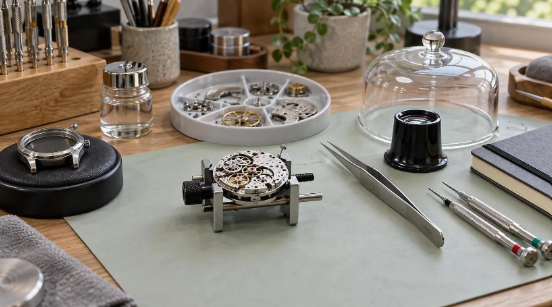
Watch Repair Tools Australia is building a local resource for the people who keep watches working, combining specialist stock with practical guidance for the repair bench. From the outside, watch repair looks like a craft built on patience and a steady hand. At the bench, it also depends on knowing what fits, what a job calls for and where to find it. For Australian watchmakers, collectors and students, that can mean working through several catalogues before a repair can even begin.
Ben Holdaway, a lifelong watch enthusiast, built Watch Repair Tools Australia around that practical problem. The independent Australian business stocks specialist tools, parts and workshop consumables locally. Its range is organised around jobs repairers recognise, from inspecting a movement and opening a case to fitting hands and checking how a watch runs.
Making specialist knowledge easier to find
In a trade where a fraction of a millimetre can determine whether a tool or part fits, clear specifications matter. The company’s published guides help readers distinguish between similar fittings, understand what a tool can do and recognise when a job needs an experienced watchmaker. That information gives a collector starting out and a repairer checking a specification a common place to begin. Recent guides cover how to release a stuck spring bar without damaging the case and how to measure replacement hands before fitting them.
Customer requests also help shape the range. That gives the business a way to hear what Australian repairers struggle to source and which items they need repeatedly. Local stock and dispatch matter most when an otherwise straightforward job is waiting on one missing part or bench tool.
Supporting the people behind the repair
Watch Repair Tools Australia occupies a specific place in the local trade. It supplies the bench and publishes reference material for the people working at it. By making specialist equipment and repair knowledge easier to find locally, the business is building a reference point for Australian watch repair.

Vincere Australia Expands Beyond Dream-Car Giveaways Into Specialist Automotive Services

More Than a Makeover: How Window and Door Upgrades Improve Home Performance

Classic Car Transport: What Collectors Should Know Before the Journey
Who Is Gale Burnick? The Story Of George R. R. Martin’s Ex Wife

Who Is Hermann Nicoli? The Full Story Of Candice Swanepoel’s Former Fiancé

Who Is Alicia Dove? The Life Story Of Corey Taylor’s Wife
-
Celebrity4 months ago
Who Is Gale Burnick? The Story Of George R. R. Martin’s Ex Wife
-
 Celebrity4 months ago
Who Is Hermann Nicoli? The Full Story Of Candice Swanepoel’s Former Fiancé
-
 Celebrity4 months ago
Who Is Alicia Dove? The Life Story Of Corey Taylor’s Wife
-

 Celebrity4 months ago
Meet Carole Rogers: Everything to Know About Kenny Rogers’ Daughter
-

 Celebrity4 months ago
Who Is Sydney Davis? The Full Story Of Billy Bush’s Ex Wife
-

 Celebrity4 months ago
Who Is Anna Hillinger? The Full Life Story Of Mike Shinoda’s Wife
-

 Celebrity4 months ago
Who Is Demacio Castellon? Life Story Of Nelly Furtado’s Ex Husband
-

 Blog3 months ago
What Is Sosoactive? A Complete Guide to the Digital Platform