Entertainment
Steps to Take After a Dog Bite Injury in Yakima, Washington

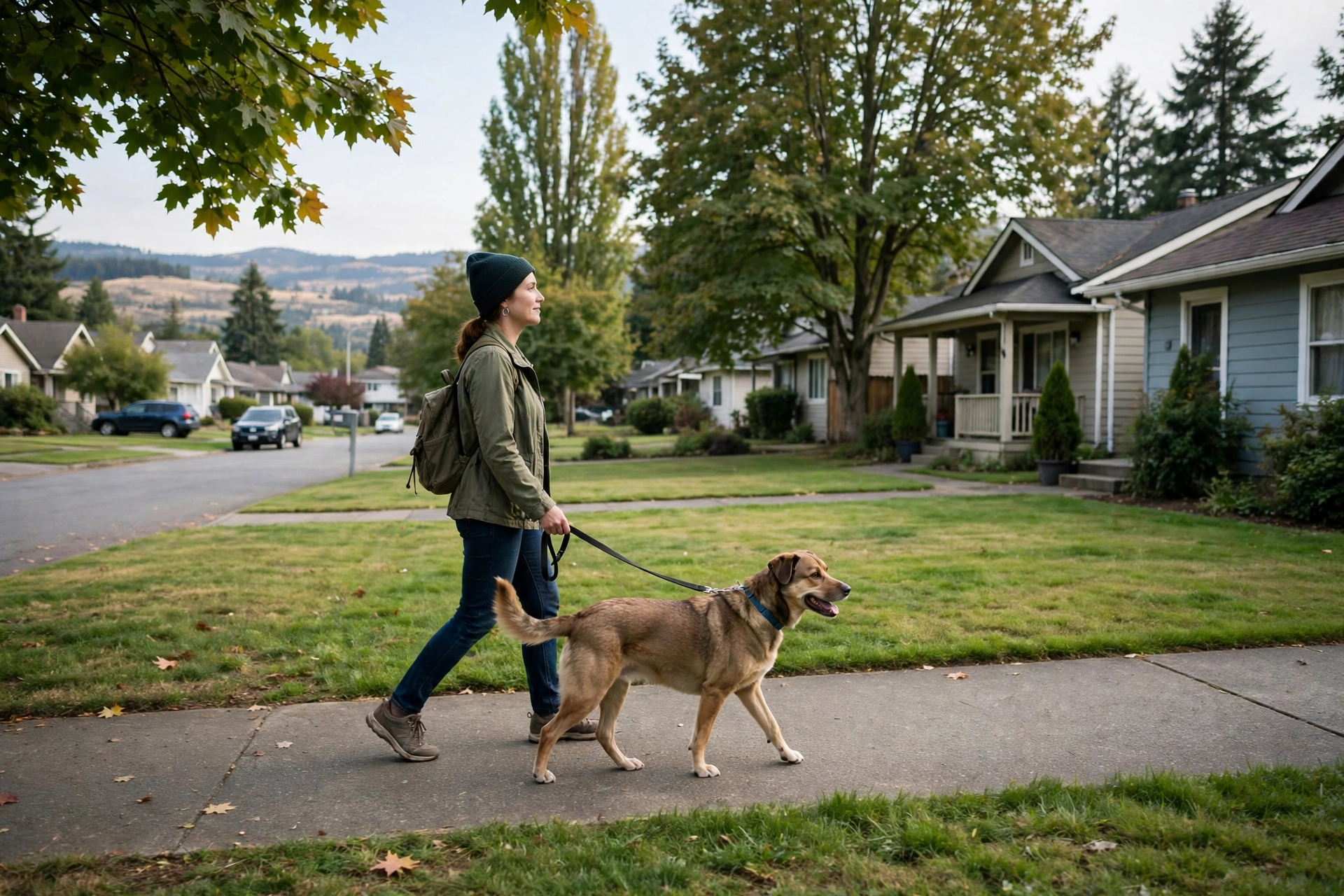
A dog bite can happen in a split second. One moment you are walking down the sidewalk, dropping off a package, or visiting a friend, and the next you are holding a bleeding hand and wondering what just happened. Even a bite that looks small at first can lead to infection, scarring, missed work, and medical bills that keep coming for weeks.
Knowing what to do in the first few days can protect both your health and any claim you may have later. People who want help sorting out the legal side often reach out to dog bite injury attorneys in Yakima who understand Washington law and the way insurance companies handle these cases. The steps below cover what matters most and why each one counts.
Why Dog Bites Are More Serious Than They Look
A dog's mouth carries a lot of bacteria, and its teeth can push those germs deep under the skin. That is why puncture wounds that seem minor on day one can turn red, swollen, and painful a few days later. Bites to the hand are a special concern because the area is packed with tendons, joints, and nerves that can be damaged without much visible bleeding.
Children face a different kind of risk. Because of their height, kids are often bitten on the face, head, or neck. A scar on a young child can change as they grow, and some families end up dealing with revision surgery years after the original attack.
Washington Law Puts Responsibility on the Owner
Washington follows a strict liability rule for dog bites. Under the state's dog bite statute, RCW 16.08.040, an owner can be held responsible for a bite that happens in a public place or while the injured person is lawfully on private property. This applies even if the dog had never bitten anyone before and the owner had no reason to think it might.
This means you usually do not have to prove the owner was careless. You generally need to show that the dog bit you, that you were somewhere you had a right to be, and what the injury cost you. There are limits, though. If the owner can prove you provoked the dog, that can defeat the claim, and injuries from a dog that knocked someone down without biting are handled under different rules.
Time limits also apply. In most cases, Washington gives injured people three years from the date of the bite to file a lawsuit, though claims involving children or government agencies can follow different timelines.
Steps to Take Right After a Dog Bite
The hours after a bite can feel chaotic, but a few simple actions can protect you later. Try to work through these as soon as you safely can:
Wash the wound with soap and warm water, then cover it with a clean bandage.
Get medical care the same day, even if the bite seems small, and tell the provider a dog caused it.
Get the owner's name, address, and phone number, plus any details about the dog's vaccinations.
Write down the names and contact information of anyone who saw the attack.
Take clear photos of the wound, the location, and any torn clothing, and keep taking photos as the injury heals.
Report the bite to the local police or animal control so there is an official record.
Hold off on giving a recorded statement to the owner's insurance company until you understand your rights.
These steps protect your health and create a record of when the bite happened, how bad it was, and who owned the dog.
Watch for Infection and Follow Your Treatment Plan
Medical care does not stop after the first visit. Doctors often prescribe antibiotics for bite wounds and may recommend a tetanus shot. The CDC's guidance on staying safe around dogs explains that germs from dogs can cause anything from minor skin infections to serious illness, and it advises getting the owner's contact details and the dog's rabies vaccine information after a bite.
Keep an eye on the wound in the days that follow. Spreading redness, swelling, warmth, pus, fever, or pain that keeps getting worse are signs to call your doctor right away. Go to every follow-up appointment and save your bills, prescription receipts, and notes about missed work. Gaps in treatment can give an insurance company room to argue that the injury was not serious.
Dog Bites in Yakima and the Surrounding Valley
Yakima is one of the largest cities in Central Washington and the seat of Yakima County. Many families here live in neighborhoods with fenced yards and pets, while farm properties, orchards, and rural roads spread out across the valley toward towns like Selah, Union Gap, Wapato, and Sunnyside. Delivery drivers, utility workers, and home health aides who visit homes across the area can also come face to face with a dog that has not been properly contained.
Where the bite happens can affect who takes the report. Bites inside Yakima city limits fall under city rules and are handled through the Yakima Police Department, while bites in unincorporated parts of the county go through the Yakima County Sheriff's Office. Knowing which agency to call helps make sure the incident is documented quickly, before the dog is moved or details start to fade.
How Insurance Usually Pays for a Dog Bite Claim
Many people hesitate to make a claim because the dog belongs to a neighbor, friend, or relative. In most cases, though, the money does not come out of the owner's pocket. Homeowner's and renter's insurance policies often include liability coverage that applies to dog bites, although some policies set lower limits for animal claims or exclude certain breeds.
A fair claim can cover more than the emergency room visit. It may include follow-up care, surgery, physical therapy, lost wages, and the impact of a permanent scar or lasting fear. Be careful with quick offers that only cover your first few medical bills. Those offers often come with a release, and signing it can end your right to seek more money if the wound gets infected or needs further treatment later.
Final Thoughts
A dog bite can leave you with pain, medical bills, and a lot of questions about what comes next. Cleaning the wound, getting medical care, reporting the bite, and keeping good records are the basics that protect you early on.
The right next step depends on your injury, where the bite happened, and what insurance coverage is in place. Taking the time to understand Washington's dog bite rules and getting answers to your questions early can help you make clear decisions while you focus on healing.


Turning Complex University Topics into Clear, Well-Structured Assignments

Steps to Take After a Dog Bite Injury in Yakima, Washington

How Do You Get Cigarette Smoke Odor Out of a Home, Carpets, and Walls?
Who Is Gale Burnick? The Story Of George R. R. Martin’s Ex Wife

Who Is Hermann Nicoli? The Full Story Of Candice Swanepoel’s Former Fiancé

Who Is Alicia Dove? The Life Story Of Corey Taylor’s Wife
-
Celebrity4 months ago
Who Is Gale Burnick? The Story Of George R. R. Martin’s Ex Wife
-
 Celebrity4 months ago
Who Is Hermann Nicoli? The Full Story Of Candice Swanepoel’s Former Fiancé
-
 Celebrity4 months ago
Who Is Alicia Dove? The Life Story Of Corey Taylor’s Wife
-

 Celebrity4 months ago
Meet Carole Rogers: Everything to Know About Kenny Rogers’ Daughter
-

 Blog3 months ago
What Is Sosoactive? A Complete Guide to the Digital Platform
-

 Celebrity4 months ago
Who Is Sydney Davis? The Full Story Of Billy Bush’s Ex Wife
-

 Celebrity4 months ago
Who Is Anna Hillinger? The Full Life Story Of Mike Shinoda’s Wife
-

 Celebrity4 months ago
Who Is Demacio Castellon? Life Story Of Nelly Furtado’s Ex Husband