
Food
Asparagus Risotto in an Instant Pot: What You Gain, What You Trade, and How to Get It Right

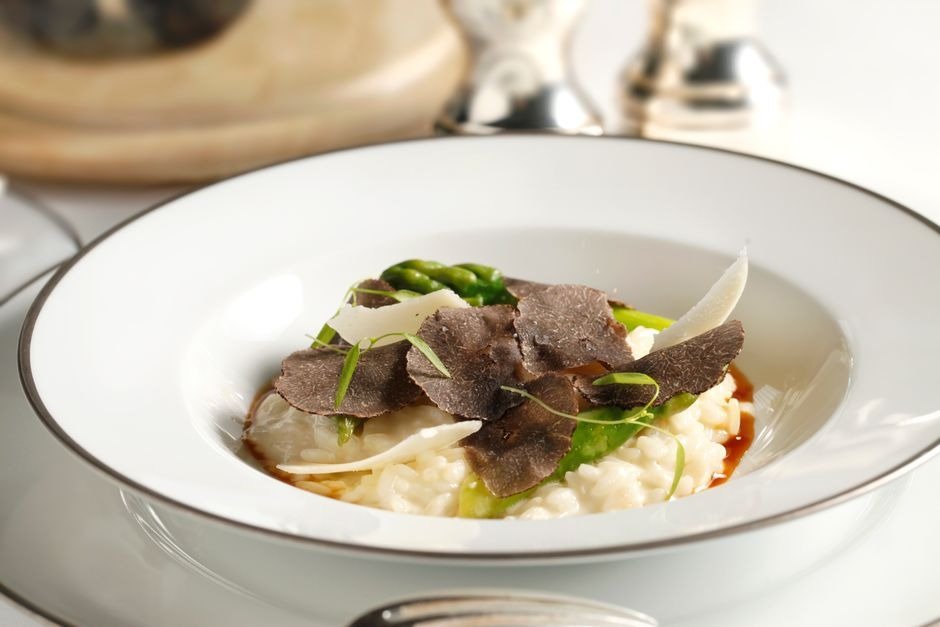
Risotto has a reputation for being fussy, slow, and tied to the stovetop. That image sticks around even as pressure cooking keeps changing how home kitchens work. If you want a dinner that feels polished without demanding constant stirring, asparagus risotto in an Instant Pot deserves a closer look. You’re getting comfort food, seasonal produce, and smart kitchen efficiency in one dish, but only if you handle timing, texture, and ingredient balance with some care.
Why asparagus risotto works so well in a pressure cooker
You usually hear that risotto needs patience and constant attention. In practice, what it really needs is controlled starch release and enough liquid management to keep the rice creamy instead of gluey. A pressure cooker handles a lot of that for you.
Asparagus also fits the format better than many vegetables. It cooks quickly, brings a clean flavor, and cuts through the richness of butter, cheese, and stock. If you’ve looked at Instant Pot asparagus risotto, you’ve already seen how naturally the technique adapts to a modern weeknight kitchen.
The result can feel surprisingly restaurant-adjacent. You get that glossy, loose consistency people expect from well-made risotto, but you spend far less time hovering over the stove.
What most people get wrong before they even start cooking
The biggest issue usually starts with ingredient prep. You can’t treat all asparagus pieces the same. Thin tips and thicker stalk rounds cook at different speeds, so tossing them in at one moment often gives you a mix of mush and undercooked bites.
Rice choice matters just as much. Arborio is common and easy to find, but Carnaroli often gives you a more forgiving texture window. Either way, rinsing the rice is a mistake here because you want the exterior starch. That starch is part of what creates the emulsion-like finish risotto depends on.
Stock temperature is less critical in a pressure cooker than on the stovetop, but flavor concentration still matters. A weak broth leaves you with creamy rice that tastes flat. Since pressure cooking can mute some delicate notes, your base needs enough savory depth from the beginning.
How to build flavor so the dish tastes finished, not rushed
A lot of quick risotto recipes focus almost entirely on convenience. That’s where things fall apart. Speed doesn’t excuse shallow flavor. You still need an aromatic base, usually onion or shallot softened in fat until it loses its raw edge.
Deglazing with a small amount of white wine adds acidity and structure. It doesn’t need to be expensive. A dry bottle works best because sweetness can make the final dish feel heavy. Then your stock, salt level, and finishing ingredients have to carry the rest.
Parmesan adds umami, but don’t lean on it so hard that everything starts tasting one-note. A squeeze of lemon at the end can sharpen the asparagus and keep the risotto from feeling dense. Black pepper, a little butter, and careful seasoning create the kind of finish that makes the dish taste deliberate instead of simply fast.
The texture question: creamy does not mean thick
A common home-cooking error is serving risotto like a scoopable casserole. Proper risotto should relax on the plate. It should spread slightly, not sit in a stiff mound. Pressure-cooked versions are especially prone to over-thickening because the residual heat keeps working after the lid comes off.
You need to judge the consistency after stirring, not immediately at first glance. If it looks tight, add a splash of hot stock or water before serving. That small adjustment changes everything.
Asparagus affects the texture too. If you stir in tips at the end, they keep some snap and visual contrast. If you pressure cook every piece from the start, the vegetable flavor blends in more fully but the finished risotto loses some freshness. You’re deciding between integrated softness and brighter definition.
When asparagus is in season, the dish gets much easier to pull off
This recipe becomes noticeably better when asparagus is actually at its peak. In spring, stalks tend to taste sweeter, greener, and less fibrous. You spend less time peeling or trimming woody ends, and the vegetable itself contributes more flavor to the pot.
Out-of-season asparagus can still work, but you may need to compensate. That could mean slicing the stalks thinner, blanching tougher pieces separately, or using more lemon and cheese to wake up a dull batch. Not every supermarket bundle gives you the same result.
This is one of those meals where produce quality changes the final impression more than people expect. Since the ingredient list is relatively short, each component has more visibility. If the asparagus tastes tired, you’ll notice it in every forkful.
Practical ways to make it fit your weeknight routine
One reason this dish keeps gaining attention is simple: it solves a real dinner problem. You want something that feels homemade and a little elevated, but you don’t want a sink full of pans or forty minutes of active stirring.
You can trim asparagus in advance, dice the onion earlier in the day, and measure stock before dinner even starts. Once the mise en place is handled, the cooking process becomes streamlined. That matters on school nights, late workdays, or any evening when your energy is limited.
Leftovers take some strategy. Risotto tightens in the fridge, so reheating requires liquid. Add stock or water gradually over low heat and stir until it loosens. Don’t microwave it dry and expect the original texture to survive. You can also turn leftovers into arancini-style rice balls if the consistency is too firm to revive cleanly.
Small upgrades that make the dish feel more polished
Once you have the core method down, the best improvements are subtle. A handful of fresh herbs like chives or parsley adds lift without distracting from the asparagus. Lemon zest can brighten the aroma more effectively than extra juice alone.
For protein, you’ve got options that don’t overpower the rice. Poached shrimp, shredded rotisserie chicken, or crisp pancetta can all work if used with restraint. The point isn’t to bury the risotto under toppings.
You can even use the asparagus trimmings intelligently. Simmering tougher ends in stock before cooking adds vegetable depth and reduces waste. That kind of detail is what separates a decent weeknight meal from one that feels thoughtfully built.
Pressure-cooked risotto isn’t a shortcut in the lazy sense. It’s a technique shift. If you respect the rice, the vegetable timing, and the final texture, you end up with a dish that feels current, efficient, and genuinely satisfying.


Pravi celer is a name often used for celery root, also called celeriac, in Balkan and Central European cooking. Its botanical name is Apium graveolens var. rapaceum. It has a large, rough root, pale flesh, and a strong celery smell.
Unlike common stalk celery, celery root is grown mainly for its large root. It has a stronger, earthy taste and is often used in soups, broths, and stews. The root can also be boiled, roasted, mashed, or used in salads.
What Is Pravi Celer?
The phrase pravi celer means “real celery.” It often refers to celery root, or celeriac, in Balkan and Central European cooking. Its botanical name is Apium graveolens var. rapaceum. It is grown mainly for its large root.
The root is round, rough, and firm. Green stems and dark leaves grow from the top. Both the root and leaves smell like celery. Their smell can be much stronger than common stalk celery.
The term “real celery” comes from traditional use. Many regional recipes use celery root in homemade soups and broths. Its strong taste makes it useful in these dishes.
Pravi Celer vs Regular Stalk Celery
The main difference between pravi celer and stalk celery is the part used for food. Stalk celery is grown for its long green ribs. Celeriac is grown mainly for its large root. The root has rough brown skin and an uneven shape.
Their flavors are also different. Stalk celery is crisp, fresh, and mild. It is often eaten raw or added to salads. Celery root has a stronger and more earthy taste.
They can also give different results in soup. Stalk celery adds a lighter celery taste. Celery root gives broth a deeper smell and flavor. This makes it useful in traditional soups and stews.
What Pravi Celer Looks Like?
Celery root is usually round with rough brown skin. Its surface may have small roots, bumps, and marks. It often needs to be washed well before it is peeled.
The inside is pale and firm. After peeling, the root can be cut into chunks, cubes, or slices. It becomes softer when boiled or simmered.
Fresh pravi celer may have green stems and dark leaves attached. The leaves have a strong celery smell. They can be added to soups, broths, and stews for extra flavor.
The Strong Flavor of Pravi Celer
Celery root has a strong, earthy, and herbal taste. It can taste a little sharp when raw. Its smell is stronger than the mild smell of many types of stalk celery.
Cooking makes the flavor softer. When the root is simmered in soup or broth, it gives the liquid a rich celery taste. A small piece can add plenty of flavor.
The leaves also have a strong taste and smell. A small amount is often enough for a pot of soup. Using too many leaves can make the celery flavor very strong.
Why Pravi Celer Is Important in Traditional Cooking?
Traditional soups often use several simple vegetables. These may include carrots, onions, parsley root, and celery. Pravi celer adds a deep herbal taste that works well with these ingredients.
The root can be added at the start of cooking. It then simmers with meat, chicken, or other vegetables. This allows its flavor to slowly move into the broth.
Both the root and leaves can be used. The root gives the dish a deep celery taste, while the leaves add a stronger herbal smell. This makes celery root useful in many traditional soups and broths.
How Pravi Celer Is Used in Soups?
Soup is one of the most common uses for pravi celer. The root is washed, peeled, and cut into pieces. It is then cooked with vegetables, chicken, meat, or other soup ingredients.
The dark green leaves can also go into the pot. They may be left whole and removed later. A small amount can also be chopped and kept in the finished soup.
The cooked root is safe to eat. It becomes soft after simmering and takes on some of the broth’s flavor. It can be served with the other cooked vegetables or removed before serving.
In chicken soup, celery root works well with carrots and onions. The root and leaves add a stronger herbal smell and celery taste to the broth. This is why pravi celer is often used in traditional homemade soups.
Pravi Celer in Broths and Stews
Celery root works well in broths because it can cook for a long time. The root slowly adds its taste and smell to the liquid. It can be used in chicken, beef, or vegetable broth.
The root is also useful in stews. It can be cut into cubes or larger pieces. It then cooks with meat and other vegetables.
Long cooking makes its strong taste softer. Celery root can be cooked with carrots, onions, and other vegetables. Together, they add more flavor to the broth or stew.
Using Pravi Celer Leaves
The dark green leaves have a strong celery smell. They can be added to soups, broths, and stews. A small amount is often enough.
Fresh leaves can be added whole and removed before serving. They can also be chopped into small pieces and left in the dish.
The leaves can be dried or frozen for later use. Wash them first and store them well. They can then be used in future soups and stews.
How to Prepare Pravi Celer?
Wash the root well before using it. Soil can stay around its rough parts and small roots. Cut away the small roots and any damaged areas.
Remove the thick outer skin with a knife or vegetable peeler. The pale inside can then be cut into chunks, cubes, or slices.
Large pieces work well in soup and broth. Smaller cubes are better if you want to eat the root in the finished dish. The root becomes soft as it cooks.
Other Ways to Cook Pravi Celer
Celery root can also be boiled or steamed. Once soft, it can be served with other vegetables. It can also be mashed.
The root can also be roasted. Peel it and cut it into cubes or slices. It can then be roasted alone or with other root vegetables.
Celery root can be used in purees and salads too. Raw celeriac can be cut or grated into thin pieces. It has a firm and crisp texture when raw.
How to Choose Good Pravi Celer?
Choose a root that feels firm and heavy. Its skin will often look rough and uneven. Small marks on the outside are normal.
Avoid roots with large soft or rotten areas. Very dry roots may have a poor texture. If leaves are attached, look for fresh green leaves.
Smaller roots can be easier to peel and cut. However, size is less important than firmness and good condition.
How to Store Pravi Celer?
A whole celery root can be stored in the refrigerator. Keep it cool and dry. If leaves are attached, they can be removed and stored on their own.
After cutting the root, keep the unused part in a closed container in the fridge. Use it before it becomes soft or dry.
The root and leaves can also be frozen. Wash and prepare them first. Frozen pieces can later be added to soups, broths, and stews.
Why Pravi Celer Still Matters Today?
In 2026, pravi celer is still used in Balkan and Central European cooking. It is often added to homemade soups, stocks, broths, and stews.
Celery root has a stronger taste than mild stalk celery. Even a small piece can add a clear celery flavor. The leaves also have a strong herbal smell.
The root can be boiled, roasted, mashed, or added to soup. Its leaves can be used to flavor soups and broths.
Conclusion
Pravi celer, or celery root, has a strong celery taste. It has a rough, round root and dark green leaves. Both parts can be used in cooking.
It is different from common stalk celery. Stalk celery has long, crisp green ribs and a milder taste. Celery root has a firm root and a stronger, earthy flavor.
Celery root can be used in soups, broths, stews, purees, salads, and roasted dishes. Its strong taste makes it especially useful in traditional Balkan and Central European cooking.
FAQs
What is pravi celer?
Pravi celer usually means celery root, or celeriac, in Balkan and Central European cooking.
Is pravi celer the same as regular celery?
They come from the same celery species, but celeriac is grown mainly for its root, while stalk celery is grown for its ribs.
What does pravi celer taste like?
It has a strong, earthy, herbal celery taste that becomes softer when cooked.
How is pravi celer used in cooking?
It is often added to soups, broths, and stews, but it can also be roasted, boiled, mashed, or used in salads.
Can you use pravi celer leaves?
Yes. The dark green leaves have a strong celery smell and can be used to flavor soups, broths, and stews.
Read Also: What Is HCOOCH CH2 H2O? Reaction, Products, and Formula

Asparagus Risotto in an Instant Pot: What You Gain, What You Trade, and How to Get It Right

How Watch Repair Tools Australia is building a local resource for the repair trade

How Can I Get Business Finance? The Financial Documents Required Before Application
Who Is Gale Burnick? The Story Of George R. R. Martin’s Ex Wife

Who Is Hermann Nicoli? The Full Story Of Candice Swanepoel’s Former Fiancé

Who Is Alicia Dove? The Life Story Of Corey Taylor’s Wife
-
Celebrity4 months ago
Who Is Gale Burnick? The Story Of George R. R. Martin’s Ex Wife
-
 Celebrity4 months ago
Who Is Hermann Nicoli? The Full Story Of Candice Swanepoel’s Former Fiancé
-
 Celebrity4 months ago
Who Is Alicia Dove? The Life Story Of Corey Taylor’s Wife
-

 Celebrity4 months ago
Meet Carole Rogers: Everything to Know About Kenny Rogers’ Daughter
-

 Celebrity4 months ago
Who Is Sydney Davis? The Full Story Of Billy Bush’s Ex Wife
-

 Celebrity4 months ago
Who Is Anna Hillinger? The Full Life Story Of Mike Shinoda’s Wife
-

 Celebrity4 months ago
Who Is Demacio Castellon? Life Story Of Nelly Furtado’s Ex Husband
-

 Blog3 months ago
What Is Sosoactive? A Complete Guide to the Digital Platform