
Technology
What Is Tracqueur? Types, Uses, Benefits and Features

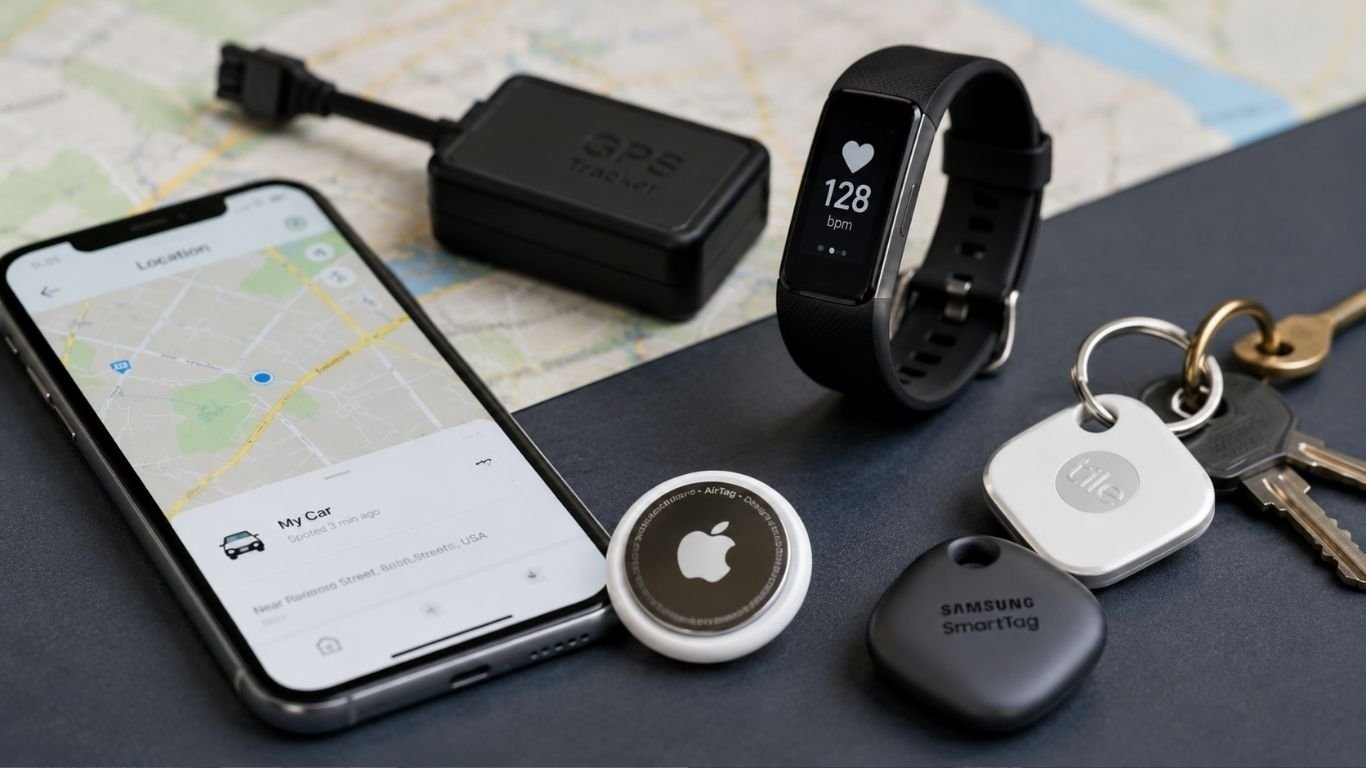
A Tracqueur is a tool that helps track a place, object, person, pet, or activity. It may be a GPS unit in a car, a tag on a bag, or a watch on your wrist. Some trackers also work through apps and websites.
The idea is simple. A tracker gathers data and sends it to a phone, computer, or online account. You can then see where something is, how it moved, or what activity took place.
These tools are now common in travel, fitness, transport, pet care, and business. Yet each type works in its own way. Knowing the difference helps you choose the right one.
What Is a Tracqueur?
The word Tracqueur is often used as a broad name for a tracking tool. It does not point to one single device. Its meaning changes with the job it does.
A car tracker may show a live location on a map. A fitness band may count steps and watch sleep. A Bluetooth tag may help you find keys or a wallet. A pet tracker may help locate a dog that has left home.
Some trackers focus on place. Others focus on motion, health, or online use. That is why the term can cover many types of tech.
How Does Tracking Technology Work?
Most tracking tools follow a basic process. First, the device reads a signal or sensor. Next, it saves or sends the data. An app then turns that data into a map, chart, alert, or simple number.
A Tracqueur may use GPS, Bluetooth, Wi-Fi, mobile data, or motion sensors. Some models use two or more systems at the same time.
GPS is useful for outdoor location. Bluetooth is better for nearby items. Fitness bands use small sensors to track motion and body signals. The right method depends on the task.
GPS Trackers for Cars and Assets
GPS trackers are widely used in cars, vans, trucks, bikes, and work gear. They use signals from satellites to find a device on a map.
A GPS Tracqueur can show where a vehicle is and where it has been. Some systems can also send alerts when a car enters or leaves a set area. This feature is often called geofencing.
GPS works well over long distances. But many live trackers also need a mobile data link. That is how they send fresh location data to the user. Because of this, some devices come with a monthly fee.
Power is another point to check. A hardwired unit can use the vehicle battery. A small portable unit needs to be charged.
Fitness Trackers for Daily Health
Fitness trackers are made to follow body movement and daily habits. They often come as a watch, band, ring, or small clip.
This type of Tracqueur may count steps, track sleep, record heart rate, and log workouts. Some models also estimate pace, distance, or recovery.
The data can help users see simple patterns. You may notice that you walk less on workdays. You may also see that late nights lead to poor sleep scores.
Still, these devices are not medical tools. They can help with general habits, but they should not replace a doctor or a medical test.
Bluetooth Trackers for Keys and Bags
Bluetooth trackers are small tags made for items that are easy to lose. People often place them on keys, wallets, backpacks, suitcases, or camera bags.
A Bluetooth Tracqueur links to a phone through a low-power wireless signal. When the tag is close, the app may show that it is nearby. It may also make the tag play a sound.
Some tag systems can use a wider network of nearby phones or devices. If another device detects the lost tag, its location may be sent back to the owner.
Bluetooth tags are small and easy to carry. But they are not the same as full GPS units. They work best for nearby or commonly lost items.
Pet Trackers and Animal Safety
Pet trackers are often fixed to a collar. They can help owners find a dog or cat that leaves a safe area.
A pet Tracqueur may use GPS for outdoor tracking and Bluetooth for close range. Some models also record sleep or daily movement.
Safe-zone alerts can be useful. An owner may get a phone alert if the pet leaves the yard or another saved area.
Size matters here. A unit that fits a large dog may feel heavy on a small cat. Check the weight, battery, water rating, and collar fit before use. Signal coverage also matters if the pet spends time far from towns.
Tracking Tools for Business
Businesses use trackers to follow vehicles, tools, stock, machines, and delivery items. The goal is often simple: know where an asset is and cut down time spent looking for it.
A business Tracqueur can help a team see whether a tool is at a work site, in a van, or back in storage. A fleet system can help a manager view vehicle routes and arrival times.
This data can also help with planning. If staff know where equipment is, they can move it where it is needed faster.
But business tracking needs rules. Staff should know what is being tracked, why the data is needed, and who can view it.
Software and Online Tracking
Not every tracker is a small piece of hardware. Software can also track actions inside a website, app, or computer system.
A digital Tracqueur may record page visits, clicks, app use, or device events. This can help a company learn which parts of a service people use most.
But online tracking can raise privacy issues. Users may not know what data is being stored. Clear notices and fair controls help build trust.
A good rule is to collect only what is needed. Extra data can add risk without adding much value.
Main Benefits of a Tracqueur
Tracking tools can solve many small problems. They can help find a lost bag, follow a vehicle, watch a pet, or record a run.
They can also save time. A worker does not need to search several rooms for a tagged tool. A traveler can check whether a bag is nearby. A runner can compare this week’s pace with last week’s pace.
Some trackers can add a layer of security too. They cannot stop theft on their own, but alerts and location data may help an owner act faster.
The main value is simple: useful data when you need it.
Limits, Safety, and Privacy
A Tracqueur is useful, but no tracker is perfect. GPS can be less accurate indoors or near tall buildings. Bluetooth has a shorter range. Wearables may give estimates rather than exact health readings.
Battery life is another limit. A dead tracker cannot send new data. Mobile coverage can also affect some GPS units.
Privacy is just as important. Tracking a person without consent can be wrong and may break local law. Employers and families should use these tools with care.
Use strong passwords for tracking apps. Keep the software up to date. Review app permissions from time to time.
How to Choose the Right Tracqueur?
Start with one question: what do you need to track?
For a car that travels across town, GPS is often the best fit. For keys in the house, a Bluetooth tag may be enough. For steps and sleep, choose a fitness band or watch.
A good Tracqueur should fit the job, not just offer the most features.
Check battery life, size, signal type, app support, and fees. Also check how often the device sends a new location.
For outdoor use, water and dust protection matter. For pets, weight and comfort come first. For business use, user controls and reports may matter as much as the device itself.
FAQs
Is a tracker the same as GPS?
No. GPS is only one way to track something. A device may also use Bluetooth, Wi-Fi, mobile signals, or built-in sensors.
Can Bluetooth tags work far away?
A direct Bluetooth link has a limited range. Some tag networks can use nearby phones or devices to help report the location of a lost item.
Do GPS trackers need a fee?
Some do. Live GPS units often need mobile data to send location updates. That service may come with a monthly or yearly fee.
Are fitness trackers exact?
They are useful for trends such as steps, sleep, and heart rate. But readings can vary. They should not replace medical tests.
Are tracking devices safe to use?
Yes, when they are used for a clear and lawful reason. Use secure accounts, review app access, and respect the privacy of other people.


A computer’s performance depends on several factors, including hardware specifications, software compatibility, and system configuration. Whether you use your PC for gaming, video editing, office work, or everyday browsing, keeping your system properly maintained can help you get more value from your existing hardware.
Understanding how to maintain drivers, evaluate component compatibility, and assess overall system performance can make it easier to identify problems and plan future upgrades. With the right approach, you can make informed decisions without spending money on unnecessary hardware changes.
Keep Your System Updated With the Latest Drivers
Drivers allow your operating system to communicate with hardware components such as graphics cards, processors, sound devices, and network adapters. When drivers are outdated, corrupted, or incompatible, you may experience errors, reduced stability, or problems running certain applications.
Taking time to update drivers can help improve hardware compatibility and resolve known issues. Graphics driver updates, for example, may introduce game optimizations, improve support for new applications, and fix graphical glitches. Network driver updates can also address certain connectivity problems.
You can check for suitable updates through Windows Update or the official website of your hardware manufacturer. NVIDIA, AMD, and Intel provide driver resources for their supported graphics products and other hardware.
Before installing a driver, confirm that it is compatible with your device and operating system. Avoid downloading files from unfamiliar websites, and consider creating a restore point before making significant changes.
Although installing the newest driver does not guarantee faster performance, keeping important drivers maintained can help your computer remain stable and compatible with current software.
Understand Hardware Compatibility With a Bottleneck Calculator
Building or upgrading a computer involves choosing components that work well together. For example, pairing a powerful graphics card with an older processor may limit performance in certain games. Similarly, a less powerful graphics card may struggle with demanding visual settings even when the processor has plenty of capacity.
A bottleneck calculator provides an estimate of how different hardware components may perform together. Users typically enter their processor, graphics card, resolution, and sometimes their intended workload to receive an assessment of potential performance limitations.
This information can be useful when planning a new PC build or deciding which component to upgrade. It may help identify hardware combinations that deserve additional research before you make a purchase.
However, calculator results should be treated as general guidance rather than exact predictions. Actual performance varies depending on the application, game engine, resolution, graphics settings, memory capacity, and cooling conditions.
For example, a processor limitation may be more noticeable in competitive games running at lower resolutions, while graphics performance may become the primary limitation at higher resolutions with demanding visual effects.
To make a better decision, compare independent hardware benchmarks and monitor CPU and GPU utilization while running the programs you use most often. These methods provide more practical information about your computer’s real-world performance.
Evaluate Your Computer With Rate My PC Tools
Knowing your hardware specifications is useful, but understanding how your system compares with other configurations can provide additional insight. Performance assessment tools can help users review their computer’s capabilities and identify potential areas for improvement.
The phrase rate my PC is commonly used for services that evaluate computer specifications, benchmark results, or overall hardware configurations. Depending on the platform, you may be able to enter your processor, graphics card, memory, and storage details to receive an assessment of your setup.
These tools can be particularly helpful for gamers who want to determine whether their computer is suitable for specific titles. They may also assist users who are considering an upgrade and want to understand which components deserve attention.
However, an overall rating cannot explain every performance issue. Two computers with similar specifications may perform differently because of cooling, power limits, background applications, and software configuration.
Use ratings as a starting point rather than a final judgment. Compare component specifications, review trustworthy benchmark results, and consider your actual requirements before making changes.
Combine These Methods for Better Results
Driver maintenance, hardware compatibility checks, and performance assessments work best when used together. Begin by identifying what you want to improve, whether it is gaming performance, faster application loading, or smoother multitasking.
Check relevant driver updates, use a bottleneck calculator to investigate potential component limitations, and explore rate my PC tools to evaluate your current setup. If performance remains disappointing, examine other possible causes, including overheating, insufficient RAM, limited storage space, and unnecessary background processes.
Avoid upgrading components simply because a calculator or rating tool suggests a potential limitation. First, confirm that the limitation affects your everyday tasks and that the proposed upgrade is likely to provide a meaningful benefit.
Conclusion
Maintaining an efficient computer requires a combination of software management and informed hardware decisions. Taking time to update drivers can improve compatibility, a bottleneck calculator can help assess component balance, and rate my PC tools can provide a useful overview of your system.
By combining these resources with real-world testing and careful planning, you can identify potential improvements, make smarter upgrade decisions, and get more reliable performance from your computer.
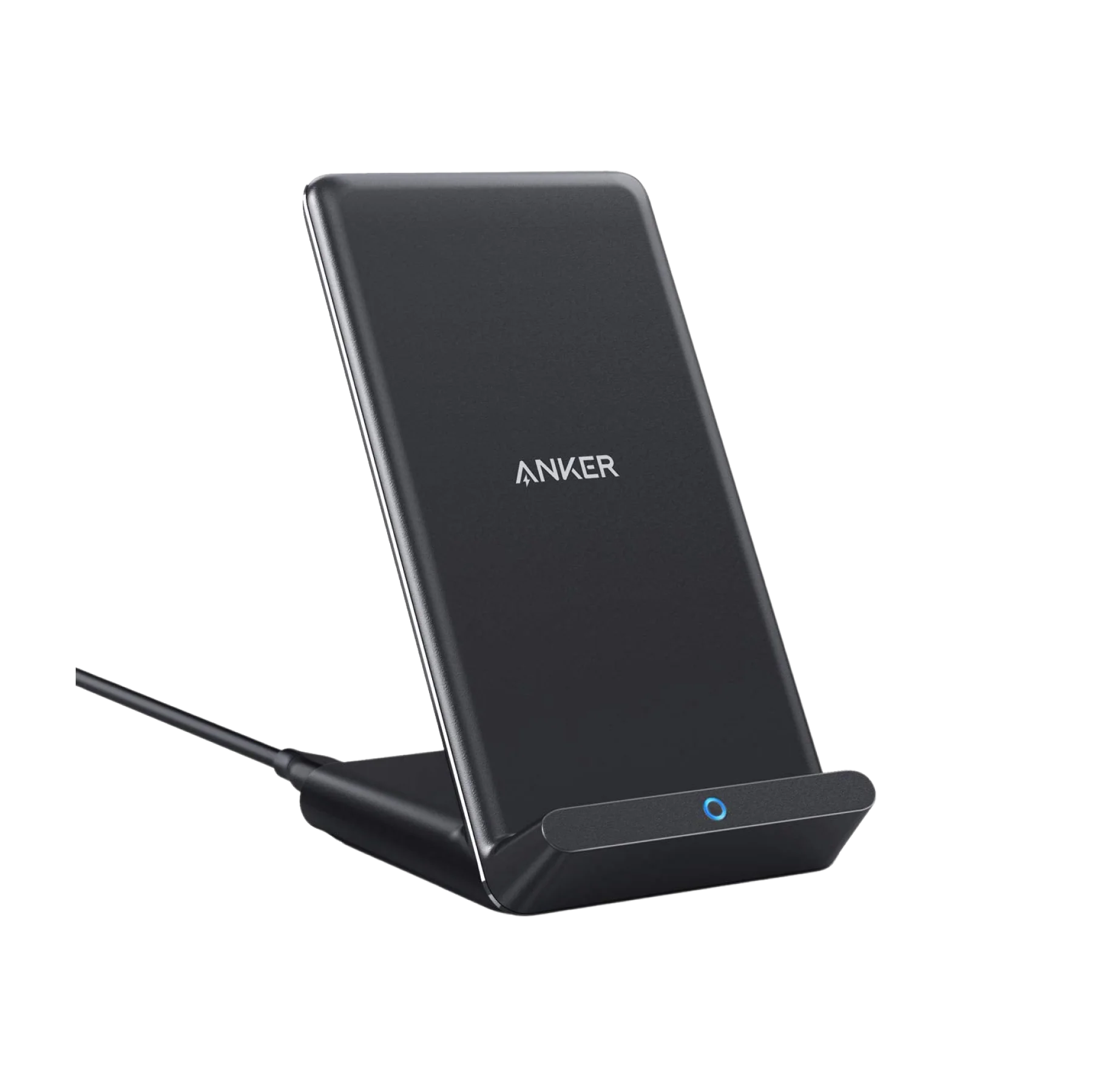
Purchasing a wireless charger can be a perfect solution to have a comfortable and neat charging experience. Samsung provides wireless chargers specifically created for those who own Galaxy smartphones. Nevertheless, not all wireless chargers are alike because of their charging speed, design, and additional features. So, it is crucial to consider what you need from a wireless charger before buying it. The samsung wireless charger will assist you in minimizing your cable mess and give you a chance to charge your smartphone with ease. If you are looking for a wireless charger to use in your bedroom, office, or when traveling, you should know about some important aspects to consider.
Verify Compatibility Prior to Purchasing an Android Charger
The issue of compatibility is among the critical issues in choosing a wireless charger. There are Samsung phones that cannot be charged wirelessly. Different types of Samsung phones have different wireless charging capabilities. Before buying a wireless charger, you should verify your phone’s specifications for its wireless charging capability and supported standards of charging. The android charger you choose should be able to cater to the needs of your phone. In case you have a Samsung Galaxy phone, then you will need to look at its specifications to learn more about its wireless charging support. Also consider your interest in charging other compatible devices like wireless earbuds.
Factor In Charging Speed and Performance
The charging speed of a wireless charger can play a major role in determining which one you choose. While some chargers have fast wireless charging capabilities compared to others, the performance of wireless chargers depends on the smartphone, wireless charger, power adapter, and other parameters of the charging process. Even a wireless charger that claims higher watts does not mean that it will be able to charge all smartphones at such speed. For that reason, find out the maximum wireless charging speed of your device before you choose a charger. It is also important to take into account the power requirements of the charger as it may require a special wall adapter for its optimal performance.
Know the Importance of Samsung Wireless Charger
The importance of the Samsung wireless charger is in the convenience that it offers and the ease with which charging can be done without the need for a cable. Instead of having to plug in a cable each time and unplug the phone once charging is done, one would simply have to place their device on the charger. Such an option would not only help in keeping your desk or bedside table neat, but it would make the task of charging a regular practice. Wireless charging could help prevent wear in the port of the phone due to constant cable connections, though it does not prevent all forms of wear.
Selecting the Best Design for You
There are a variety of designs that exist when it comes to wireless chargers. These include flat wireless pads, charging stands, and charging stations that can charge multiple devices at once. A wireless pad may be perfect for your bedside table since you can simply put the phone down. Charging stands would be better suited for office desks since they allow you to see any notifications and read the phone while it is being charged. If you have several compatible devices, then a charging station that can charge multiple devices can minimize cable clutter on your desk.
Check Safety Aspects and Build Quality
It is crucial to keep in mind safety concerns during selection of any charging equipment. Find a reliable and trusted charger that can be used with your gadget and guarantees adequate protection from overheating, overcurrent, and electrical issues. It is better to use Samsung accessories and products of reliable brands rather than unknown options. Build quality is another important thing to consider because the properly constructed charger will endure frequent usage. Check material of the surface, quality of the cable and ventilation of the charger. Do not use broken cables or power adapters. It is necessary to keep the charging area clear from other things which will hinder the heat release process.
Compare the Features and Choose an Appropriate Android Charger
Before taking the final call, it is advisable to compare the features available from the wireless chargers. Some important parameters include charging speed, compatibility with devices, portability, warranty coverage, and adapter requirements. An android charger should have features which you really require and not any other features which unnecessarily complicate the process. For instance, a regular charging pad might work well for a single smartphone, whereas the stand or multiple device stations might offer more versatility. Specifications and reviews should be read to get an idea about the performance of the product. Also, see if the device is supplied with a power adapter.
Final Analysis
The choice of wireless charger for your Samsung phone can be influenced by various considerations such as compatibility, charging time, safety, and others. Having analyzed the demands of your phone and the options available in the market, you can choose a suitable wireless charger. It does not matter whether you prefer a basic charging mat or an all-purpose charging station, as long as you select a reliable one that suits your Samsung phone.

Rethinking the Traditional 3D Design Process
Three-dimensional content is becoming increasingly important across digital entertainment, product development, education, and personalized manufacturing. From character figures and decorative objects to digital props and product prototypes, 3D models help people visualize ideas in ways that flat images cannot fully achieve. However, creating these assets traditionally requires a combination of modeling skills, design experience, and specialized software.
For newcomers, even a relatively simple object can involve a steep learning curve. Artists must understand geometry, proportions, surface details, materials, and file formats before they can produce a model that meets their expectations. Experienced designers face a different challenge: repetitive modeling tasks can consume valuable time that could otherwise be spent refining concepts or developing more ambitious projects.
Hi3D addresses these challenges with an AI-powered approach to three-dimensional creation. The platform helps users transform visual references into 3D assets and provides additional tools for texturing, model preparation, and printing-oriented workflows. By simplifying AI 3d modeling, it allows creators to use existing images as a foundation for their work rather than requiring every project to begin with a blank modeling workspace.
This approach makes 3D creation more approachable for beginners while offering experienced users another way to accelerate early production stages. Whether someone is exploring a personal project or developing assets for a larger creative workflow, Hi3D provides a practical environment for moving from an initial idea toward a three-dimensional result.
Turning Visual Inspiration Into Editable Assets
Many creative projects begin with a reference rather than a finished design. A photograph might inspire a collectible, an illustration could become the basis for a game character, or a product image might help a designer explore a new concept. Converting these references into three-dimensional geometry, however, is not always straightforward.
Hi3D offers image-to-3D generation that allows users to upload a picture and create a corresponding 3D model. Its AI models interpret the visible subject and generate geometry intended to represent its shape, proportions, and structural features. This gives users a starting point without requiring them to construct every component manually.
The workflow can be useful for a wide range of subjects, including animals, characters, household objects, accessories, and decorative designs. For example, a hobbyist interested in creating a small animal figurine can start with a suitable photograph instead of building the entire shape from primitive objects. A digital artist can use an illustration as a reference for developing a three-dimensional character.
Reference quality remains important. Images with clear silhouettes, visible features, and limited obstruction generally provide more useful information than blurry or heavily cropped pictures. When the back of an object is not visible, the generation system must infer its appearance, so the result may differ from the actual object.
For projects where additional visual information is available, Hi3D also supports multiview generation. Users can provide multiple views of the same subject to give the AI more information about its shape. This can be particularly helpful when proportions or hidden structural details are important to the intended result.
The generated asset can then be reviewed, exported, or refined in compatible software. This makes image-based generation a useful starting point for people who want to focus more on creative decisions and less on repetitive initial modeling.
Exploring New Designs With AI Assistance
Not every project starts with an existing photograph. Sometimes, creators have only a rough idea of what they want to make. They may know the theme, mood, or general appearance of an object without having a drawing or reference image ready.
Hi3D supports text-to-image creation, allowing users to explore visual concepts through natural-language descriptions. By describing a subject and its intended appearance, creators can generate inspiration images that help them develop an idea before moving into 3D production.
Consider a designer planning a futuristic desk accessory. The initial concept might include smooth surfaces, geometric shapes, and a minimalist appearance. Instead of manually drawing several alternatives, the designer can explore different visual directions and select a reference that better communicates the intended design.
The same process can help artists develop fantasy creatures, themed decorations, stylized characters, and collectible concepts. Multiple visual directions make it easier to compare proportions, decorative elements, and overall aesthetics before choosing a design to develop further.
This is particularly useful during brainstorming because early creative decisions can influence every subsequent production stage. Establishing a clearer visual direction may reduce unnecessary revisions and make it easier to communicate an idea to collaborators.
Visual concept generation and 3D modeling still serve different purposes. An attractive image does not automatically provide accurate dimensions or production-ready geometry. Hi3D helps connect these stages by offering image-based 3D generation, giving users a way to develop selected concepts into three-dimensional assets.
Improving Model Quality With Advanced Generation
The usefulness of an AI-generated model depends on more than whether it resembles the original image at first glance. Important features can become less convincing when a model is viewed from another angle or examined closely. Distinctive contours, small accessories, facial details, and surface characteristics can all affect the final result.
Hi3D v3.0 focuses on improving the fidelity of generated 3D assets. Its official product materials highlight higher-resolution generation, improved structural representation, and detailed surface results. The v3.0 workflow offers 2048-cubed resolution options, including 2048quality and 2048master, with different settings suited to different quality and processing requirements.
Higher-resolution generation can help preserve more geometric information, but resolution should not be treated as the only measure of quality. A model must also represent the subject coherently, maintain appropriate proportions, and contain geometry suitable for its intended use.
Hi3D supports geometry generation and workflows that combine geometry with textures. Depending on the selected mode, users can generate the model’s shape first and add surface appearance afterward, or generate geometry and texture together.
This flexibility is useful because different projects prioritize different characteristics. A simple object intended for basic printing may not need elaborate surface materials. A digital asset intended for presentation may benefit from more detailed textures and realistic material properties.
For example, a decorative object may require recognizable contours and clean geometry, while a character asset may rely heavily on the visual treatment of clothing, hair, and accessories. Selecting an appropriate generation workflow helps users focus on the qualities that matter most to the project.
Even with advanced AI models, generated assets may need additional adjustments. Professional applications can require specific topology, optimized geometry, accurate dimensions, or other technical characteristics. Hi3D provides a foundation for further work rather than guaranteeing that every generated model is immediately suitable for every application.
Adding Character Through AI Texturing
Geometry establishes an object’s three-dimensional shape, but surface appearance often determines how viewers interpret the finished asset. AI 3D model texturing helps add materials, colors, and texture details that distinguish a polished metal object from a wooden ornament or give a digital character a particular visual style.
Hi3D includes AI-assisted texturing capabilities that help users develop the appearance of 3D models. Its texture workflow supports the creation of more detailed surfaces, including physically based rendering materials where available.
Physically based rendering, commonly known as PBR, describes how materials interact with light through properties such as color, roughness, and metallic appearance. These properties can help digital assets look more consistent across different lighting conditions and rendering environments.
Texturing can be useful when an initially generated model has the correct general form but needs a more developed visual identity. A plain decorative object might benefit from a stone-like finish, while a stylized character could require a distinctive surface treatment to match an artistic direction.
Creators can also explore different appearances without rebuilding the underlying geometry from scratch. This separation between shape and surface treatment supports experimentation and can make visual revisions more manageable.
However, texture quality should match the intended application. A surface that looks convincing in a rendered image may not translate directly into the physical characteristics of a printed object. Users preparing models for manufacturing should distinguish visual texture information from actual geometric features, particularly when fine details need to be physically reproduced.
Making Complex Designs Easier to Print
Moving from a digital model to a physical object introduces challenges that do not necessarily appear during on-screen inspection. A large model may exceed a printer’s build volume, while complicated shapes may require extensive supports or careful positioning.
Hi3D offers a split-to-print workflow designed to help users divide models into separate printable components. The platform can generate separated parts and supported connection structures, helping creators prepare complex objects for assembly.
For example, a large decorative figure may be easier to produce when its body and smaller components are printed separately. Individual pieces can be oriented to improve accessibility, reduce certain support requirements, or fit within the available printing area.
The platform’s splitting functionality is intended to simplify the process of separating a model and organizing its components. Depending on the design and selected settings, connectors can help users align the parts during assembly. Automatic arrangement also helps prepare components for the next stage of printing.
This is useful for hobbyists who want to create larger collectibles, decorative sculptures, or multipart objects without manually planning every cut. It can also help designers explore physical prototypes that would be inconvenient to print as a single piece.
Nevertheless, automatic splitting cannot eliminate the need for practical checks. Connection strength, assembly tolerances, component orientation, and material behavior can affect the final result. Users should inspect the separated pieces and test critical connections when reliability matters.
Bringing Color Into Physical Creations
Color can transform a simple model into a more expressive object. Character figures, miniature decorations, toys, and personalized gifts often depend on clearly defined color regions to achieve their intended appearance.
Preparing such models for multicolor printing can involve identifying boundaries, organizing materials, and ensuring that each color is assigned to the appropriate part of the design. Hi3D includes a multicolor-printing workflow that helps users prepare color-separated models for supported production processes.
The system is designed to identify color regions and their boundaries, with options that help manage the number of colors used. This can reduce some of the manual work involved in preparing a multicolor asset and provide a more structured starting point for slicing.
For example, a character may have separate regions for its clothing, hair, accessories, and other visual features. A decorative object may use contrasting colors to emphasize particular shapes. Organizing these regions helps users understand how the digital design can be translated into a physical print.
The practical results depend on the printer, available materials, slicing software, and selected settings. Fine details may require correction, and some color transitions may be difficult to reproduce with particular hardware.
By incorporating color preparation into its broader creation workflow, Hi3D helps users consider physical appearance earlier in the design process rather than treating printing preparation as an entirely separate task.
Creating More Than Conventional Solid Models
Some images are better suited to relief-style objects than fully three-dimensional representations. Illustrations, logos, decorative artwork, and certain photographs can be transformed into raised surfaces that preserve recognizable visual elements.
Hi3D provides an image-to-3D relief feature for creating relief models from images. Unlike a conventional full-volume object, a relief uses variations in height to represent visual information on a surface.
This approach can support decorative plaques, artistic panels, personalized ornaments, and other projects where a raised image is more appropriate than a fully modeled object. It also provides another way to explore how existing artwork can be adapted for physical production.
For instance, a creator could use an illustration as the basis for a decorative panel or develop a personalized design that incorporates raised visual details. The result can then be evaluated and exported in a supported format for further preparation.
Relief creation is particularly useful when the original image’s visual composition matters more than reconstructing the complete shape of the depicted subject. As with other generation workflows, users should review the resulting geometry, thickness, and detail levels before printing.
Connecting Creative Workflows With Common File Formats
A useful 3D creation tool should allow users to continue working with their assets beyond the original platform. Different applications and production methods rely on different file formats, so export flexibility can influence how easily a model fits into an existing workflow.
Hi3D supports several formats, including OBJ, GLB, STL, FBX, USDZ, and 3MF for relevant generation workflows. These formats address different needs across digital design, visualization, and 3D printing.
STL is widely used in printing workflows because it represents surface geometry. OBJ is commonly used for exchanging model geometry and associated material information. GLB can package a model and related scene resources into a convenient format, while FBX is frequently used in digital content creation pipelines. USDZ is relevant to supported augmented reality workflows, and 3MF is designed to carry richer information for additive manufacturing.
Choosing the correct format depends on what happens next. A creator preparing a physical object may prioritize compatibility with slicing software, whereas a developer creating a digital experience may need a format that preserves the relevant materials and scene information.
Exporting a model does not automatically guarantee that every property will transfer perfectly. Users should verify geometry, materials, scale, and compatibility in the destination application. Still, support for multiple formats makes it easier to incorporate AI-generated assets into different creative environments.
Supporting Individual Creators and Professional Teams
Hi3D can serve different purposes depending on the user’s experience and objectives. Beginners may value its image-based workflows because they provide a way to explore 3D creation without first learning every traditional modeling technique.
Hobbyists can use the platform to experiment with personalized objects, collectibles, decorative designs, and projects intended for 3D printing. Artists can develop reference-based assets, explore alternative visual treatments, and prepare models for further refinement. Designers can use generated geometry as an early starting point for evaluating concepts.
Professional teams may find value in using AI generation to accelerate prototyping and asset exploration. Game developers can investigate concept-based props and characters, while product teams can use generated models to communicate early ideas. Educational projects may also benefit from turning visual references into three-dimensional representations that learners can examine.
For organizations building their own applications, Hi3D provides API access to supported generation capabilities. Developers can investigate integrating image-to-3D generation, multiview workflows, model splitting, and multicolor generation into existing software or automated content pipelines.
API-based integration requires technical planning, including authentication, task handling, file management, and validation of generated outputs. Its suitability depends on the organization’s requirements and implementation resources.
Across these different scenarios, the central benefit is the ability to use AI to reduce some of the initial effort involved in creating 3D content while retaining the option to refine the results according to the project’s needs.
Starting a New Project With Hi3D
A productive way to explore Hi3D is to begin with a clear and manageable creative goal. Users can choose a reference image, generate an initial model, and review whether the result captures the important characteristics of the subject.
From there, the workflow can follow different directions. A digital artist may export the model for further editing, while a printing enthusiast may inspect the geometry and prepare the object for fabrication. Someone exploring decorative designs might experiment with relief generation, textures, or multicolor preparation.
Starting with a relatively simple object helps users understand how reference quality, generation settings, and intended use influence the output. More complex projects can follow once the basic workflow becomes familiar.
Hi3D brings image-based generation, texturing, relief creation, model splitting, multicolor preparation, and flexible export options into a connected creative environment. These capabilities offer users different ways to approach the transition from a visual idea to a three-dimensional asset.
By reducing some of the barriers associated with traditional modeling, Hi3D makes it easier for people to experiment with 3D content and develop ideas into models that can be reviewed, refined, shared, or prepared for physical production. The platform provides a starting point for creative exploration while allowing users to apply their own judgment and technical knowledge where a project requires greater precision.

What Families Should Know Before Filing a Wrongful Death Lawsuit

When Nature Crosses the Threshold: Protecting Your Home From Wildlife

What You Should Know Before Adding a Well Pump to Your Property
Who Is Gale Burnick? The Story Of George R. R. Martin’s Ex Wife

Who Is Alicia Dove? The Life Story Of Corey Taylor’s Wife

Meet Carole Rogers: Everything to Know About Kenny Rogers’ Daughter
-
Celebrity3 months ago
Who Is Gale Burnick? The Story Of George R. R. Martin’s Ex Wife
-
 Celebrity3 months ago
Who Is Alicia Dove? The Life Story Of Corey Taylor’s Wife
-
 Celebrity3 months ago
Meet Carole Rogers: Everything to Know About Kenny Rogers’ Daughter
-

 Celebrity3 months ago
Who Is Sydney Davis? The Full Story Of Billy Bush’s Ex Wife
-

 Celebrity3 months ago
Who Is Hermann Nicoli? The Full Story Of Candice Swanepoel’s Former Fiancé
-

 Celebrity3 months ago
Who Is Anna Hillinger? The Full Life Story Of Mike Shinoda’s Wife
-

 Celebrity3 months ago
Who Is Demacio Castellon? Life Story Of Nelly Furtado’s Ex Husband
-

 Blog2 months ago
Thetechyx.com: A Complete Guide to Its Tech, Business, and Digital Content