
Fashion
Marcella Rowe Italian Nappa Leather Tall Boots: Style, Comfort, and Design

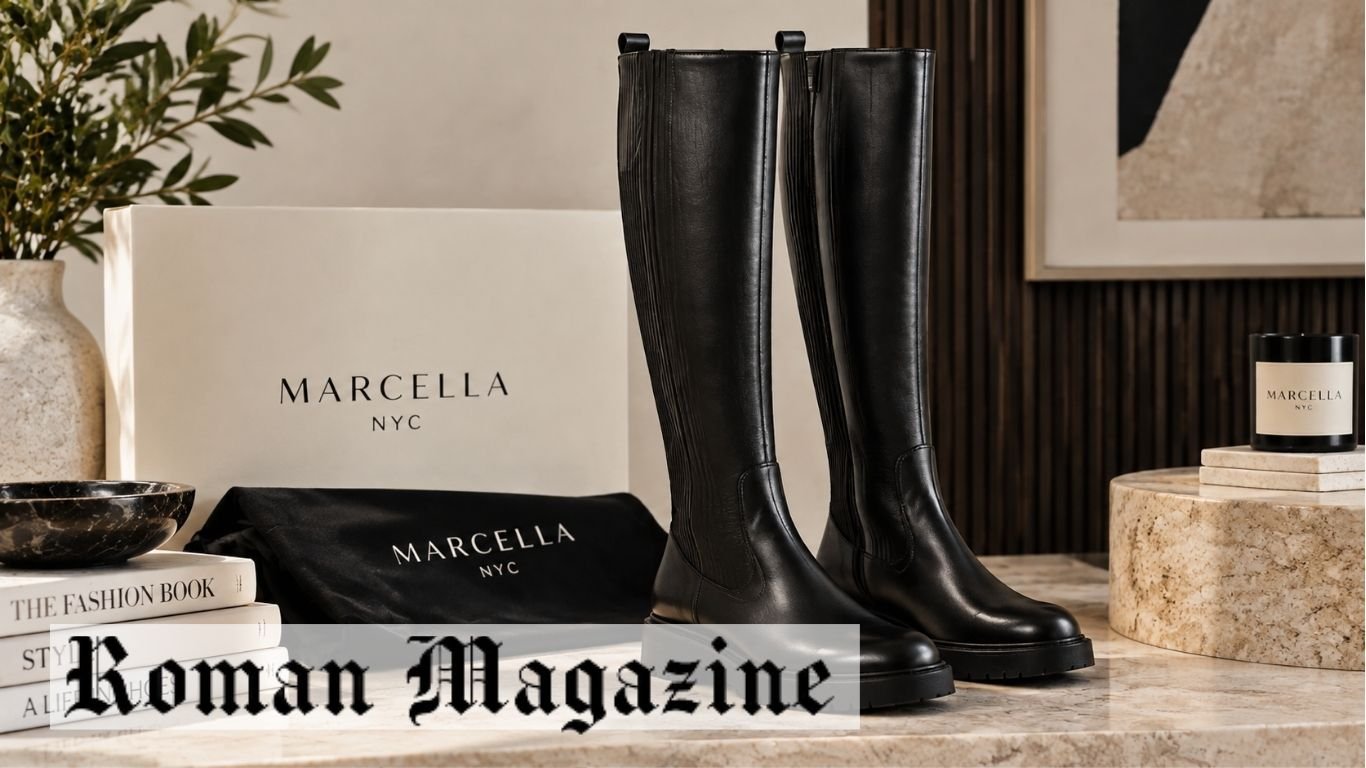
Fashion lovers often look for boots that feel different from classic styles. They want comfort, quality, and a design that stands out. The Marcella Rowe Italian nappa leather tall boots bring these ideas together with a bold shape and modern look.
These knee-high boots come from Marcella NYC and are made with premium Italian nappa leather. They mix luxury fashion with an everyday streetwear feel. In this article, we will explore their design, materials, comfort, styling ideas, and why they have become a popular choice for modern wardrobes.
A Bold Design With A Modern Edge
The Marcella Rowe Italian nappa leather tall boots have a unique shape that sits between fashion footwear and casual street style. Their design feels fresh because they do not follow the usual tall boot style. Instead, they add a strong and artistic touch to any outfit.
The boots take inspiration from the brand’s Karma ankle boot. They keep a similar sculptural feel but add a taller silhouette. This gives them a powerful look while keeping them easy to wear.
Many fashion fans compare the shape to high-fashion sneaker boots. The chunky sole and structured form create a look that feels modern, urban, and confident.
Premium Italian Nappa Leather Construction
One of the main highlights of these boots is their leather quality. The Marcella Rowe Italian nappa leather tall boots are crafted from soft Italian nappa leather. This type of leather is known for its smooth feel and flexible finish.
The leather is designed to move with the leg instead of feeling stiff. Over time, it can develop a natural character while keeping its refined appearance. The material gives the boots a luxury feel without making them look too formal.
The careful construction also helps create a clean finish. Every detail works together to give the boots a high-end appearance.
Signature Details That Make Them Stand Out
The Marcella Rowe Italian nappa leather tall boots feature several design details that make them easy to recognize. The ribbed shaft creates texture and gives the upper part of the boot a strong visual effect.
The boots also include geometric cuts that add a sculptural element. These details match Marcella NYC’s artistic approach to fashion. The design is simple but still catches attention.
Another unique feature is the sneaker-inspired cap toe. This small detail gives the boots a relaxed feel and helps balance the tall shape.
Comfort Meets Fashion In Everyday Wear
Many statement boots focus only on appearance, but the Rowe style also considers comfort. The chunky flat lug sole provides support and creates a stable walking experience.
The flat base makes these boots easier to wear for longer periods. They are not designed only for special events. They can fit into daily outfits, city walks, and casual plans.
The soft leather also helps create a comfortable fit. As the boots are worn, the material can adjust naturally to the wearer’s movement.
Styling Ideas For Different Outfits
The Marcella Rowe Italian nappa leather tall boots are easy to style because of their strong but simple design. They work well with many modern looks.
For a casual outfit, pair them with oversized sweaters, leggings, or relaxed jeans. The chunky sole adds balance to loose clothing and creates a street-style appearance.
For a sharper look, wear them with a fitted coat, a short dress, or a long skirt. The tall shape helps create a strong silhouette without needing many accessories.
Their black leather finish makes them easy to match with neutral colors like gray, white, beige, and brown.
Why The Knee-High Shape Is Popular
Knee-high boots have remained popular because they add structure to an outfit. They cover more of the leg and create a longer visual line.
The Rowe style updates this classic idea with a modern shape. Instead of looking traditional, it feels bold and artistic. The combination of height, texture, and a thick sole gives the boots a fashion-forward identity.
The design works well for people who enjoy clothing with personality. It offers a way to make a simple outfit feel more complete.
Perfect Choice For Streetwear And Luxury Looks
The Marcella Rowe Italian nappa leather tall boots show how luxury and streetwear can work together. Their sneaker-like details make them relaxed, while the Italian leather keeps them premium.
They fit well into wardrobes that mix designer pieces with everyday clothing. The boots can be worn with casual basics or more polished outfits.
This balance is one reason the style attracts people who want footwear that feels unique. It does not look like a standard leather boot, but it also avoids being difficult to wear.
Care Tips To Keep The Leather Looking Great
Good care helps leather boots last longer. Since the Rowe boots use premium leather, they should be handled with attention.
Keep them away from heavy moisture when possible. If they become wet, allow them to dry naturally. Avoid placing them near direct heat because it can affect the leather.
Regular cleaning with products made for leather can help protect the surface. Storing them upright can also help maintain the tall shape of the shaft.
With proper care, the boots can remain a strong part of a wardrobe for many seasons.
Vegan Alternative And Other Options
Marcella NYC also offers a vegan version of this design. The Rowe Vegan Boot uses an apple-leather alternative for shoppers who prefer a plant-based material option.
The vegan version keeps the same general shape and modern style. It gives customers another way to enjoy the look while choosing a different material.
The original leather style remains popular because of its soft texture and classic luxury feel. Both versions reflect the brand’s focus on creative footwear design.
Are These Boots Worth Adding To Your Wardrobe?
The Marcella Rowe Italian nappa leather tall boots are made for people who want footwear with a strong identity. They combine quality materials, bold details, and practical comfort.
Their sculptural shape makes them different from basic knee-high boots. The leather finish adds a luxury touch, while the chunky sole keeps the design relaxed.
For those who enjoy modern fashion and statement pieces, these boots offer a balance of style and everyday function. They are designed to stand out while remaining wearable.
Final Thoughts
The Marcella Rowe Italian nappa leather tall boots represent a new approach to tall boots. They bring together art-inspired design, premium craftsmanship, and streetwear influence.
From the ribbed shaft to the sturdy sole, every feature adds to their unique look. They are not just another pair of boots. They are a fashion piece made for people who enjoy confident and modern style.
With the right care and styling, these boots can become a long-lasting favorite in any fashion-focused wardrobe.

Color is where people stall. The size part gets settled in about ten seconds (measure your chest, check it against the chart, size up if you want room) and then the brown and the black just sit there in two open tabs for a week while absolutely nothing gets clicked. If that’s roughly where you are with the hoodie pages on Tyler The Creator Merch, nobody really explains this bit, so here goes.

Brown photographs badly and wears well
On a phone brown can look flat — cardboard-ish, honestly — and then it shows up with way more red sitting under the surface than the listing photo let on. Washed and garment-dyed finishes do that to a camera — the fabric keeps a depth a sensor flattens.
And the reason brown keeps earning its spot isn’t really about looks. It hides things. Coffee, dust off the bottom of a backpack, the gray smudge a handrail leaves on your forearm — none of it shows. So if one hoodie is carrying four days of your week, brown is the shade still looking fine on day four when the others have given up.
It’s murder to match twice, mind you.
Black does more work than people give it credit for
Black gets written off as the lazy answer and I’d push back on that. On a graphic piece it’s the shade that lets the artwork actually shout, because every color in the print lands at full contrast against it, and those road-sign graphics and stamped-type layouts were drawn with a dark backdrop in mind anyway.
What you’re signing up for is lint. Plus fade, eventually. Black fleece picks up both, and after a dozen washes you’ll clock that the body has gone a shade softer while the print hasn’t budged an inch. Cold water, turn it inside out, hang it up. Skip the dryer. Seriously — heat pulls the depth out of black quicker than anything else you could do to it.
Blue lands somewhere between the two
People reach for blue when brown feels too quiet and black feels a bit obvious. Trouble is the word covers a lot of ground here — some pieces come through chalky and faded, others sit near enough to navy to read black under a ceiling light — so the photo matters more than the label.
A washed blue basically behaves like brown — forgiving, soft, already worn in. A deep blue behaves like black, lint and all. And pairing is fiddlier either way: blue over blue jeans works when the shades sit miles apart, collapses when they’re close.
The shades nobody talks about
Brown, black and blue soak up the attention, but the range runs wider and the quieter options are solving different problems:
- White and cream show the print cleanly, and show everything else just as cleanly
- Gray vanishes into a wardrobe, which is either the whole point or the whole problem
- Green and purple read loud in a room, quieter in photos — the reverse of brown
- Red and orange tie themselves to a moment, fine if you’re buying for one tour season
What’s listed keeps shifting, too. The list on the Call Me If You Get Lost Hoodie pages in February won’t be the one sitting there in June, so if one shade is the only reason you’re buying, don’t leave it a month.
Four shades, side by side
| Shade | Hides daily marks | How the print reads | Sits well with |
| Brown | Very well | Warm, slightly muted | Denim, cream, khaki |
| Black | Well, until lint shows | Maximum contrast | Almost anything |
| Washed blue | Reasonably | Soft, a bit faded | Black, gray, khaki |
| White or cream | Poorly | Sharpest of the four | Dark pants, brown layers |
Look at the print before the body
This is the bit that flips decisions, because loads of people settle on a body color and only go squinting at the artwork afterward. A cream print on brown stays quiet, pretty close-toned, whereas the same print in white on black is basically a different garment from across a room — and multicolor graphics? Busy on a mid-tone, and then they pull themselves together on black.
So zoom in first.
| Pro Tip: Put two product photos side by side at full brightness, then knock it down by half and look again. Whichever shade still reads the way you wanted it to is the one that’ll survive venue lighting and office fluorescents, which is where you’ll wear it. |
What a year of wear does to each one
Color changes how aging looks, not really how fast it turns up. Brown and washed blue soak up a year of it almost invisibly — cuffs loosen off, the fleece flattens where a bag strap rides, the shade drifts a touch lighter, and honestly all of that suits them.
Black and white are the honest ones, though. Black creeps toward charcoal around the shoulders and the hem, white picks up a faint gray cast no wash ever lifts, and neither of those is damage exactly. But if you want a hoodie looking the same in two years as it did on arrival, brown is your pick and black isn’t.
The practical stuff that comes after the color
Hoodies across the Tyler The Creator Merch range run around $80 to $100, and there’s a size chart on each product page the shop would rather you measured against than guessed from. Go up or down off that, then give it a day or three of weekday processing before anything moves.
Fit and color do interact, by the way — that same oversized cut reads smaller in a dark shade than in cream, so if you’re torn between sizes and leaning white, expect the bigger one to look bigger than the tag implies.
Frequently Asked Questions
Which color should I buy first?
Brown, if it’s only ever going to be one. Hides wear, goes with more pants than black does, and doesn’t fade in a way you’d notice. Black second, when you want the print loudest.
Does the blue run light or dark?
Both of those exist, which is why I keep saying trust the photo over the word. Washed blues come across dusty and pale on a model, while the deeper ones hover near navy and go more or less black once you’re indoors.
Will black fade quickly?
Not quickly. It’ll fade though, so cold wash, inside out, no dryer, no sun on the line — that’s pretty much the whole routine, and it buys you years instead of seasons.
Can I count on a shade still being there next month?
No, and I wouldn’t gamble on it. Colorways come and go as stock moves, and a shade that sells through doesn’t always come back in quite the same tone.
Go with whatever you’ll reach for on a cold Tuesday morning instead of whatever photographs best — brown for the quiet, hard-wearing one, black when you want the graphic shouting, blue when neither of those sounds much like you. Scroll the Tyler The Creator Merch color list and order the one you’ve been thinking about all week anyway.
Labor Day weekend ends, the calendar flips over, and somehow half the country reads that as the signal to fold the shorts away until June. Which is a bit daft, honestly, because the thermometer has no idea what the month is called. One Tuesday hits the low 90s. By Thursday, you want sleeves at six in the evening. That back-and-forth is, I think, most of the reason the shorts end up on the top shelf a good three weeks before anybody made them go anywhere. And if you’re poking around the shorts grid at Essential Clothing in early fall, the thing you’re actually asking about is weather rather than clothes, so your zip code answers it and the date doesn’t.

Your zip code decides this, not the first of the month
Phoenix spends most of September flirting with triple digits, so down there a pair of Essentials Clothing shorts isn’t a seasonal question at all and won’t be for another month or so. Across most of Texas you’re looking at upper 80s and low 90s right through into October, and Atlanta or Charlotte will open the month in the mid-80s before drifting into the upper 70s by the last week of it — which, let’s be honest, is still shorts weather by anyone’s standard.
Go north and the whole thing falls apart fairly quickly. Chicago and Minneapolis watch their highs slide out of the upper 70s and down into the low 60s over four weeks, with mornings dipping into the 40s by the end of the month, and the Boston-to-New-York stretch lags that by maybe a week (not much of a reprieve, really). Seattle has a different problem altogether — not cold so much as wet, 68°F and drizzling, which rules shorts out for reasons that have nothing to do with temperature. So when somebody asks when shorts stop working, there are five or six honest answers depending on where they happen to be standing.
Why does one day need two outfits?
It isn’t the average high that catches anybody out in September, or at any rate that’s not the number doing the damage — it’s how far the thing travels between breakfast and mid-afternoon. Inland, a swing of 25 or 30 degrees from seven in the morning to three in the afternoon is pretty ordinary, which leaves you dressing one body for two climates, and the usual fix is to dress for the cold half and then sweat quietly through lunch.
That’s a layering problem, though, not a shorts problem. Bare legs with a warm core works far better than people expect — your knees stop complaining almost immediately once the torso is warm, and anyone who’s stood on a sideline in October in shorts and heavy fleece already knows it. The mistake is treating the whole body as one decision.
| Pro Tip: Judge September by the afternoon high, not by whatever your phone says at breakfast. If two o’clock is going to clear 72°F, shorts are fine — you just need sleeves for the first and last hour of the day. |
What goes over them once it cools
This is where the shoulder season gets interesting, because shorts plus heavy fleece either looks considered or looks like you got dressed in the dark, and the margin between those two is thinner than you’d think. Length is more or less the whole difference, and it’s the hem on the top that decides it. Hip-length fleece, cotton or french terry, sits above the shorts, and the thing reads as an outfit. Go mid-thigh and the top swallows them, at which point you look like you forgot the bottom half, which is a look most of us have walked past in September. A fair bit of the boxy fit and drop shoulder on the Essentials Clothing racks happens to be cropped about right for this, and the 1977 hoodie will do if an evening really turns.
Colorways that don’t scream August
Cream, off-white and light blue are summer colors and they look it next to a fleece layer. Iron, matte black, dark oatmeal, sage, mint gray, light khaki, wheat and maroon sit much more comfortably in a fall rotation, mostly because they already match the heavier pieces living in there. The fifteen pairs in the Essentials Shorts category run from $80 to $99, and the muted end of that lineup is where I’d put money if the point is getting into October rather than finishing out August.
Length matters on the shorts themselves as well, though it tends to get ignored until the weather turns. A longer inseam covers more leg, which sounds obvious enough written down, but it’s worth a few degrees either way — and in cotton fleece or french terry those extra inches of fabric are doing real insulating work rather than just looking different. Cut earns its keep here more than any drawcord detail does once the mornings get cold.
Ordering in September is mostly a timing problem
Here’s the part that catches people out. Processing takes one to three business days before anything ships. Standard International is $15 and quotes 8 to 12 business days, Fast Express is $40 at 6 to 10 days, and DHL Premium runs $60 for 5 to 7. Free shipping kicks in over $500, which a single pair of shorts is never going to reach.
Add that up and a standard-shipping order placed in the middle of September lands somewhere in October, by which point half the country has already moved on to pants. So either order in the first week of the month and take the cheap tier, or accept that speed costs $40 to $60 and that the shipping on a $90 pair of shorts can quietly become half the price of the shorts.
The return terms matter here too, more than they would in June. There are no cash refunds — the exchange window is 30 days, for store credit or a swap, unworn and unwashed with the tags still attached, and a wrong or damaged item has to be reported within 7 days. So a late-September order has a window running out somewhere in late October, which is awkward for a garment you might not get a warm afternoon to properly try in before it shuts.
So when do they actually stop?
For most of the country, somewhere in the first half of October, and quite a bit later across the southern half of it. The number worth watching is the afternoon high — once that stops reaching the low 70s with any regularity, shorts turn into a weekend-only thing and then a memory until spring. Pretty much everything before that point is solvable with one warmer layer on top.
Which is a long way of saying September is worth more than it usually gets. Take a look at what’s left on the shorts shelf in the muted colors, work out your own cutoff from the forecast rather than the calendar, and get the order in while the cheap shipping tier still has time to land before the weather turns.
Suitcase open on the bed, half full, and the pile next to it is already losing the argument. Packing gets honest around then — four shirts drop to two, the second pair of jeans goes back in the drawer, and whatever’s left has to earn the room it’s taking up. A two-piece short set from Essentials Canada normally survives that round, and not because it’s clever packing (it isn’t, particularly), more because it ends up standing in for a few other things that were going in the bag anyway.

Counting what the two pieces stand in for
Shorts and a matching top. On paper that’s the same count as a pair of shorts and a tee you’d have folded in separately, so nothing’s been saved at all, and I’d agree with anyone who says so. The arithmetic only turns once you add up the jobs the set covers while it’s sitting in there — daywear in a warm city, then whatever you change into around ten at night, then the thing that goes on over nothing much on the morning you can’t find your other shorts, which happens around day three of most trips.
Matching counts for more here than you’d think, and I don’t mean looking coordinated. A top and bottom cut from the same cloth in the same colourway just read as one outfit rather than two items that happen to share a bag, so there’s no third garment going in to make the first two look like they belong together — which is the whole saving, and yes, it’s a slightly boring saving, but it’s the one you notice when you’re sitting on the lid trying to get the zip round.
What stays in the drawer
Every trip has a list of things you pack and then never touch, and a set shortens it. Over a week in the heat the pile usually loses:
- A second pair of shorts, since the bottoms cover the day shift and the evening shift too.
- The sleep or lounge set that would otherwise take its own corner of the case.
- One of the plain tees, because the matching top fills that slot without reading as a plain tee.
- A belt, most of the time, as a drawcord waist isn’t asking for one.
Four garments off the pile isn’t dramatic. It’s roughly a third of a carry-on’s clothing for a warm week, though, and the gap it leaves gets filled by shoes or a camera instead of more fabric, which is a trade most people will take happily enough. The Essentials Short Sets run between C$150 and C$175, so that packing arithmetic is part of what’s being paid for rather than a bonus added on the side.
The hoodie never actually rides in the bag
An Essentials Hoodie is bulky and there’s no talking around it. The Essentials line Fear of God started back in 2018 has always run fairly roomy, and an oversized cut in fleece swallows more of a case than three tees would, as anybody who’s tried to fold one flat already knows. But it hardly ever travels inside the suitcase, which is the part that gets forgotten in the argument about whether it’s worth bringing at all.
It goes on at the door, or it’s balled up under an arm somewhere in the terminal, so what it costs the bag is near enough nothing. What you get for that is the difference between a bearable few hours and a cold one — cabins always seem to sit cooler than whatever you dressed for back in departures — plus a hood you can pull up over a seat back, which is a fairly blunt way of letting the person beside you know the conversation’s finished.
A long drive asks for something else entirely
Driving changes the calculation, since nothing has to be carried and the boot is the bag. What bites instead is the temperature swing. A 24 °C afternoon leaving Toronto can be sitting at 11 °C by the time you’re pulling into a motel somewhere past Kingston, and the short set that made perfect sense at two in the afternoon isn’t the thing you want to be standing in while the key card refuses to work.
So the hoodie moves from luggage to equipment, more or less, and layering turns into a comfort question rather than a style one. It lives on the back seat within reach rather than packed under everything else, and it comes out at the first gas station after sunset. Heading west the swing gets sharper again, because the evenings cool off fast once you’re climbing, and an Essentials Hoodie thrown across the passenger seat has rescued more road trips than it’s ever ruined.
| Pro Tip: A set packs better flat than rolled. Rolling suits tees and jeans well enough, but a matched top and bottom laid out full width across the top of the case comes out with one soft crease down the middle instead of a dozen small ones through the thigh — and that single crease tends to drop out of French terry within twenty minutes of being worn. |
Fifteen minutes at the other end
Linen looks wonderful in a photograph and dreadful out of a suitcase. Cotton-based knits are a lot more forgiving, and that’s largely why a short set travels as well as it does, since the fabric gives rather than folds and arrives looking slept-in instead of wrecked. Hung on the back of the bathroom door while somebody showers, it’ll shake off nearly everything the case did to it, which costs nothing and takes about as long as unpacking the toiletries. whatever the sewn-in label says is the place to check before any steam gets involved, mind.
Frequently Asked Questions
Does a short set make sense for a trip that isn’t hot?
Not as daywear, no. It still earns a spot as the thing you change into indoors, though — a shoulder-season trip to Halifax in October isn’t short-set weather on the street, and yet the hotel room sits at 21 °C, and you’ve still got to be wearing something in it.
Can the two pieces travel separately?
They can, and plenty of people pack only the shorts with a different top. You lose the packing advantage that way, mind, because you’re back to choosing a shirt that works with them, and that was the exact decision the matching top had taken off your hands.
Hoodie or tracksuit as the travel layer?
An Essentials Hoodie, nine trips out of ten, mostly because it’s one garment instead of two and the hood covers for the scarf you forgot. A tracksuit does win on an overnight drive, where the bottoms end up mattering about as much as the top does.
Packing well is mostly subtraction, and a matched set is one of those odd additions that takes away more than it puts in. So if the next trip’s a warm one, it’s worth a look at what two pieces could stand in for, ideally before the pile beside the suitcase gets any taller.

Pool Maintenance: The Hidden Business Costs of Neglecting Your Facility

Prevention Cloud: A Complete Guide to Workplace Wellness and Cloud Security

Neatie: Personalized Jewelry, Custom Necklaces, and Complete Buying Guide
Who Is Gale Burnick? The Story Of George R. R. Martin’s Ex Wife

Who Is Hermann Nicoli? The Full Story Of Candice Swanepoel’s Former Fiancé

Who Is Alicia Dove? The Life Story Of Corey Taylor’s Wife
-
Celebrity4 months ago
Who Is Gale Burnick? The Story Of George R. R. Martin’s Ex Wife
-
 Celebrity4 months ago
Who Is Hermann Nicoli? The Full Story Of Candice Swanepoel’s Former Fiancé
-
 Celebrity4 months ago
Who Is Alicia Dove? The Life Story Of Corey Taylor’s Wife
-

 Celebrity4 months ago
Meet Carole Rogers: Everything to Know About Kenny Rogers’ Daughter
-

 Celebrity4 months ago
Who Is Anna Hillinger? The Full Life Story Of Mike Shinoda’s Wife
-

 Celebrity4 months ago
Who Is Sydney Davis? The Full Story Of Billy Bush’s Ex Wife
-

 Celebrity4 months ago
Who Is Demacio Castellon? Life Story Of Nelly Furtado’s Ex Husband
-

 Blog2 months ago
What Is Sosoactive? A Complete Guide to the Digital Platform