
Health
Metronidasool Guide: Benefits, Uses, and Side Effects

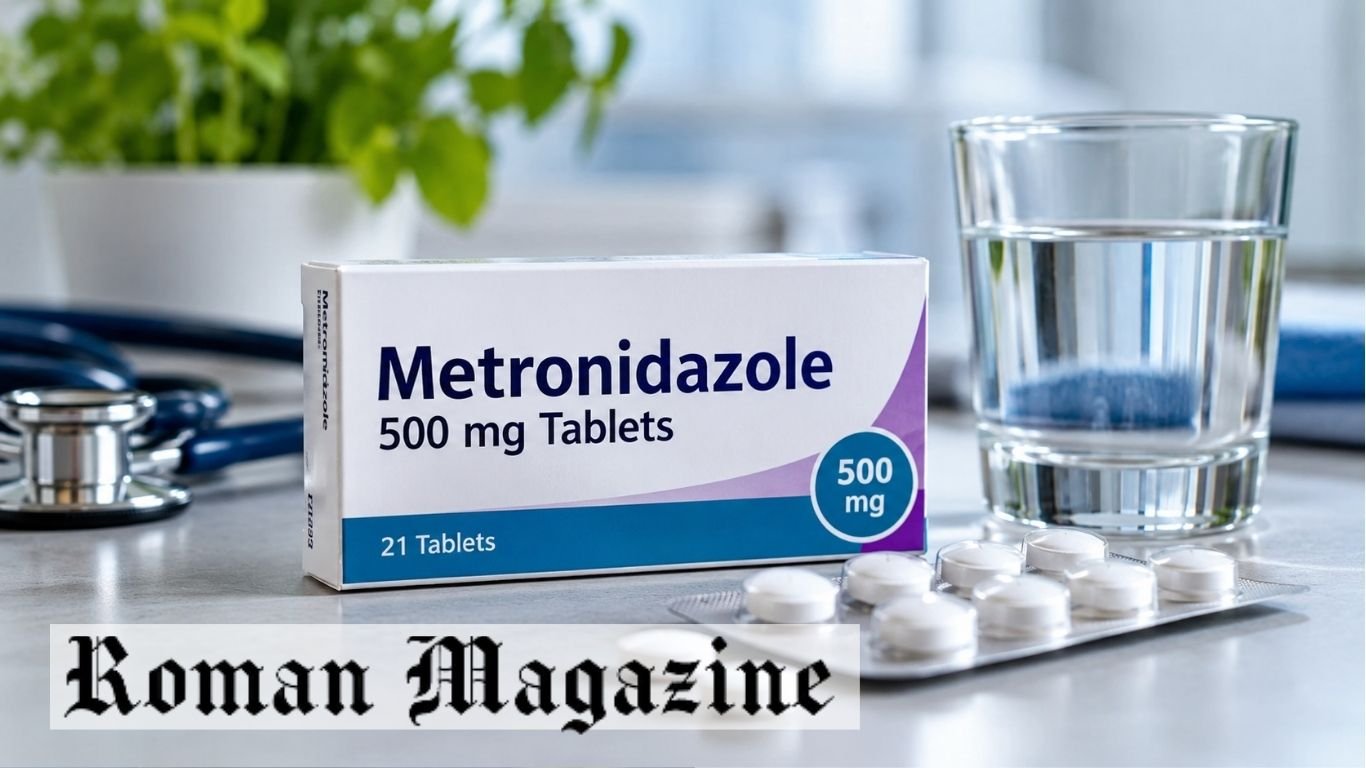
Metronidasool is the Estonian name for metronidazole, a prescription medicine used to treat certain bacterial and parasitic infections. Doctors prescribe it for bacterial vaginosis, dental infections, giardiasis, and other infections. It is also used to treat rosacea, a skin condition that causes redness and small bumps on the face.
The medicine comes as tablets, oral liquid, creams, gels, and injections. The right form and dose depend on the infection. Metronidasool can cause nausea, a metallic taste, and other side effects. Patients should follow their doctor’s instructions and check for possible drug interactions.
How Does Metronidasool Work?
This medicine works by damaging the DNA of certain germs. DNA helps germs live and grow. When the medicine damages their DNA, the germs can die.
It works well against bacteria that grow in places with little or no oxygen. These bacteria can cause infections in the mouth, stomach, and other parts of the body.
It also treats some infections caused by parasites. These tiny living things can enter the body through unsafe food, dirty water, or close contact. However, this medicine does not work against viruses such as colds or flu.
Common Uses of Metronidasool
Doctors use this medicine to treat several infections. One common use is bacterial vaginosis (BV). This happens when the balance of bacteria in the vagina changes. It can cause unusual discharge, odor, or discomfort.
It also treats infections caused by parasites. These include giardiasis, amebiasis, and trichomoniasis. Giardiasis can cause diarrhea and stomach pain. Amebiasis can affect the intestines or liver. Trichomoniasis spreads through sexual contact.
Other uses include:
- Dental infections: Treats certain gum and tooth infections.
- Stomach infections: Helps treat some infections inside the belly.
- Pelvic infections: Used with other medicines for certain infections.
- Surgery: Helps prevent infections during some operations.
- Stomach ulcers: Used with other medicines to treat H. pylori infections.
Doctors once used metronidazole more often for C. diff infections, which can cause severe diarrhea. Today, other medicines are usually the first choice. Metronidazole may still be used in some cases.
Different Forms of Metronidasool
This medicine comes in several forms. Each form treats a different type of infection. Doctors choose the right one based on the illness and the patient’s needs.
Tablets treat infections inside the body. Vaginal gels treat bacterial vaginosis. Skin creams and gels help with rosacea, which causes redness and small bumps on the face.
| Form | Common Use |
|---|---|
| Oral tablets | Bacterial and parasitic infections |
| Oral liquid | Certain infections |
| Vaginal gel | Bacterial vaginosis |
| Skin cream or gel | Rosacea |
| IV injection | Serious infections in hospitals |
Some countries also have vaginal tablets or suppositories. Not all forms are sold everywhere. Patients should check the medicine name, strength, and instructions before use.
Metronidasool Dosage and Instructions
The correct dose depends on the type of infection. It also depends on the patient’s age, health, and medicine form. Some infections need a short course. Others need longer treatment.
A doctor may prescribe tablets once or several times a day. People with serious liver problems may need a different dose. Patients should follow their own prescription.
Basic instructions include:
- Take the medicine at the prescribed times.
- Check whether your tablets should be taken with food.
- Swallow regular tablets with water.
- Do not take extra doses.
- Finish the prescribed course unless your doctor tells you otherwise.
Symptoms may improve before treatment ends. This does not always mean the infection is gone. Stopping early may cause the infection to return. Seek medical help if you have a serious reaction.
Metronidasool for Bacterial Vaginosis
Bacterial vaginosis happens when the normal balance of bacteria in the vagina changes. It can cause thin discharge or a strong fish-like smell. Some people have no symptoms.
Doctors may prescribe oral tablets or vaginal gel to treat BV. Both forms help reduce the bacteria causing the problem. The doctor chooses the right treatment based on the patient’s needs.
Symptoms often start to improve within a few days. Patients should still complete their prescribed treatment. BV can return even after successful treatment.
If symptoms continue or return, another medical check may be needed. Other infections can cause similar signs. A doctor can find the cause and suggest the right treatment.
Metronidasool for Skin Conditions
Metronidazole is also used to treat rosacea. This skin condition often affects the face. It can cause redness, small bumps, and spots that look like acne.
Doctors may prescribe a cream or gel to reduce these bumps. The medicine helps control symptoms but does not cure rosacea. It may not remove all skin redness.
The cream or gel is applied in a thin layer to clean, dry skin. Patients should follow the label and avoid contact with their eyes and mouth. Using more will not make it work faster.
Results may take several weeks. Some people notice dry skin, mild burning, or irritation. If the reaction becomes severe or does not improve, they should contact their doctor.
Common Side Effects of Metronidasool
Metronidasool can cause side effects, but not everyone gets them. Common problems include nausea, stomach pain, diarrhea, and loss of appetite. Most are mild and go away after treatment.
Some people notice a bitter or metallic taste in their mouth. Others may have a dry mouth, headache, or dizziness. These effects are often short-lived.
Taking some forms of the medicine with food may help with stomach upset. Check the label first. Drink enough water and contact your doctor if symptoms get worse or do not go away.
Serious Metronidasool Side Effects
Serious side effects are rare. They may include seizures or nerve damage. Signs of nerve problems include numbness, burning, or tingling in the hands and feet.
Some people may have a serious allergic reaction. Signs include swelling of the face, lips, or throat. A severe rash or trouble breathing also needs urgent care.
Other warning signs include confusion, poor balance, trouble walking, or vision changes. Stop taking the medicine and seek urgent medical help if these symptoms occur.
Metronidasool and Alcohol: Safety Warnings
Patients are often told to avoid alcohol during treatment. Some medicine labels warn that drinking alcohol may cause nausea, vomiting, stomach pain, flushing, or headaches.
However, research on this reaction is mixed. Not everyone who drinks alcohol during treatment will have these problems. Many medicine labels still advise avoiding it.
Some labels say to wait 48 hours after the last dose. Others advise 72 hours. Follow the instructions on your medicine. Also check other products, such as cough syrups, that may contain alcohol.
Metronidasool Drug Interactions
Some medicines can affect how metronidazole works. They may also raise the risk of side effects. Tell your doctor about all medicines you take.
Warfarin, a medicine that helps prevent blood clots, may increase the risk of bleeding when taken with metronidazole. Lithium levels may also rise. Taking disulfiram with metronidazole can cause serious mental health symptoms.
Some seizure medicines can also affect treatment. Your doctor may change your dose or order blood tests. Do not change or stop prescribed medicines without medical advice.
Metronidasool During Pregnancy and Breastfeeding
Doctors may prescribe metronidazole during pregnancy to treat certain infections. These include bacterial vaginosis and trichomoniasis. Treatment depends on the infection and the patient’s health.
Studies have not shown a clear rise in birth defects with standard treatment. Still, patients should tell their doctor if they are pregnant or planning to become pregnant.
Small amounts of the medicine can pass into breast milk. Breastfeeding can often continue during standard treatment. Advice may differ for some high-dose treatments. Ask your doctor before making changes.
Who Should Avoid Metronidasool?
People who have had a serious allergic reaction to metronidazole should avoid it unless a specialist advises otherwise. Allergies to related medicines also need medical advice.
People with serious liver problems may need a lower dose. Patients with seizures, nerve problems, or certain blood disorders should tell their doctor before treatment.
The medicine may not be safe with disulfiram or for people with certain rare health problems. Tell your doctor about your medical history and other medicines before taking it.
What If You Miss a Metronidasool Dose?
If you miss a dose, take it when you remember. If your next dose is almost due, skip the missed one. Then return to your normal schedule.
Do not take two doses at once. Extra medicine can increase the risk of side effects. Follow the instructions for your medicine.
Missing doses may make treatment less effective. Try taking the medicine at the same time each day. If you miss several doses, ask your doctor or pharmacist what to do.
Conclusion
Metronidasool treats certain bacterial and parasitic infections. It comes as tablets, creams, gels, and injections. Doctors choose the right form based on the infection.
Patients should follow their prescribed dose and complete treatment as directed. They should also check for drug interactions and follow alcohol safety advice.
Most side effects are mild. Serious reactions need urgent medical care. Contact your doctor if symptoms continue or return after treatment.
FAQs
What is Metronidasool used for?
It treats certain bacterial and parasitic infections, including bacterial vaginosis, giardiasis, and some dental infections.
How quickly does Metronidasool work?
Symptoms may start to improve within a few days. The time depends on the infection and treatment.
What are the common side effects of Metronidasool?
Common side effects include nausea, stomach pain, diarrhea, headache, and a metallic taste.
Can I drink alcohol while taking Metronidasool?
Many medicine labels advise avoiding alcohol during treatment and for 48 to 72 hours after the last dose.
Is Metronidasool safe during pregnancy?
Doctors may prescribe it during pregnancy when needed. Patients should follow medical advice.
Read Also: What Is Fraboc? Routes and Airport Details
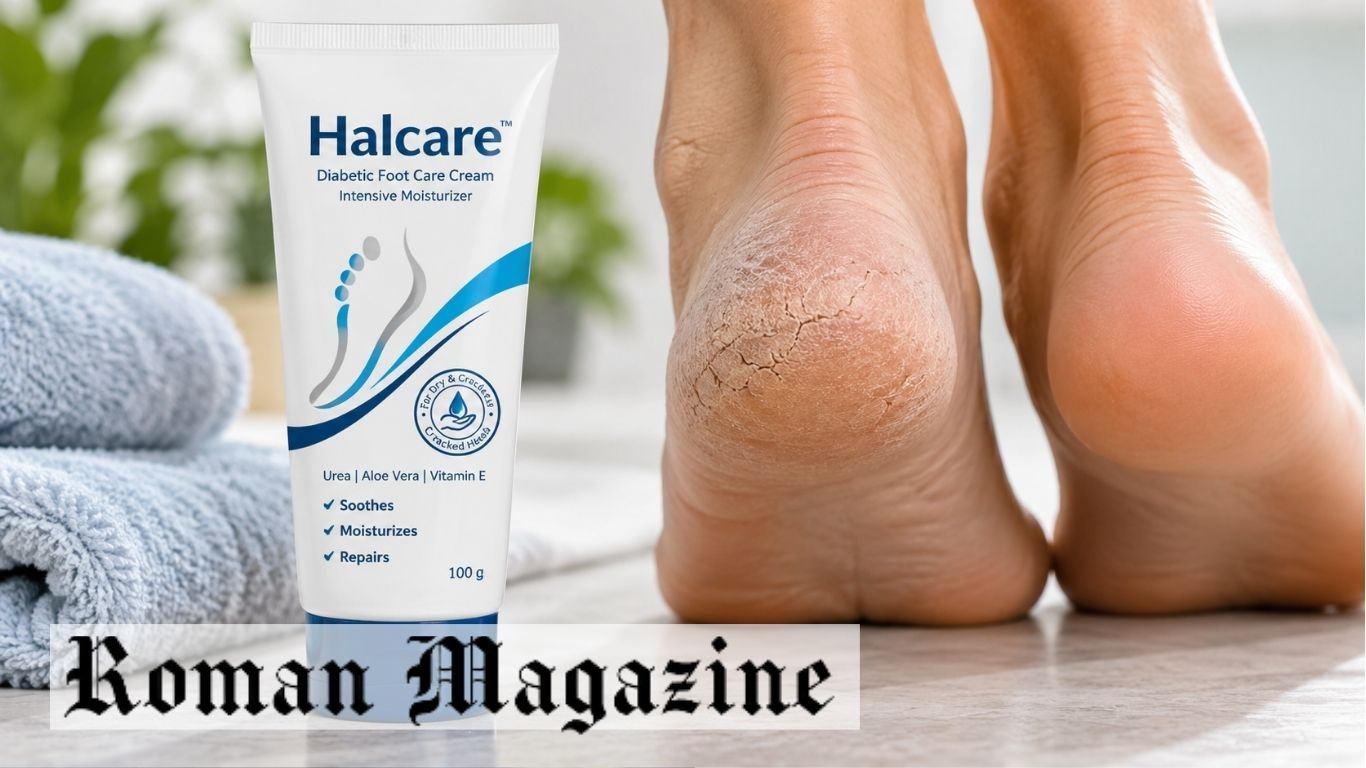
Halcare Cream is a foot care product made by Halberd Pharmaceuticals in India. It is mainly used for dry feet, cracked heels, and rough skin. The cream contains urea, glycerin, aloe vera, cocoa butter, and other ingredients that help soften skin and keep it moist.
It is also sold as a diabetic foot care cream. It may help reduce dryness and support the skin’s natural barrier. However, it does not treat diabetic foot ulcers, infections, or deep wounds.
How Does Halcare Cream Work?
The skin needs water to stay soft. When it loses too much water, it becomes dry and rough. Small cracks may form around the heels. These cracks can get worse if the skin stays dry.
The cream contains urea and glycerin. These ingredients help the skin hold water. Cocoa butter, petroleum jelly, and liquid paraffin help keep moisture inside the skin. This makes dry areas feel softer.
Other ingredients help protect the skin from water loss. Regular use may help reduce dryness and rough patches. Results depend on the skin’s condition and how the cream is used.
Key Ingredients in Halcare Cream
Halcare contains several ingredients that help care for dry skin. Some add moisture, while others help keep it inside the skin. These ingredients are often used in creams for rough feet and cracked heels.
The main ingredients include urea, glycerin, aloe vera, cocoa butter, zinc oxide, vitamin E, and L-arginine. Each has a different role in skin care.
| Ingredient | Main Use |
|---|---|
| Urea | Softens thick, dry skin |
| Glycerin | Helps skin hold water |
| Aloe Vera | Soothes and moistens skin |
| Propylene Glycol | Helps keep skin moist |
| Cocoa Butter | Softens rough skin |
| Liquid Paraffin | Helps stop water loss |
| White Petroleum Jelly | Helps keep moisture in |
| Zinc Oxide | Helps protect the skin |
| Vitamin E | Supports skin care |
| L-Arginine | An amino acid in the cream |
| Dimethicone | Forms a protective layer |
| Cetyl and Stearyl Alcohol | Soften skin and improve cream texture |
Urea helps soften thick skin and remove dead skin cells. Glycerin helps the skin hold water. Both are useful for dry and rough heels.
Petroleum jelly and liquid paraffin help stop moisture loss. Aloe vera can soothe dry skin, while zinc oxide helps protect it. The cream’s effects depend on its full formula.
Main Uses of Halcare Cream
Halcare is mainly used for dry and rough feet. It may help people who have hard heels or small cracks caused by dryness. It can also be used as part of a daily foot care routine.
The cream is sold for diabetic foot care. However, it does not treat diabetes. It helps manage dry skin but should not be used to treat foot ulcers, infections, or deep wounds.
Common uses include:
- Dry feet: Adds moisture to dry skin.
- Cracked heels: Softens skin around small cracks.
- Rough skin: Helps make hard areas smoother.
- Thick skin: Urea helps soften dead skin.
- Diabetic foot dryness: Helps keep healthy skin moist.
For example, people who stand for long hours may develop dry heels. A foot cream may help soften the skin. Deep, painful, or bleeding cracks need medical care.
Halcare Cream Benefits for Dry Skin
Dry skin may feel tight, rough, or itchy. It can also become flaky or cracked. A moisturizing cream helps by adding moisture and reducing water loss.
Halcare contains ingredients used to care for dry skin. These may help make the feet feel softer and more comfortable. The cream is made for feet, where the skin is often thick.
Urea and glycerin help the skin hold water. Petroleum jelly and cocoa butter help keep moisture inside. Regular use may help soften rough areas.
The cream also helps support the skin’s natural barrier. Moist skin is less likely to become hard and stiff. This may help reduce cracks caused by dryness. However, some skin problems need medical treatment.
Halcare Cream for Diabetic Foot Care
People with diabetes need to care for their feet each day. High blood sugar can damage nerves and affect blood flow. Nerve damage may also reduce sweating in the feet. This can make the skin dry and more likely to crack.
Small cracks can become serious for people with diabetes. Some may lose feeling in their feet and fail to notice an injury. Poor blood flow can also slow healing. Daily foot checks are important.
Halcare is sold for diabetic foot care because it helps keep dry skin moist. It can be applied to clean, dry, unbroken skin as directed. People with diabetes should avoid putting cream between their toes unless a doctor advises it.
Foot cream is only one part of diabetic foot care. People should check their feet daily and wear shoes that fit well. The cream is not proven to prevent or heal diabetic foot ulcers. Anyone with an open sore, swelling, redness, or signs of infection should seek medical care.
Halcare Cream for Cracked Heels
Cracked heels happen when the skin becomes dry, thick, and hard. Standing for long hours, wearing open shoes, and walking barefoot can make the problem worse.
Halcare Cream contains urea and glycerin, which help soften dry skin. Urea helps remove dead skin, while glycerin adds moisture. Petroleum jelly helps keep that moisture inside.
Regular use may help with dry heels and small cracks. Deep cracks can cause pain, bleeding, or infection. See a doctor if the cracks are deep or show signs of infection.
How to Use Halcare Cream?
Wash your feet with mild soap and water before using the cream. Dry them with a clean towel. Make sure the skin between your toes is dry.
Apply the cream to dry areas as directed on the label. Spread it gently over the heels and rough skin. Do not use it on open wounds or infected skin without medical advice.
Follow the product label for how often to apply it. People with diabetes should avoid putting cream between their toes unless a doctor advises it. Too much moisture in these areas can harm the skin.
Possible Side Effects of Halcare Cream
Some people may have skin reactions after using the cream. These may include redness, itching, burning, or a rash. People with sensitive skin may be more likely to react.
The cream contains several skin care ingredients. Some people may be allergic to one or more of them. Check the full ingredient list before use.
Stop using the cream if irritation occurs. Wash the area and seek medical advice if the problem continues. Get urgent help if you have trouble breathing or swelling of the face or throat.
Precautions Before Using Halcare
Read the product label before using the cream. Check the ingredients for anything that may cause an allergy. Use it only as directed.
Do not apply the cream to deep cuts, open wounds, or infected skin without medical advice. People with diabetes need extra care because small foot injuries can become serious.
Check your feet each day for cuts, cracks, redness, or swelling. See a doctor if you notice a wound or signs of infection. Foot cream cannot replace medical treatment.
Who Can Use Halcare Cream?
Halcare is made for people with dry feet, rough heels, or thick skin. It helps add moisture and soften dry areas.
People with diabetes may use it on dry, unbroken skin. Those with poor blood flow, loss of feeling, or foot wounds should ask a doctor before use.
Children and people with skin conditions should seek medical advice first. Pregnant or breastfeeding people should also check with a healthcare professional if unsure about using the cream.
Halcare Cream Price and Availability
Halcare Cream is sold in India through pharmacies and online medical stores. It is listed on Tata 1mg, MedPlus, and the official Halberd Pharmaceuticals website.
A 100 ml pack has been listed online. Prices may differ by seller and location. Check the current price and stock before buying.
Buy from a trusted pharmacy or seller. Check the pack seal, expiry date, and ingredient list. Avoid damaged or expired products.
Halcare Cream vs Regular Foot Cream
Regular foot creams help keep skin soft and moist. Many contain glycerin, oils, or petroleum jelly. These ingredients help stop the skin from losing water.
Halcare is made for intensive foot care. It contains urea, which helps soften thick and rough skin. Glycerin and cocoa butter also help keep the skin moist.
A basic foot cream may be enough for mild dryness. Creams with urea may help with thick, dry heels. People with diabetes should choose products that suit their skin needs.
Tips for Healthy Feet Along With Halcare
Good foot care helps prevent dryness and skin damage. Wash your feet daily and dry them well. Wear shoes that fit and do not rub against your skin.
Avoid walking barefoot on rough ground. Wear clean socks and comfortable shoes. Do not cut hard skin with sharp tools, especially if you have diabetes.
Simple foot care tips include:
- Wash your feet with mild soap and warm water.
- Dry your feet well, mainly between the toes.
- Use a suitable cream on dry, unbroken skin.
- Wear clean socks and comfortable shoes.
- Check your feet daily for cuts and cracks.
- See a doctor for deep cracks or wounds.
People with diabetes should check their feet every day. Nerve damage can make small cuts hard to feel. Daily checks help find problems early.
Conclusion
Halcare Cream is a foot moisturizer made by Halberd Pharmaceuticals. It is used for dry feet, rough skin, and cracked heels. Ingredients such as urea, glycerin, and cocoa butter help soften skin and keep it moist.
The cream may help with daily foot care, including for people with diabetes. However, it does not treat infections, deep wounds, or diabetic foot ulcers. Follow the product label and seek medical care for serious foot problems.
FAQs
What is Halcare Cream used for?
It is used to moisturize dry feet, soften rough skin, and help with cracked heels.
Is Halcare Cream good for diabetic feet?
It may help keep dry, unbroken skin moist, but it does not treat diabetic foot ulcers.
Can Halcare Cream heal cracked heels?
It may help with small cracks caused by dryness, but deep or infected cracks need medical care.
What are the main ingredients in Halcare Cream?
Its ingredients include urea, glycerin, aloe vera, cocoa butter, zinc oxide, and vitamin E.
Does Halcare Cream have any side effects?
Some people may experience redness, itching, burning, or skin irritation.
Read Also: Metronidasool Guide: Benefits, Uses, and Side Effects
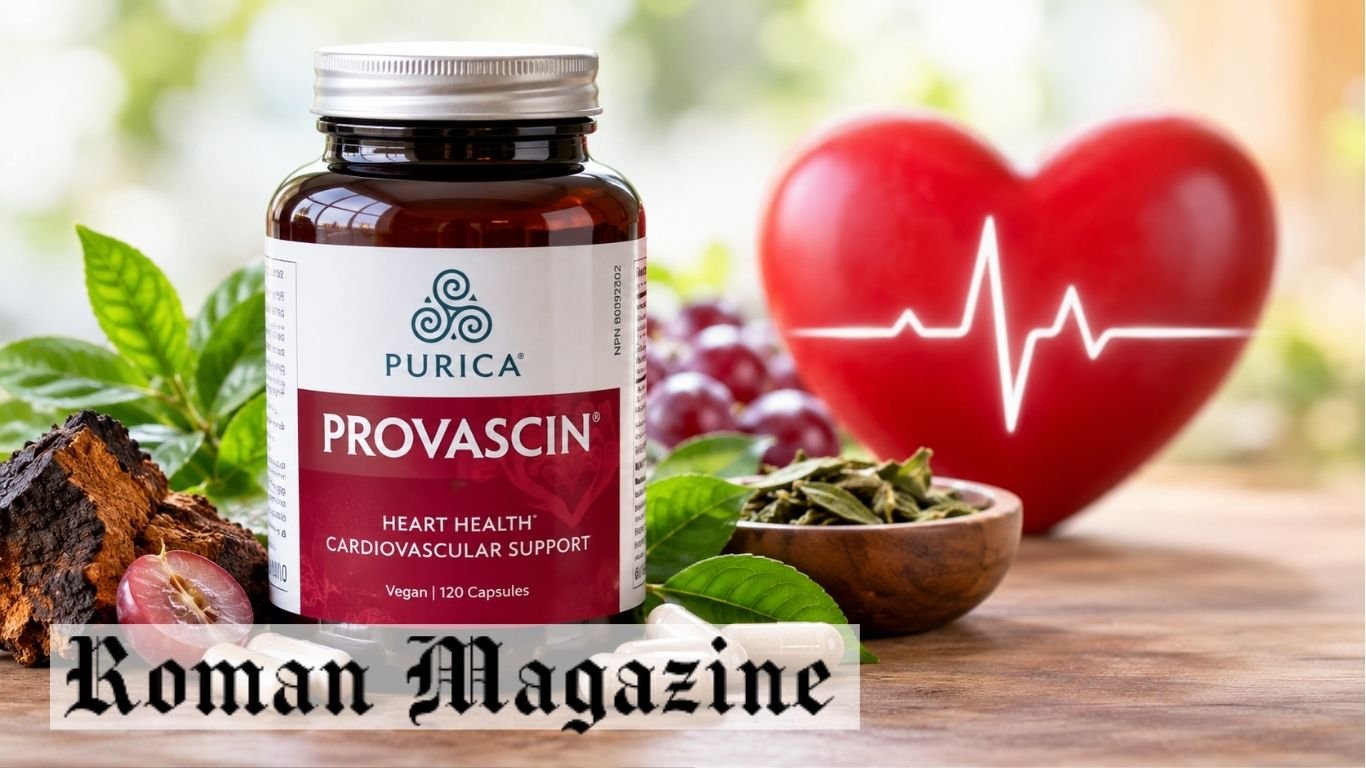
Provascin is a vegan heart health supplement made by Purica, a natural health brand. It contains eight active ingredients, including CoQ10, L-carnitine, organic Chaga, and plant extracts. The formula is sold to support heart health, blood circulation, cell energy, and antioxidant protection.
The supplement comes in capsule form, with bottles of 120 and 240 capsules listed by retailers. Some ingredients have been studied for heart health, but the benefits of the full formula are not well proven. People taking medicine or living with health conditions should seek medical advice before use.
How Does Provascin Work?
Provascin has ingredients that serve different roles in the body. Some help cells make energy. Others provide antioxidants that help protect cells from damage. The formula is made to support normal heart function.
One key ingredient is Coenzyme Q10, or CoQ10. Your body makes this substance on its own. It helps cells produce energy, including heart cells. L-carnitine also helps the body turn fats into energy.
The formula contains antioxidants that help protect cells from free radicals. These are unstable molecules that can harm cells. Too much of this damage is called oxidative stress. It can affect blood vessels and other tissues.
However, research on single ingredients does not prove that the full supplement works the same way. The amount of each ingredient also affects its possible benefits.
Provascin Benefits for Heart Health
Provascin is sold to support heart function, cell energy, and protection from oxidative stress. Its ingredients have been studied for different heart-related uses.
CoQ10 helps cells make energy. The heart needs this energy to keep pumping blood. Studies have looked at CoQ10 for some heart problems, but results depend on the condition and dose.
L-carnitine helps move fats into cells so the body can use them for energy. Some studies have tested it for heart function and exercise ability. However, these results do not prove that this supplement offers the same benefits.
Grape seed and green tea extracts also contain antioxidants. These may help protect cells from damage. Still, there is not enough proof that Provascin prevents heart attacks or other serious heart problems.
Provascin for Blood Circulation
Blood circulation moves oxygen and nutrients through your body. It also helps remove waste from cells. Poor blood flow can cause swelling, pain, and other health problems.
Provascin is sold to support blood flow. It contains CoQ10 and grape seed extract, which have been studied for their effects on blood vessels. Some studies suggest possible benefits, but results vary.
The product is also marketed for chronic venous insufficiency (CVI). This condition happens when leg veins have trouble sending blood back to the heart. It can cause swollen legs, pain, heaviness, and skin changes.
Provascin is promoted to help with some CVI symptoms. However, there is limited proof that the full formula works for this condition. People with lasting leg swelling or poor blood flow should see a doctor.
Provascin for Blood Pressure and Cholesterol
Blood pressure and cholesterol affect heart health. High blood pressure puts extra strain on the heart. High levels of certain types of cholesterol can raise the risk of heart disease.
Provascin contains CoQ10, which has been studied for blood pressure support. Some studies found small benefits, while others found little change. There is no strong proof that the full supplement lowers high blood pressure.
L-carnitine helps the body use fats for energy. Green tea extract has also been studied for its possible effects on cholesterol. However, these ingredients do not guarantee lower cholesterol levels.
People with high blood pressure or cholesterol still need regular health checks. Healthy food, exercise, and prescribed medicine can help control these conditions. Supplements should not replace medical treatment.
Provascin for Blood Sugar and Weight Management
Blood sugar is the main source of energy for many cells in your body. When it stays too high, it can harm blood vessels, nerves, and organs. Keeping blood sugar at a healthy level is important.
Provascin contains alpha-lipoic acid, which helps cells make energy. It has been studied for blood sugar control and some problems linked to diabetes. However, this supplement contains much less than the amounts used in many studies.
L-carnitine and green tea extract have also been studied for weight control. Some studies found small changes in body weight, but results are mixed. There is no strong proof that the full formula causes weight loss.
People with diabetes should speak with a doctor before taking this supplement. Some ingredients may affect blood sugar or interact with diabetes medicine.
Provascin Ingredients and Their Uses
Provascin contains eight active ingredients. These include amino acids, antioxidants, plant extracts, and mushrooms. Some help the body make energy, while others help protect cells from damage.
The formula includes L-carnitine, alpha-ketoglutaric acid, Chaga, CoQ10, betaine hydrochloride, alpha-lipoic acid, grape seed extract, and green tea extract. Each ingredient has a different role.
| Ingredient | Amount per Capsule | Main Role |
|---|---|---|
| L-Carnitine | 188 mg | Helps the body use fats for energy. |
| Alpha-ketoglutaric acid | 125 mg | Helps cells make energy and process ammonia. |
| Organic Chaga | 125 mg | Contains natural antioxidants. |
| CoQ10 | 38 mg | Helps cells produce energy. |
| Betaine Hydrochloride | 31 mg | Provides betaine and helps increase stomach acid. |
| Alpha-lipoic acid | 13 mg | Helps protect cells from damage. |
| Grape Seed Extract | 9 mg | Contains antioxidants that may support blood vessels. |
| Green Tea Extract | 9 mg | Contains plant compounds studied for heart health. |
L-carnitine and CoQ10 help cells make energy. Chaga, grape seed, and green tea extracts contain antioxidants. Alpha-lipoic acid also helps protect cells.
However, the benefits depend on the amount of each ingredient. More research is needed to confirm how well the full formula works.
Provascin Antioxidants and Cell Support
Your body makes free radicals during normal activities. These molecules can harm cells when their levels become too high. This is called oxidative stress. It can damage blood vessels and other tissues.
Provascin contains CoQ10, grape seed extract, and green tea extract. These ingredients have antioxidant effects that may help protect cells. Chaga also contains natural compounds studied for similar effects.
L-carnitine helps the body turn fats into energy. Alpha-ketoglutaric acid also helps cells make energy and process certain substances.
The product is also sold for tissue repair and waste removal. However, there is not enough proof that it repairs damaged tissues or removes harmful waste. The liver and kidneys already help the body remove waste.
Provascin Dosage and How to Take It
Taking the right amount of a supplement is important. Too much can raise the risk of side effects. The right dose may also depend on your health and the medicines you take.
Some product listings suggest 3 to 4 capsules daily for general support. They also list 6 to 8 capsules daily for people with existing health problems. These are product directions, not proven treatment doses.
Taking more capsules does not always give better results. A higher dose increases the amount of every ingredient and may cause unwanted effects.
Always check the current product label before use. Ask a healthcare professional before taking a higher dose, especially if you have a medical condition. No dose of this product has been proven to treat heart disease.
Provascin Side Effects and Safety
Provascin contains several active ingredients that may cause side effects. L-carnitine and alpha-lipoic acid may cause nausea, stomach pain, or other digestive problems in some people.
Green tea extract may also cause unwanted effects. In rare cases, some strong green tea extracts have been linked to liver damage. Chaga may not be safe for people with certain kidney problems.
Pregnant or breastfeeding people should speak with a healthcare professional before use. There is not enough research to confirm that the full formula is safe during pregnancy or breastfeeding.
People with diabetes, liver disease, kidney disease, seizures, or autoimmune conditions should also seek medical advice. Stop using the supplement if you develop serious side effects. Get urgent help if you have trouble breathing or swelling of the face.
Provascin Medication Interactions and Warnings
Some supplements can change how medicines work. This can be a concern for people taking medicine for blood pressure, diabetes, or other health problems.
Provascin contains CoQ10, which may reduce the effect of warfarin, a blood-thinning medicine. Some ingredients may also affect blood sugar or blood pressure. Taking them with certain medicines could cause unwanted changes.
People taking blood thinners, blood pressure medicine, diabetes drugs, or medicines that weaken the immune system should ask a healthcare professional before use.
The product also carries warnings for people with iron deficiency, seizure disorders, and autoimmune conditions. Always check the full ingredient list with your doctor or pharmacist before taking it with other medicines.
Is Provascin Worth Taking?
Provascin contains ingredients studied for heart health, energy, and cell protection. CoQ10 and L-carnitine are two of its main ingredients. It also contains Chaga and plant extracts.
However, studies on single ingredients do not prove that the full formula works. There is limited evidence that this product improves blood flow, lowers cholesterol, controls blood sugar, or prevents heart disease.
Before buying, check the ingredient amounts, capsule count, and product label. The amount of each ingredient matters because studies often use different doses.
The supplement may interest adults looking for heart health support, but its benefits are not certain. People with medical conditions should ask a healthcare professional before taking it.
Conclusion
Provascin is a vegan heart health supplement made by Purica. It contains eight active ingredients, including CoQ10, L-carnitine, Chaga, and plant extracts. The formula is sold to support heart health, blood flow, and cell function.
Some ingredients have been studied for health benefits. However, there is limited proof that the full formula provides these results. It has not been proven to treat or prevent heart disease, high blood pressure, or diabetes.
Healthy food, regular exercise, and medical care remain important for heart health. Check the product label and ask a healthcare professional before use, especially if you take medicine or have a health condition.
FAQs
What is Provascin used for?
Provascin is sold to support heart health, blood circulation, cell energy, and antioxidant protection.
What are the main ingredients in Provascin?
Its main ingredients include L-carnitine, CoQ10, organic Chaga, alpha-lipoic acid, and plant extracts.
How many Provascin capsules should I take daily?
Some product listings suggest 3–4 capsules daily, but you should follow the current label and medical advice.
Does Provascin help lower blood pressure?
Some ingredients have been studied for blood pressure support, but the full supplement has not been proven to lower it.
Are there any side effects of Provascin?
Possible side effects include nausea and stomach upset, while some ingredients may interact with medicines.
Read Also: Pyntekvister Guide: Natural and Simple Home Decor

Hi3D: Bringing Ideas to Life Through AI-Powered 3D Creation

Make Everyday Internet Use More Secure With iTop VPN

Parke Official and Mixed Emotions: Everyday Style Meets Modern Streetwear
Who Is Gale Burnick? The Story Of George R. R. Martin’s Ex Wife

Who Is Alicia Dove? The Life Story Of Corey Taylor’s Wife

Meet Carole Rogers: Everything to Know About Kenny Rogers’ Daughter
-
Celebrity3 months ago
Who Is Gale Burnick? The Story Of George R. R. Martin’s Ex Wife
-
 Celebrity3 months ago
Who Is Alicia Dove? The Life Story Of Corey Taylor’s Wife
-
 Celebrity3 months ago
Meet Carole Rogers: Everything to Know About Kenny Rogers’ Daughter
-

 Celebrity3 months ago
Who Is Sydney Davis? The Full Story Of Billy Bush’s Ex Wife
-

 Celebrity3 months ago
Who Is Hermann Nicoli? The Full Story Of Candice Swanepoel’s Former Fiancé
-

 Celebrity3 months ago
Who Is Demacio Castellon? Life Story Of Nelly Furtado’s Ex Husband
-

 Celebrity3 months ago
Who Is Anna Hillinger? The Full Life Story Of Mike Shinoda’s Wife
-

 Blog2 months ago
Thetechyx.com: A Complete Guide to Its Tech, Business, and Digital Content
Pingback: Halcare Cream: Complete Guide to Diabetic Foot Care - The Roman Magazine