
Health
Metronidasool Guide: Benefits, Uses, and Side Effects


Metronidasool is the Estonian name for metronidazole, a prescription medicine used to treat certain bacterial and parasitic infections. Doctors prescribe it for bacterial vaginosis, dental infections, giardiasis, and other infections. It is also used to treat rosacea, a skin condition that causes redness and small bumps on the face.
The medicine comes as tablets, oral liquid, creams, gels, and injections. The right form and dose depend on the infection. Metronidasool can cause nausea, a metallic taste, and other side effects. Patients should follow their doctor’s instructions and check for possible drug interactions.
How Does Metronidasool Work?
This medicine works by damaging the DNA of certain germs. DNA helps germs live and grow. When the medicine damages their DNA, the germs can die.
It works well against bacteria that grow in places with little or no oxygen. These bacteria can cause infections in the mouth, stomach, and other parts of the body.
It also treats some infections caused by parasites. These tiny living things can enter the body through unsafe food, dirty water, or close contact. However, this medicine does not work against viruses such as colds or flu.
Common Uses of Metronidasool
Doctors use this medicine to treat several infections. One common use is bacterial vaginosis (BV). This happens when the balance of bacteria in the vagina changes. It can cause unusual discharge, odor, or discomfort.
It also treats infections caused by parasites. These include giardiasis, amebiasis, and trichomoniasis. Giardiasis can cause diarrhea and stomach pain. Amebiasis can affect the intestines or liver. Trichomoniasis spreads through sexual contact.
Other uses include:
- Dental infections: Treats certain gum and tooth infections.
- Stomach infections: Helps treat some infections inside the belly.
- Pelvic infections: Used with other medicines for certain infections.
- Surgery: Helps prevent infections during some operations.
- Stomach ulcers: Used with other medicines to treat H. pylori infections.
Doctors once used metronidazole more often for C. diff infections, which can cause severe diarrhea. Today, other medicines are usually the first choice. Metronidazole may still be used in some cases.
Different Forms of Metronidasool
This medicine comes in several forms. Each form treats a different type of infection. Doctors choose the right one based on the illness and the patient’s needs.
Tablets treat infections inside the body. Vaginal gels treat bacterial vaginosis. Skin creams and gels help with rosacea, which causes redness and small bumps on the face.
| Form | Common Use |
|---|---|
| Oral tablets | Bacterial and parasitic infections |
| Oral liquid | Certain infections |
| Vaginal gel | Bacterial vaginosis |
| Skin cream or gel | Rosacea |
| IV injection | Serious infections in hospitals |
Some countries also have vaginal tablets or suppositories. Not all forms are sold everywhere. Patients should check the medicine name, strength, and instructions before use.
Metronidasool Dosage and Instructions
The correct dose depends on the type of infection. It also depends on the patient’s age, health, and medicine form. Some infections need a short course. Others need longer treatment.
A doctor may prescribe tablets once or several times a day. People with serious liver problems may need a different dose. Patients should follow their own prescription.
Basic instructions include:
- Take the medicine at the prescribed times.
- Check whether your tablets should be taken with food.
- Swallow regular tablets with water.
- Do not take extra doses.
- Finish the prescribed course unless your doctor tells you otherwise.
Symptoms may improve before treatment ends. This does not always mean the infection is gone. Stopping early may cause the infection to return. Seek medical help if you have a serious reaction.
Metronidasool for Bacterial Vaginosis
Bacterial vaginosis happens when the normal balance of bacteria in the vagina changes. It can cause thin discharge or a strong fish-like smell. Some people have no symptoms.
Doctors may prescribe oral tablets or vaginal gel to treat BV. Both forms help reduce the bacteria causing the problem. The doctor chooses the right treatment based on the patient’s needs.
Symptoms often start to improve within a few days. Patients should still complete their prescribed treatment. BV can return even after successful treatment.
If symptoms continue or return, another medical check may be needed. Other infections can cause similar signs. A doctor can find the cause and suggest the right treatment.
Metronidasool for Skin Conditions
Metronidazole is also used to treat rosacea. This skin condition often affects the face. It can cause redness, small bumps, and spots that look like acne.
Doctors may prescribe a cream or gel to reduce these bumps. The medicine helps control symptoms but does not cure rosacea. It may not remove all skin redness.
The cream or gel is applied in a thin layer to clean, dry skin. Patients should follow the label and avoid contact with their eyes and mouth. Using more will not make it work faster.
Results may take several weeks. Some people notice dry skin, mild burning, or irritation. If the reaction becomes severe or does not improve, they should contact their doctor.
Common Side Effects of Metronidasool
Metronidasool can cause side effects, but not everyone gets them. Common problems include nausea, stomach pain, diarrhea, and loss of appetite. Most are mild and go away after treatment.
Some people notice a bitter or metallic taste in their mouth. Others may have a dry mouth, headache, or dizziness. These effects are often short-lived.
Taking some forms of the medicine with food may help with stomach upset. Check the label first. Drink enough water and contact your doctor if symptoms get worse or do not go away.
Serious Metronidasool Side Effects
Serious side effects are rare. They may include seizures or nerve damage. Signs of nerve problems include numbness, burning, or tingling in the hands and feet.
Some people may have a serious allergic reaction. Signs include swelling of the face, lips, or throat. A severe rash or trouble breathing also needs urgent care.
Other warning signs include confusion, poor balance, trouble walking, or vision changes. Stop taking the medicine and seek urgent medical help if these symptoms occur.
Metronidasool and Alcohol: Safety Warnings
Patients are often told to avoid alcohol during treatment. Some medicine labels warn that drinking alcohol may cause nausea, vomiting, stomach pain, flushing, or headaches.
However, research on this reaction is mixed. Not everyone who drinks alcohol during treatment will have these problems. Many medicine labels still advise avoiding it.
Some labels say to wait 48 hours after the last dose. Others advise 72 hours. Follow the instructions on your medicine. Also check other products, such as cough syrups, that may contain alcohol.
Metronidasool Drug Interactions
Some medicines can affect how metronidazole works. They may also raise the risk of side effects. Tell your doctor about all medicines you take.
Warfarin, a medicine that helps prevent blood clots, may increase the risk of bleeding when taken with metronidazole. Lithium levels may also rise. Taking disulfiram with metronidazole can cause serious mental health symptoms.
Some seizure medicines can also affect treatment. Your doctor may change your dose or order blood tests. Do not change or stop prescribed medicines without medical advice.
Metronidasool During Pregnancy and Breastfeeding
Doctors may prescribe metronidazole during pregnancy to treat certain infections. These include bacterial vaginosis and trichomoniasis. Treatment depends on the infection and the patient’s health.
Studies have not shown a clear rise in birth defects with standard treatment. Still, patients should tell their doctor if they are pregnant or planning to become pregnant.
Small amounts of the medicine can pass into breast milk. Breastfeeding can often continue during standard treatment. Advice may differ for some high-dose treatments. Ask your doctor before making changes.
Who Should Avoid Metronidasool?
People who have had a serious allergic reaction to metronidazole should avoid it unless a specialist advises otherwise. Allergies to related medicines also need medical advice.
People with serious liver problems may need a lower dose. Patients with seizures, nerve problems, or certain blood disorders should tell their doctor before treatment.
The medicine may not be safe with disulfiram or for people with certain rare health problems. Tell your doctor about your medical history and other medicines before taking it.
What If You Miss a Metronidasool Dose?
If you miss a dose, take it when you remember. If your next dose is almost due, skip the missed one. Then return to your normal schedule.
Do not take two doses at once. Extra medicine can increase the risk of side effects. Follow the instructions for your medicine.
Missing doses may make treatment less effective. Try taking the medicine at the same time each day. If you miss several doses, ask your doctor or pharmacist what to do.
Conclusion
Metronidasool treats certain bacterial and parasitic infections. It comes as tablets, creams, gels, and injections. Doctors choose the right form based on the infection.
Patients should follow their prescribed dose and complete treatment as directed. They should also check for drug interactions and follow alcohol safety advice.
Most side effects are mild. Serious reactions need urgent medical care. Contact your doctor if symptoms continue or return after treatment.
FAQs
What is Metronidasool used for?
It treats certain bacterial and parasitic infections, including bacterial vaginosis, giardiasis, and some dental infections.
How quickly does Metronidasool work?
Symptoms may start to improve within a few days. The time depends on the infection and treatment.
What are the common side effects of Metronidasool?
Common side effects include nausea, stomach pain, diarrhea, headache, and a metallic taste.
Can I drink alcohol while taking Metronidasool?
Many medicine labels advise avoiding alcohol during treatment and for 48 to 72 hours after the last dose.
Is Metronidasool safe during pregnancy?
Doctors may prescribe it during pregnancy when needed. Patients should follow medical advice.
Read Also: What Is Fraboc? Routes and Airport Details
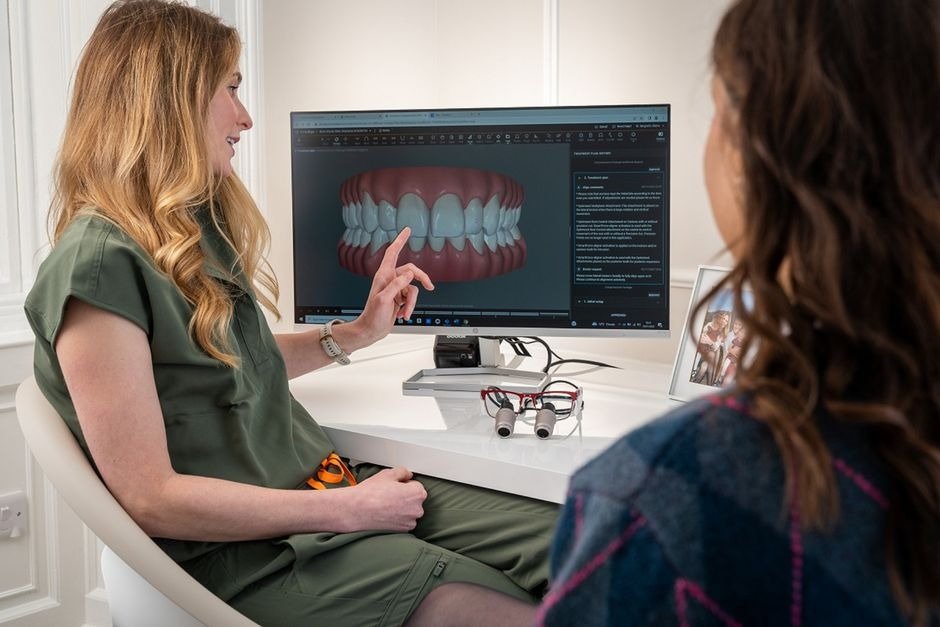
When people consider braces or clear aligners, the first thing they often imagine is a straighter, more attractive smile. While appearance is an important benefit, orthodontic treatment can also influence eating habits, oral hygiene, comfort, and confidence. In Canal Winchester, where the population reached an estimated 10,058 residents in July 2025, growing families and busy professionals have plenty of reasons to consider how dental care fits into everyday routines. Understanding these practical changes can help you approach treatment with realistic expectations and a clearer sense of its long-term value.
A Better Bite Changes How You Eat
Straight teeth are noticeable, but the way your upper and lower teeth meet can be equally important. When a bite is misaligned, chewing may feel uneven, certain foods can become uncomfortable, and individual teeth may experience excessive pressure.
Over time, an uneven bite can contribute to tooth wear, chipped enamel, and jaw discomfort. Some people also develop habits such as chewing predominantly on one side without realizing it. Orthodontic treatment can help correct alignment and bite problems, although the benefits depend on the individual’s condition and treatment plan.
For families exploring their options, finding the best orthodontist in Canal Winchester can be an important step toward understanding which approach may improve both dental function and appearance.
The goal is not simply to create evenly spaced teeth. It is to help the teeth work together comfortably while supporting healthy oral function. A professional assessment can identify problems that may not be obvious when looking at a smile in the mirror.
Everyday Habits Change From the First Week
Starting orthodontic treatment often means making small adjustments to familiar routines. Meals may require more thought, brushing can take longer, and snacks that once seemed harmless may become less convenient.
Traditional braces require extra care around brackets and wires. Hard foods can damage appliances, while sticky sweets may become difficult to remove. Cutting firmer foods into smaller pieces and choosing softer meals when teeth feel tender can make the adjustment easier.
Clear aligners bring a different set of responsibilities. They are removable, but they must be worn according to the prescribed schedule to achieve the intended movement. Removing them for meals is convenient, yet remembering to clean your teeth before reinserting them requires consistency.
Oral Hygiene Becomes More Important
Keeping teeth clean requires additional attention during orthodontic treatment. Brackets and wires create spaces where food particles and plaque can collect, increasing the importance of thorough brushing and cleaning between teeth.
Patients with braces may benefit from interdental brushes or floss threaders to reach difficult areas. Those using aligners should clean their teeth before putting their trays back in and follow their provider’s instructions for cleaning the appliances themselves.
A useful resource on cleaning teeth with braces explains practical techniques for managing this routine. Developing effective habits early can make daily care easier and help protect the teeth and gums throughout treatment.
Regular dental checkups remain important, too. Orthodontic appointments monitor tooth movement, while routine dental visits help identify cavities, gum inflammation, or other concerns that may develop during treatment.
Timing Can Make a Difference
Orthodontic treatment is not limited to teenagers. Children, adolescents, and adults can all benefit from an evaluation when alignment or bite concerns arise. However, the ideal timing depends on the individual’s dental development and specific needs.
For children, an early assessment can help identify crowding, crossbites, impacted teeth, or concerns involving jaw development. An evaluation does not automatically mean treatment must begin immediately. In some cases, monitoring growth and waiting for the appropriate stage is the most suitable approach.
Teenagers may need to balance appointments with school, sports, and social activities. Adults might consider work commitments, travel, or upcoming personal milestones. These practical factors can influence which treatment method feels manageable.
Modern Treatment Offers Greater Precision
Orthodontics has evolved considerably, with digital scans, imaging, and computer-assisted planning helping professionals assess tooth positions and map proposed movements.
These tools can support treatment planning and progress monitoring, but technology does not eliminate every challenge. Teeth move gradually through the supporting bone, and temporary soreness can occur after adjustments or when switching to a new aligner.
The experience also varies between individuals. Some people adapt quickly, while others need more time to become comfortable with their appliances. The complexity of the case, the chosen method, and adherence to instructions all influence the overall experience.
Rather than expecting a completely effortless process, patients should look for a treatment plan that balances clinical needs with everyday practicality.
The Right Plan Should Fit Your Lifestyle
Two people with similar-looking teeth may need different approaches. A student participating in contact sports, for example, may require specific advice about mouthguards. Someone who travels frequently might prioritize appointment scheduling, while another person may prefer a treatment option that can be removed for meals.
These considerations deserve attention alongside clinical recommendations. Patients should understand the expected appointment frequency, how to handle a damaged appliance, and what happens if progress takes longer than anticipated.
Financial planning matters as well. Before starting, ask about the total estimated cost, payment arrangements, insurance coverage where applicable, and whether retainers are included. Clarifying these details helps you compare options without focusing exclusively on the initial price.
Good communication also makes it easier to raise concerns about discomfort, changes in routine, or difficulties following instructions. Treatment is a shared process, and informed patients are better equipped to participate in decisions about their care.
Retainers Protect the Progress You Make
Completing braces or aligner treatment can feel like reaching the finish line. However, the teeth can shift after active treatment, which is why retention is an essential part of maintaining the results.
Retainers help hold teeth in their corrected positions while the surrounding tissues adapt. Depending on the case, an orthodontic professional may recommend removable retainers, a fixed retainer, or a combination of approaches.
The instructions vary, so patients should follow their individual retention plan rather than assuming occasional use is sufficient. Removable retainers also need proper cleaning and safe storage to prevent damage or loss.
It is easy to overlook retention once appointments become less frequent. Establishing a consistent routine helps protect the progress achieved during treatment and reduces the risk of unwanted movement.
A Healthier Smile Is About More Than Appearance
A straighter smile can improve confidence during conversations, photographs, and professional interactions. Yet the value of orthodontic care extends beyond aesthetics when treatment addresses genuine functional problems.
Improved alignment may make some areas easier to clean, while correcting certain bite problems can help distribute chewing forces more appropriately. The actual benefits depend on the starting condition, oral health, and treatment outcome; straight teeth alone do not guarantee freedom from dental problems.
The most useful approach is to consider how orthodontic treatment could improve your particular circumstances. Ask questions, understand the commitment, and weigh the likely benefits against the time, cost, and maintenance involved.
Ultimately, orthodontics is a process that reaches into everyday life, from the foods you choose to the habits you build. With realistic expectations, professional guidance, and consistent care, treatment can become a manageable step toward a healthier, more comfortable smile.

Botox is often described as either a miracle wrinkle fix or a shortcut to an expressionless face. The truth is more measured: it is a medical treatment with specific uses, temporary effects, and risks worth understanding before an appointment. In the United States, 9.9 million neuromodulator injections were reported in 2024, underscoring the importance of informed decisions. If you are considering treatment in Irvine, start by learning what the injections can realistically change and how to choose a qualified provider.
Botox Works by Relaxing Targeted Muscles
Botox is a brand name for onabotulinumtoxinA, one formulation of botulinum toxin type A. In small, controlled doses, it temporarily reduces signals that tell selected muscles to contract. This can soften dynamic wrinkles: lines that form when you frown, squint, or raise your eyebrows.
It does not work like a dermal filler. Rather than adding volume beneath the skin, it reduces the repeated muscle movement that creates certain lines. Wrinkles visible when the face is relaxed may respond less fully and can require a different approach. A qualified clinician should assess facial movement, muscle strength, skin quality, and medical history before recommending treatment.
Small Treatment Areas Require Careful Planning
Common cosmetic treatment areas include forehead lines, frown lines between the eyebrows, and crow’s feet beside the eyes. These areas can respond well when injections are planned for the individual rather than applied according to a standard pattern.
A few millimeters can influence brow position and expression. Muscle strength, natural asymmetry, and eyelid or brow shape all affect the plan. During a consultation, the injector should observe your face at rest and while you speak, smile, and make expressions.
A Good Consultation Is More Than a Before-and-After Gallery
A thoughtful, individualized consultation should cover your medical history, prior cosmetic procedures, allergies, medications, pregnancy or breastfeeding, and any neuromuscular conditions. Explain what concerns you and whether you prefer subtle softening or a more noticeable change.
If you’re exploring options for Botox Irvine, CA, has plenty to consider. When comparing providers, look beyond promotional offers and before-and-after photos to understand their qualifications, approach to treatment, and commitment to patient safety.
A thorough consultation and personalized treatment plan should always take priority over rushed promises.
Results Take Time, Even When the Appointment Is Brief
The injections themselves usually take only a few minutes once the plan is settled. Most people describe the sensation as a brief pinch, and many return to ordinary activities the same day. However, results are not immediate. Changes may begin within several days, with the full effect often clearer around 10 to 14 days.
Scheduling too close to a wedding, interview, or celebration leaves little time to assess the result or discuss concerns with your provider. Ask when to expect changes and when a follow-up assessment would be appropriate.
Natural Results Depend on Restraint and Anatomy
People who want Botox that does not look obvious usually want to appear rested while keeping normal expression. That depends on the treatment plan, dosing, and understanding of facial anatomy. Too much product can restrict movement more than intended; too little may not address the concern evenly.
Forehead treatment requires particular care because brow position and eyelid heaviness can affect the result. Existing asymmetry, hooded eyelids, and the way a person uses forehead muscles should be considered before treatment. Careful, individualized assessment and realistic expectations can reduce avoidable surprises.
Understand the Risks Before You Decide
Temporary redness, tenderness, swelling, or bruising can occur at injection sites. Headache, uneven results, or eyelid or brow drooping may also occur. Serious reactions are uncommon but possible. Seek urgent medical care if you experience difficulty breathing or swallowing, slurred speech, or widespread muscle weakness after an injection.
For safety, review the CDC’s guidance on botulinum toxin injections, including advice to use a properly licensed, trained provider and ask whether the product comes from an authorized source. Avoid injections from unlicensed individuals, informal settings, or products bought online. Tell your clinician about relevant medical conditions and medicines before treatment.
Think About Maintenance and Total Cost
Cosmetic results commonly last about three to four months, although duration varies by person, product, dose, and treatment area. Botox is not permanent, so maintaining the effect usually means planning for repeat visits and recurring costs.
Ask what the estimate includes, how dosing is determined, whether follow-up is available, and who will perform the injections. A discount is not worthwhile if the provider cannot explain the plan, the product source, or the safeguards in place. Be cautious of pressure to purchase more treatment than you want.
Botox Is One Option, Not a Complete Skin Plan
Botox can help with selected expression lines, but it does not replace sun protection, skincare, or treatments designed for pigmentation, texture, acne scarring, or volume loss. If your main concern is a deep line visible at rest or uneven skin tone, injections may address only part of the issue.
The American Academy of Dermatology’s overview of botulinum toxin therapy explains common uses, expected timing, and how long results may last. Use reliable information to prepare questions, then discuss your individual goals with a qualified clinician rather than relying on social media claims.
Make the Decision With Clear Expectations
Before agreeing to treatment, ask which muscles will be treated, why the proposed dose suits you, when results should peak, what side effects to watch for, and how to reach the provider with concerns. You should feel comfortable pausing or declining if your questions are not answered.
The best first appointment is not the one that promises a flawless face. It is the one that gives you realistic information, respects your preferences, and prioritizes safety. Treat Botox as a medical decision with aesthetic goals, and you will be better prepared to decide whether it fits your needs.
Health
Understanding the Differences Between Natural Aging, Premature Skin Damage, and Treatable Cosmetic Concerns


Every face changes over time, yet not every change comes from the same cause. Some shifts arrive quietly with the passing years, while others appear early because of sun exposure, stress, or daily habits that wear down the complexion faster than expected. A third group sits somewhere in between, made up of concerns that can be softened or improved with the right care.
People in Beverly Hills, like people everywhere, often notice a new line or a change along the jaw and wonder which of these groups it belongs to. Knowing the difference makes it far easier to respond calmly, set realistic goals, and choose care that actually suits the face in the mirror.
When the Lower Face Starts to Change
Many people first notice the passing years around the jaw, the chin, and the neck rather than around the eyes. As the skin loses some of its natural firmness, the jawline can soften, and early jowls may begin to form along the lower face. Clinical tightening care uses gentle, targeted heat to encourage firmer support beneath the surface without the need for surgery.
If you want to learn more about skin tightening Beverly Hills has practitioners who can explain which approach suits the changes you are noticing and what kind of progress feels realistic. A clear conversation at this early stage helps you understand your options before deciding anything.
What Natural Aging Really Looks Like
Natural aging is the slow, steady process that happens to everyone, regardless of how carefully they live. Over many years, the body makes less of the proteins that keep the face full and springy. The result is a gradual softening of contours, a little more looseness around the neck, and fine lines that settle in where the face moves most, such as around the eyes and across the forehead.
These changes tend to appear evenly on both sides of the face and develop at a gentle pace. They are influenced by genetics, which is why some families keep a smooth complexion well into later life while others see lines appear sooner.
Signs That Point to Premature Damage
Premature damage looks different because it arrives earlier than expected and often appears unevenly. The most common cause is long-term sun exposure without protection. Over time, the sun can leave behind dark spots, a rough or leathery texture, broken surface vessels, and deep creases that seem out of step with a person’s age.
Other habits play a part as well. Smoking reduces blood flow to the face and can leave the complexion dull and gray. Poor sleep, heavy stress, and a diet low in fresh foods can also make the face look tired and older than it is.
Why Lifestyle Plays Such a Large Role
Daily choices shape how the face ages far more than many people realize. Small, repeated habits add up across years, for better or worse. Someone who protects their face from strong sunlight, drinks enough water, and gets steady rest gives the body a better chance to repair itself each night.
On the other hand, regular sunburns, frequent tanning, and constant late nights put extra strain on the body’s natural repair work. The encouraging part is that it is never too late to improve these habits. Even after damage has appeared, better routines can slow further changes and help any professional care last longer.
Concerns That Respond Well to Care
Some cosmetic concerns sit in a middle ground. They are neither purely natural nor entirely the result of damage, and they often respond well to the right attention. Examples include mild sagging, uneven texture, old acne marks, fine lines around the eyes, and patches of uneven color.
These concerns share one useful trait: they usually affect the outer layers or the supporting structure in ways that modern care can gently improve. The goal is rarely to erase every sign of life from a face. Instead, it is to restore a fresher, more even appearance that still looks like the same person.
How to Tell the Difference at Home
A few simple observations can help you sort one concern from another before speaking with anyone. Start by looking at where the change appears. Even gentle changes spread across the whole face usually point toward natural aging. Patchy color, rough texture, or lines in sun-exposed areas lean toward premature damage.
Next, think about timing. A change that appeared slowly over many years is likely part of normal aging, while one that showed up quickly or seems advanced for your age may have another cause. Finally, compare both sides of your face in natural daylight. Uneven changes often have an outside cause, while balanced changes tend to follow the body’s natural clock.
Building a Protective Daily Routine
Whatever the cause of a concern, a steady routine helps protect the progress you make. Daily sun protection is the most valuable habit of all, even on cloudy days and during short trips outdoors. A broad-brimmed hat and sunglasses add extra shade for the face and the delicate area around the eyes.
Gentle cleansing, a simple moisturizer, and plenty of water keep the complexion comfortable and calm. A plain routine followed every day usually outperforms a complicated one followed now and then.
Setting Realistic Expectations for Results
Understanding what care can and cannot do helps protect both your budget and your peace of mind. Natural aging can be softened and slowed, but it cannot be stopped. Premature damage can often be improved a great deal, especially when protective habits change at the same time. Concerns in the middle ground tend to respond steadily, with gradual progress across several weeks.
Patience is part of the process. The body repairs itself on its own schedule, and the most natural-looking outcomes usually come from steady, measured steps rather than dramatic changes all at once. Clear goals make every choice feel confident and less stressful.

Pool Maintenance: The Hidden Business Costs of Neglecting Your Facility

Prevention Cloud: A Complete Guide to Workplace Wellness and Cloud Security

Neatie: Personalized Jewelry, Custom Necklaces, and Complete Buying Guide
Who Is Gale Burnick? The Story Of George R. R. Martin’s Ex Wife

Who Is Hermann Nicoli? The Full Story Of Candice Swanepoel’s Former Fiancé

Who Is Alicia Dove? The Life Story Of Corey Taylor’s Wife
-
Celebrity4 months ago
Who Is Gale Burnick? The Story Of George R. R. Martin’s Ex Wife
-
 Celebrity4 months ago
Who Is Hermann Nicoli? The Full Story Of Candice Swanepoel’s Former Fiancé
-
 Celebrity4 months ago
Who Is Alicia Dove? The Life Story Of Corey Taylor’s Wife
-

 Celebrity4 months ago
Meet Carole Rogers: Everything to Know About Kenny Rogers’ Daughter
-

 Celebrity4 months ago
Who Is Anna Hillinger? The Full Life Story Of Mike Shinoda’s Wife
-

 Celebrity4 months ago
Who Is Sydney Davis? The Full Story Of Billy Bush’s Ex Wife
-

 Celebrity4 months ago
Who Is Demacio Castellon? Life Story Of Nelly Furtado’s Ex Husband
-

 Blog2 months ago
What Is Sosoactive? A Complete Guide to the Digital Platform
Pingback: Halcare Cream: Complete Guide to Diabetic Foot Care - The Roman Magazine