
Health
Halcare Cream: Complete Guide to Diabetic Foot Care


Halcare Cream is a foot care product made by Halberd Pharmaceuticals in India. It is mainly used for dry feet, cracked heels, and rough skin. The cream contains urea, glycerin, aloe vera, cocoa butter, and other ingredients that help soften skin and keep it moist.
It is also sold as a diabetic foot care cream. It may help reduce dryness and support the skin’s natural barrier. However, it does not treat diabetic foot ulcers, infections, or deep wounds.
How Does Halcare Cream Work?
The skin needs water to stay soft. When it loses too much water, it becomes dry and rough. Small cracks may form around the heels. These cracks can get worse if the skin stays dry.
The cream contains urea and glycerin. These ingredients help the skin hold water. Cocoa butter, petroleum jelly, and liquid paraffin help keep moisture inside the skin. This makes dry areas feel softer.
Other ingredients help protect the skin from water loss. Regular use may help reduce dryness and rough patches. Results depend on the skin’s condition and how the cream is used.
Key Ingredients in Halcare Cream
Halcare contains several ingredients that help care for dry skin. Some add moisture, while others help keep it inside the skin. These ingredients are often used in creams for rough feet and cracked heels.
The main ingredients include urea, glycerin, aloe vera, cocoa butter, zinc oxide, vitamin E, and L-arginine. Each has a different role in skin care.
| Ingredient | Main Use |
|---|---|
| Urea | Softens thick, dry skin |
| Glycerin | Helps skin hold water |
| Aloe Vera | Soothes and moistens skin |
| Propylene Glycol | Helps keep skin moist |
| Cocoa Butter | Softens rough skin |
| Liquid Paraffin | Helps stop water loss |
| White Petroleum Jelly | Helps keep moisture in |
| Zinc Oxide | Helps protect the skin |
| Vitamin E | Supports skin care |
| L-Arginine | An amino acid in the cream |
| Dimethicone | Forms a protective layer |
| Cetyl and Stearyl Alcohol | Soften skin and improve cream texture |
Urea helps soften thick skin and remove dead skin cells. Glycerin helps the skin hold water. Both are useful for dry and rough heels.
Petroleum jelly and liquid paraffin help stop moisture loss. Aloe vera can soothe dry skin, while zinc oxide helps protect it. The cream’s effects depend on its full formula.
Main Uses of Halcare Cream
Halcare is mainly used for dry and rough feet. It may help people who have hard heels or small cracks caused by dryness. It can also be used as part of a daily foot care routine.
The cream is sold for diabetic foot care. However, it does not treat diabetes. It helps manage dry skin but should not be used to treat foot ulcers, infections, or deep wounds.
Common uses include:
- Dry feet: Adds moisture to dry skin.
- Cracked heels: Softens skin around small cracks.
- Rough skin: Helps make hard areas smoother.
- Thick skin: Urea helps soften dead skin.
- Diabetic foot dryness: Helps keep healthy skin moist.
For example, people who stand for long hours may develop dry heels. A foot cream may help soften the skin. Deep, painful, or bleeding cracks need medical care.
Halcare Cream Benefits for Dry Skin
Dry skin may feel tight, rough, or itchy. It can also become flaky or cracked. A moisturizing cream helps by adding moisture and reducing water loss.
Halcare contains ingredients used to care for dry skin. These may help make the feet feel softer and more comfortable. The cream is made for feet, where the skin is often thick.
Urea and glycerin help the skin hold water. Petroleum jelly and cocoa butter help keep moisture inside. Regular use may help soften rough areas.
The cream also helps support the skin’s natural barrier. Moist skin is less likely to become hard and stiff. This may help reduce cracks caused by dryness. However, some skin problems need medical treatment.
Halcare Cream for Diabetic Foot Care
People with diabetes need to care for their feet each day. High blood sugar can damage nerves and affect blood flow. Nerve damage may also reduce sweating in the feet. This can make the skin dry and more likely to crack.
Small cracks can become serious for people with diabetes. Some may lose feeling in their feet and fail to notice an injury. Poor blood flow can also slow healing. Daily foot checks are important.
Halcare is sold for diabetic foot care because it helps keep dry skin moist. It can be applied to clean, dry, unbroken skin as directed. People with diabetes should avoid putting cream between their toes unless a doctor advises it.
Foot cream is only one part of diabetic foot care. People should check their feet daily and wear shoes that fit well. The cream is not proven to prevent or heal diabetic foot ulcers. Anyone with an open sore, swelling, redness, or signs of infection should seek medical care.
Halcare Cream for Cracked Heels
Cracked heels happen when the skin becomes dry, thick, and hard. Standing for long hours, wearing open shoes, and walking barefoot can make the problem worse.
Halcare Cream contains urea and glycerin, which help soften dry skin. Urea helps remove dead skin, while glycerin adds moisture. Petroleum jelly helps keep that moisture inside.
Regular use may help with dry heels and small cracks. Deep cracks can cause pain, bleeding, or infection. See a doctor if the cracks are deep or show signs of infection.
How to Use Halcare Cream?
Wash your feet with mild soap and water before using the cream. Dry them with a clean towel. Make sure the skin between your toes is dry.
Apply the cream to dry areas as directed on the label. Spread it gently over the heels and rough skin. Do not use it on open wounds or infected skin without medical advice.
Follow the product label for how often to apply it. People with diabetes should avoid putting cream between their toes unless a doctor advises it. Too much moisture in these areas can harm the skin.
Possible Side Effects of Halcare Cream
Some people may have skin reactions after using the cream. These may include redness, itching, burning, or a rash. People with sensitive skin may be more likely to react.
The cream contains several skin care ingredients. Some people may be allergic to one or more of them. Check the full ingredient list before use.
Stop using the cream if irritation occurs. Wash the area and seek medical advice if the problem continues. Get urgent help if you have trouble breathing or swelling of the face or throat.
Precautions Before Using Halcare
Read the product label before using the cream. Check the ingredients for anything that may cause an allergy. Use it only as directed.
Do not apply the cream to deep cuts, open wounds, or infected skin without medical advice. People with diabetes need extra care because small foot injuries can become serious.
Check your feet each day for cuts, cracks, redness, or swelling. See a doctor if you notice a wound or signs of infection. Foot cream cannot replace medical treatment.
Who Can Use Halcare Cream?
Halcare is made for people with dry feet, rough heels, or thick skin. It helps add moisture and soften dry areas.
People with diabetes may use it on dry, unbroken skin. Those with poor blood flow, loss of feeling, or foot wounds should ask a doctor before use.
Children and people with skin conditions should seek medical advice first. Pregnant or breastfeeding people should also check with a healthcare professional if unsure about using the cream.
Halcare Cream Price and Availability
Halcare Cream is sold in India through pharmacies and online medical stores. It is listed on Tata 1mg, MedPlus, and the official Halberd Pharmaceuticals website.
A 100 ml pack has been listed online. Prices may differ by seller and location. Check the current price and stock before buying.
Buy from a trusted pharmacy or seller. Check the pack seal, expiry date, and ingredient list. Avoid damaged or expired products.
Halcare Cream vs Regular Foot Cream
Regular foot creams help keep skin soft and moist. Many contain glycerin, oils, or petroleum jelly. These ingredients help stop the skin from losing water.
Halcare is made for intensive foot care. It contains urea, which helps soften thick and rough skin. Glycerin and cocoa butter also help keep the skin moist.
A basic foot cream may be enough for mild dryness. Creams with urea may help with thick, dry heels. People with diabetes should choose products that suit their skin needs.
Tips for Healthy Feet Along With Halcare
Good foot care helps prevent dryness and skin damage. Wash your feet daily and dry them well. Wear shoes that fit and do not rub against your skin.
Avoid walking barefoot on rough ground. Wear clean socks and comfortable shoes. Do not cut hard skin with sharp tools, especially if you have diabetes.
Simple foot care tips include:
- Wash your feet with mild soap and warm water.
- Dry your feet well, mainly between the toes.
- Use a suitable cream on dry, unbroken skin.
- Wear clean socks and comfortable shoes.
- Check your feet daily for cuts and cracks.
- See a doctor for deep cracks or wounds.
People with diabetes should check their feet every day. Nerve damage can make small cuts hard to feel. Daily checks help find problems early.
Conclusion
Halcare Cream is a foot moisturizer made by Halberd Pharmaceuticals. It is used for dry feet, rough skin, and cracked heels. Ingredients such as urea, glycerin, and cocoa butter help soften skin and keep it moist.
The cream may help with daily foot care, including for people with diabetes. However, it does not treat infections, deep wounds, or diabetic foot ulcers. Follow the product label and seek medical care for serious foot problems.
FAQs
What is Halcare Cream used for?
It is used to moisturize dry feet, soften rough skin, and help with cracked heels.
Is Halcare Cream good for diabetic feet?
It may help keep dry, unbroken skin moist, but it does not treat diabetic foot ulcers.
Can Halcare Cream heal cracked heels?
It may help with small cracks caused by dryness, but deep or infected cracks need medical care.
What are the main ingredients in Halcare Cream?
Its ingredients include urea, glycerin, aloe vera, cocoa butter, zinc oxide, and vitamin E.
Does Halcare Cream have any side effects?
Some people may experience redness, itching, burning, or skin irritation.
Read Also: Metronidasool Guide: Benefits, Uses, and Side Effects
Health
Breast Augmentation in Turkey: Implant Choices, Surgical Planning and Long-Term Considerations


Breast volume and shape vary naturally between individuals, and personal preferences regarding breast size can change over time. Some women consider augmentation because of naturally smaller breasts, while others seek to address volume changes after pregnancy or weight loss. For patients researching breast augmentation in Turkey, understanding implant selection, anatomical limitations and long-term maintenance is an important part of the decision. Breast augmentation can increase volume and modify breast proportions, but choosing an appropriate surgical approach requires more than selecting an implant size.
What Is Breast Augmentation?
Breast augmentation, also called augmentation mammoplasty, is a surgical procedure intended to increase breast volume or modify breast shape.
The most common approach involves placing breast implants within a surgically created pocket.
In selected cases, fat transfer may provide a more modest increase in volume.
The appropriate technique depends on the patient’s anatomy, desired change, available tissue and medical suitability.
Breast augmentation is not necessarily intended to create a dramatic increase in size. Some patients seek relatively subtle changes that complement their existing proportions.
Why Do Patients Consider Breast Augmentation?
Reasons for considering surgery differ considerably.
Some patients have naturally limited breast volume and would prefer greater fullness.
Others experience volume reduction after pregnancy, breastfeeding or significant weight loss.
Breast asymmetry may also influence the decision, although complete symmetry cannot be guaranteed.
Common objectives include:
- Increasing breast volume
- Improving upper-breast fullness
- Addressing selected volume asymmetries
- Modifying breast proportions
- Restoring volume after weight changes
The surgeon should assess whether augmentation alone can reasonably achieve the desired result.
Choosing Breast Implant Size
Implant size is commonly discussed in cubic centimeters rather than bra cup letters.
However, the same implant volume can produce different appearances depending on chest width, existing breast tissue and body proportions.
A suitable implant should be selected according to several measurements, including:
- Breast base width
- Chest dimensions
- Existing tissue thickness
- Skin elasticity
- Breast position
- Desired projection
- Overall body proportions
Selecting a larger implant does not automatically produce a more attractive or appropriate result.
Excessive implant size relative to tissue support can contribute to long-term complications.
Round and Anatomically Shaped Implants
Breast implants are available in different shapes and profiles.
Round Implants
Round implants have a symmetrical shape and may provide different degrees of projection depending on the selected model.
Their final appearance depends on implant dimensions, tissue coverage and placement.
Anatomically Shaped Implants
Anatomically shaped implants are designed with a tapered contour.
They may be considered for selected anatomical requirements, although they introduce considerations related to rotation and implant surface characteristics.
Neither shape is universally superior.
The surgeon should explain the benefits and limitations of the specific implant models being considered.
Implant Surface and Material
Breast implants differ in shell characteristics, filling material and surface texture.
Silicone gel implants are commonly used in aesthetic breast augmentation.
Implant selection should include discussion of the manufacturer’s information, expected performance and known complications.
Certain textured implants have been associated with breast implant-associated anaplastic large cell lymphoma, or BIA-ALCL, a rare but serious condition.
Patients should understand which implant type is proposed and why.
Implant choice should never be based solely on appearance or promotional descriptions.
Where Are Breast Implants Placed?
The implant pocket may be created in different anatomical planes.
Subglandular Placement
The implant is positioned behind the breast tissue and in front of the pectoral muscle.
This approach may be considered when tissue coverage is adequate.
Submuscular and Dual-Plane Placement
Other techniques position the implant partly or more extensively beneath the pectoral muscle.
A dual-plane approach combines aspects of muscle coverage and breast tissue positioning.
The appropriate pocket depends on existing tissue thickness, breast anatomy, implant characteristics and the surgeon’s assessment.
Each approach has advantages and potential limitations.
Where Are the Incisions Made?
Common incision locations include the breast crease, the border of the areola and, in selected techniques, the armpit.
The choice depends on implant type, anatomy and surgical approach.
Every incision creates a scar, although the surgeon aims to place it as discreetly as possible.
Patients should discuss scar location, possible sensory changes and the implications of each technique before surgery.
Breast Augmentation Versus Breast Lift
Augmentation and lifting address different anatomical concerns.
Implants increase volume, while a breast lift repositions sagging tissues and removes excess skin.
Patients with significant ptosis may not achieve an appropriate result through augmentation alone.
In some cases, a combined augmentation and mastopexy may be considered.
However, combining procedures can increase complexity and requires careful evaluation of tissue support and wound healing.
What Happens During Recovery?
Swelling, bruising, tightness and discomfort are common during early recovery.
Patients may initially feel pressure across the chest, particularly when implants are placed beneath the muscle.
A supportive surgical bra may be recommended.
Heavy lifting and strenuous upper-body exercise are generally restricted until healing has progressed.
When Will the Breasts Settle?
Immediately after surgery, the breasts may appear swollen or sit higher than their eventual position.
As swelling decreases and tissues adapt, the appearance gradually changes.
Several months may be required before the contour can be assessed more reliably.
Individual recovery varies according to implant placement, tissue characteristics and surgical technique.
Are Breast Implants Permanent?
Breast implants are not considered lifetime devices.
Although routine replacement at a fixed interval is not necessary for every patient, implants may require future monitoring, imaging or additional surgery.
Potential reasons for revision include rupture, capsular contracture, changes in breast shape, implant displacement or personal preference.
Patients with silicone implants should discuss the recommended imaging surveillance schedule with their healthcare provider.
Long-term planning is an essential part of informed consent.
Risks and Possible Complications
Breast augmentation carries general surgical risks such as infection, bleeding, anesthesia-related complications and wound-healing problems.
Implant-specific concerns include:
- Capsular contracture
- Implant rupture
- Implant displacement
- Rippling
- Changes in nipple or breast sensation
- Asymmetry
- Need for revision surgery
Rare implant-associated malignancies, including BIA-ALCL and reported cases of implant-associated squamous cell carcinoma, should also be discussed in the context of current medical guidance.
Breast implants may affect breastfeeding in some patients, and future breast imaging requires appropriate communication with healthcare providers.
Breast Augmentation in Istanbul for International Patients
Patients considering breast augmentation in Istanbul should evaluate the surgeon’s specialist qualifications, the hospital environment and the implant models being offered.
The consultation should explain why a particular implant size, shape and placement is appropriate.
International patients should also establish a postoperative monitoring plan and understand how implant-related concerns will be managed after returning home.
Travel arrangements should allow time for early follow-up and account for restrictions on lifting heavy luggage.
Making an Informed Breast Augmentation Decision
Breast augmentation can increase volume and improve selected aspects of breast proportion, but successful planning depends on matching the surgical approach to individual anatomy and expectations.
Implant characteristics, tissue support, incision placement and long-term maintenance should all be considered before treatment.
Patients researching breast enlargement techniques, implant options and recovery can find further information at https://muratdiyarbakirlioglu.com/en/. A comprehensive consultation can help determine whether implants, fat transfer or another breast procedure is most appropriate while ensuring that surgical risks and future monitoring requirements are clearly understood.

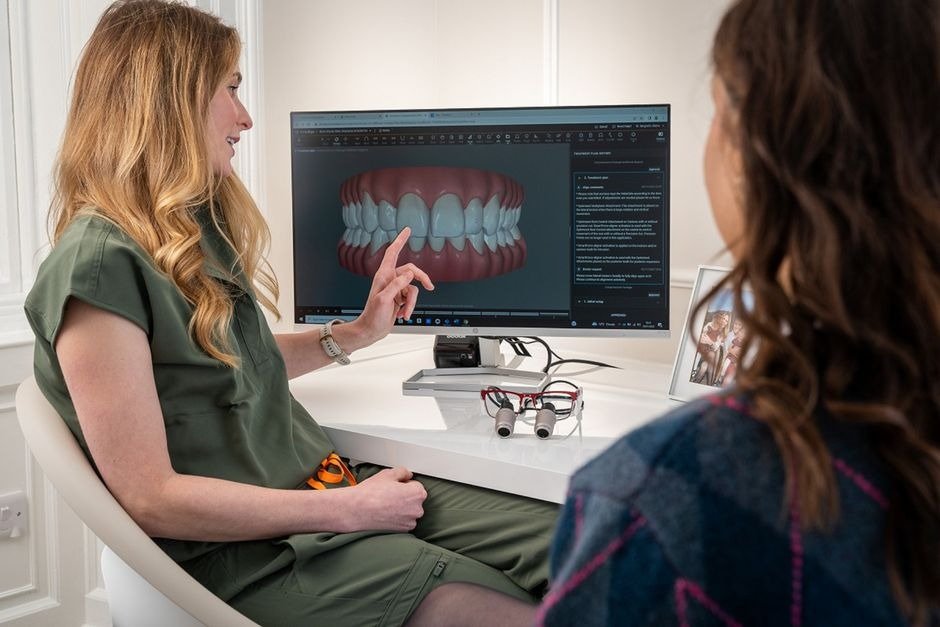
If you’re dealing with a missing tooth, the problem rarely stays cosmetic for long. Your bite can shift, chewing gets awkward, and even the way you speak may change over time. In a coastal town like Lantana, where daily life often means social events, outdoor dining, and constant face-to-face interaction, dental decisions can feel especially visible. Before you commit to any treatment, it helps to understand what tooth replacement actually involves and what separates a quick fix from a durable one.
What an Implant Actually Is and Why Dentists Recommend It
A dental implant is usually a titanium post placed into the jawbone, where it integrates through a process called osseointegration. After healing, an abutment and crown are attached to create a replacement tooth that functions more like a natural one.
This option gets recommended often because it is conservative in one specific way: it doesn’t require sacrificing adjacent teeth. If you’re comparing longevity and biomechanics, that point carries weight.
Patients exploring dental implants in Lantana, FL are typically looking for more than cosmetic repair. They want stability, cleaner chewing mechanics, and a result that feels less like a workaround. In the right case, implants can deliver exactly that, provided your bone and gum health support placement.
A Missing Tooth Changes More Than Your Smile
You may think one missing tooth is manageable, especially if it’s not front and center. The reality is more technical. Once a tooth is gone, the underlying alveolar bone starts to resorb because it no longer gets stimulation from the root.
That loss can gradually affect adjacent teeth, occlusion, and facial support. You might notice food trapping in places that never used to be a problem, or that one side of your mouth starts doing most of the chewing. Dentists look at this as a functional issue, not just an aesthetic one.
For teenagers and young adults, the long-term consequences matter even more. A shortcut today can create a more expensive restorative case later, especially if spacing, gum health, and bone volume begin to change.
Your Main Replacement Options Each Come With Tradeoffs
You usually have three broad options: a removable partial denture, a fixed bridge, or a dental implant. Each has a different impact on comfort, maintenance, and long-term oral health.
A removable appliance tends to cost less up front, but some people find it bulky or unstable. A bridge stays fixed, which many patients prefer, yet it often requires reshaping the healthy teeth next to the gap. That tradeoff can be hard to ignore if those teeth are otherwise strong.
An implant works differently because it replaces the root as well as the visible crown. That structural detail matters. It can help preserve bone and avoid relying on neighboring teeth for support. Your final choice should match your anatomy, budget, and tolerance for treatment time.
Not Everyone Is an Immediate Candidate, and That’s Normal
You don’t walk into an office, point to a gap, and automatically leave with an implant date. A proper evaluation usually includes digital imaging, a periodontal exam, and a review of your medical history.
Bone density is a major factor. If the tooth has been missing for a long time, there may not be enough bone volume for ideal placement without grafting. Gum disease also needs to be controlled first, since peri-implant tissues need a healthy environment to stay stable.
Age matters too, though not in the way people assume. It’s less about being young or older and more about skeletal development and health status. Vaping, smoking, uncontrolled diabetes, and poor home care can all affect healing and increase complication risk.
The Treatment Timeline Is Longer Than Most People Expect
One reason patients hesitate is simple: implants are rarely instant. Even in straightforward cases, there are stages, and each one affects the final outcome.
You may need an extraction first, followed by healing. Then comes implant placement, and after that, a waiting period for osseointegration. Depending on your case, the crown might be placed a few months later. If bone grafting is involved, the timeline can stretch further.
That delay isn’t inefficiency. It’s biology. Bone and soft tissue need time to remodel and stabilize. Rushing the process can compromise primary stability or esthetic results, especially in visible areas. If you want something durable, patience is part of the treatment plan.
Cost Questions Matter, but Upfront Price Isn’t the Whole Story
You should absolutely ask about cost, itemized fees, and whether diagnostics, grafting, temporary restorations, and the final crown are included. Implant treatment can look expensive until you compare what repeated repairs on other options may add up to over time.
A removable prosthetic may need more adjustments. A bridge may eventually involve decay or failure in the supporting teeth. Those risks don’t make other treatments bad, but they do change the financial picture.
Insurance coverage varies a lot. Some plans cover parts of the process, while others classify implants as elective. Financing options are common in private practices, and they can make a high-quality restoration more realistic. The better question isn’t just “What does it cost now?” but “What am I paying for over ten years?”
Choosing the Right Provider Takes More Than Reading Reviews
Reviews help, but they only show one slice of the picture. You also want to know how the office handles diagnostics, planning, and case selection. Implant dentistry relies on precision, not guesswork.
Ask whether the practice uses 3D imaging such as CBCT scans for surgical planning. Find out who performs the placement and who restores the implant. In some practices, those steps happen in-house; in others, they involve coordinated referral care. Neither model is automatically better, but clarity matters.
Pay attention to how risks are explained. A strong provider won’t promise perfection or skip over healing variables. They’ll discuss bone support, soft tissue management, occlusal load, maintenance, and realistic esthetic expectations in language you can actually understand.
Life After the Procedure Depends on Maintenance, Not Luck
A successful implant still needs regular care. You can’t treat it as a permanent object that takes care of itself just because it won’t get a cavity.
Plaque can still accumulate around the gumline, and peri-implantitis is a real concern. You’ll need solid home care, routine cleanings, and periodic exams so your dentist can monitor the surrounding tissues and bite forces. If you grind your teeth, a night guard may become part of protecting that investment.
The encouraging part is that maintenance is usually straightforward once the area has healed well. Brush carefully, floss or use recommended interdental tools, and keep follow-up appointments. The best implant outcomes often come from patients who understand that replacement teeth still depend on healthy habits.
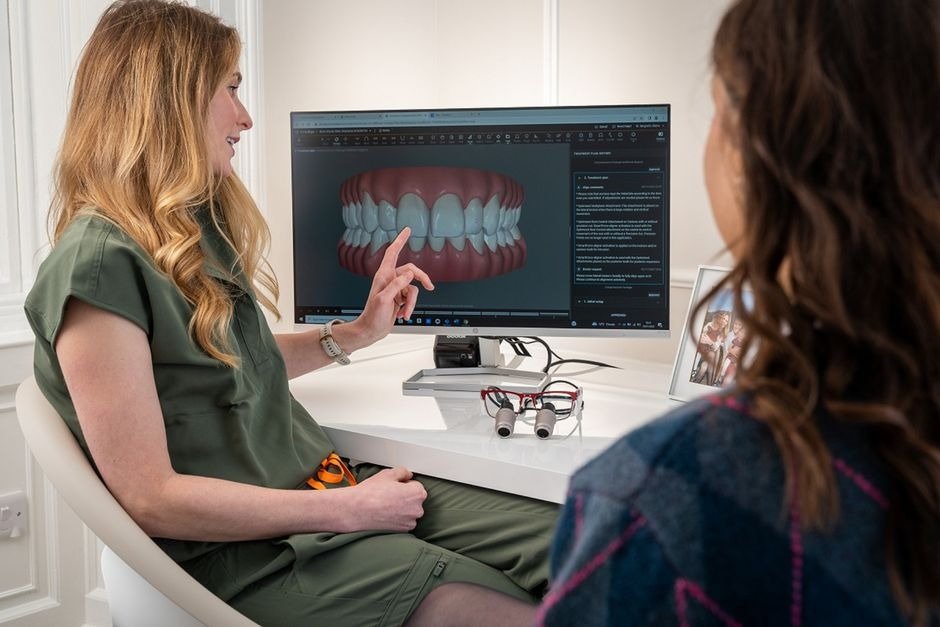
When people consider braces or clear aligners, the first thing they often imagine is a straighter, more attractive smile. While appearance is an important benefit, orthodontic treatment can also influence eating habits, oral hygiene, comfort, and confidence. In Canal Winchester, where the population reached an estimated 10,058 residents in July 2025, growing families and busy professionals have plenty of reasons to consider how dental care fits into everyday routines. Understanding these practical changes can help you approach treatment with realistic expectations and a clearer sense of its long-term value.
A Better Bite Changes How You Eat
Straight teeth are noticeable, but the way your upper and lower teeth meet can be equally important. When a bite is misaligned, chewing may feel uneven, certain foods can become uncomfortable, and individual teeth may experience excessive pressure.
Over time, an uneven bite can contribute to tooth wear, chipped enamel, and jaw discomfort. Some people also develop habits such as chewing predominantly on one side without realizing it. Orthodontic treatment can help correct alignment and bite problems, although the benefits depend on the individual’s condition and treatment plan.
For families exploring their options, finding the best orthodontist in Canal Winchester can be an important step toward understanding which approach may improve both dental function and appearance.
The goal is not simply to create evenly spaced teeth. It is to help the teeth work together comfortably while supporting healthy oral function. A professional assessment can identify problems that may not be obvious when looking at a smile in the mirror.
Everyday Habits Change From the First Week
Starting orthodontic treatment often means making small adjustments to familiar routines. Meals may require more thought, brushing can take longer, and snacks that once seemed harmless may become less convenient.
Traditional braces require extra care around brackets and wires. Hard foods can damage appliances, while sticky sweets may become difficult to remove. Cutting firmer foods into smaller pieces and choosing softer meals when teeth feel tender can make the adjustment easier.
Clear aligners bring a different set of responsibilities. They are removable, but they must be worn according to the prescribed schedule to achieve the intended movement. Removing them for meals is convenient, yet remembering to clean your teeth before reinserting them requires consistency.
Oral Hygiene Becomes More Important
Keeping teeth clean requires additional attention during orthodontic treatment. Brackets and wires create spaces where food particles and plaque can collect, increasing the importance of thorough brushing and cleaning between teeth.
Patients with braces may benefit from interdental brushes or floss threaders to reach difficult areas. Those using aligners should clean their teeth before putting their trays back in and follow their provider’s instructions for cleaning the appliances themselves.
A useful resource on cleaning teeth with braces explains practical techniques for managing this routine. Developing effective habits early can make daily care easier and help protect the teeth and gums throughout treatment.
Regular dental checkups remain important, too. Orthodontic appointments monitor tooth movement, while routine dental visits help identify cavities, gum inflammation, or other concerns that may develop during treatment.
Timing Can Make a Difference
Orthodontic treatment is not limited to teenagers. Children, adolescents, and adults can all benefit from an evaluation when alignment or bite concerns arise. However, the ideal timing depends on the individual’s dental development and specific needs.
For children, an early assessment can help identify crowding, crossbites, impacted teeth, or concerns involving jaw development. An evaluation does not automatically mean treatment must begin immediately. In some cases, monitoring growth and waiting for the appropriate stage is the most suitable approach.
Teenagers may need to balance appointments with school, sports, and social activities. Adults might consider work commitments, travel, or upcoming personal milestones. These practical factors can influence which treatment method feels manageable.
Modern Treatment Offers Greater Precision
Orthodontics has evolved considerably, with digital scans, imaging, and computer-assisted planning helping professionals assess tooth positions and map proposed movements.
These tools can support treatment planning and progress monitoring, but technology does not eliminate every challenge. Teeth move gradually through the supporting bone, and temporary soreness can occur after adjustments or when switching to a new aligner.
The experience also varies between individuals. Some people adapt quickly, while others need more time to become comfortable with their appliances. The complexity of the case, the chosen method, and adherence to instructions all influence the overall experience.
Rather than expecting a completely effortless process, patients should look for a treatment plan that balances clinical needs with everyday practicality.
The Right Plan Should Fit Your Lifestyle
Two people with similar-looking teeth may need different approaches. A student participating in contact sports, for example, may require specific advice about mouthguards. Someone who travels frequently might prioritize appointment scheduling, while another person may prefer a treatment option that can be removed for meals.
These considerations deserve attention alongside clinical recommendations. Patients should understand the expected appointment frequency, how to handle a damaged appliance, and what happens if progress takes longer than anticipated.
Financial planning matters as well. Before starting, ask about the total estimated cost, payment arrangements, insurance coverage where applicable, and whether retainers are included. Clarifying these details helps you compare options without focusing exclusively on the initial price.
Good communication also makes it easier to raise concerns about discomfort, changes in routine, or difficulties following instructions. Treatment is a shared process, and informed patients are better equipped to participate in decisions about their care.
Retainers Protect the Progress You Make
Completing braces or aligner treatment can feel like reaching the finish line. However, the teeth can shift after active treatment, which is why retention is an essential part of maintaining the results.
Retainers help hold teeth in their corrected positions while the surrounding tissues adapt. Depending on the case, an orthodontic professional may recommend removable retainers, a fixed retainer, or a combination of approaches.
The instructions vary, so patients should follow their individual retention plan rather than assuming occasional use is sufficient. Removable retainers also need proper cleaning and safe storage to prevent damage or loss.
It is easy to overlook retention once appointments become less frequent. Establishing a consistent routine helps protect the progress achieved during treatment and reduces the risk of unwanted movement.
A Healthier Smile Is About More Than Appearance
A straighter smile can improve confidence during conversations, photographs, and professional interactions. Yet the value of orthodontic care extends beyond aesthetics when treatment addresses genuine functional problems.
Improved alignment may make some areas easier to clean, while correcting certain bite problems can help distribute chewing forces more appropriately. The actual benefits depend on the starting condition, oral health, and treatment outcome; straight teeth alone do not guarantee freedom from dental problems.
The most useful approach is to consider how orthodontic treatment could improve your particular circumstances. Ask questions, understand the commitment, and weigh the likely benefits against the time, cost, and maintenance involved.
Ultimately, orthodontics is a process that reaches into everyday life, from the foods you choose to the habits you build. With realistic expectations, professional guidance, and consistent care, treatment can become a manageable step toward a healthier, more comfortable smile.

Best LLC Formation Services Compared: Pricing, Features, and Support in 2026

A $95 Jacket on a Rail Where Nothing Else Moves

Vincere Australia Expands Beyond Dream-Car Giveaways Into Specialist Automotive Services
Who Is Gale Burnick? The Story Of George R. R. Martin’s Ex Wife

Who Is Hermann Nicoli? The Full Story Of Candice Swanepoel’s Former Fiancé

Who Is Alicia Dove? The Life Story Of Corey Taylor’s Wife
-
Celebrity4 months ago
Who Is Gale Burnick? The Story Of George R. R. Martin’s Ex Wife
-
 Celebrity4 months ago
Who Is Hermann Nicoli? The Full Story Of Candice Swanepoel’s Former Fiancé
-
 Celebrity4 months ago
Who Is Alicia Dove? The Life Story Of Corey Taylor’s Wife
-

 Celebrity4 months ago
Meet Carole Rogers: Everything to Know About Kenny Rogers’ Daughter
-

 Celebrity4 months ago
Who Is Sydney Davis? The Full Story Of Billy Bush’s Ex Wife
-

 Celebrity4 months ago
Who Is Anna Hillinger? The Full Life Story Of Mike Shinoda’s Wife
-

 Celebrity4 months ago
Who Is Demacio Castellon? Life Story Of Nelly Furtado’s Ex Husband
-

 Blog3 months ago
What Is Sosoactive? A Complete Guide to the Digital Platform
Pingback: What Is a Mietmakler? Complete Rental Guide - The Roman Magazine
Pingback: What Is NippyBox? Features and Shutdown Explained - The Roman Magazine
Pingback: What Is Casance? How It Works and What It Does - The Roman Magazine
Pingback: Voozon.com: A Complete Guide to Its Features and Guest Posting - The Roman Magazine
Pingback: What Is Complio? How It Works for Healthcare Students and Schools - The Roman Magazine