
Home Improvement
More Than a Makeover: How Window and Door Upgrades Improve Home Performance


If you’re thinking about replacing windows or doors, you’re probably focused on style, price, or energy savings. Those matter, but they’re only part of the decision. The bigger issue is how replacement choices affect comfort, noise, resale value, and long-term maintenance. In a place like Las Vegas, where intense sun and heat punish exterior materials year-round, small product details can change how your home performs every day.
Your Climate Should Shape Every Decision
You can’t treat every replacement project the same way across the country. Las Vegas homes deal with brutal UV exposure, long cooling seasons, dust, and dramatic indoor-outdoor temperature differences. A window or door that performs well in a mild coastal climate may struggle badly in the desert.
That means you should pay attention to solar heat gain coefficient, low-E coatings, frame material stability, and insulated glass performance. Vinyl, fiberglass, and some composite frames often handle heat better than lower-grade materials that warp or degrade faster.
If you’re comparing options for doors and windows replacement in Las Vegas, the climate itself needs to be part of your checklist. The wrong product can leave you with hot spots near the glass, fading furniture, and an HVAC system that runs longer than it should.
Energy Ratings Matter More Than Brand Hype
A lot of homeowners get pulled into brand names and showroom appearances. That’s understandable, but performance labels tell you more than marketing language ever will. You should look for measurable ratings from organizations like the National Fenestration Rating Council and product information aligned with ENERGY STAR.
U-factor measures how well a window prevents heat transfer. Solar heat gain coefficient tracks how much solar radiation gets through. Visible transmittance tells you how much natural light enters the room. Air leakage ratings matter too, especially when wind and dust are part of your environment.
A sleek frame means very little if the glass package is weak. You’re not just buying something that looks cleaner from the street. You’re buying a system that affects monthly utility costs, room comfort, and even whether certain spaces feel usable during the afternoon.
Installation Quality Can Make a Great Product Perform Badly
You can buy an excellent window and still end up with a disappointing result. Poor installation can create air leaks, moisture issues, uneven operation, and premature wear. A lot of replacement problems blamed on the product actually begin at the opening.
Installers need to account for shimming, squaring, flashing details, sealants, and how the replacement unit interacts with the existing wall assembly. If the opening is out of alignment or there’s hidden rot around the frame, those issues need attention before the new unit goes in.
You should also ask whether full-frame replacement or insert replacement makes more sense. Inserts are less invasive, but they’re not always the smartest option if the surrounding frame is compromised. In older homes especially, what’s behind the trim often decides the real scope of the job.
The Best Style Choice Depends on How You Actually Live
It’s easy to choose based on appearance alone. Black frames look sharp. Expansive glass feels modern. Sliding doors create a clean transition to the patio. Still, your daily routine should shape the final pick more than a photo gallery does.
Think about ventilation habits, furniture placement, cleaning access, and how often doors get used. Casement windows can improve airflow but may interfere with exterior walkways. Large fixed panes bring in light but don’t open at all. French doors look elegant, yet they need swing clearance that some layouts can’t spare.
Security matters here too. Multi-point locking systems, laminated glass, and reinforced frames can change how protected your home feels. If you have pets, kids, or older family members in the house, threshold height and ease of operation deserve more attention than most buyers initially give them.
Replacement Costs Go Beyond the Quote You First See
The first number you hear is rarely the full financial picture. Material grade, glass upgrades, custom sizing, labor complexity, disposal fees, permit requirements, and finish details can all shift the final cost. If your house has stucco, unusual openings, or older framing, labor may become a bigger line item than you expected.
You should also think beyond installation day. Better-performing products can reduce cooling demand, but payback varies depending on your current windows, thermostat habits, insulation, and electricity rates. Aesthetic upgrades may help resale appeal, though not every feature returns equal value.
According to Remodeling’s Cost vs. Value Report, exterior replacement projects often deliver stronger resale impact than many interior cosmetic upgrades. That doesn’t mean you should expect a perfect return. It means these decisions affect both livability and market perception in ways people often underestimate.
Noise, Dust, and Comfort Are Part of the Upgrade Too
Most people start this process thinking about appearance or energy bills. Then they notice something less obvious after installation: the house feels calmer. Better windows and doors can reduce street noise, limit dust infiltration, and stabilize temperatures near exterior walls.
That matters more than it sounds. If one bedroom always gets too hot by 4 p.m., you use it differently. If traffic noise leaks through thin glass, sleep quality can suffer. If dust keeps collecting on surfaces near old sliders, your home never feels fully sealed.
Double- or triple-pane glass, improved weatherstripping, tighter seals, and better frame construction can improve daily comfort in ways you feel immediately, even if you can’t always describe the technical reason. A replacement project isn’t only about efficiency metrics. It also changes how usable and relaxed your space feels on an ordinary Tuesday.
A Smart Project Starts With Better Questions
Before you sign anything, slow the process down and ask sharper questions. What exact glass package are you getting? What are the NFRC ratings? Is the quote for full-frame or insert replacement? How will installers handle interior trim, exterior finishes, and disposal? What warranty covers labor, not just materials?
You should also ask how the products are expected to perform in extreme heat and high sun exposure. That’s not a minor detail in Southern Nevada. It’s central to whether the investment holds up.
The homeowners who feel best about these projects usually aren’t the ones who picked the fanciest style first. They’re the ones who understood the technical specs, matched the products to local conditions, and treated installation quality as seriously as product design. That approach leads to fewer regrets and a home that works better every single day.

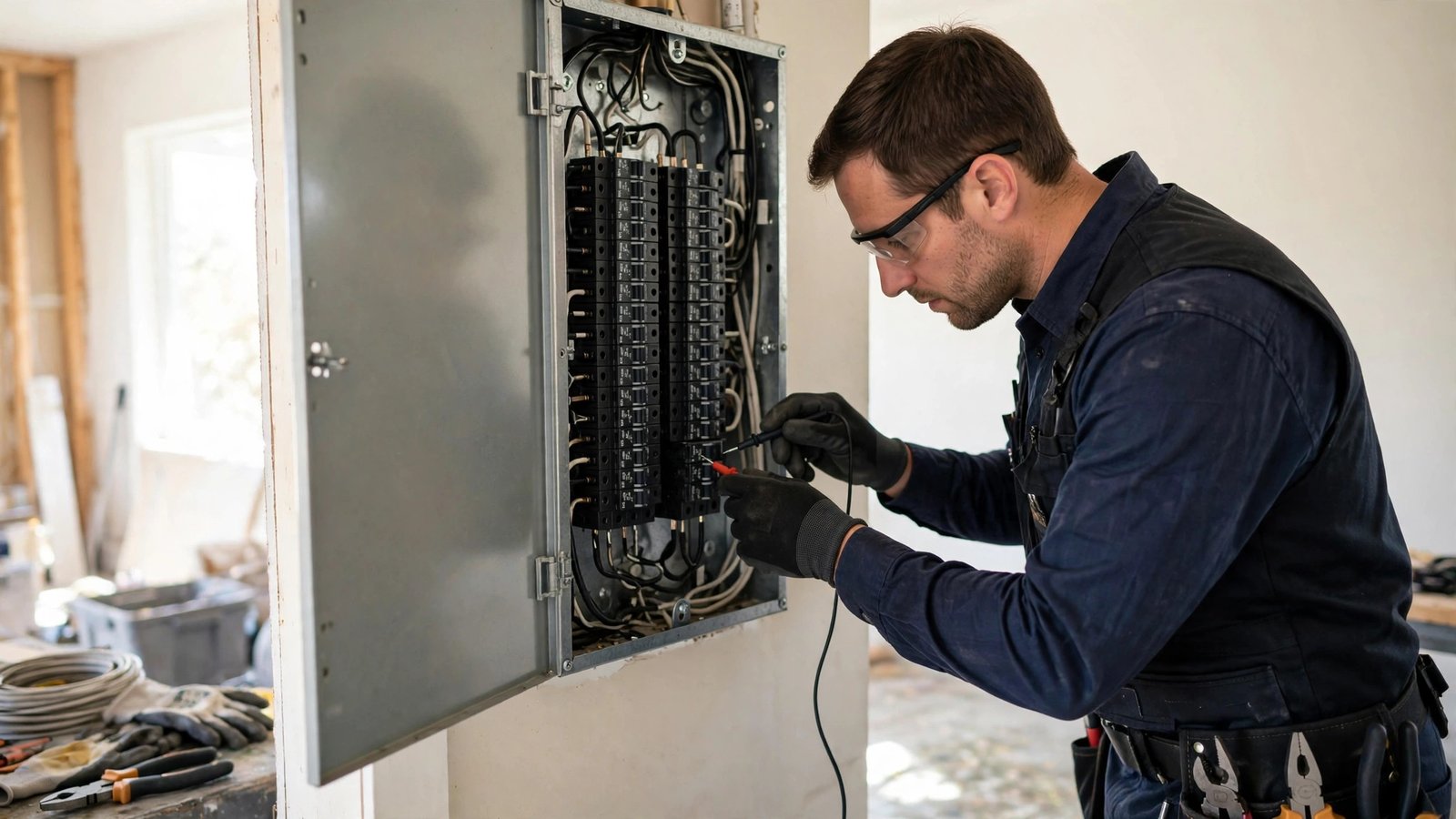
Your electrical panel does a quiet job until your house starts asking more from it than it can handle. That usually happens slowly: a new HVAC system, a garage fridge, faster EV charging, a kitchen remodel, better home office gear. Then the warning signs show up. If you’ve been dealing with flickering lights or tripped breakers, you may be looking at a panel that no longer fits how you live. Knowing what to watch for can save you from expensive damage and serious safety issues.
The electrical panel is your home’s traffic controller
You can think of the panel as the point where utility power gets divided and routed through your house. It controls current to lighting circuits, receptacles, major appliances, and dedicated loads like dryers or air conditioners.
In many older homes, the panel was sized for a very different era. Sixty-amp or 100-amp service once covered the basics. Now you may be running induction cooking, multiple TVs, gaming equipment, heat pumps, smart home devices, and backup power components.
That mismatch matters because the panel is not just a box of breakers. It’s part of your service entrance, load distribution, grounding, and overcurrent protection strategy. Once demand exceeds design capacity, performance and safety both start to slip.
Small warning signs often show up before a major failure
Most panel problems don’t announce themselves dramatically at first. You’re more likely to notice small irritations that become routine. Maybe the microwave and toaster trip the same breaker. Maybe the bathroom lights dim when the hair dryer turns on.
You should also pay attention to warm cover plates, buzzing sounds near the panel, breakers that won’t stay reset, or a faint burning smell. Those are not quirks. They can point to overloaded circuits, deteriorated connections, arcing, or equipment wear.
Another common sign is lack of space. If your panel is packed with tandem breakers or messy add-ons from years of renovations, that setup can signal a system that’s been stretched too far. A crowded panel usually means your electrical plan has been reacting to upgrades instead of supporting them.
Modern upgrades are pushing old service limits fast
A lot of homeowners don’t realize how much today’s equipment changes electrical demand. An EV charger alone can be a major load. Add a tankless water heater, electric range, newer laundry appliances, or workshop tools, and your service capacity can get tight quickly.
Home offices add another layer. You may be running computers, monitors, networking gear, printers, battery backups, and climate control for long hours. Even if each device seems modest, the combined load changes how circuits perform day to day.
If you’re planning a remodel, it’s smart to review service size before walls open up. A kitchen expansion or finished basement often exposes an issue that was hidden by lighter use. Many homeowners end up needing to upgrade electrical panel capacity before new circuits can be added cleanly and to code.
Insurance, code compliance, and resale can all be affected
Electrical panels aren’t only a contractor concern. Insurers and home buyers pay attention to them too. Some older panel brands have known reliability issues, and certain carriers may flag them during underwriting or renewal.
If your system shows age, amateur modifications, double-tapped breakers, corrosion, or unsupported expansions, you could face complications beyond inconvenience. A home inspection may call out the panel as a material issue, which can slow a sale or trigger repair negotiations.
Permitting also matters more than many people expect. Service upgrades usually require coordination with the utility, local inspection, and code-compliant grounding and bonding. That process protects you later. It creates a documented upgrade path rather than a patchwork setup that raises questions every time you renovate, insure, or list the home.
What a panel upgrade usually includes in real life
A panel upgrade is rarely just a one-part swap. In practice, the electrician evaluates service capacity, existing branch circuits, load calculation, grounding electrode systems, meter compatibility, and the condition of feeders and breakers.
You may be moving from 100 amps to 200 amps, replacing obsolete equipment, adding surge protection, correcting bonding issues, or creating room for future circuits. In some homes, the service mast, meter base, or utility connection may also need attention.
This is where homeowners get the most value from asking precise questions. You’ll want to know whether the quoted work includes permit handling, utility coordination, labeling, AFCI or GFCI updates where required, and whole-home surge protection. A solid proposal should make the scope clear instead of treating the panel like an isolated box swap.
How to decide whether repair is enough or replacement makes more sense
Not every electrical issue means you need a full panel replacement. Sometimes a single faulty breaker, a loose connection, or a specific overloaded branch circuit is the main problem. A qualified electrician can test and inspect before recommending major work.
Still, replacement becomes the practical move when the panel is obsolete, undersized, physically damaged, or lacking capacity for planned upgrades. It also makes sense when repeated repairs keep piling up without solving the underlying load problem.
A helpful way to think about it is timeline. If you know you want an EV charger, a hot tub, a workshop subpanel, or an all-electric kitchen in the next few years, repairing around an undersized panel can waste money. Planning for future load now often gives you cleaner installation options and fewer disruptions later.
Choosing the right contractor matters as much as the hardware
A panel upgrade is technical work with safety implications, so the cheapest bid is not automatically the best one. You want a licensed electrician who handles service upgrades regularly and can explain load calculations, permit steps, and code requirements in plain language.
Ask whether they’ve worked on homes like yours, especially if your property is older or has additions. Good contractors will inspect the existing setup, identify constraints, and explain whether the issue is panel capacity, circuit layout, grounding, or all three.
You should also expect a written estimate with clear materials, amp rating, project scope, timeline, and inspection details. If someone proposes major service work without discussing permits or utility coordination, that’s a red flag. Electrical systems are too central to your home for guesswork or vague promises.
A stronger panel gives you more than extra breaker space
An upgraded panel gives you capacity, but it also gives you flexibility. You’re creating room for safer circuit design, cleaner appliance installation, and future additions that won’t strain the system every time demand spikes.
That matters even if you’re not planning a full renovation. A stable electrical backbone supports comfort, resale, and daily reliability. Your lights stay steady, your appliances run as intended, and you stop treating breaker trips like part of normal life.
If your home has been sending signals that the electrical system is behind the times, pay attention now instead of waiting for a hard failure. The panel is one of those components that rewards early action. Once it fits the way you actually live, everything connected to it works with less friction.

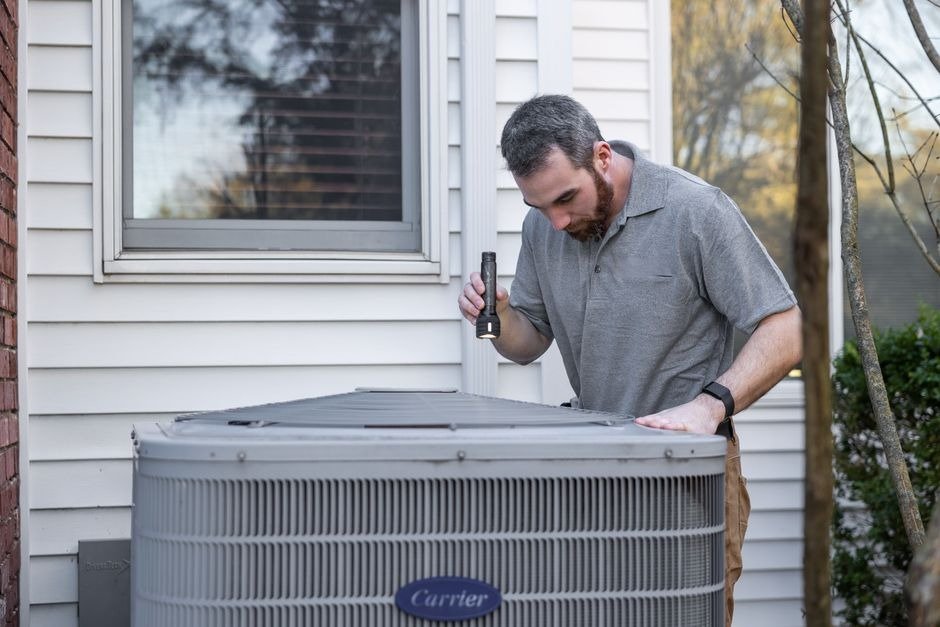
Your heating and cooling system often works quietly in the background until comfort disappears or a repair becomes urgent. Recognizing early warning signs gives you a better chance of addressing problems before they lead to expensive repairs, wasted energy, or a complete system breakdown.
Rising Bills Can Reveal Falling Efficiency
An increase in your utility bill deserves attention when your thermostat settings, household routine, and weather have not changed much. If the system needs more runtime to cool the same rooms, it may be struggling to move air or transfer heat efficiently.
Possible causes include a clogged filter, dirty coils, leaking ducts, a failing electrical component, or a thermostat that is reading temperatures inaccurately. Compare a few recent bills and consider whether the change matches the weather.
Uneven Temperatures Point to a Distribution Problem
If one bedroom stays warm while another room feels comfortable, the equipment may not be the only issue. Blocked return vents, leaking or poorly balanced ducts, inadequate insulation, blower problems, and thermostat placement can all affect how conditioned air reaches each room.
Notice when and where the problem occurs. Does an upstairs room heat up in the afternoon? Is airflow weak in just one area, or throughout the house?
New Noises Should Not Become Background Music
Normal operating sounds should be consistent. Sudden buzzing, banging, scraping, rattling, or high-pitched squealing can indicate loose hardware, debris, motor wear, or an electrical problem.
Turn the equipment off if you hear a severe grinding noise, notice smoke, or smell something burning, and arrange professional help. Do not open electrical panels or reach into moving equipment.
When a sound persists, or several warning signs appear, a reputable HVAC company should explain what has failed, why the proposed fix addresses it, and whether other issues could affect performance.
Longer Cycles Can Signal Extra Strain
An air conditioner that runs much longer than usual may be dealing with restricted airflow, dirty coils, refrigerant problems, duct leakage, or an incorrect thermostat reading.
Start with simple, safe checks: inspect the air filter and replace it if dirty, make sure supply and return vents are not blocked, and clear leaves or debris from around the outdoor unit without opening its cabinet. If performance does not improve, arrange an inspection rather than repeatedly lowering the thermostat. Refrigerant and electrical work should be handled by a qualified technician.
Weak Airflow Is More Than an Annoyance
If very little air comes from the vents, check whether the filter is clogged and whether furniture or curtains are blocking registers. If airflow remains weak, the blower may be struggling, ductwork may be damaged, or the indoor coil may be obstructed.
Compare several vents around the home. Weak airflow everywhere suggests a central restriction; one persistently weak area may indicate a duct or balancing issue. Do not keep running a system that appears frozen or repeatedly shuts itself off. Switch it off and arrange assessment, because continued operation may worsen the problem.
Odors and Moisture Deserve Prompt Attention
A musty smell can indicate excess moisture around a drain pan, coil, or duct, while a burning odor may suggest an overheated component or electrical fault.
Air conditioners naturally produce condensation, which should leave through a drain line. Water around an indoor unit, rust, ceiling stains, or damp flooring may signal a clogged drain or another drainage problem. Turn the system off if water is reaching electrical components, and seek qualified help. Persistent moisture can damage building materials and encourage unwanted microbial growth.
For practical guidance on filters, humidity, and ventilation, read this guide to improving indoor air quality. It explains how routine upkeep and moisture control can support a healthier indoor environment.
Choose a Repair Plan Based on Evidence
When several warning signs appear together, avoid guessing at the cause or replacing parts based only on a hunch. A qualified HVAC company can inspect airflow, electrical components, coils, drainage, thermostat operation, and other system functions to determine whether the problem calls for maintenance, repair, or a longer-term replacement plan. Ask for a clear explanation of the findings and an itemized estimate before approving work.
Maintenance Is a Form of Risk Management
Routine care cannot prevent every breakdown, but it can catch developing problems and help the system operate as intended. Keep the outdoor unit clear of leaves and debris, and schedule professional maintenance before the periods when heating or cooling demand is highest.
Pay attention to the thermostat, too. Make sure it is set to the correct mode, that the temperature setting has not changed accidentally, and that it is away from direct sunlight or other heat sources. If the display is blank or the system responds inconsistently, check the batteries if applicable and consult the manual before assuming the equipment has failed. Keep a brief record of symptoms, dates, and any steps you have tried. This makes it easier to explain the pattern during a service visit and compare the technician’s findings with what you noticed.
A maintenance visit should go beyond a glance. It may include checking electrical connections, cleaning coils when needed, inspecting the condensate drain, evaluating airflow, and verifying that controls work correctly.
This HVAC maintenance checklist outlines common checks for homeowners and technicians, including filter care, drain inspection, and system operation.
Act Before Comfort Turns Into an Emergency
You do not need to panic over every small change, but you should pay attention when bills rise without explanation, temperatures become uneven, airflow weakens, noises change, or moisture appears.
Make note of what changed, when it began, and whether it happens consistently. Handle basic maintenance that is safe for you, and leave refrigerant, electrical, and internal mechanical repairs to trained professionals. Early action gives you more time to compare recommendations and plan the expense instead of making a rushed decision during an uncomfortable breakdown.
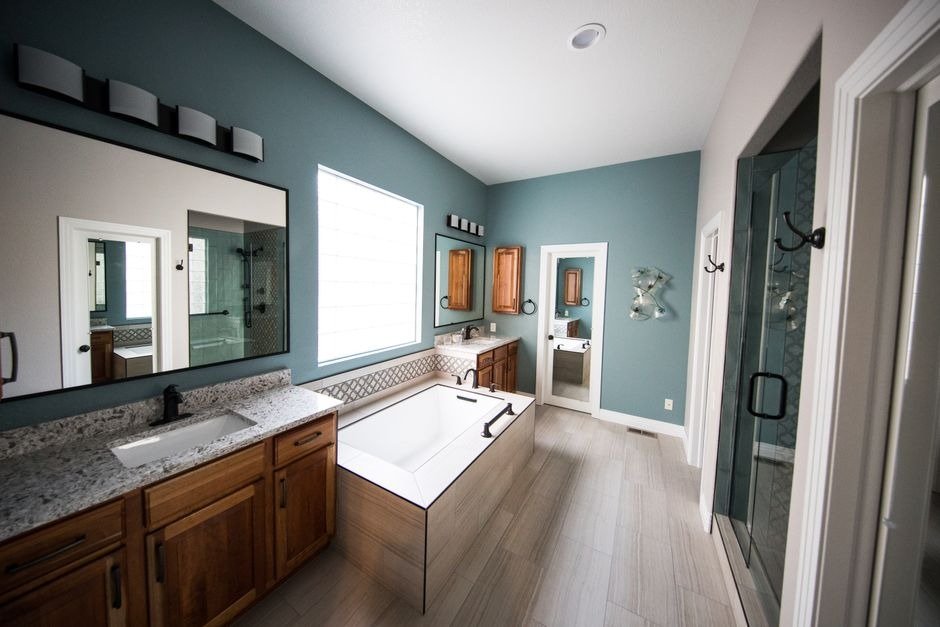
The bathroom is one of the most frequently used spaces in a home, making comfort and functionality essential. An inconvenient layout, poor ventilation, or outdated fixtures can affect daily routines and reduce overall convenience. For homeowners in Carmel, bathroom remodeling can address these issues while improving property value and long-term comfort. A successful renovation should focus on practical improvements, efficient space planning, and modern design rather than appearance alone.
Identify Your Bathroom Renovation Needs
A successful bathroom remodel begins with identifying the problems that affect your daily routine. Limited countertop space, an inconvenient shower layout, or poor ventilation can make the bathroom uncomfortable to use. Addressing these issues should be a priority before focusing on decorative upgrades.
Take time to examine your bathroom and identify areas that need improvement. Look for insufficient storage, poor lighting, slippery flooring, and outdated plumbing fixtures. If multiple family members share the bathroom, consider whether the existing layout provides enough space for comfortable movement.
Once you understand your bathroom’s needs, you can plan improvements that match your budget and preferences. Professional remodeling services can also help homeowners evaluate their existing layouts, identify necessary repairs, and select suitable materials. For residents of Carmel Indiana bathroom remodels are a convenient home improvement project to take on because of local experts who understand different renovation needs and can assist with everything from upgrading outdated fixtures to improving bathroom layouts.
Why Bathroom Layout Matters More Than Expensive Finishes
A well-planned bathroom layout is essential for comfort and functionality. While attractive tiles and modern fixtures can improve appearance, they cannot solve problems caused by limited space or poor design. Proper fixture placement, sufficient walking space, and convenient door access make the bathroom easier to use.
Consider how you move around the bathroom during your daily routine. The shower, vanity, and storage areas should be positioned for easy access. In smaller bathrooms, installing a walk-in shower, wall-mounted vanity, or recessed storage shelves can help maximize available space.
Homeowners should also consider the cost of changing the existing layout. Moving plumbing lines, drains, or walls can increase renovation expenses. However, these changes may improve accessibility and make better use of the available space. A carefully designed layout can make even a small bathroom feel more spacious, organized, and comfortable.
Why Moisture Control Is Important in Bathroom Remodeling
Bathrooms are regularly exposed to water, steam, and high humidity, which can cause damage over time. Common signs of moisture problems include discolored grout, peeling paint, and unpleasant odors. Proper moisture control should be an important part of every bathroom remodeling project.
Good ventilation helps reduce excess humidity and prevent moisture buildup. Installing a properly sized exhaust fan that vents outside the home can improve airflow and protect bathroom surfaces. Waterproofing is equally important, especially around showers and bathtubs. Using waterproof membranes, properly sealed joints, and correctly installed shower bases can help prevent leaks and water damage.
Choosing moisture-resistant materials can also improve bathroom durability. Porcelain tiles, quartz countertops, and mold-resistant paint are practical options for areas exposed to humidity. Addressing moisture problems during renovation can help homeowners avoid costly repairs, mold growth, and damage to floors and walls in the future.
Plan Bathroom Storage for Better Organization
Proper storage helps keep a bathroom clean, organized, and comfortable. Limited storage can lead to crowded countertops and make everyday items difficult to find. Including practical storage solutions during remodeling can improve convenience and make better use of the available space.
Choose storage options based on your daily needs. Deep drawers can hold toiletries, skincare products, and hair styling tools. Medicine cabinets with built-in lighting provide additional storage without taking up extra space. In family bathrooms, separate storage areas for personal items, towels, and cleaning supplies can help maintain organization.
Using vertical space is another effective way to increase storage. Tall cabinets, recessed shelves, and drawers beneath vanities can provide extra room without making the bathroom feel crowded. Well-planned storage keeps essential items accessible while maintaining a neat appearance.
How Proper Lighting Improves Bathroom Comfort
Lighting plays an important role in bathroom appearance, safety, and functionality. Even a newly renovated bathroom can feel uncomfortable if the lighting is too dim or creates unwanted shadows. A good lighting plan should provide enough brightness for everyday activities.
Combining different types of lighting can improve visibility throughout the bathroom. Ceiling lights provide general illumination, while vanity lights make grooming and personal care easier. Wall-mounted lights near mirrors can also reduce shadows and provide more balanced lighting.
Choosing the right light color is equally important. Warm white bulbs can create a comfortable atmosphere. Installing dimmer switches allows homeowners to adjust brightness according to their needs. Proper lighting makes the bathroom more practical and improves its overall appearance.
Set a Clear Budget for Your Bathroom Remodel
Bathroom remodeling costs can increase quickly without proper planning. Homeowners should identify essential improvements before spending money on decorative features. Setting clear priorities helps manage expenses and avoid unnecessary upgrades. Start by dividing your renovation expenses into categories:
- Essential repairs: Prioritize waterproofing, ventilation, plumbing, electrical work, and necessary structural repairs.
- Functional improvements: Set aside funds for layout changes, shower upgrades, vanities, and flooring.
- Decorative upgrades: Consider mirrors, lighting fixtures, cabinet handles, and other design features after covering essential expenses.
This approach makes it easier to adjust your budget when necessary. If costs increase, you can choose more affordable decorative materials without compromising important repairs or installation quality.
Discuss your budget with your contractor before starting the project. A detailed estimate can help you understand expected expenses and make informed decisions throughout the renovation.
Focus on Long-Term Comfort and Durability
A successful bathroom remodel should improve both daily comfort and long-term durability. Rather than focusing only on appearance, homeowners should consider how each improvement will affect the bathroom’s functionality.
Better ventilation can help control moisture, while practical storage solutions keep the space organized. Proper lighting, durable materials, and an efficient layout can also make everyday activities easier and more comfortable.
When planning a renovation, choose materials and fixtures that can withstand regular use. Moisture-resistant surfaces, quality plumbing fixtures, and properly installed flooring can help reduce maintenance needs and prevent future damage.
A well-planned bathroom remodel can improve convenience, enhance the home’s appearance, and support long-term property value. By focusing on practical improvements and quality installation, homeowners can create a bathroom that remains comfortable, functional, and attractive for years to come.

Vincere Australia Expands Beyond Dream-Car Giveaways Into Specialist Automotive Services

More Than a Makeover: How Window and Door Upgrades Improve Home Performance

Classic Car Transport: What Collectors Should Know Before the Journey
Who Is Gale Burnick? The Story Of George R. R. Martin’s Ex Wife

Who Is Hermann Nicoli? The Full Story Of Candice Swanepoel’s Former Fiancé

Who Is Alicia Dove? The Life Story Of Corey Taylor’s Wife
-
Celebrity4 months ago
Who Is Gale Burnick? The Story Of George R. R. Martin’s Ex Wife
-
 Celebrity4 months ago
Who Is Hermann Nicoli? The Full Story Of Candice Swanepoel’s Former Fiancé
-
 Celebrity4 months ago
Who Is Alicia Dove? The Life Story Of Corey Taylor’s Wife
-

 Celebrity4 months ago
Meet Carole Rogers: Everything to Know About Kenny Rogers’ Daughter
-

 Celebrity4 months ago
Who Is Sydney Davis? The Full Story Of Billy Bush’s Ex Wife
-

 Celebrity4 months ago
Who Is Anna Hillinger? The Full Life Story Of Mike Shinoda’s Wife
-

 Celebrity4 months ago
Who Is Demacio Castellon? Life Story Of Nelly Furtado’s Ex Husband
-

 Blog3 months ago
What Is Sosoactive? A Complete Guide to the Digital Platform