
Blog
What Are Volglaswanden? A Complete Guide for 2026


Full-glass walls can divide a room without blocking natural light. Known as volglaswanden in Dutch, these floor-to-ceiling glass partitions are used in homes, offices, meeting rooms, and shops. They create separate spaces while keeping rooms bright and open. Their glass panels can have slim frames or nearly invisible joints.
Volglaswanden come in single-glazed and double-glazed designs. They also offer options for sound insulation, privacy, and doors. This guide covers their types, benefits, safety, installation, costs, and maintenance.
Different Types of Volglaswanden
Single-glazed walls use one sheet of glass, often 10 to 12 mm thick. They have a simple design and allow light to pass through. However, they offer less sound control than many double-glazed systems.
Double-glazed walls use two glass panes with a space between them. This design can reduce more noise when fitted with proper seals. Acoustic laminated glass can also help block sound. These walls are useful in meeting rooms, clinics, and private offices.
Glass walls can be framed, frameless in appearance, fixed, or modular. Framed walls have visible edges. Frameless-style walls use slim tracks and clear joints. Some modular walls can be taken apart and moved to another space.
Benefits of Volglaswanden
Glass walls allow daylight to pass between rooms. This helps keep indoor spaces bright. It can also reduce the need for lights during the day. This is useful in offices where some rooms have no windows.
Glass walls also make small rooms feel more open. Solid walls block views, but clear glass keeps them open. This makes glass partitions useful in homes, offices, and shops.
Another benefit is the range of designs. Buyers can choose clear, frosted, or patterned glass. Some modular systems can also be moved when room layouts change. This gives offices more ways to use their space.
Disadvantages of Volglaswanden
Clear glass offers little visual privacy. People can see through it from both sides. This may be a problem in clinics, meeting rooms, and private offices. Frosted glass or privacy films can help.
Glass also shows fingerprints, dust, and watermarks. Busy areas may need regular cleaning. Door handles and frames need care to keep them working well.
Cost is another drawback. Custom glass panels and fittings can cost more than basic drywall. Glass must be measured before it is made. Toughened glass cannot be cut after treatment. A damaged panel may need to be replaced.
Sound Insulation in Volglaswanden
Glass walls can reduce noise between rooms. Their sound control depends on the glass type, thickness, frames, and seals. Single-glazed walls usually block less sound than well-made double-glazed walls.
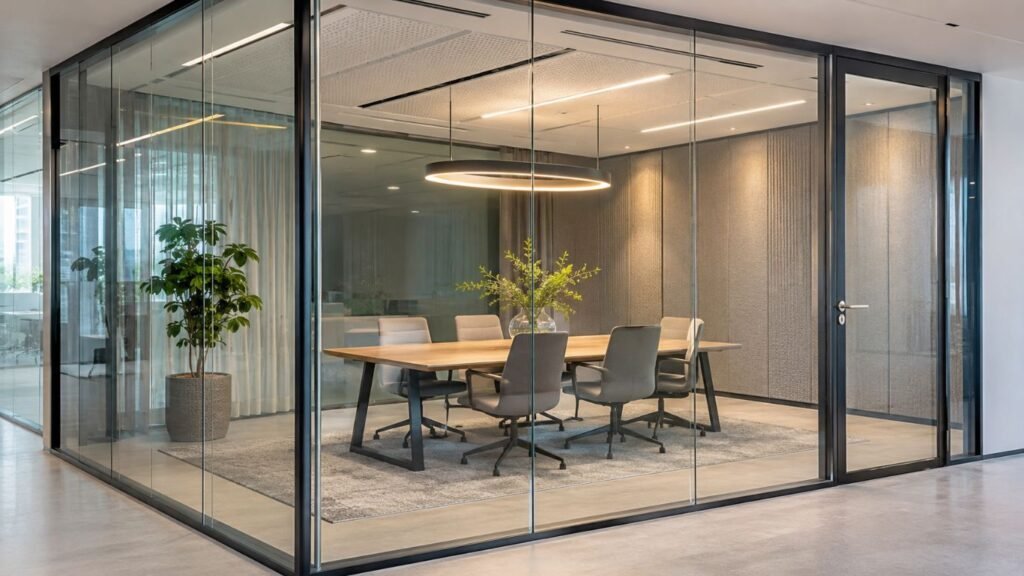
Sound insulation is measured with an Rw rating in decibels (dB). A higher rating means better sound control in a lab test. Acoustic laminated glass uses a special layer to reduce sound. Double-glazed systems can offer better results when the full wall is properly sealed.
Doors and gaps also affect sound control. Noise can pass through gaps around doors, above ceilings, or below raised floors. Acoustic doors use seals to reduce these gaps. Some walls must reach the solid floor and ceiling for better sound control.
Privacy Options for Volglaswanden
Frosted glass is a common choice for privacy. It lets light pass through but makes it hard to see clear details. It is useful in clinics, offices, and meeting rooms.
Privacy films are another option. They can cover the full panel or only part of it. Some films have stripes, patterns, or company logos. Textured glass can also make views less clear.
Smart glass can change from clear to cloudy with electricity. It allows users to change visual privacy when needed. However, it costs more than standard glass and needs a power supply. Cloudy smart glass does not always block all views or light.
Frame Designs for Volglaswanden
Most glass walls use aluminum tracks fixed to the floor and ceiling. These tracks hold the panels in place. Aluminum frames come in colors such as black, white, and gray. Some suppliers also offer custom RAL colors.
Frameless-style walls use slim tracks and clear joints. This gives the glass a smooth look. However, the panels still need secure support. These systems are common in modern offices.
Other designs include black metal grids and wooden frames. Black grid bars create an industrial look. Wooden frames give rooms a warmer style. The frame choice depends on the room design and wall system.
Door Options for Volglaswanden
Hinged glass doors are common in homes and offices. They open using hinges fixed to a frame or glass fitting. They are easy to use and can help reduce noise when fitted with proper seals.
Sliding glass doors move along a track. They do not need space to swing open. This makes them useful in small rooms and hallways. However, gaps around sliding doors can allow more sound to pass through.
Pivot doors turn on fittings near the top and bottom. They offer a clean, modern look. Door handles, locks, and seals should match the wall system. For better sound control, framed doors with rubber seals and bottom seals are often used.
Safety Requirements for Volglaswanden
Full-height glass walls need suitable safety glass. Toughened glass is made stronger through heat treatment. If it breaks, it usually forms many small pieces. These pieces can still cause injury.
Laminated glass uses two or more sheets joined by a special layer. This layer helps hold broken pieces together. It can provide added protection in busy spaces. The right glass depends on where the wall is installed.
In the Netherlands, NEN 3569 and NEN 2608 are important glass safety standards. European rules also cover glass strength and impact tests. Some buildings need fire-rated glass walls. These systems must meet the required fire safety rules. Standard toughened glass does not provide a fire rating on its own.
How Are Volglaswanden Installed?
Installation starts with accurate measurements. The installer checks the width and height of the space. Floors, ceilings, and nearby walls are also checked. Laser tools help measure the area before the glass is made.
Next, installers fix support tracks to the floor and ceiling. The tracks must be level and secure. Glass panels are then placed into the tracks. Seals and joints help hold them in position.
Doors, handles, and other fittings are added last. Installers check that doors open and close well. They also inspect the joints and seals. A final check helps confirm that the wall is secure. Installation time depends on the size and design of the project.
Volglaswanden Prices in 2026
Glass wall prices depend on the size, glass type, and design. Single-glazed systems usually cost less than double-glazed walls. Standard frames and clear glass are often cheaper than custom designs.
Acoustic glass, special frames, and sound seals can raise the price. Doors, locks, and handles add to the total cost. Curved glass, smart glass, and custom finishes may also cost more.
Prices vary by country and supplier. A written quote should list the cost of glass, frames, doors, labor, delivery, and taxes. Comparing these details helps buyers understand the full cost before placing an order.
Cleaning and Maintaining Volglaswanden
Glass walls can be cleaned with a soft microfiber cloth and mild glass cleaner. These remove dust, fingerprints, and light marks. Rough brushes and sharp tools should be avoided because they can scratch the glass.
Areas near door handles often need more cleaning. Watermarks should be removed before they build up. Frosted or coated glass may need special cleaning products. Always follow the glass maker’s care advice.
Frames, hinges, and seals should also be checked. Loose handles and damaged seals may need repair. A cracked panel or loose frame should be checked by a trained installer. Regular care helps keep the wall safe and clean.
Final Thoughts
Volglaswanden divide indoor spaces while keeping rooms bright and open. They are used in homes, offices, shops, and meeting rooms. Buyers can choose different glass types, frames, doors, and privacy options.
The right glass wall depends on the space and its needs. Safety glass, sound control, and proper installation are important. Buyers should check product details and compare quotes before choosing a system.
FAQs
What are volglaswanden used for?
Volglaswanden divide indoor spaces while allowing natural light to pass through.
Are volglaswanden soundproof?
No, but acoustic glass and proper seals can help reduce noise between rooms.
How much do volglaswanden cost?
Prices depend on the glass type, wall size, frames, doors, and installation.
Can volglaswanden be installed in homes?
Yes, they can divide living rooms, home offices, and other indoor spaces.
What glass is used for volglaswanden?
Toughened and laminated safety glass are common choices for full-glass walls.
Read Also: Is Zingyzon.com Legit? What to Know Before Using It

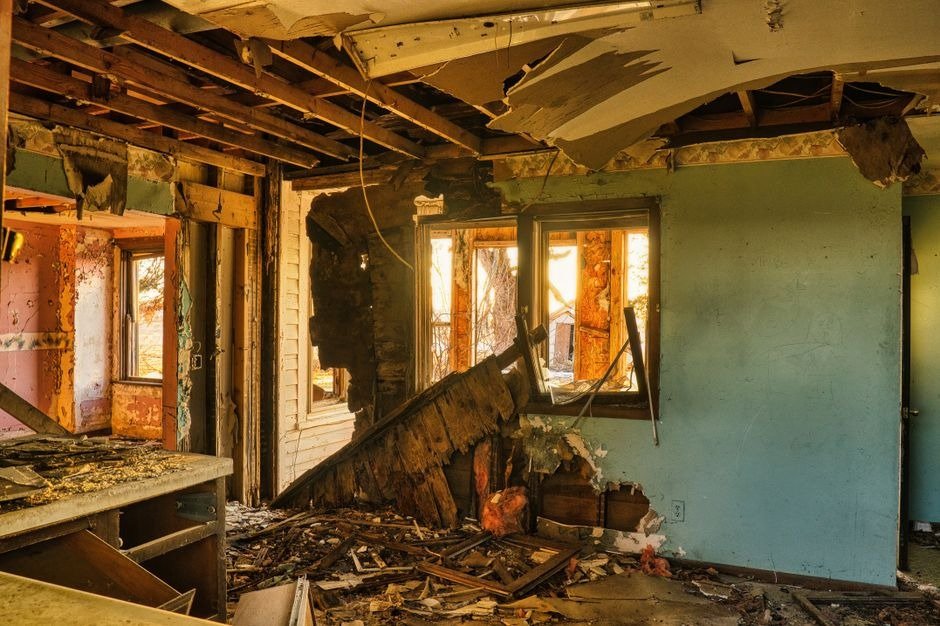
Water can damage a home long before a room looks flooded. In Austin, heavy rain, aging plumbing, slab leaks, appliance failures, and storm runoff can all introduce moisture where it does not belong. Flooring may swell, drywall can weaken, and damp materials can create conditions for mold. Knowing how to respond in the first hours helps protect your property and your belongings.
Act Quickly, but Put Safety First
The first signs may be easy to dismiss: a damp baseboard, bubbling paint, a soft patch of flooring, or an unfamiliar musty smell. Do not assume the problem can wait. Water can travel beneath finished surfaces and collect inside wall cavities, insulation, and subfloors.
If it is safe, stop the source by closing the nearest shutoff valve or the main water supply. If water is near outlets, appliances, or electrical equipment, do not enter the affected area or touch switches. Have power disconnected from a dry, safe location by a qualified person. Photograph the damage before moving items or beginning cleanup, and keep a record of the time you discovered the problem.
Identify the Type of Water Involved
Not every water incident presents the same risks. Water from a broken supply line may be relatively clean at first, while an appliance discharge or drain backup may contain contaminants. Sewage and floodwater can carry bacteria, chemicals, and other hazards.
Restoration professionals use water categories to guide decisions about protective equipment, cleaning, removal, and drying. The source matters, but so does the length of time water has been sitting. Water that initially appears clean can become contaminated as it contacts building materials and household contents.
Avoid handling soaked materials if the source is uncertain. Porous items such as carpet padding, insulation, and some upholstered furniture may be difficult to clean thoroughly, particularly after contact with contaminated water. The CDC’s floodwater safety guidance explains why floodwater should be avoided and how to reduce exposure during cleanup.
Understand the Risks Around Your Home
Water problems can have different causes depending on a property’s age, construction, and surroundings. Older plumbing and drain lines may deteriorate, while appliance hoses, supply connections, and fixtures can fail with little warning. Water entering from outside may also move through foundations, doors, or low points in the landscape.
Slab leaks deserve particular attention because moisture can spread beneath flooring before the source becomes obvious. Unexplained increases in water use, warm floor areas, damp flooring, or persistent sounds of running water may warrant a plumbing inspection.
For homeowners dealing with unexpected leaks, burst pipes, or flooding, professional help can make the recovery process more manageable. Arranging water damage restoration in Austin helps address affected materials, remove excess moisture, and identify hidden damage before repairs begin. A thorough assessment can also determine which areas need drying, cleaning, or replacement.
Know What Professional Restoration Involves
Removing visible water is only the beginning. A thorough restoration assessment checks how far moisture has traveled and which materials have been affected. Technicians may use moisture meters and other instruments to inspect walls, flooring, cabinets, and subfloors, including areas that appear dry.
The drying plan may involve air movers and dehumidifiers selected for the size of the affected area and the materials involved. In some situations, air filtration or containment is also needed. Professionals monitor moisture readings and environmental conditions to determine whether materials are drying as expected.
Ask for an explanation of the readings, the equipment being used, and the criteria for deciding that drying is complete. A room that feels dry is not necessarily dry inside its walls or beneath its flooring.
Avoid the Problems That Follow Incomplete Drying
Hidden moisture can lead to lingering odors, staining, material deterioration, and mold growth. One common mistake is to replace flooring or drywall before the underlying structure has dried. New finishes can conceal moisture rather than resolve it.
Another mistake is relying on household fans alone. Air movement can help, but it does not remove moisture from the home without an appropriate drying strategy. Some items may be salvageable after cleaning and drying; others, especially porous materials exposed to contaminated water, may need to be discarded.
The Environmental Protection Agency’s mold cleanup guidance explains why wet materials should be dried thoroughly, why some porous items cannot be adequately cleaned, and why the source of moisture must be corrected.
Keep the Insurance Process Organized
Coverage depends on the policy, the cause of the damage, and the circumstances surrounding the incident. Sudden plumbing failures may be treated differently from gradual leaks, neglected maintenance, or surface-water flooding. Do not assume every part of the loss will be covered.
Notify your insurer promptly and keep photographs, receipts, plumber reports, mitigation invoices, and written notes. Record when the damage began, what you observed, and what steps were taken to limit further loss. Before discarding damaged belongings, ask the insurer whether documentation or inspection is required.
It also helps to distinguish mitigation from reconstruction. Mitigation involves emergency measures such as extraction, drying, and removal of unsalvageable materials. Reconstruction restores the affected areas after the moisture problem has been addressed. The work may involve different contractors and approval steps.
Prepare for the Next Water Emergency
Prevention starts with small checks. Inspect visible supply lines, washing machine hoses, sink connections, and areas around tubs and showers. Keep gutters and drainage paths clear, learn where the main shutoff valve is, and consider leak sensors near appliances or plumbing fixtures.
Pay attention to warning signs such as unexplained water bills, recurring dampness, soft flooring, peeling paint, or musty odors. Addressing a small leak early can prevent a much larger repair.
If water enters your home, avoid panic and focus on safe, documented action. Stop the source when possible, keep clear of electrical and contaminated water hazards, and arrange an assessment. The sooner moisture is identified and managed, the better the chance of limiting damage and making a complete recovery.
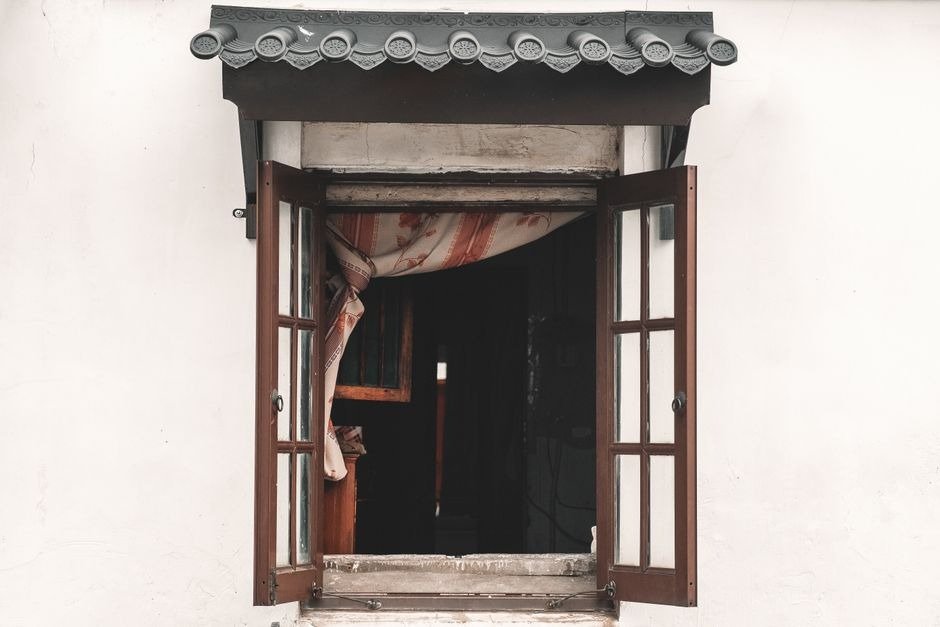
Older windows do more than frame a view. They affect comfort, energy use, outside noise, maintenance, and the way a house looks. In Glendale, warm summers and strong sunlight make replacement a technical decision as well as a design choice. Before committing, understand what may be hidden behind the trim and how installation can affect the building.
Look Beyond the Visible Condition
An old window can look charming while performing poorly. Paint buildup, warped sashes, failed seals, and worn weatherstripping accumulate over time. Drafts or rooms that heat up quickly may point to air leakage, deteriorated components, or heat transfer through the glass.
Older houses can settle unevenly, leaving window openings out of square. Before recommending styles, an experienced installer should examine the rough opening, framing, sill, and signs of moisture damage.
You are changing part of the building envelope, not simply replacing glass. The assessment should include the surrounding wall.
Choose Frame Materials for Performance and Maintenance
Homeowners often concentrate on glass and overlook the frame. Vinyl, fiberglass, aluminum, and wood respond differently to heat, moisture, and sunlight. The choice affects durability, maintenance, appearance, and compatibility with the structure.
Vinyl is generally affordable and requires little maintenance. Fiberglass offers dimensional stability during temperature changes. Wood complements traditional architecture but needs periodic care. Aluminum offers a slim profile, although performance depends on the design and effective thermal breaks.
When comparing products through a Glendale window company, ask how each frame performs under direct Southern California sun. Discuss warranties, finish durability, and maintenance before choosing.
Understand Retrofit and Full-Frame Replacement
These approaches are different. A retrofit window fits into an existing frame and can work when that frame is sound, stable, and aligned. It is less invasive and may preserve interior trim.
Full-frame replacement removes the assembly down to the rough opening. This lets the installer inspect concealed areas, replace damaged framing, improve insulation, and address flashing or water-management problems. It may require more labor and finish repairs, but can be preferable when deterioration is extensive.
Neither method is right for every house. Ask the installer to assess each opening and explain the recommendation. Confirm whether trim, flashing, and interior finishes are included. A retrofit proposal should also establish that the existing frame is dry, secure, and sound. This matters when several windows are removed over multiple days.
Read Energy Ratings in Context
Window labels provide useful information when you understand the measurements. U-factor indicates how readily heat transfers through a window; a lower number generally means better insulation. Solar Heat Gain Coefficient (SHGC) measures how much solar heat passes through glass. Visible Transmittance indicates how much daylight enters, while air leakage ratings describe airflow through the assembly.
In a warm, sunny climate, a lower SHGC can limit unwanted heat gain. However, the darkest glass is not automatically best. Room orientation, shading, privacy, and daylight needs matter. A west-facing living room may need different specifications from a shaded bathroom.
The Department of Energy’s guide to energy-efficient windows explains why climate, U-factor, and solar heat gain should be considered together. Compare certified labels and equivalent product configurations, not broad marketing claims.
Treat Installation as Part of the Product
Even a well-made window can perform poorly if installation is careless. Incorrect shimming, inadequate insulation, weak sealing, or poorly integrated flashing can create drafts and water intrusion. Uneven older openings make careful measurement especially important.
Ask how the crew will level and secure each unit, seal gaps, insulate around the frame, and manage exterior water. Find out whether stucco, siding, plaster, or trim must be removed or repaired. Confirm who handles finishing and inspection.
A detailed installation plan is more useful than a promise that a particular brand will solve every problem. The window should operate smoothly, seal properly, and integrate cleanly with the wall. Ask whether the installer will test locks, opening mechanisms, and weather seals.
Preserve the Home’s Architectural Character
Replacement windows can change a facade. Differences in frame thickness, proportions, grille patterns, glass reflectivity, and placement may make the exterior look noticeably different.
If the house has distinctive details, compare proposed windows with the original design before ordering. Traditional homes may benefit from profiles and divisions that respect existing proportions, while mid-century designs may call for another treatment. Consider sightlines from both inside and outside, since a frame that looks appropriate from the street may feel bulky from the room. Request a sample or product drawing before placing a large order.
The National Park Service guidance on evaluating historic windows for repair or replacement recommends considering repair before replacing significant historic features. Document condition and consider appearance as well as function.
Budget for More Than the Window Unit
The product price is only part of the total. Labor, disposal, trim work, exterior patching, permits, custom sizing, and finishing affect the final cost. Older houses may reveal damaged sills, deteriorated framing, or moisture problems after removal.
Ask for an itemized estimate separating window units, installation, and likely repairs. Clarify how concealed damage will be priced and whether extra work requires written approval. For unusual shapes or nonstandard openings, confirm custom manufacturing and lead times.
Compare proposals by scope, specifications, warranty coverage, and installation details. Include a contingency for hidden repairs, and confirm whether disposal, delivery, taxes, and permits are included. Tie payments to agreed project milestones.
Ask Specific Questions Before Signing
A good consultation should provide more than a product brochure. Ask how the installer handles out-of-square openings, what happens if rot is discovered, which performance ratings suit each room, and whether replacements will change trim lines or exterior proportions.
Request written details about products, installation, cleanup, permits, payment milestones, and warranties. Confirm the schedule and who will communicate delays caused by materials or concealed repairs.
The best project improves comfort, reduces drafts, and respects the home’s design. Careful assessment and clear questions help ensure new windows solve real problems rather than simply changing the view.

One Slovenian word can describe both teamwork and the way people work together. Timsko means “team-based” or “related to a team.” It comes from the adjective timski and the noun tim, meaning “team.” Its most common phrase is timsko delo, which means teamwork.
The word is used in Slovenian schools, workplaces, and sports. It can act as a neuter adjective or an adverb. Today, it remains part of everyday Slovenian speech, mainly in discussions about teamwork and shared tasks.
Origin and History of Timsko
The word comes from the Slovenian noun tim, meaning “team.” Slovenian borrowed this noun from the English word team. The English word comes from Old English tēam. It first referred to animals joined together to pull something.
The meaning later grew to include people working together. Slovenian adopted tim and formed the adjective timski. The form timsko follows Slovenian grammar rules.
Today, the word is used in schools, offices, and sports. It describes teamwork and shared tasks. It is a common Slovenian word, not a new internet term.
Timsko in Slovenian Grammar
Slovenian adjectives change their endings based on gender, number, and case. The three basic singular forms are timski, timska, and timsko. Each form matches a different type of noun.
Timski is the masculine form. For example, timski duh means team spirit. Timska is the feminine form, as in timska dinamika, meaning team dynamics. Timsko is the neuter form, as in timsko delo, meaning teamwork.
The noun delo is neuter in Slovenian. That is why it uses timsko. Other forms are used with plural nouns and in different cases.
Timsko as an Adverb
The word can also act as an adverb. An adverb tells us how something is done. In this case, it means doing something as a team.
For example, delati timsko means to work as a team. Delovati timsko means to act as a team. Another phrase is reševati probleme timsko, meaning to solve problems together.
The word has different roles in these phrases. In timsko delo, it describes a noun. In delati timsko, it describes how people work. Its spelling stays the same.
What Does Timsko Delo Mean?
Timsko delo means teamwork in English. It describes people working together on a shared task. Each person may have different skills and duties. Their work helps reach one goal.
For example, a team may build a website. One person writes the content. Another designs the pages, while a developer builds the site. Each person handles a different part of the project.
Good teamwork needs clear roles and open communication. Team members must know their tasks and deadlines. They also need to share ideas and help solve problems.
Common Timsko Phrases
Several Slovenian phrases use this word. Timsko sodelovanje means team collaboration. It describes people sharing ideas and working together on tasks.
Timsko vodenje means team-based leadership. It refers to leading with a focus on teamwork. Timsko odločanje means team-based decision-making. It involves people discussing choices and sharing their views.
The word also appears in schools. Timsko poučevanje means team teaching. Timsko učenje means team-based learning. Both phrases describe learning activities that involve teamwork.
Timsko in the Workplace
Teamwork is common in Slovenian workplaces. Workers often need help from people with different skills. For example, a sales team may work with designers to prepare a product launch.
Team members can divide tasks and share updates. Clear roles help them finish work on time. Good communication also helps prevent mistakes and repeated work.
Slovenian job descriptions may use timsko delo as a work skill. Employers may want workers who listen, share ideas, and meet deadlines. Helping coworkers is also part of good teamwork.
Timsko in Education
Teamwork is used in Slovenian schools. Teachers may plan lessons together and share ideas. They may also work together to help students learn.

Team teaching is one example. Two teachers may prepare and teach the same lesson. One teacher may explain a topic while the other helps students with an activity.
Students also work in teams. They may research a topic and prepare a report together. Each student can take a different task. This helps them learn how to share work and listen to others.
Timsko in Sports
Teamwork is important in sports such as football, basketball, and volleyball. Players have different roles but follow one game plan. They must work together during a match.
In football, one player may pass the ball while another moves forward. Defenders help stop attacks, while the goalkeeper protects the goal. Each role supports the team.
The Slovenian phrase timski duh means team spirit. It describes unity among players. Good team spirit helps teammates support each other during games and training.
Timsko vs. Skupinsko
The Slovenian words timsko and skupinsko have similar meanings. Both describe activities involving several people. However, they are not always used in the same way.
Timsko often focuses on shared goals and linked tasks. Skupinsko has a wider meaning and refers to group activities. For example, students may work in a group but complete separate tasks. A team often plans how each task fits into one result.
The difference is not strict. In everyday Slovenian, timsko delo and skupinsko delo can sometimes mean the same thing. The right choice depends on the context.
Benefits of Timsko Delo
Teamwork helps people share skills and ideas. A team member may find a problem that others missed. Different views can help the group find better answers.
Sharing tasks can also save time. Each person can focus on work they know well. The team then combines the results to finish the project.
Teamwork can build trust and improve communication. People learn to listen and accept feedback. They can also learn new skills from others.
Challenges of Timsko Delo
Teamwork can be difficult when people do not communicate well. Missing updates may lead to mistakes or repeated tasks. This can delay a project.
Unclear roles can also cause problems. Some people may have too much work while others have less. Team members may also disagree about how to complete a task.
Clear goals and assigned roles can help. Each person should know their duties and deadlines. Regular updates help the team find and fix problems early.
Timsko Example Sentences
Slovenian sentences show how the word is used. Timsko delo je pomembno means “Teamwork is important.” Here, the word describes the noun delo.
Another example is Radi delamo timsko, meaning “We like working as a team.” In this sentence, the word describes how people work. V našem podjetju spodbujamo timsko delo means “We encourage teamwork in our company.”
The sentence Timsko delo zahteva zaupanje means “Teamwork requires trust.” Another example is V šoli spodbujamo timsko delo, meaning “We encourage teamwork at school.” These phrases show its use in work and education.
Bottom Line
Timsko is a Slovenian word linked to teamwork. It comes from timski and the noun tim, meaning team. Its most common phrase is timsko delo, which means teamwork.
The word can act as an adjective or an adverb. It is used in workplaces, schools, sports, and daily speech. Knowing its meaning and grammar helps readers understand Slovenian phrases about working together.
FAQs
What does Timsko mean in English?
It means “team-based,” “related to a team,” or “working as a team,” based on the sentence.
What language does Timsko come from?
It is a Slovenian word based on timski, which comes from the English loanword tim.
What is the meaning of Timsko Delo?
Timsko delo means teamwork, where people share tasks to reach a common goal.
What is the difference between Timsko and Timski?
Timski is the masculine adjective form, while timsko is the neuter form and can also act as an adverb.
Is Timsko the same as Skupinsko?
Not exactly. The first often focuses on teamwork, while skupinsko refers more broadly to group activities.

Water Damage: What to Do Before a Small Leak Becomes a Major Repair

Older Home, New Windows: What to Know Before You Replace Them

Catching Medication Risks Sooner Through Better Safety Reporting
Who Is Gale Burnick? The Story Of George R. R. Martin’s Ex Wife

Who Is Hermann Nicoli? The Full Story Of Candice Swanepoel’s Former Fiancé

Who Is Alicia Dove? The Life Story Of Corey Taylor’s Wife
-
Celebrity4 months ago
Who Is Gale Burnick? The Story Of George R. R. Martin’s Ex Wife
-
 Celebrity4 months ago
Who Is Hermann Nicoli? The Full Story Of Candice Swanepoel’s Former Fiancé
-
 Celebrity4 months ago
Who Is Alicia Dove? The Life Story Of Corey Taylor’s Wife
-

 Celebrity4 months ago
Meet Carole Rogers: Everything to Know About Kenny Rogers’ Daughter
-

 Blog3 months ago
What Is Sosoactive? A Complete Guide to the Digital Platform
-

 Celebrity4 months ago
Who Is Sydney Davis? The Full Story Of Billy Bush’s Ex Wife
-

 Celebrity4 months ago
Who Is Anna Hillinger? The Full Life Story Of Mike Shinoda’s Wife
-

 Celebrity4 months ago
Who Is Demacio Castellon? Life Story Of Nelly Furtado’s Ex Husband
Pingback: What Does Peitner Mean? Name Origin and History - The Roman Magazine