
Health
Catching Medication Risks Sooner Through Better Safety Reporting


Key Takeaways
- Drug-safety reporting helps identify potential medication-related risks, product defects, medication errors, and unexpected adverse events.
- An adverse-event report does not automatically prove that a medication caused harm; it provides information for further review.
- Reports should include accurate details about the product, lot number, event date, symptoms, location, and actions taken when available.
- Strong reporting systems rely on clear procedures, accessible reporting channels, prompt review, consistent records, and appropriate follow-up.
- Frontline healthcare workers, patients, pharmacists, researchers, and manufacturers can all contribute valuable safety information.
- Reviewing multiple reports can help identify recurring patterns that may not be apparent from an individual incident.
- Serious injuries, suspected contamination, product mix-ups, and repeated unresolved concerns may require prompt escalation.
- Digital reporting tools can improve data organization and pattern detection, but human judgment and responsible oversight remain essential.
- Preserve relevant records, avoid unsupported conclusions, and document follow-up actions to support accurate and fair safety reviews.
Drug-safety reporting is a practical way for healthcare organizations, manufacturers, researchers, and patients to help identify potential medication-related risks before they become broader problems. When a concerning event is recorded promptly and reviewed carefully, it creates information that can support safer decisions for future patients. Reporting is not automatically an accusation or proof that a drug caused harm. It is a way to preserve facts for appropriate review. In situations involving suspected concealment, altered records, or repeated, unaddressed concerns, people may also seek guidance from pharmaceutical whistleblower lawyers to understand their options and responsibilities better.
Why Drug-Safety Reporting Matters
Clinical studies are essential, but they cannot capture every outcome that may occur when large and diverse populations use a product over time. A single report may be incomplete or unrelated to the product. Several reports with meaningful similarities, however, may justify closer review. U.S. reporting systems recognize this distinction: an adverse-event report can raise a safety question without establishing causation. Reports can describe adverse reactions, medication errors, suspected product-quality problems, therapeutic failures, or packaging concerns. For patients and clinicians, voluntary FDA safety reporting forms provide a way to submit certain concerns about FDA-regulated medical products.
Where Warning Signs First Appear
Early warning signs can appear anywhere a product is prescribed, prepared, shipped, tested, dispensed, or used. Hospitals and clinics may identify unexpected symptoms or medication administration errors. Pharmacies may notice look-alike labeling, damaged packaging, or a recurring dispensing issue. Manufacturing facilities and distribution centers may detect lot-specific defects, temperature concerns, or product mix-ups. Clinical research sites, patient-support programs, call centers, and electronic health record systems can also reveal concerns. A repeated complaint about unclear directions, an unexpected pattern of side effects, or several reports involving the same shipment may not answer every question. Still, each can be important information to document.

What Strong Reporting Systems Look Like
A reliable reporting program makes it easier for people to speak up and for trained reviewers to act on useful information. Strong systems commonly include:
- Clear instructions. Staff understand what should be reported and which channel to use.
- Simple access. Forms and reporting pathways are easy to locate and complete.
- Prompt review. Appropriate personnel receive reports without unnecessary delay.
- Consistent records. Common fields help reviewers compare events accurately.
- Fair follow-up. The process emphasizes learning, patient safety, and factual review.
- Closed-loop communication. Teams document the response, findings, and corrective action when appropriate.
How Data Can Reveal Patterns
Individual reports are most useful when considered alongside other information. Reviewers may compare events by product name, lot number, location, date, symptom, route of administration, or stage in the supply chain. A rise in similar reports after a packaging change, for example, may call for a closer look at labeling, storage, or workflow. Data quality determines how useful that review can be. Missing dates, unclear product names, vague event descriptions, and absent lot numbers can make a genuine pattern harder to see. Specific records do not guarantee a conclusion, but they provide qualified reviewers with a better basis for investigation.
The Role of Frontline Workers
Nurses, pharmacists, physicians, technicians, laboratory personnel, sales representatives, and other frontline workers may notice concerns first because they work closely with patients, products, and routine processes. Their observations are especially valuable when they distinguish what was directly seen from what is assumed or reported by others. Helpful habits include recording facts soon after the event, using exact product identifiers when available, preserving relevant records in accordance with workplace policy, and asking for clarification when reporting procedures are unclear. Frontline reporting should not depend on proving fault. A well-documented concern can be reviewed even when the cause remains uncertain.
Protecting Report Quality
A useful report answers basic questions without speculation: What happened? When and where did it happen? Which product or process was involved? Who observed the event? Was anyone harmed or placed at risk? What records exist, and what action followed? Objective language is usually more helpful than emotional conclusions. Instead of stating that a product “definitely caused” an outcome, describe the timeline, observed symptoms, dose or exposure, relevant tests, product details, and actions taken. This approach helps separate events and supports fair follow-up.
When an Issue Should Be Escalated
Escalation rules vary by organization, product type, and applicable requirements. Still, faster attention may be necessary when there is a serious injury, an unexpected death, suspected contamination, a product mix-up, a repeated lot-related issue, or a risk that could affect many patients or facilities. Concerns about missing or altered records, or reports that appear to have been ignored, may also warrant prompt review through the appropriate internal or external channel. Workplace procedures and qualified legal or regulatory advice can help determine the correct next step for a specific situation.
New Tools and Reporting Changes
In 2026, reporting systems increasingly rely on digital forms, structured data fields, electronic health records, and centralized review tools. Technology can reduce duplicate entry and make comparable information easier to sort, but it cannot replace careful human judgment. A system is only as useful as the facts entered into it and the seriousness of the follow-up process. Healthcare organizations can also learn from established patient-safety reporting practices. The patient-safety event reporting guidance published through AHRQ PSNet emphasizes broad participation, timely review, structured analysis, and action planning.
Common Mistakes to Avoid
- Waiting too long and relying only on memory.
- Using abbreviations or incomplete product names.
- Reporting rumors as confirmed facts.
- Assuming another person has already submitted the concern.
- Ignoring smaller events that repeat over time.
- Failing to document follow-up actions or new information.
A Practical Drug-Safety Checklist
- Identify the product, process, or event involved.
- Record the date, location, known facts, and available identifiers.
- Preserve relevant records according to policy.
- Submit the concern through the correct reporting channel.
- Consider whether urgent escalation is needed.
- Document the response and any corrective action.
- Watch for similar reports after the initial event.
Conclusion
Better drug-safety reporting begins with simple, repeatable actions that help healthcare professionals and organizations recognize potential risks before they affect more patients. These steps include paying attention to unusual reactions or unexpected outcomes, accurately documenting relevant facts, reporting concerns through appropriate channels, and reviewing available information for recurring patterns. Reports should include important details, such as the medication involved, the timing of the event, the observed symptoms, and any relevant treatment or follow-up, while avoiding assumptions about the cause. Prompt reporting can help safety teams assess whether an event may be related to a medication, an administration error, an interaction, or another factor requiring further review. Stronger digital tools and reporting systems can also help organizations organize information, compare reports, and identify potential safety signals sooner. However, technology cannot replace professional judgment, careful recordkeeping, or responsible oversight. Clear procedures, staff awareness, patient communication, and a workplace culture that encourages people to raise concerns without unnecessary fear are equally important. By making safety reporting a consistent part of healthcare practice, organizations can support more informed reviews, improve medication monitoring, and strengthen ongoing efforts to protect patients.
Health
Breast Augmentation in Turkey: Implant Choices, Surgical Planning and Long-Term Considerations


Breast volume and shape vary naturally between individuals, and personal preferences regarding breast size can change over time. Some women consider augmentation because of naturally smaller breasts, while others seek to address volume changes after pregnancy or weight loss. For patients researching breast augmentation in Turkey, understanding implant selection, anatomical limitations and long-term maintenance is an important part of the decision. Breast augmentation can increase volume and modify breast proportions, but choosing an appropriate surgical approach requires more than selecting an implant size.
What Is Breast Augmentation?
Breast augmentation, also called augmentation mammoplasty, is a surgical procedure intended to increase breast volume or modify breast shape.
The most common approach involves placing breast implants within a surgically created pocket.
In selected cases, fat transfer may provide a more modest increase in volume.
The appropriate technique depends on the patient’s anatomy, desired change, available tissue and medical suitability.
Breast augmentation is not necessarily intended to create a dramatic increase in size. Some patients seek relatively subtle changes that complement their existing proportions.
Why Do Patients Consider Breast Augmentation?
Reasons for considering surgery differ considerably.
Some patients have naturally limited breast volume and would prefer greater fullness.
Others experience volume reduction after pregnancy, breastfeeding or significant weight loss.
Breast asymmetry may also influence the decision, although complete symmetry cannot be guaranteed.
Common objectives include:
- Increasing breast volume
- Improving upper-breast fullness
- Addressing selected volume asymmetries
- Modifying breast proportions
- Restoring volume after weight changes
The surgeon should assess whether augmentation alone can reasonably achieve the desired result.
Choosing Breast Implant Size
Implant size is commonly discussed in cubic centimeters rather than bra cup letters.
However, the same implant volume can produce different appearances depending on chest width, existing breast tissue and body proportions.
A suitable implant should be selected according to several measurements, including:
- Breast base width
- Chest dimensions
- Existing tissue thickness
- Skin elasticity
- Breast position
- Desired projection
- Overall body proportions
Selecting a larger implant does not automatically produce a more attractive or appropriate result.
Excessive implant size relative to tissue support can contribute to long-term complications.
Round and Anatomically Shaped Implants
Breast implants are available in different shapes and profiles.
Round Implants
Round implants have a symmetrical shape and may provide different degrees of projection depending on the selected model.
Their final appearance depends on implant dimensions, tissue coverage and placement.
Anatomically Shaped Implants
Anatomically shaped implants are designed with a tapered contour.
They may be considered for selected anatomical requirements, although they introduce considerations related to rotation and implant surface characteristics.
Neither shape is universally superior.
The surgeon should explain the benefits and limitations of the specific implant models being considered.
Implant Surface and Material
Breast implants differ in shell characteristics, filling material and surface texture.
Silicone gel implants are commonly used in aesthetic breast augmentation.
Implant selection should include discussion of the manufacturer’s information, expected performance and known complications.
Certain textured implants have been associated with breast implant-associated anaplastic large cell lymphoma, or BIA-ALCL, a rare but serious condition.
Patients should understand which implant type is proposed and why.
Implant choice should never be based solely on appearance or promotional descriptions.
Where Are Breast Implants Placed?
The implant pocket may be created in different anatomical planes.
Subglandular Placement
The implant is positioned behind the breast tissue and in front of the pectoral muscle.
This approach may be considered when tissue coverage is adequate.
Submuscular and Dual-Plane Placement
Other techniques position the implant partly or more extensively beneath the pectoral muscle.
A dual-plane approach combines aspects of muscle coverage and breast tissue positioning.
The appropriate pocket depends on existing tissue thickness, breast anatomy, implant characteristics and the surgeon’s assessment.
Each approach has advantages and potential limitations.
Where Are the Incisions Made?
Common incision locations include the breast crease, the border of the areola and, in selected techniques, the armpit.
The choice depends on implant type, anatomy and surgical approach.
Every incision creates a scar, although the surgeon aims to place it as discreetly as possible.
Patients should discuss scar location, possible sensory changes and the implications of each technique before surgery.
Breast Augmentation Versus Breast Lift
Augmentation and lifting address different anatomical concerns.
Implants increase volume, while a breast lift repositions sagging tissues and removes excess skin.
Patients with significant ptosis may not achieve an appropriate result through augmentation alone.
In some cases, a combined augmentation and mastopexy may be considered.
However, combining procedures can increase complexity and requires careful evaluation of tissue support and wound healing.
What Happens During Recovery?
Swelling, bruising, tightness and discomfort are common during early recovery.
Patients may initially feel pressure across the chest, particularly when implants are placed beneath the muscle.
A supportive surgical bra may be recommended.
Heavy lifting and strenuous upper-body exercise are generally restricted until healing has progressed.
When Will the Breasts Settle?
Immediately after surgery, the breasts may appear swollen or sit higher than their eventual position.
As swelling decreases and tissues adapt, the appearance gradually changes.
Several months may be required before the contour can be assessed more reliably.
Individual recovery varies according to implant placement, tissue characteristics and surgical technique.
Are Breast Implants Permanent?
Breast implants are not considered lifetime devices.
Although routine replacement at a fixed interval is not necessary for every patient, implants may require future monitoring, imaging or additional surgery.
Potential reasons for revision include rupture, capsular contracture, changes in breast shape, implant displacement or personal preference.
Patients with silicone implants should discuss the recommended imaging surveillance schedule with their healthcare provider.
Long-term planning is an essential part of informed consent.
Risks and Possible Complications
Breast augmentation carries general surgical risks such as infection, bleeding, anesthesia-related complications and wound-healing problems.
Implant-specific concerns include:
- Capsular contracture
- Implant rupture
- Implant displacement
- Rippling
- Changes in nipple or breast sensation
- Asymmetry
- Need for revision surgery
Rare implant-associated malignancies, including BIA-ALCL and reported cases of implant-associated squamous cell carcinoma, should also be discussed in the context of current medical guidance.
Breast implants may affect breastfeeding in some patients, and future breast imaging requires appropriate communication with healthcare providers.
Breast Augmentation in Istanbul for International Patients
Patients considering breast augmentation in Istanbul should evaluate the surgeon’s specialist qualifications, the hospital environment and the implant models being offered.
The consultation should explain why a particular implant size, shape and placement is appropriate.
International patients should also establish a postoperative monitoring plan and understand how implant-related concerns will be managed after returning home.
Travel arrangements should allow time for early follow-up and account for restrictions on lifting heavy luggage.
Making an Informed Breast Augmentation Decision
Breast augmentation can increase volume and improve selected aspects of breast proportion, but successful planning depends on matching the surgical approach to individual anatomy and expectations.
Implant characteristics, tissue support, incision placement and long-term maintenance should all be considered before treatment.
Patients researching breast enlargement techniques, implant options and recovery can find further information at https://muratdiyarbakirlioglu.com/en/. A comprehensive consultation can help determine whether implants, fat transfer or another breast procedure is most appropriate while ensuring that surgical risks and future monitoring requirements are clearly understood.

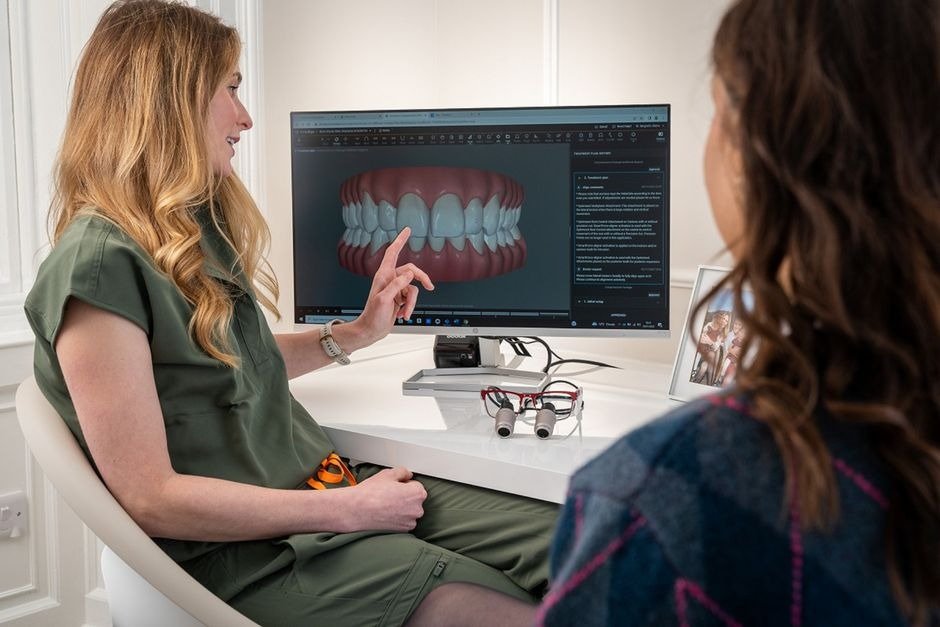
If you’re dealing with a missing tooth, the problem rarely stays cosmetic for long. Your bite can shift, chewing gets awkward, and even the way you speak may change over time. In a coastal town like Lantana, where daily life often means social events, outdoor dining, and constant face-to-face interaction, dental decisions can feel especially visible. Before you commit to any treatment, it helps to understand what tooth replacement actually involves and what separates a quick fix from a durable one.
What an Implant Actually Is and Why Dentists Recommend It
A dental implant is usually a titanium post placed into the jawbone, where it integrates through a process called osseointegration. After healing, an abutment and crown are attached to create a replacement tooth that functions more like a natural one.
This option gets recommended often because it is conservative in one specific way: it doesn’t require sacrificing adjacent teeth. If you’re comparing longevity and biomechanics, that point carries weight.
Patients exploring dental implants in Lantana, FL are typically looking for more than cosmetic repair. They want stability, cleaner chewing mechanics, and a result that feels less like a workaround. In the right case, implants can deliver exactly that, provided your bone and gum health support placement.
A Missing Tooth Changes More Than Your Smile
You may think one missing tooth is manageable, especially if it’s not front and center. The reality is more technical. Once a tooth is gone, the underlying alveolar bone starts to resorb because it no longer gets stimulation from the root.
That loss can gradually affect adjacent teeth, occlusion, and facial support. You might notice food trapping in places that never used to be a problem, or that one side of your mouth starts doing most of the chewing. Dentists look at this as a functional issue, not just an aesthetic one.
For teenagers and young adults, the long-term consequences matter even more. A shortcut today can create a more expensive restorative case later, especially if spacing, gum health, and bone volume begin to change.
Your Main Replacement Options Each Come With Tradeoffs
You usually have three broad options: a removable partial denture, a fixed bridge, or a dental implant. Each has a different impact on comfort, maintenance, and long-term oral health.
A removable appliance tends to cost less up front, but some people find it bulky or unstable. A bridge stays fixed, which many patients prefer, yet it often requires reshaping the healthy teeth next to the gap. That tradeoff can be hard to ignore if those teeth are otherwise strong.
An implant works differently because it replaces the root as well as the visible crown. That structural detail matters. It can help preserve bone and avoid relying on neighboring teeth for support. Your final choice should match your anatomy, budget, and tolerance for treatment time.
Not Everyone Is an Immediate Candidate, and That’s Normal
You don’t walk into an office, point to a gap, and automatically leave with an implant date. A proper evaluation usually includes digital imaging, a periodontal exam, and a review of your medical history.
Bone density is a major factor. If the tooth has been missing for a long time, there may not be enough bone volume for ideal placement without grafting. Gum disease also needs to be controlled first, since peri-implant tissues need a healthy environment to stay stable.
Age matters too, though not in the way people assume. It’s less about being young or older and more about skeletal development and health status. Vaping, smoking, uncontrolled diabetes, and poor home care can all affect healing and increase complication risk.
The Treatment Timeline Is Longer Than Most People Expect
One reason patients hesitate is simple: implants are rarely instant. Even in straightforward cases, there are stages, and each one affects the final outcome.
You may need an extraction first, followed by healing. Then comes implant placement, and after that, a waiting period for osseointegration. Depending on your case, the crown might be placed a few months later. If bone grafting is involved, the timeline can stretch further.
That delay isn’t inefficiency. It’s biology. Bone and soft tissue need time to remodel and stabilize. Rushing the process can compromise primary stability or esthetic results, especially in visible areas. If you want something durable, patience is part of the treatment plan.
Cost Questions Matter, but Upfront Price Isn’t the Whole Story
You should absolutely ask about cost, itemized fees, and whether diagnostics, grafting, temporary restorations, and the final crown are included. Implant treatment can look expensive until you compare what repeated repairs on other options may add up to over time.
A removable prosthetic may need more adjustments. A bridge may eventually involve decay or failure in the supporting teeth. Those risks don’t make other treatments bad, but they do change the financial picture.
Insurance coverage varies a lot. Some plans cover parts of the process, while others classify implants as elective. Financing options are common in private practices, and they can make a high-quality restoration more realistic. The better question isn’t just “What does it cost now?” but “What am I paying for over ten years?”
Choosing the Right Provider Takes More Than Reading Reviews
Reviews help, but they only show one slice of the picture. You also want to know how the office handles diagnostics, planning, and case selection. Implant dentistry relies on precision, not guesswork.
Ask whether the practice uses 3D imaging such as CBCT scans for surgical planning. Find out who performs the placement and who restores the implant. In some practices, those steps happen in-house; in others, they involve coordinated referral care. Neither model is automatically better, but clarity matters.
Pay attention to how risks are explained. A strong provider won’t promise perfection or skip over healing variables. They’ll discuss bone support, soft tissue management, occlusal load, maintenance, and realistic esthetic expectations in language you can actually understand.
Life After the Procedure Depends on Maintenance, Not Luck
A successful implant still needs regular care. You can’t treat it as a permanent object that takes care of itself just because it won’t get a cavity.
Plaque can still accumulate around the gumline, and peri-implantitis is a real concern. You’ll need solid home care, routine cleanings, and periodic exams so your dentist can monitor the surrounding tissues and bite forces. If you grind your teeth, a night guard may become part of protecting that investment.
The encouraging part is that maintenance is usually straightforward once the area has healed well. Brush carefully, floss or use recommended interdental tools, and keep follow-up appointments. The best implant outcomes often come from patients who understand that replacement teeth still depend on healthy habits.
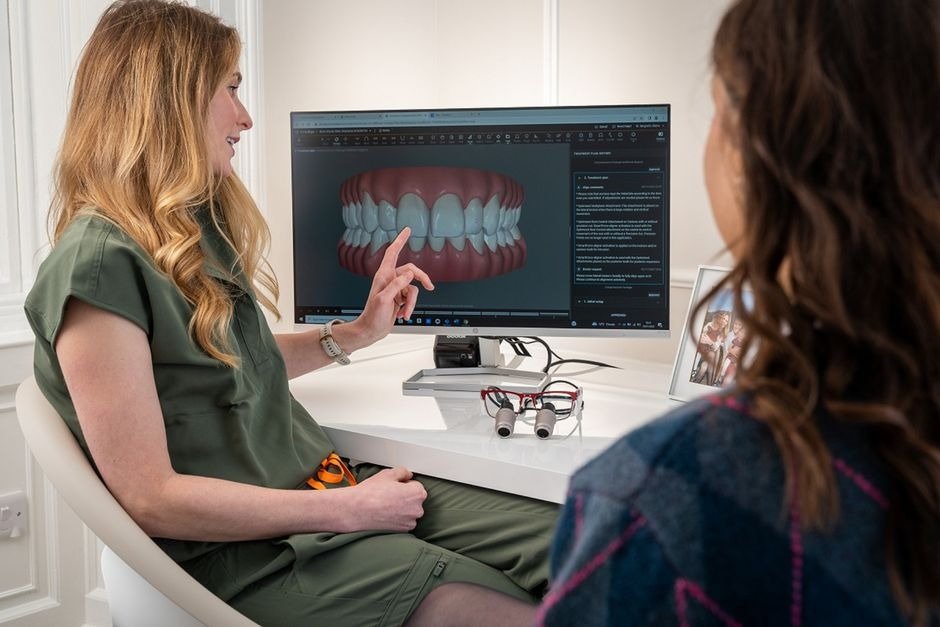
When people consider braces or clear aligners, the first thing they often imagine is a straighter, more attractive smile. While appearance is an important benefit, orthodontic treatment can also influence eating habits, oral hygiene, comfort, and confidence. In Canal Winchester, where the population reached an estimated 10,058 residents in July 2025, growing families and busy professionals have plenty of reasons to consider how dental care fits into everyday routines. Understanding these practical changes can help you approach treatment with realistic expectations and a clearer sense of its long-term value.
A Better Bite Changes How You Eat
Straight teeth are noticeable, but the way your upper and lower teeth meet can be equally important. When a bite is misaligned, chewing may feel uneven, certain foods can become uncomfortable, and individual teeth may experience excessive pressure.
Over time, an uneven bite can contribute to tooth wear, chipped enamel, and jaw discomfort. Some people also develop habits such as chewing predominantly on one side without realizing it. Orthodontic treatment can help correct alignment and bite problems, although the benefits depend on the individual’s condition and treatment plan.
For families exploring their options, finding the best orthodontist in Canal Winchester can be an important step toward understanding which approach may improve both dental function and appearance.
The goal is not simply to create evenly spaced teeth. It is to help the teeth work together comfortably while supporting healthy oral function. A professional assessment can identify problems that may not be obvious when looking at a smile in the mirror.
Everyday Habits Change From the First Week
Starting orthodontic treatment often means making small adjustments to familiar routines. Meals may require more thought, brushing can take longer, and snacks that once seemed harmless may become less convenient.
Traditional braces require extra care around brackets and wires. Hard foods can damage appliances, while sticky sweets may become difficult to remove. Cutting firmer foods into smaller pieces and choosing softer meals when teeth feel tender can make the adjustment easier.
Clear aligners bring a different set of responsibilities. They are removable, but they must be worn according to the prescribed schedule to achieve the intended movement. Removing them for meals is convenient, yet remembering to clean your teeth before reinserting them requires consistency.
Oral Hygiene Becomes More Important
Keeping teeth clean requires additional attention during orthodontic treatment. Brackets and wires create spaces where food particles and plaque can collect, increasing the importance of thorough brushing and cleaning between teeth.
Patients with braces may benefit from interdental brushes or floss threaders to reach difficult areas. Those using aligners should clean their teeth before putting their trays back in and follow their provider’s instructions for cleaning the appliances themselves.
A useful resource on cleaning teeth with braces explains practical techniques for managing this routine. Developing effective habits early can make daily care easier and help protect the teeth and gums throughout treatment.
Regular dental checkups remain important, too. Orthodontic appointments monitor tooth movement, while routine dental visits help identify cavities, gum inflammation, or other concerns that may develop during treatment.
Timing Can Make a Difference
Orthodontic treatment is not limited to teenagers. Children, adolescents, and adults can all benefit from an evaluation when alignment or bite concerns arise. However, the ideal timing depends on the individual’s dental development and specific needs.
For children, an early assessment can help identify crowding, crossbites, impacted teeth, or concerns involving jaw development. An evaluation does not automatically mean treatment must begin immediately. In some cases, monitoring growth and waiting for the appropriate stage is the most suitable approach.
Teenagers may need to balance appointments with school, sports, and social activities. Adults might consider work commitments, travel, or upcoming personal milestones. These practical factors can influence which treatment method feels manageable.
Modern Treatment Offers Greater Precision
Orthodontics has evolved considerably, with digital scans, imaging, and computer-assisted planning helping professionals assess tooth positions and map proposed movements.
These tools can support treatment planning and progress monitoring, but technology does not eliminate every challenge. Teeth move gradually through the supporting bone, and temporary soreness can occur after adjustments or when switching to a new aligner.
The experience also varies between individuals. Some people adapt quickly, while others need more time to become comfortable with their appliances. The complexity of the case, the chosen method, and adherence to instructions all influence the overall experience.
Rather than expecting a completely effortless process, patients should look for a treatment plan that balances clinical needs with everyday practicality.
The Right Plan Should Fit Your Lifestyle
Two people with similar-looking teeth may need different approaches. A student participating in contact sports, for example, may require specific advice about mouthguards. Someone who travels frequently might prioritize appointment scheduling, while another person may prefer a treatment option that can be removed for meals.
These considerations deserve attention alongside clinical recommendations. Patients should understand the expected appointment frequency, how to handle a damaged appliance, and what happens if progress takes longer than anticipated.
Financial planning matters as well. Before starting, ask about the total estimated cost, payment arrangements, insurance coverage where applicable, and whether retainers are included. Clarifying these details helps you compare options without focusing exclusively on the initial price.
Good communication also makes it easier to raise concerns about discomfort, changes in routine, or difficulties following instructions. Treatment is a shared process, and informed patients are better equipped to participate in decisions about their care.
Retainers Protect the Progress You Make
Completing braces or aligner treatment can feel like reaching the finish line. However, the teeth can shift after active treatment, which is why retention is an essential part of maintaining the results.
Retainers help hold teeth in their corrected positions while the surrounding tissues adapt. Depending on the case, an orthodontic professional may recommend removable retainers, a fixed retainer, or a combination of approaches.
The instructions vary, so patients should follow their individual retention plan rather than assuming occasional use is sufficient. Removable retainers also need proper cleaning and safe storage to prevent damage or loss.
It is easy to overlook retention once appointments become less frequent. Establishing a consistent routine helps protect the progress achieved during treatment and reduces the risk of unwanted movement.
A Healthier Smile Is About More Than Appearance
A straighter smile can improve confidence during conversations, photographs, and professional interactions. Yet the value of orthodontic care extends beyond aesthetics when treatment addresses genuine functional problems.
Improved alignment may make some areas easier to clean, while correcting certain bite problems can help distribute chewing forces more appropriately. The actual benefits depend on the starting condition, oral health, and treatment outcome; straight teeth alone do not guarantee freedom from dental problems.
The most useful approach is to consider how orthodontic treatment could improve your particular circumstances. Ask questions, understand the commitment, and weigh the likely benefits against the time, cost, and maintenance involved.
Ultimately, orthodontics is a process that reaches into everyday life, from the foods you choose to the habits you build. With realistic expectations, professional guidance, and consistent care, treatment can become a manageable step toward a healthier, more comfortable smile.

Catching Medication Risks Sooner Through Better Safety Reporting

What Does Timsko Mean? Grammar and Examples

What Is Domikyo.com? Everything You Should Know
Who Is Gale Burnick? The Story Of George R. R. Martin’s Ex Wife

Who Is Hermann Nicoli? The Full Story Of Candice Swanepoel’s Former Fiancé

Who Is Alicia Dove? The Life Story Of Corey Taylor’s Wife
-
Celebrity4 months ago
Who Is Gale Burnick? The Story Of George R. R. Martin’s Ex Wife
-
 Celebrity4 months ago
Who Is Hermann Nicoli? The Full Story Of Candice Swanepoel’s Former Fiancé
-
 Celebrity4 months ago
Who Is Alicia Dove? The Life Story Of Corey Taylor’s Wife
-

 Celebrity4 months ago
Meet Carole Rogers: Everything to Know About Kenny Rogers’ Daughter
-

 Blog3 months ago
What Is Sosoactive? A Complete Guide to the Digital Platform
-

 Celebrity4 months ago
Who Is Sydney Davis? The Full Story Of Billy Bush’s Ex Wife
-

 Celebrity4 months ago
Who Is Anna Hillinger? The Full Life Story Of Mike Shinoda’s Wife
-

 Celebrity4 months ago
Who Is Demacio Castellon? Life Story Of Nelly Furtado’s Ex Husband