
Technology
What Is CDiPhone? The Truth Behind the Viral Tech Term

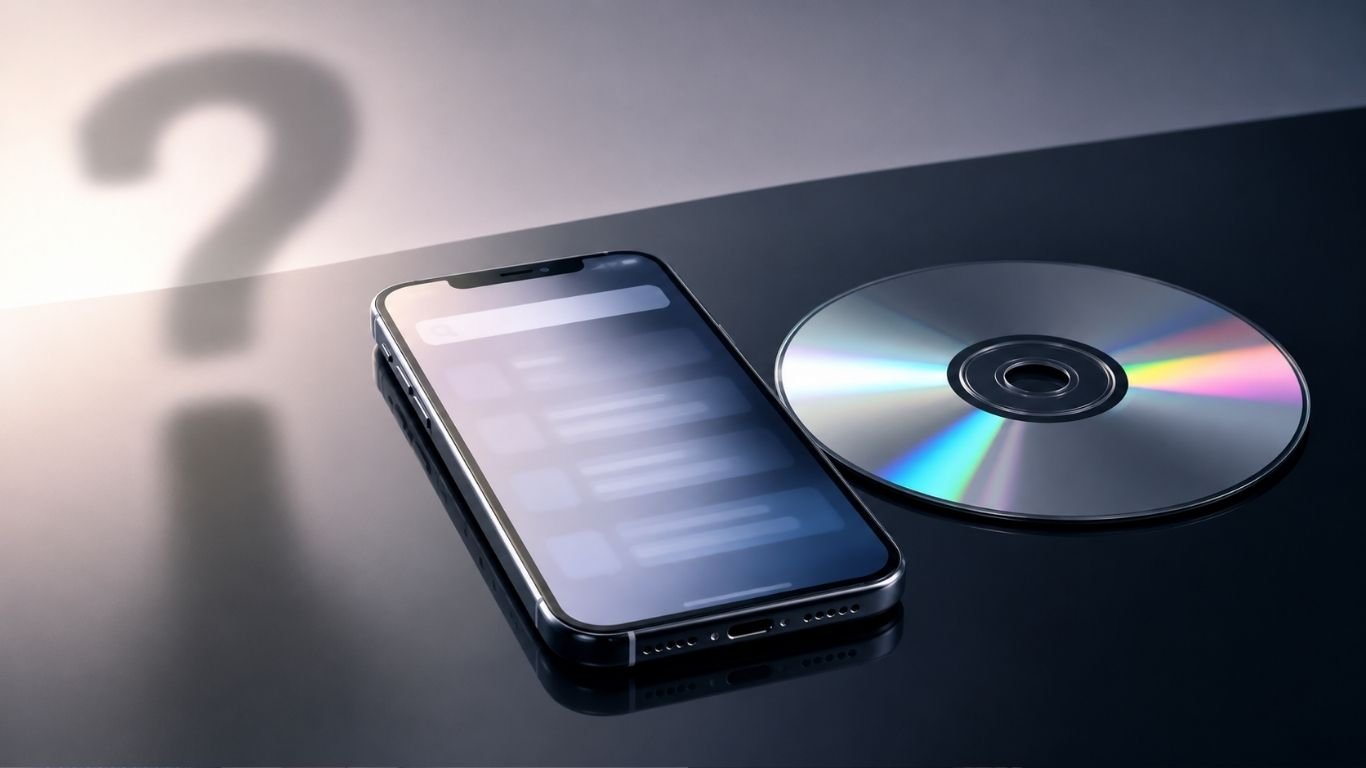
If you searched for CDiPhone, you may have expected a new Apple device, a hidden iPhone feature, or an accessory for playing compact discs. The reality is much simpler. Apple does not use this name for any iPhone model or feature.
The term has spread because different websites use it in different ways. Some describe a made-up Apple concept. Others seem to use it as a typo for “CDMA iPhone.” A smaller group uses the word while talking about moving music from CDs to an iPhone.
That mix has created a lot of confusion. This guide sorts out what is real, what is not, and what you can actually do with an iPhone and a CD collection.
What Is CDiPhone?
CDiPhone is an unofficial internet term. It is not the name of an Apple phone, service, app, or hardware feature. You will not find it in Apple’s normal product line.
The word seems convincing because it joins two familiar terms: “CD” and “iPhone.” That makes it sound like a product that could connect old music discs with a modern phone. But there is no official Apple device under that name.
Online posts have given the term several meanings. That is why two people can search the same word and find very different answers.
Why the Term Is Showing Up Online
Search engines often pick up unusual terms after many sites begin writing about them. That can happen even when the subject is vague or false.
Some pages treat CDiPhone as a future Apple idea. They may describe special hardware, wireless disc reading, or a new way to merge physical media with iOS. These claims can sound polished, but polished writing is not proof.
Other pages repeat the same claims with few clear sources. Once enough copies exist, the term can look established. In reality, repetition can make a weak claim appear stronger than it is.
Is CDiPhone an Apple Product?
No. CDiPhone is not an official Apple product name.
Apple lists its current iPhone models and cellular support through its own product and support pages. Modern iPhones focus on 5G and LTE network support, not a product category built around compact discs. Apple’s current support material also uses familiar names such as iPhone, Apple Music, iCloud, and iTunes rather than this internet-created term.
That does not stop blogs from inventing concept products. A fictional idea can still be interesting, but it should be labeled as a concept. Problems start when a made-up name is presented as real Apple hardware.
The AI Clickbait Problem Behind the Name
One reason CDiPhone keeps appearing is the rise of low-cost automated content. A site can take an odd search term and produce a long article around it in seconds.
These pages may claim that the product offers advanced media tools or connects old CDs directly to an iPhone. Some even describe features, launch plans, or benefits without giving a real Apple announcement.
Readers should look for simple proof. Is there an Apple product page? Is there an Apple Newsroom release? Is the term used in official support documents? If not, treat the claim with care.
Search traffic can reward confident wording. It does not always reward accuracy.
Could It Be a Typo for CDMA iPhone?
In some cases, yes. CDiPhone may be a shortened or mistyped form of “CDMA iPhone.”
CDMA stands for Code Division Multiple Access. It was used by major mobile carriers in the United States before LTE and 5G became the main standards for newer smartphones.
Older iPhone discussions often separated GSM and CDMA models because carrier support mattered more at the time. A user searching old forum posts may therefore see similar wording and assume the terms are related.
Today, that distinction matters far less for most buyers. Current iPhones are marketed around LTE and 5G band support.
Does an iPhone Play a Physical CD Directly?
Not in the way a computer with a disc drive does. An iPhone has no built-in optical drive, so you cannot insert a compact disc into the phone.
That sounds obvious, but some CDiPhone articles make the process seem almost plug-and-play. In practice, a normal external CD drive is designed for a computer environment. The computer handles the drive, reads the disc, and converts or copies the audio.
The useful solution is not to make the iPhone read the disc. It is to turn the music on that disc into digital audio files first.
How to Put CD Music on an iPhone
If CDiPhone brought you here because you want old CD music on your phone, the standard method still works well.
Start with a Mac or Windows PC that can read the disc. If the computer has no built-in optical drive, connect a compatible external CD or DVD drive. Then import the songs into a music library.
Apple says the Music app on Mac can import songs from audio CDs. On Windows, iTunes can also import CD tracks. After import, the songs can be played without keeping the disc in the drive.
Once the songs are digital, you can move or sync them to your iPhone through the normal Apple music tools available on your setup.
Which Audio Format Should You Choose?
When you rip a CD, the file format affects sound quality and storage size.
Apple’s iTunes support shows AAC as the default import format. It also supports options such as MP3, Apple Lossless, AIFF, and WAV.
AAC is a practical choice for many users because it gives good sound without using huge amounts of space. MP3 can be useful when you want broad support across many devices.
Apple Lossless is better for people who want to keep more audio quality. The files are larger, though.
There is no single perfect format. Choose based on storage, sound quality, and where else you plan to play the files.
Why Direct CD Support Is Unlikely to Matter
The idea behind CDiPhone feels like a bridge between two eras. CDs were once the main way people bought albums. Phones now handle streaming, downloads, cloud libraries, and local audio files.
Because digital music already solves the main problem, a special iPhone CD system would add extra hardware for a task that can be done on a computer once.
That does not make CDs useless. Many people still collect them for ownership, artwork, special editions, or sound quality. But the phone does not need to become a CD player to use that music.
A simple import-and-sync process is usually enough.
How to Spot Fake Apple Product Claims
Odd Apple rumors spread fast because the brand attracts huge search interest. CDiPhone is a good example of why basic source checks matter.
First, look for the product on Apple’s own website. Then check Apple Support or Apple Newsroom. Real products usually leave a clear trail through official pages, technical details, release information, and support documents.
Be careful when a page gives bold product claims but no model number, launch event, official statement, or direct source.
Also watch for articles that repeat vague phrases without explaining how the hardware would work.
A real product does not become real because ten blogs copied the same description.
What the Term Probably Means for Most Searchers
For most people, CDiPhone points to one of three things.
It may be a made-up tech term created for search traffic. It may be a mistaken form of “CDMA iPhone.” Or it may be connected to a question about getting music from a compact disc onto an iPhone.
The third meaning is the most useful one because it has a real solution. Rip the CD on a computer, save the tracks in a supported audio format, and add them to your music library.
Apple still documents CD importing for both Mac Music and Windows iTunes.
Final Thoughts
CDiPhone sounds like a real Apple term, but there is no official product behind the name. Most of the confusion comes from copied web content, old CDMA wording, and questions about using physical CDs with an iPhone.
If your goal is music, the answer is straightforward. Use a computer to import the CD, choose a format such as AAC or MP3, and then place the digital tracks in the music system you use with your iPhone.
The bigger lesson is useful beyond this one keyword. When a strange product name suddenly appears online, check the maker’s official site before trusting detailed claims. A convincing article can still describe something that does not exist.


Twitch lowered the bar for its Affiliate programme in 2026, and many older guides still quote the previous numbers. If you are trying to unlock subscriptions, Bits payouts and the other Affiliate perks, it is worth knowing exactly which goals you need to hit, how Twitch measures them, and how to check your progress without guessing.
The current Affiliate goals
Twitch’s “Path to Affiliate” achievement now asks for four things within the same 30-day window:
- 25 followers
- 4 hours of streaming (240 minutes in total)
- Streams on 4 different days
- An average of 3 viewers on 4 of those days
The old version asked for 50 followers, 500 minutes (about 8 hours) and 7 separate stream days. If a tutorial still lists those figures, it was written before the update.
How the “3 average viewers” rule really works
This is the goal that confuses most new streamers. Twitch does not look at one big average across the whole month. It looks at each stream day separately: a day counts when your average concurrent viewers for that day reaches 3. You need four such days in the last 30 days, and days below 3 simply don’t count. They do not pull the others down.
A few details matter in practice:
- Days are counted in GMT. Twitch’s achievement tracker uses GMT without daylight-saving adjustments, while your analytics dashboard shows your local time zone. A late-night stream in the Americas can land on the next day in Twitch’s count.
- Chatbots don’t count as viewers.
- The average is per day, not per peak. Hitting 10 viewers for five minutes during a raid doesn’t help much if you spend three hours at one viewer.
Because of this, a short, focused stream at a time your community can actually join often does more for the requirement than a long stream in an empty time slot.
Checking your progress with real numbers
The achievement page in your Creator Dashboard shows whether each goal is complete, but it doesn’t explain how close a given day is to the threshold. To plan ahead, you can feed your own stream data into a Twitch average viewers calculator. Enter the length of each stream and the viewers you had, and it shows the average per day and which days already qualify. This is useful when you are deciding whether one more stream this week could complete the goal.
What about Partner?
Partner is the next step and is considerably harder. The current “Path to Partner” achievement asks for 6 streams on 6 unique days with an average of at least 75 viewers, in two consecutive 30-day windows. A broadcast below 75 average viewers simply doesn’t count towards the six. Even when you meet the numbers, Partner is an application: Twitch reviews it, and exceptions are possible for creators who are growing quickly or who bring a large audience from another platform.
A realistic 30-day plan
- Pick a fixed schedule. Two or three set days per week, at the same hour, makes it easier for the same people to return. Consistency helps the per-day average more than random long sessions.
- Stream for 60 to 90 minutes. Shorter streams make it easier to keep your average above 3 for the whole session.
- Bring your existing audience. Friends, Discord members and followers from TikTok or YouTube Shorts are usually your first regular viewers.
- Collaborate. Co-streams and raids with streamers of a similar size bring real viewers who already enjoy your category.
- Check your days weekly. Once three qualifying days are complete, plan the fourth stream for your strongest time slot.
The zero-viewer start is the hardest part for almost every new channel, and a whole market of growth services has formed around it. On sites like ViewerWorks, for example, streamers can buy Twitch viewers or followers for their broadcasts. Whatever route you choose, the viewers who return week after week are the ones who came for your content.
After you qualify
Twitch sends the Affiliate invitation automatically, but it can take up to 48 hours to appear. Before you accept, make sure your account has two-factor authentication enabled and a verified email address, because both are needed for onboarding and payouts. Once you are in, it helps to estimate what subscriptions and Bits might bring in at your size. A free Twitch earnings calculator gives a quick, realistic picture of subscriptions and Bits before you plan any upgrades to your setup.
For the official wording of each goal, Twitch keeps an up-to-date description on its achievements help page.

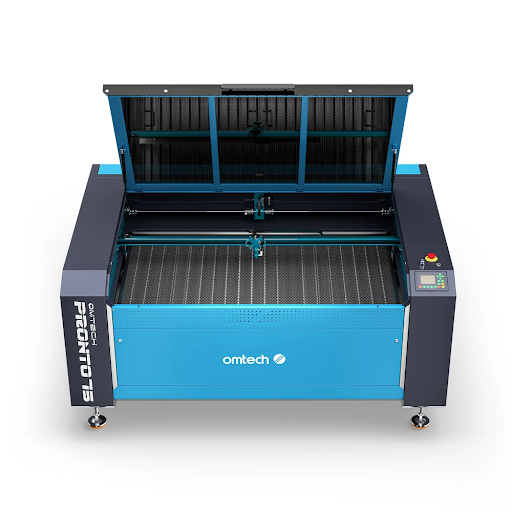
A laser cutter lets one person turn timber, acrylic and leather into finished products without a factory. In Australia, that translates into a handful of well-proven micro-business models built around customisation, local style and small-batch work. Here are five that makers and small business owners regularly talk about, followed by guidance on margins, machines and where to sell.
1. Personalised Australiana and Home Décor
Native timber wall signs, nursery name plaques, entry signage and layered wooden artwork are consistent sellers. There is steady local demand for custom timber and for rustic or boho styling in Australian homes, and layered designs are hard to copy by hand, which helps you avoid pure price competition.
Tip: Build a small collection around a theme, such as native florals, coastal towns or nursery names, so customers can buy a matching set.
2. Wedding and Event Décor
Acrylic or timber welcome signs, custom table numbers, place cards and cake toppers sell all year round. Rustic and boho weddings in particular lean on laser-cut details, and couples will pay extra for something made to match their colours and venue.
Tip: Offer ready-to-order packages (signage, table numbers, place cards) so couples can decide quickly and you can batch production.
3. B2B Custom Business Signage
Acrylic company logo signs, QR-code display stands for cafés, and office or door plaques are a good route to repeat customers. Local small and medium businesses tend to have higher average order values than individual buyers, and they come back when they open a new location or change their branding.
Tip: Visit local cafés, clinics, and offices with a sample. A physical piece of work in a business owner’s hand is the best sales pitch you have.
4. Engraved Drinkware and Gifts
Custom tumblers, wine glasses, leather hat patches and cork coasters are popular for markets and online gifting. Unit costs are low, production is quick and margins are strong. One detail to get right: a CO2 laser can’t engrave bare stainless steel directly. Stainless tumblers are usually coated or marked using a fibre laser or a marking compound, so choose products that suit your machine.
5. Custom Prototyping and Short-Run Fabrication
Architectural models, custom packaging inserts, leather goods and small components cut to order fill a niche for independent designers and makers who need a small batch without paying industrial setup fees. This work builds relationships with architects, product designers and artists, which can lead to repeat business.
Choosing the Right Machine for the Business
The laser type should follow the product.
- CO2 lasers are the best all-rounder for timber, acrylic, paper, leather and glass etching. They’re the natural choice for wall art and signage.
- Fibre lasers are specialised for direct metal engraving, such as jewellery, metal tags and some tumblers, but can’t cut wood.
- Diode lasers are an entry-level option for light engraving and softer materials, but they’re generally limited for dense acrylic or glass.
For most of the business ideas above, a CO2 machine covers the widest range of products.
Profitability: What to Expect
Community discussions and local market guides commonly cite gross margins of 60 to 85 per cent on individual custom laser-cut or engraved products. Once you account for platform fees such as Etsy or Shopify, packaging, material waste and marketing, whole businesses typically net around 15 to 30 per cent. Treat these as ballpark figures rather than guarantees. Your own margins will depend on pricing, material costs, how much time each piece takes and how efficiently you batch your work.
Where to Sell
Many Australian makers start on Etsy, Facebook Marketplace, weekend craft and design markets, or a dedicated Shopify store. Markets are useful for testing products and meeting customers face to face. Online stores scale better once you know what sells.
A Machine That Suits Most of These Businesses
If you’re looking for a single machine to cover signage, wedding décor, gifts, and prototypes, the OMTech Polar Lite 55W desktop CO2 laser engraver and cutter is a strong candidate. It’s currently listed at A3,299,orA3,299,orA3,609 with LightBurn included.
Features that matter for the business models above:
- Camera positioning. A built-in camera shows your material on screen so you can place designs precisely and reduce waste.
- Autofocus and integrated water cooling. Less setup time and no external chiller to find room for.
- A 500 × 300 mm working area with pass-through. Large enough for wall signs, wedding signage, and multiple smaller items in one run.
- Closed, enclosed design. Safer for home and small studio use, and easier to keep dust and smoke under control with proper extraction.
It works with LightBurn, so you can use standard vector files from design tools. Check the product page for the current specifications and what’s included, and plan for ventilation and a suitable workspace.
Before You Launch
- Choose a niche. A focused offer, such as nursery décor or café signage, usually sells better than a general range.
- Test your pricing. Include materials, machine time, finishing, packaging, and your own labour.
- Check regulations. Registering an ABN and understanding GST and any insurance or council requirements for working from home are worth doing early. For specifics, speak to an accountant or the relevant authority.
- Start small. Make a sample range, photograph it well, and test it at a market or on one online channel before scaling.
A Simple First-Month Plan
In week one, choose a niche and design a starter range of five to ten products. In week two, make samples and photograph them in natural light. In week three, list the products online or book a market stall, and approach three local businesses with samples. In week four, review what sold, what people asked for, and what took too long to make, then refine the range. This kind of small, measured launch costs little and tells you more than months of planning.
Final Thoughts
A laser cutter gives you the ability to make products people value precisely because they are personal. Decide whether your strength is homeware, weddings, business signage, gifts, or prototyping; choose a machine that suits your materials, and start with a small range you can make well. Margins in this space can be healthy, but they come from careful pricing, steady marketing, and a product that stands out.

Planning Phone Verification for Saudi Mobile Numbers
Before a small business adds phone verification, it needs to decide who is responsible for every step behind the screen. A text message can arrive while a customer still cannot finish registering. An accepted code can be followed by an application error. A useful product plan gives each stage an owner and explains what the customer can do if it fails.
Imagine a fictional workshop booking service in Riyadh. Customers choose a session and enter a Saudi mobile number. Before confirming the reservation, the service asks them to enter a one-time password, or OTP, sent by SMS. The business wants evidence of access to the contact number supplied for the booking.
Decide what the code should establish
Successful validation provides evidence that someone could obtain the code sent to that number at that moment. It does not, by itself, establish the applicant’s legal identity, nationality or entitlement to another person’s bookings.
NIST’s digital authentication guidance describes authentication in terms of control of authenticators and classifies telephone-network authentication as restricted within its authentication framework. It also explains that this kind of code entry is not phishing-resistant. A small business should therefore consider what an accepted code will unlock. Checking a booking contact and recovering access to an existing account are different decisions.
For the fictional service, define the immediate outcome narrowly: the number has passed the required check for this booking attempt. The reservation still needs to be saved and confirmed by the application.
Agree where provider responsibilities begin and end
Ask what the selected product and integration actually handle. A delivery service may transmit a code generated elsewhere. A managed verification service may also generate codes, check submissions and enforce some limits. An authentication platform may sit between the application and the SMS provider. The allocation must be explicit.
For the delivery step, Tawked documents SMS OTP delivery to Saudi mobile numbers only, making it one possible component to assess for that number scope. The application team should still establish which responsibilities belong to each part of its chosen setup.
Ask the developer to describe that setup in plain language. Who decides whether a code is valid? Who prevents repeated guesses? What information comes back when sending fails? These answers matter more to planning than a general promise that a service “supports OTP.”
Use a responsibility checklist
For each row, name a person in the business or development team who will confirm the arrangement. Record provider responsibilities from the relevant documentation. Outsourcing a function still leaves someone responsible for checking that it works with the application.
| Step | Application responsibility | Provider scope to confirm |
| Collect the number | Explain the purpose, accept supported formats and allow correction. | Supported destinations and number-format rules. |
| Request a code | Make an authorized server request tied to the pending action; protect credentials. | Acceptance responses, errors and safe retry behaviour. |
| Deliver the SMS | Handle reported results and unavailable delivery information. | Delivery arrangements, status meanings and available reports. |
| Validate the code | Associate the result with the correct number, request and intended action. | Who generates and checks codes, including expiry and single use. |
| Limit attempts | Address abuse across the application and define recovery. | Limits on sends, resends and incorrect entries; what resets them. |
| Explain the result | Display accurate messages and available next actions. | Error details and timing information supplied to the application. |
| Complete the booking | Save the reservation and confirm it only after success. | How a verification result is returned to the application. |
| Handle support | Own customer enquiries and arrange safe escalation. | Support routes and diagnostic references available to the team. |
Keep delivery and completion separate
In the fictional service, an accepted send request means only that the request reached the provider’s documented acceptance stage. Where delivery reports are available, the team must understand their meaning. A reported delivery does not establish that the intended customer read the SMS or submitted its code. Missing delivery information should remain an unknown, rather than being labelled a definite failure.
Code validation is a separate event. The application should advance only on a trusted server decision for the relevant request. An on-screen success message or a delivery status cannot substitute for that decision.
Even after a valid code, saving the reservation can fail. The service should distinguish “number verified” from “booking confirmed” and provide a way to continue without accidentally creating duplicate reservations. This is application behaviour that needs an owner, regardless of who delivered the message.
Set limits that repeated requests cannot bypass
OWASP’s guidance on handling one-time passwords recommends limited validity, single use, strict attempt limits and keeping OTP values out of logs. Ask the developer to show where these controls are enforced, whether in the application’s server or a managed service.
Sending limits and incorrect-code limits address different problems. The first can help control unwanted messages and spending; the second constrains guessing. A fresh code should not create an unlimited new guessing opportunity. NIST’s out-of-band authentication model specifically requires failed-attempt counts to survive the generation of another secret.
Confirm what a resend does to earlier codes and how limits apply across new requests. Choose expiry and retry settings with the developer, considering the action’s risk, the provider’s supported controls and a workable recovery path. There is no need to borrow a countdown or attempt count from an unrelated service.
A visible resend timer should reflect the actual rule enforced by the server. It explains when another request becomes available; it does not enforce that restriction by itself. Code expiry and resend availability should also be treated as separate states.
Give customers an understandable next step
Show the Saudi-number requirement before asking for a code, and let the customer correct the number. If the service offers Arabic and English screens, review the instructions and number display in both languages.
For this fictional application, “Please enter a Saudi mobile number” could explain an unsupported destination. If the server confirms expiry, “This code has expired. Request a new code” gives a next step, provided another request is allowed. When the cause is unknown, “We could not complete verification” is more accurate than blaming the mobile network.
Make the action fit the message. A temporary restriction needs useful waiting information when that is known. A failed booking save needs guidance about the reservation. Avoid wording that unnecessarily reveals whether someone else has an account.
These examples concern application screens. The SMS content available from the selected delivery service is a separate matter and must follow that service’s documented options.
Prepare support before the first customer gets stuck
Give support staff a way to distinguish a sending problem, an unsuccessful code check and a reservation that did not save. Useful diagnostic records can include stage timestamps, a non-secret request reference and an outcome category. Keep OTP values, credentials and unnecessary personal information out of those records; decide who can access them and how long they are needed.
A support enquiry can ask when the problem occurred and what message appeared. Staff should not ask customers to share their OTP or a screenshot containing it. Losing access to a number also needs a defined recovery process; a caller’s request should not become an informal way to bypass verification.
Review accepted requests, delivery outcomes where available, successful validations and confirmed reservations separately. A gap between successful validations and saved reservations is a reason to inspect the application flow. It is not proof of a particular fault.
Before launch, ask the developer and support owner to walk through an incorrect number, a delayed code, repeated resend clicks, an exhausted attempt limit and a booking-save failure. For each situation, agree what the customer sees, what is recorded and who investigates. Launch approval should cover the successful reservation and the response when one of its steps fails.

Pool Maintenance: The Hidden Business Costs of Neglecting Your Facility

Prevention Cloud: A Complete Guide to Workplace Wellness and Cloud Security

Neatie: Personalized Jewelry, Custom Necklaces, and Complete Buying Guide
Who Is Gale Burnick? The Story Of George R. R. Martin’s Ex Wife

Who Is Hermann Nicoli? The Full Story Of Candice Swanepoel’s Former Fiancé

Who Is Alicia Dove? The Life Story Of Corey Taylor’s Wife
-
Celebrity4 months ago
Who Is Gale Burnick? The Story Of George R. R. Martin’s Ex Wife
-
 Celebrity4 months ago
Who Is Hermann Nicoli? The Full Story Of Candice Swanepoel’s Former Fiancé
-
 Celebrity4 months ago
Who Is Alicia Dove? The Life Story Of Corey Taylor’s Wife
-

 Celebrity4 months ago
Meet Carole Rogers: Everything to Know About Kenny Rogers’ Daughter
-

 Celebrity4 months ago
Who Is Anna Hillinger? The Full Life Story Of Mike Shinoda’s Wife
-

 Celebrity4 months ago
Who Is Sydney Davis? The Full Story Of Billy Bush’s Ex Wife
-

 Celebrity4 months ago
Who Is Demacio Castellon? Life Story Of Nelly Furtado’s Ex Husband
-

 Blog2 months ago
What Is Sosoactive? A Complete Guide to the Digital Platform