
Blog
What Is CJMonsoon? A Guide to 360 Wave Caps and Durags

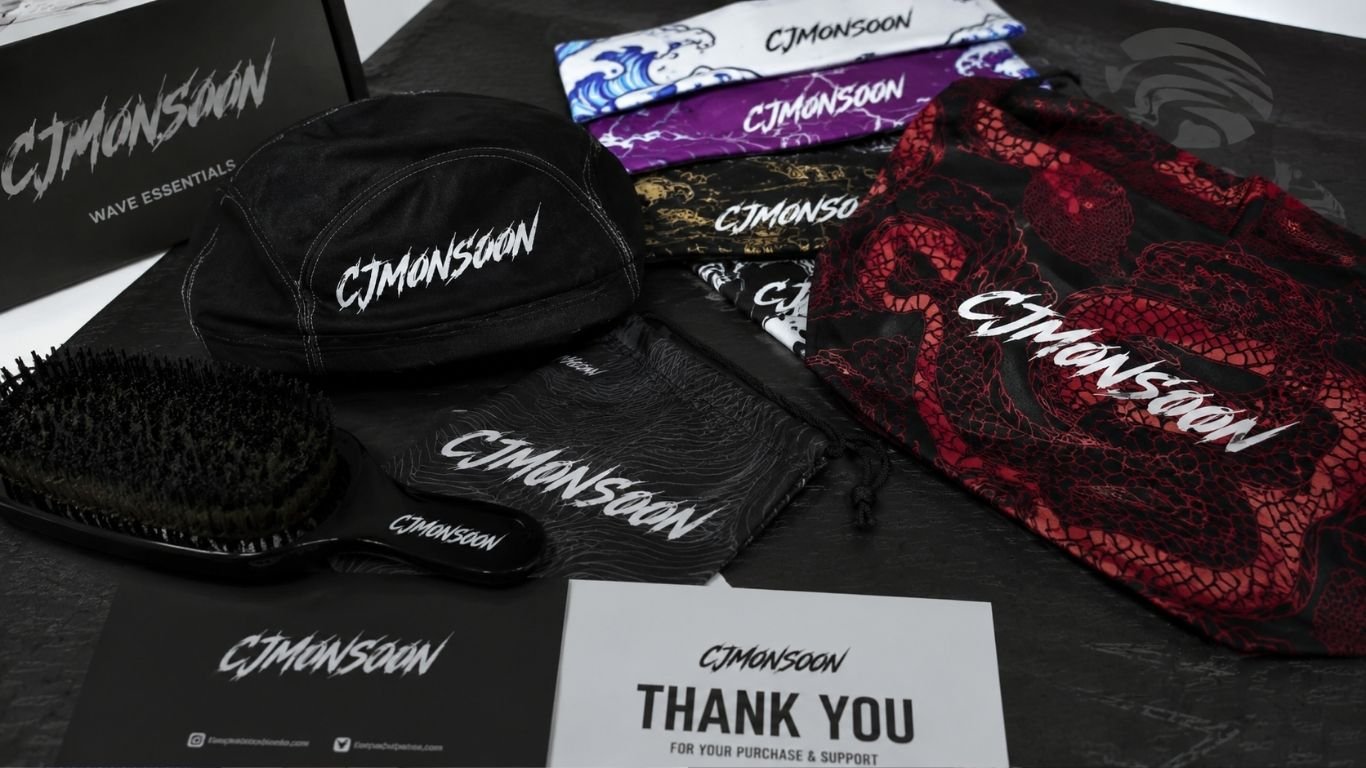
CJMonsoon is an independent hair care and streetwear brand built around the needs of the 360 waves community. It is best known for compression wave caps, silky durags, and other tools made to help users protect and train their hair. The brand has gained attention because its products focus on fit, pressure, stretch, and durability.
For people who take wave training seriously, small details matter. A cap that slips can ruin a brush session. Rough fabric can cause friction. Weak stitching can shorten the life of a durag. This is where the brand tries to stand apart from cheap headwear.
What Is CJMonsoon?
CJMonsoon operates through cjmonsoon.com and has built its name in the wave-grooming space. Reviews and wave-focused videos often discuss its Monsoon caps and durags as products made for regular use. Reviewers point to compression, wide bands, stretch, and firm materials as key parts of the design.
The store also blends hair care with streetwear style. Many pieces use bold prints, bright colors, or themed designs. That gives buyers a way to protect their hair while showing personal style.
Why Wave Caps Matter for 360 Waves
A wave cap does more than cover the head. It helps keep brushed hair laid down. This matters after a brush session, after adding moisture, or while sleeping.
Good compression can also help keep hair flat as it grows. Wavers often call this longer growth stage “wolfing.” During that time, hair can be harder to control. A firm cap helps hold the pattern between grooming sessions.
That is one reason CJMonsoon is known among people who want more compression than a basic stocking cap. Reviews often focus on how the material feels and how much pressure it gives.
Monsoon Wave Caps and Compression
The Monsoon wave cap is one of the brand’s best-known products. Its main job is to give a close fit over the hair. Some versions use a wide band, while others use a thinner band or a different shape.
The firm fit can help with thick hair and longer wolfing sessions. It can also be worn over a durag for extra hold. Customer reviews on Loox mention using Monsoon caps alone or on top of a durag. Several reviews praise the compression and feel.
Still, more pressure is not always better. The best fit depends on head size, hair length, and wear time.
Silky Durags for Daily Wave Care
CJMonsoon also sells silky durags made for wave care. Durags help reduce friction, keep hair laid down, and protect the work done during brushing. They are often used after adding a moisturizer.
The brand’s durags have also gained attention for creative prints and a smooth, stretchy feel. A wave-focused review of its “Soony Rags” explains how the durags fit into a wave routine.
Style is part of the appeal. Instead of only offering plain black or basic colors, the brand has been linked with more eye-catching designs. This makes the durag both a grooming tool and a fashion item.
Sports Caps and Ice Caps
Not every wave cap is made for the same setting. Some users need a cap for workouts or long wear. The Monsoon Sports Cap has been reviewed as a wave-focused option for active use. Other reviews discuss thin-band versions for users who want a different fit.
Ice caps are another part of the product mix. Loox customer reviews show buyers discussing stretchy, silky ice-cap styles and wearing them alone or over another layer.
These options give CJMonsoon a wider role than a one-product wave brand. Buyers can choose gear based on comfort, activity, style, or hold.
How Compression Helps During Wolfing
Wolfing is a common part of building deeper 360 waves. Instead of cutting the hair as soon as it grows, the user lets it grow longer. The goal is to train new growth to follow the same wave pattern.
As the hair gets thicker, keeping it flat gets harder. Brushing matters, but compression helps protect the result. A durag, wave cap, or layered setup can keep hair from lifting too much.
This is where CJMonsoon products often get attention. Several Monsoon cap reviews are aimed at people working on 360 waves and discuss compression as a core benefit.
Strong compression should feel secure, not painful. Users should stop or adjust the fit if they notice headaches, deep marks, or skin irritation.
Custom Designs and Personal Style
Wave gear does not have to look plain. Durags and caps can be part of an outfit, especially when they use strong colors, graphics, or themed prints.
CJMonsoon has built part of its appeal around that mix of use and style. The Loox review page includes customer photos and comments tied to named designs, including limited-edition and galaxy-style caps.
Graphic wave gear can appeal to buyers who want something less common than basic store-bought headwear. It also helps the brand reach both grooming and streetwear audiences.
Brushes, Combs, and Other Wave Gear
Wave caps and durags work best as part of a full routine. The wave process often includes brushing, moisture, and regular protection. Combs can help with longer hair, while brushes help guide the pattern.
CJMonsoon has also been linked with other wave-focused grooming items. A product video tied to the brand features both a Monsoon cap and a wave brush during a brush session.
For buyers, this makes the store more useful. They can build a simple grooming setup around the same goal.
What Customers Like About the Brand
Customer feedback shows why some buyers return. On Loox, reviewers praise the caps for comfort, stretch, style, and compression. One review describes using a cap alone or over a durag. Another speaks highly of the brand’s compression caps and durags.
Video reviews also show that CJMonsoon has had a place in the 360 waves community for years. Reviewers have tested Monsoon caps, sports caps, and silky durags in normal wave routines.
This niche attention matters because buyers often want to know how a cap fits, stretches, and feels during real use.
Shipping and Ordering Expectations
Independent brands may handle smaller runs, limited designs, or custom work. That can affect how fast an order moves.
Public feedback on CJMonsoon is mixed depending on the review platform. Loox shows many positive product comments, while WorthEPenny currently reports an overall score of 2.8 out of 5 from 23 reviews.
Buyers should check current shipping terms, return rules, sizing, and processing times before paying. If an item is custom-made or limited, check whether the same return terms apply.
Who Is CJMonsoon Best For?
CJMonsoon makes the most sense for people who understand basic wave care and want gear made for that routine. Beginners can use it too, but the main value comes from knowing why compression, stretch, and material choice matter.
It can also suit buyers who care about style. Many generic wave caps are plain. This brand leans more into printed looks and themed pieces that can be worn as part of an outfit.
The range also suits people who test different setups. One person may prefer a silky durag at night. Another may want a cap over the durag. Someone else may use a sports cap during training.
Conclusion
CJMonsoon has built a clear identity around 360 wave care, compression headwear, and bold streetwear style. Its Monsoon caps, durags, sports caps, and related gear are made for people who want more than a basic head covering. Reviews often focus on compression, stretch, comfort, and design.
The brand will not be the right fit for every buyer. Head size, hair length, pressure preference, and shipping expectations all matter. But for wavers who want specialized gear with a strong visual look, it remains a notable name in the niche.


A last-minute winner, a red-carpet interview that went off script, a backstage moment from a concert tour: some clips feel important the second you see them. Fans watch them on repeat, send them to friends and talk about them for days. Then, a few weeks later, they try to find the video again and it is gone, buried in a feed or deleted by the person who posted it.
That experience is one reason a growing number of sports and entertainment fans keep small personal archives of the short videos they care about. It is the modern version of taping a match or cutting an article out of a magazine, and doing it well takes only a little organisation.
Why clips disappear
Short videos are fragile. Accounts get renamed or deleted, creators clean up old posts, and rights holders remove footage they own. Even when a video is still online, finding it again in an endless feed can be harder than it sounds. A saved copy on your own device does not depend on any of that.
How fans save the clips they love
Most people start with the save or favourite button inside the app, which is fine until the video is removed. For public TikTok videos, a browser tool such as snaptik.life offers a simpler route: copy the share link, paste it into the page and save the video file to your phone or computer, typically without the watermark. Nothing needs installing, so it works on whatever device you have to hand.
A personal archive comes with responsibilities. Keep the clips for your own enjoyment, download your own videos or ones you have permission to use, and do not repost someone else’s work as if it were yours. When you share a moment with friends or online, credit the creator or the original account. Fan culture runs on the work of people who film, edit and post, and giving credit keeps that ecosystem healthy.
Keeping an archive tidy
An archive is only useful if you can find things in it. A few simple habits help:
- One folder per interest. Separate albums for your football club, a favourite band or award-season moments make browsing quick.
- Descriptive names. Rename files with the date and a few words about what happens, such as the match, the event or the person.
- A backup. Copy the folder to cloud storage or a computer now and then, so a lost phone does not take your collection with it.
- Regular pruning. Delete clips that no longer mean much to you. A smaller archive is easier to enjoy.
More than nostalgia
For many fans, an archive becomes a timeline of a season, a tour or a career. Looking back at a year of clips shows how a young player developed or how a singer’s stage presence grew. Fan podcasters and writers use their archives to check what was actually said in an interview before quoting it, which is a good habit in an era of misremembered moments and misleading edits.
A personal collection also makes conversations better. Instead of describing a moment, you can show it, with the original creator credited, to the friend who missed it.
Some fans also keep a short note with each clip, saying where it was found and who posted it. It takes seconds and makes crediting the right person easy later.
The bottom line
The best moments in sport and entertainment are often shared first as short videos, and they can vanish as quickly as they appeared. A small, well-organised archive keeps them within reach. Save thoughtfully, respect the people who made the clips, and your collection will be there long after the feed has moved on.

A Psychodiagnostisch Centrum (PDC) can help explain why someone struggles with learning, focus, or behavior. These centers operate in the Netherlands and Belgium. Trained psychologists use interviews, tests, and personal history to assess mental health and developmental concerns.
A PDC may assess ADHD, autism, intelligence, memory, and emotional problems. Some centers help children, while others focus on adults. The results can guide treatment, school support, or further care based on each person’s needs.
Why Do People Visit a Psychodiagnostisch Centrum?
People visit a Psychodiagnostisch Centrum when they need answers about their mental health or behavior. Some have trouble with focus, memory, or learning. Others may feel sad, worried, or stressed for long periods.
Parents may seek testing when their child has problems at school or home. A child may struggle with reading, making friends, or following instructions. Tests can help find out what support the child needs.
Some people already have a diagnosis but still face problems. Their treatment may not help enough. A new assessment can check if other conditions are involved and whether their care needs to change.
Who Can Visit a Psychodiagnostisch Centrum?
A Psychodiagnostisch Centrum may help children, teenagers, and adults. Some centers focus on children, while others only assess adults. Certain services also test older people with memory problems.
Children may need tests for learning, speech, attention, or social skills. Teenagers may need help with school problems or emotions. Adults may seek testing for poor focus, memory loss, or mental health concerns.
Each center has its own age limits and entry rules. Some only accept people who are already receiving care. Others allow direct registration. Patients should check these rules before booking.
Common Conditions Assessed at a Psychodiagnostisch Centrum
A Psychodiagnostisch Centrum may assess ADHD, autism, and other conditions. ADHD can affect focus, planning, and self-control. Autism can affect social skills, communication, and behavior. Experts study symptoms and personal history during testing.
Some centers also assess anxiety, depression, and emotional problems. These conditions can affect mood, sleep, and daily life. Psychologists use interviews and forms to learn about the symptoms.
Learning disorders are another reason for testing. A child may struggle with reading, writing, or math. Some conditions have similar signs. Testing helps experts find the best explanation for these problems.
Types of Psychological Tests at a Psychodiagnostisch Centrum
A Psychodiagnostisch Centrum uses tests based on each person’s needs. IQ tests measure thinking, reasoning, and problem-solving skills. They may also help assess giftedness or learning needs. The WISC is often used for children, while the WAIS is used for adults.
Memory and attention tests check how people think and complete tasks. A person may need to remember words, solve puzzles, or follow steps. These tests can show areas of strength and difficulty.
Personality tests look at behavior, feelings, and common reactions. Experts may also watch how someone acts during testing. They compare the results with interviews and personal history. One test alone is not enough to explain every problem.
How the Psychodiagnostisch Centrum Assessment Process Works?
The process at a Psychodiagnostisch Centrum starts with registration and an intake meeting. Some centers need a referral from a doctor or therapist. During the meeting, a psychologist asks about symptoms, health, school, work, and daily life.

The next step is testing. Patients may answer questions, fill out forms, or complete memory and thinking tasks. Some assessments also include talks with parents or teachers when needed and allowed. Testing may take more than one visit.
After testing, the psychologist reviews the results. They compare test scores with the person’s history and symptoms. A feedback meeting is then held to explain the findings and next steps.
Professionals Working at a Psychodiagnostisch Centrum
A Psychodiagnostisch Centrum has trained staff who carry out psychological tests. Psychologists lead many assessments. They speak with patients, choose tests, study results, and explain the findings.
Orthopedagogen are experts in learning, behavior, and child development. They often work with children who have school or behavior problems. They may carry out tests and suggest ways to help.
Some centers also have testing assistants. These workers help give tests and record results. Psychiatrists may take part when medical care or medicine needs to be reviewed. Each expert works within their training and role.
How Long Does a Psychodiagnostisch Centrum Assessment Take?
The time needed for testing depends on the person’s needs. A simple IQ test may take one visit. A full ADHD or autism assessment may need several appointments.
Some sessions last about an hour, while others take longer. Breaks may be given during long tests. Children may need shorter sessions to help them stay focused.
After testing, the psychologist reviews the results and writes a report. Feedback may be given within a few weeks. Complex cases can take longer. Waiting lists may also delay the first appointment.
Psychodiagnostisch Centrum Costs and Insurance Coverage
The cost of a Psychodiagnostisch Centrum depends on the center and type of test. A short assessment may cost less than a full set of tests. Private centers may charge for interviews, tests, and reports.
In the Netherlands, some assessments are covered by basic health insurance when they are part of covered mental healthcare. A referral may be needed. The standard adult deductible is €385 in 2026. Patients may have to pay the full cost of private tests that are not covered.
In Belgium, private testing costs vary. Some assessments cost several hundred euros. More complex tests may cost over €1,000. Some health insurance funds offer partial refunds for eligible services. Patients should check prices and payment rules before booking.
Psychodiagnostisch Centrum Locations in the Netherlands and Belgium
Psychodiagnostic centers are found across the Netherlands and Belgium. Some are part of large mental health groups. Others are private practices. Their services and entry rules are not always the same.
In the Netherlands, MET ggz offers specialist testing for adults with complex needs. Its PDC services are based in Roermond and Maastricht. Brijder also offers psychological testing for people already receiving addiction care.
In Belgium, IPO and Feinbrein offer psychological assessments. IPO provides tests for ADHD, autism, intelligence, and personality. Feinbrein focuses on ADHD and autism. Patients should check each center’s services, staff, and booking rules.
What Happens After a Psychodiagnostisch Centrum Assessment?
After testing, the Psychodiagnostisch Centrum usually holds a feedback meeting. The psychologist explains the results and what they mean. Patients can ask questions about their symptoms and test scores.
The center often gives a written report. It may include the tests used, results, findings, and advice. A diagnosis may be included when the results support one. The report can also help other healthcare workers plan care.
The next step depends on the findings. Some people may need therapy, school support, or help with daily tasks. Others may need more tests or a visit to a specialist. Some centers only provide testing and refer patients elsewhere for treatment.
Final Thoughts
A Psychodiagnostisch Centrum helps people understand mental health, learning, behavior, and developmental problems. Trained experts use tests, interviews, and personal history to study these concerns. The results can guide treatment and support.
These centers serve different age groups and offer different tests. Costs, waiting times, and referral rules also vary. Patients should choose a center with trained staff and services that match their needs.
FAQs
What is a Psychodiagnostisch Centrum?
A Psychodiagnostisch Centrum is a center that tests mental health, behavior, learning, and development.
Can a Psychodiagnostisch Centrum diagnose ADHD and autism?
Yes, some centers assess ADHD and autism through tests, interviews, and personal history.
How much does a Psychodiagnostisch Centrum cost?
Costs depend on the center, tests, and insurance coverage.
Do I need a referral for a Psychodiagnostisch Centrum?
Some centers need a referral from a doctor or therapist, while others accept direct bookings.
How long does a Psychodiagnostisch Centrum assessment take?
Testing may take one or more visits, with results often shared a few weeks later.
Read Also: What Does Timsko Mean? Grammar and Examples
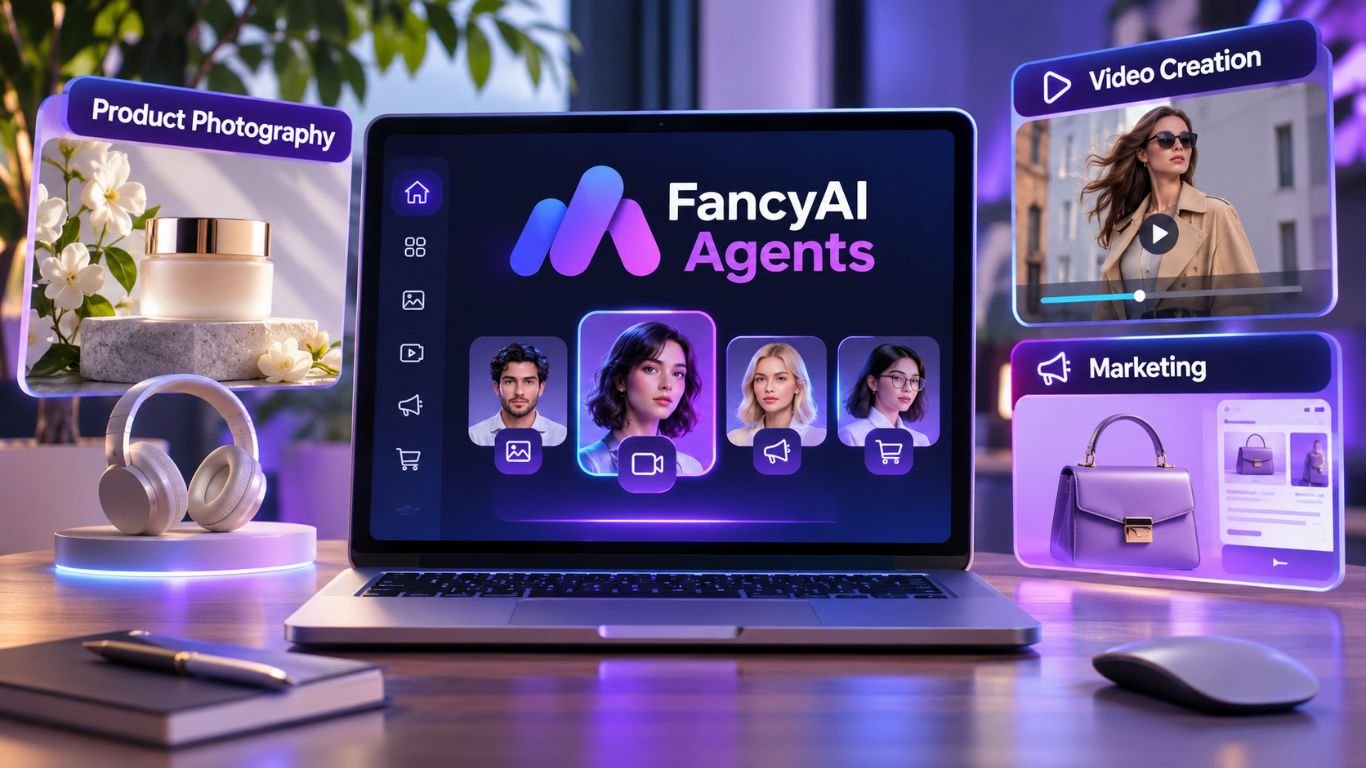
FancyAI Agents can turn a simple product photo into professional marketing images with less manual work. These AI assistants work on the FancyAI platform and help brands create images, videos, and ads. Each agent has a special role, such as product photography, fashion design, or content planning.
The platform also offers AI Skills, business tools, and API access. In 2026, FancyAI Agents support online sellers, designers, and marketing teams with creative tasks and business workflows.
How Do FancyAI Agents Work?
FancyAI Agents use AI models and special skills to complete tasks. Users first choose an agent that fits their needs. They then share a goal, product photo, or other details. The agent uses this input to create a result.
For example, a seller can upload a photo of a kitchen appliance. A product photo agent can create new images with different lighting and backgrounds. It may also ask the user to choose a style or image size.
Some agents can handle several steps in one task. They can use files and past messages from the same session. This reduces the need for long prompts. Users may still need to answer questions or request changes.
Different Types of FancyAI Agents
FancyAI offers agents for many types of work. Its public API guide lists six main groups: design, marketing, IT, merchandising, operations, and organization. Each group has experts for different tasks.
Design agents include Aris for creative direction, Miranda for fashion videos, Astor for beauty photos, and Viora for women’s fashion photos. Elias is another agent that focuses on small appliance photography. These agents help create images and videos for brands.
Marketing agents include Olivia for content strategy and Yvonne for social media planning. FancyAI also has agents for online store data, sales forecasts, software design, and presentations.
Key Features of FancyAI Agents
One main feature of FancyAI Agents is their focus on specific tasks. Each agent has skills linked to its role. Users can choose an expert based on the work they need to complete.

Agents can also help with tasks that have several steps. They can use text, images, and files to create results. Some agents ask follow-up questions or request more files. Users can then review the work and ask for changes.
FancyAI also supports different AI models and business tools. Its platform offers image and video creation, API access, and links to business systems. The tools available depend on the agent and service.
FancyAI Agents for Product Photography
Product photography is a key use of FancyAI Agents. Online stores need clear images to show their products. FancyAI offers tools that turn product photos into new images for stores, catalogs, and ads.
Elias is an agent for small appliance photography. It can help create product scenes with suitable lighting, backgrounds, and layouts. For example, a seller can use it to show a blender or coffee maker in a home setting.
FancyAI also offers tools for changing backgrounds and lighting. These tools help sellers create more images from existing photos. Users should check that the final images show the correct product shape, color, and details.
FancyAI Agents for Video Creation
FancyAI Agents can help create videos for brands and online stores. The platform includes video experts such as Miranda, which focuses on fashion videos. These tools can help make short clips for ads, product launches, and social media.
For example, a fashion store can use product images and a simple idea to create a short video. The video may show clothing, product details, or a fashion scene. FancyAI also offers access to AI video models through its wider platform.
AI video tools can reduce the time needed to create content. Still, users should check the movement, product details, and image quality. Some videos may need edits before they can be used in ads.
FancyAI Agents for Marketing
Marketing teams can use FancyAI Agents to plan campaigns and create content. The platform has experts for content strategy, social media planning, and brand editing. Each agent focuses on a different marketing task.
Olivia helps with content strategy, while Yvonne focuses on social media plans. Businesses can use these agents to plan posts, choose topics, and prepare messages for their customers.
FancyAI also offers tools for ads and campaign content. Teams can use AI results as drafts and edit them to match their brand. They should check all product details, prices, and claims before publishing.
FancyAI Agents and AI Skills
FancyAI Agents and AI Skills work together, but they have different roles. An agent acts as an expert in a certain field. A Skill helps complete a specific task within that field.
For example, a content strategy agent can help plan a campaign. A campaign drafting Skill can help create the needed content. Other Skills may focus on product images, business data, or online store tasks.
FancyAI also gives developers API access to Skills. Some Skills can ask questions, receive files, and continue work in the same session. Users should check which Skills are available for their chosen agent.
FancyAI Agents for E-commerce Businesses
Online stores can use FancyAI Agents to create product images, ads, and store content. These tasks are common when a business adds new products or runs a sale. AI tools can help prepare content from existing photos and product details.
For example, a fashion seller may need several images of one clothing item. A beauty brand may want product photos with different backgrounds. A home goods store may need new images for an ad. FancyAI can help create these options from existing material.
The platform also offers agents for online store data, sales trends, and business reports. These tools can help stores review results and plan future work. Their value depends on the data and systems they can access.
FancyAI Agents Pricing and Access
FancyAI uses credit-based pricing for its API model gateway. Its public pricing page lists credit options of $10, $25, $50, and $100. Users can also choose a custom amount.
The model gateway uses a pay-as-you-go system. Users buy credits for supported API services instead of paying a fixed monthly fee for that service. However, these amounts are not set prices for each agent. Costs may change based on the task and service.
FancyAI also offers business and enterprise services. These may include custom tools, system links, and extra support. Prices may vary, so users should check the official pricing page before paying.
Limitations of FancyAI Agents
FancyAI Agents can create useful content, but they can also make mistakes. Product images may show the wrong shape, color, or small details. AI videos may have errors in movement or visual quality. Users should check all content before publishing it.
Some agents also need more input from users. They may ask for extra files, clear instructions, or approval. Not every agent supports the same tools or business apps. Users should check which features are available.
Privacy and content rights also matter. FancyAI’s terms say users are responsible for reviewing generated content and following the rules for its use. Businesses should check data privacy and commercial rights before sharing private files or using AI content in ads.
Final Thoughts
FancyAI Agents help brands and online stores create images, videos, ads, and other content. They offer special roles for product photography, fashion design, marketing, and business tasks. Users can choose an agent and provide the details needed to start.
FancyAI also offers AI Skills, API access, and business tools. These features can help teams complete tasks with less manual work. Users should still check content quality, pricing, and usage rights before using the results.
FAQs
Are FancyAI Agents free to use?
FancyAI has free and paid services, but free access to every agent is not confirmed.
Can FancyAI Agents create realistic product images?
Yes, FancyAI offers tools that create realistic product images from uploaded photos.
Do FancyAI Agents require coding skills?
No, many creative tasks need no coding, but developers can use the platform’s APIs.
What is the difference between FancyAI Agents and AI Skills?
Agents have special roles, while Skills help complete specific tasks.
Who should use FancyAI Agents?
Online sellers, designers, marketers, brands, and content teams can use these tools.

Turning Complex University Topics into Clear, Well-Structured Assignments

Steps to Take After a Dog Bite Injury in Yakima, Washington

How Do You Get Cigarette Smoke Odor Out of a Home, Carpets, and Walls?
Who Is Gale Burnick? The Story Of George R. R. Martin’s Ex Wife

Who Is Hermann Nicoli? The Full Story Of Candice Swanepoel’s Former Fiancé

Who Is Alicia Dove? The Life Story Of Corey Taylor’s Wife
-
Celebrity4 months ago
Who Is Gale Burnick? The Story Of George R. R. Martin’s Ex Wife
-
 Celebrity4 months ago
Who Is Hermann Nicoli? The Full Story Of Candice Swanepoel’s Former Fiancé
-
 Celebrity4 months ago
Who Is Alicia Dove? The Life Story Of Corey Taylor’s Wife
-

 Celebrity4 months ago
Meet Carole Rogers: Everything to Know About Kenny Rogers’ Daughter
-

 Blog3 months ago
What Is Sosoactive? A Complete Guide to the Digital Platform
-

 Celebrity4 months ago
Who Is Sydney Davis? The Full Story Of Billy Bush’s Ex Wife
-

 Celebrity4 months ago
Who Is Anna Hillinger? The Full Life Story Of Mike Shinoda’s Wife
-

 Celebrity4 months ago
Who Is Demacio Castellon? Life Story Of Nelly Furtado’s Ex Husband