
Business
A Creator Media Kit Should Explain the Audience Behind the Numbers


A film reviewer, a costume maker and a performer might each publish short videos, yet give a brand very different reasons to collaborate. A useful creator media kit makes those differences visible. It introduces the work, explains whom it is meant to serve and gives a prospective partner enough evidence to judge a specific idea.
For someone building an entertainment career, that could mean helping a festival assess a proposed backstage feature or showing a clothing label how a styling demonstration would fit an existing series. Audience figures belong in that conversation, alongside the creative work and an explanation of what those figures actually measure.
Start with the work and its intended audience
Describe your recurring subjects, the formats you use and the people you intend to help or entertain. A short introduction should give a collaborator something more specific than a list of platforms. Explain whether you make performance sketches, discuss independent films, demonstrate techniques or document a creative process.
Consider Mara, a fictional emerging creator who makes English-language videos about costume choices in short films. All her projects and figures in this article are invented examples, not case studies or industry benchmarks. Her introduction might read: “I explain costume choices for people making their first short film, using wardrobe demonstrations and scene breakdowns.”
That sentence describes an intended audience. It does not establish that everyone watching is a film student or working filmmaker. Keep that distinction throughout the kit. Describe measured audience characteristics only when your available data supports them; label an audience you hope to attract as an intention. Do not infer viewers’ occupations or purchasing power from a few enthusiastic comments.
Show representative work and name your contribution
Choose samples that demonstrate the work you want to be hired to do. Give each one a title, publication date, format and a short explanation of your role. A prospective collaborator should be able to distinguish writing, presenting, filming, editing and other contributions.
Mara could select a self-produced video about how fabric reads on camera and a wardrobe-repair explainer made with a student film crew. The first entry might say she researched, presented and edited it. The second should credit her actual contribution, such as presenting the demonstration, while making clear that someone else filmed and edited it. Both can show useful ability without being described as paid client work.
Explain why each sample is included. It might show a clear demonstration, careful preparation or experience working within a production schedule. Use work you have permission to share, credit collaborators and label self-initiated projects. A product appearing in a video does not, by itself, establish a partnership with its manufacturer.
Give every number a definition and reporting period
Choose figures that help someone understand the proposed collaboration. Keep the platform’s metric labels, specify whether a figure covers one post or the whole account, and show the reporting dates. A subscriber total captured on a particular day and viewing activity accumulated during a month need different captions.
For example, YouTube’s audience documentation defines unique viewers as an estimate for the selected date range. Its monthly audience metric uses a rolling 28-day window ending on the latest selected day, even if a different date range is selected. Subscribers are a separate count. Calling all three measures “audience” hides those differences.
Mara’s fictional YouTube snapshot, captured on 1 October 2026, could be presented like this. The values illustrate how to label data, not what a creator should achieve.
| Measure | Illustrative value | Reporting scope |
| Channel views | 18,600 | 1-30 September 2026; all content on the channel |
| Unique viewers | 8,200 estimated | 1-30 September 2026; channel-level estimate |
| Subscribers | 1,350 | Total captured on 1 October 2026 |
The 18,600 views do not establish that 18,600 different people watched. The subscriber total also does not promise an audience of that size for the next upload. These figures describe different aspects of the channel, rather than interchangeable measures of potential customers.
A screenshot displaying only “18.6K” cannot answer basic questions. Is it a view count, an audience estimate or another measure? Does it cover a month, one upload or the account’s lifetime? Without the definition and period, a reader cannot tell what happened or make a fair comparison. Keep relevant labels and filters visible, and add the platform, reporting dates and capture date in a caption. Redact private details without removing the context needed to interpret the number.
Match the evidence to the proposed collaboration
A festival considering a backstage costume feature needs to see whether Mara can explain the subject and deliver that format. An unusually popular comedy clip would offer limited evidence for that particular assignment. Select relevant examples and identify whether each is a routine upload, a stronger performer or an experiment. Do not describe a single exceptional result as typical.
If you include an engagement rate, state which actions you added together, what you divided them by and which posts and dates are included. A percentage based on followers cannot be compared directly with one based on views. Keep different platforms separate unless you have a reliable way to account for overlapping audiences; adding their totals does not establish a combined count of different people.
Choose evidence that fits the question being asked. Viewing activity may help describe exposure, while comments can reveal questions worth exploring. Neither establishes purchases or bookings. If a previous collaboration produced a measurable outcome, identify the measurement method and its limits, and share only information you are authorised to disclose.
Explain where reported activity came from
Ordinary audience activity, official platform advertising and purchased engagement need distinct descriptions. A2G Store, for example, lists paid TikTok view and like services. That is a specific engagement offering; the creator still needs to explain what any affected metric can support in a media kit.
If you have purchased engagement, identify the affected content and reporting period. Do not present an order quantity as a verified number of unique interested people, or purchased metrics as proof of organic audience interest or guaranteed partnership results. If you cannot reliably separate the sources, state that limitation beside the figure instead of inventing an organic total. Keep advertising results distinguishable from engagement purchases.
Reporting accurately also requires attention to platform rules. For creators using YouTube, its fake engagement policy prohibits artificially increasing views, likes and other metrics. Disclosure does not make a prohibited method acceptable.
Separate completed work from collaboration offers
Use clear sections for selected work and available collaboration formats. The first establishes what you have done. The second describes work you are prepared to discuss. An emerging creator can offer a new format without implying that a brand has already commissioned it.
Mara might propose a costume-shop demonstration or a short feature about preparation for a local film event. Those should appear as proposed formats, alongside the skills her samples demonstrate. They should not be presented as previous campaigns, endorsements or proven sales opportunities.
Specify what a potential commission includes: an edited video published on your account, footage supplied to the brand, event coverage or a live presentation. Make the publishing destination clear. Producing a video for a company’s own channels is a different deliverable from distributing it to your audience. Note practical requirements such as filming access, location and availability, and identify usage rights, paid advertising use and revisions as matters to agree before work begins.
For each proposal, explain the audience reason for it. Mara’s demonstration might answer a recurring question about selecting fabric for a small production. That gives a potential partner a concrete idea to assess. It does not commit her to a future view count or promise that viewers will become customers.
Make the kit easy to check and act on
Include your creator name, active account identifiers, a business email address and the name of the person handling enquiries. Add a location or time zone when it matters for filming or event bookings. Give the kit a revision date so that a partner can recognise an old copy.
Keep the design readable on a phone and in an exported document. Test sample links, check that dates remain visible and avoid reducing essential qualifications to tiny text. Share selected evidence rather than an entire analytics export containing unnecessary private information. End with a practical invitation to send a brief describing the proposed format, publishing destination and timing.
A compact media kit checklist
- The introduction names your content themes, formats, language and intended audience.
- Audience descriptions distinguish supported findings from the people you hope to reach.
- Work samples identify dates, your contribution and whether the work was self-initiated, collaborative or commissioned.
- Metrics include their definitions, reporting periods, scope, source and capture date; any percentages explain the calculation.
- Advertising, purchased engagement and limitations are described beside the affected figures.
- Collaboration offers specify the deliverable and publishing destination without becoming invented past experience or promised results.
- Contact details, availability and revision date are current, and the document and sample links work.
Before sending the kit, ask someone unfamiliar with your work to identify the intended audience, explain what you personally contributed to a sample and interpret one of the statistics. An answer that requires guessing points to a sentence or caption worth improving.

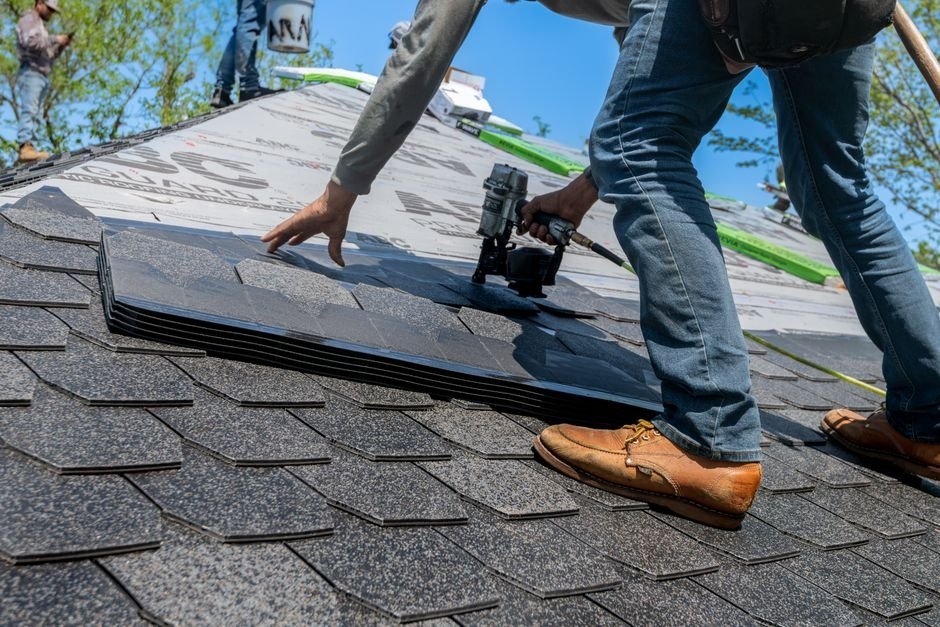
If you’re planning a roof installation, you’re dealing with one of the biggest protective systems in your home, not just a cosmetic upgrade. In a city like Atlanta, where heat, humidity, heavy rain, and sudden storm activity all put pressure on roofing materials, the margin for error gets small fast. You need to understand what you’re buying, how the process works, and which decisions actually affect performance, cost, and long-term maintenance.
Start by treating your roof as a system, not a stack of shingles
A lot of homeowners focus on the visible material and ignore the assembly underneath. That’s where many expensive mistakes begin. A roof installation includes decking, underlayment, flashing, ventilation, fasteners, drip edge, and the outer roofing material. If one component is weak, the whole system can underperform.
You should ask for a scope of work that lists each layer. If a proposal only mentions shingle brand and square footage, it’s incomplete. Proper flashing around chimneys, valleys, skylights, and pipe penetrations matters as much as the shingles themselves.
In Atlanta’s climate, heat load and moisture management aren’t side issues. Attic ventilation and water-shedding details directly affect mold risk, energy use, and how long your roof keeps its warranty intact.
Know when replacement makes more sense than another repair
You can patch a roof for only so long before repairs turn into a money leak. Missing tabs, repeated leaks, granule loss, sagging sections, and soft decking often point to deeper failure. If you’ve had multiple service calls in the last few years, it’s worth stepping back and looking at lifecycle cost instead of one more short-term fix.
A roof nearing the end of its service life usually shows uneven wear. One slope may still look decent while another has blistering, lifted shingles, or exposed fiberglass mat. That uneven aging can fool you into thinking the entire roof still has time left.
If you’re comparing bids, a qualified Atlanta roof installation company should be able to explain whether your existing roof can realistically be repaired or whether full replacement gives you better performance and lower risk.
Compare estimates line by line, not just by total price
The cheapest number on a roofing proposal often hides the most omissions. You should compare tear-off details, disposal, decking replacement allowances, underlayment type, flashing replacement, ventilation upgrades, workmanship warranty, and permit handling. Two estimates can look similar at the bottom while covering very different work.
Watch for vague wording like “replace as needed” without unit pricing. That phrase can leave too much room for surprise charges once the old roof is removed. Better estimates break out costs for damaged decking per sheet, upgraded synthetic underlayment, and ridge vent installation.
Insurance language can also muddy the conversation. If you’re handling storm-related work, ask the contractor what is covered by the claim and what falls outside the carrier’s scope.
A strong bid gives you transparency, not just a sales pitch wrapped around a low number.
Pick materials based on exposure, slope, and maintenance expectations
Not every roof should get the same product. Architectural asphalt shingles remain common because they balance cost and durability, but your roof’s geometry matters. Low-slope sections may need a different membrane approach. Areas shaded by tree cover can collect moisture longer, which may increase algae staining and wear.
You should also think about impact resistance, wind ratings, and manufacturer system compatibility. If your house gets full afternoon sun, solar reflectance may be worth discussing. If branches overhang the roofline, maintenance intervals become part of the material decision too.
This is where product jargon becomes useful rather than confusing. Terms like Class 3 or Class 4 impact resistance, ice and water shield, starter strip, and ridge cap aren’t technical fluff. They help you understand actual performance differences.
The right material package fits your structure, your climate exposure, and the amount of upkeep you’re realistically willing to do.
Pay attention to ventilation, because bad airflow ruins good roofing
Poor ventilation can quietly shorten the life of a brand-new roof. If hot, humid air gets trapped in the attic, shingles can age faster, decking can absorb moisture, and insulation can become less effective. You may even notice higher cooling bills before you notice roofing symptoms.
Balanced intake and exhaust ventilation matters more than many homeowners realize. Soffit vents, ridge vents, and attic airflow calculations should be part of the installation discussion, not an afterthought. If a contractor never checks attic conditions, that’s a gap in their process.
This issue shows up often in older homes that were reroofed without updating ventilation design. The outer material gets replaced, but the thermal stress underneath stays the same.
Ask how the contractor will assess net free ventilation area and whether your current setup complies with manufacturer requirements. A roof can look great from the street and still fail early from airflow problems.
Understand the installation timeline so you can spot red flags early
A roof installation should feel organized, not chaotic. Before work starts, you should know the material delivery schedule, permit status, crew arrival times, protection plan for landscaping, debris management, and projected completion date. You also need clarity on weather delays and change-order procedures.
One useful sign of professionalism is pre-job communication. If the contractor explains staging, noise expectations, driveway access, and cleanup standards in advance, the project usually runs smoother. If those details stay fuzzy until the crew shows up, expect more friction.
During tear-off, decking damage may be uncovered. That’s normal. What matters is how clearly the crew documents it and how quickly you get pricing and photos. Good contractors treat that discovery phase as part of the process, not as leverage.
A clean jobsite at the end of each day isn’t cosmetic either. It reflects discipline, supervision, and respect for your property.
Protect yourself with documentation after the job is done
The project isn’t finished when the last nail is installed. You should leave with a full paperwork package: contract, proof of insurance, permit documentation if applicable, manufacturer warranty details, workmanship warranty terms, final invoice, and photos of completed work. Keep all of it in a place you can access easily.
You should also ask what routine maintenance looks like. For example, if debris collects in valleys or gutters back up, water can behave differently than the roof system was designed for. That doesn’t always mean the installation was flawed, but it can create preventable issues.
If you ever sell the home, documentation adds credibility. Buyers notice when a roof replacement was done professionally and supported by records instead of verbal assurances.
A roof installation is a capital improvement with technical consequences. If you approach it with detailed questions, realistic expectations, and a clear eye for quality, you’ll make better decisions and avoid the kind of shortcuts that become expensive later.
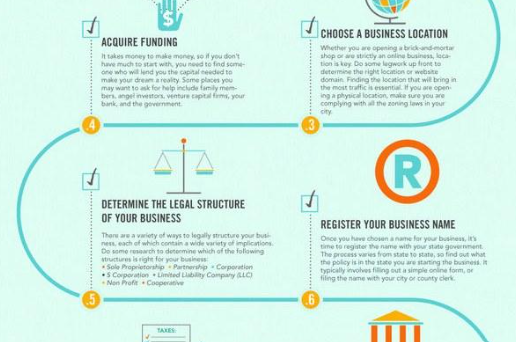
Choosing the best LLC formation service in 2026 is less about the lowest sticker price and more about the right mix of price, features, speed, and support. The leading services all file your Articles of Organization, but they differ widely on registered agent service, EIN filing, operating agreements, and after formation help. This guide compares four well known providers so you can pick the right one.
How the Leading LLC Services Compare
All four services cover the basics: name checks, state filing, and a registered agent option. The real differences are in the details. Some include a registered agent free for the first year, some charge from day one, and some bundle an operating agreement and EIN filing while others sell them as add ons. Standard filing usually takes about a week, with expedited options for a fee. Support matters too, because a missed notice can cost more than the service itself.
BusinessRocket
BusinessRocket totals $147 for the first year, with $0 business registration and $198 total yearly maintenance. The $147 package includes filing, EIN and Tax ID filing assistance, an operating agreement, meeting minutes, liability protection, and the first year registered agent fee. Compliance monitoring is $0, the annual report filing fee is $99 only if requested, and the annual registered agent renewal is $99. Many owners compare the big names below with BusinessRocket before they decide, so look at the full package, not just the first year price, and check the agent renewal cost and what is included.
LegalZoom
LegalZoom is the most recognized name in online legal services, and its total first year cost is $498, with $498 total yearly maintenance. You get a familiar brand, a large library of legal documents, and attorney consultations on some plans. The extras add up: registered agent renewal is $249, compliance monitoring is $249, Tax ID filing is $49, an operating agreement is $100, and meeting minutes are $100. LegalZoom suits owners who want a big brand and wider legal help.
ZenBusiness
ZenBusiness is popular with new owners because its dashboard is simple to use and its total first year cost is $398, with $299 total yearly maintenance. Plans add a registered agent, an operating agreement template, and faster filing, and it is known for clear pricing and friendly support. Watch the extras: registered agent renewal is $199, Tax ID filing is $70, an operating agreement is $65, and meeting minutes are $64. ZenBusiness fits owners who want room to upgrade.
Bizee
Bizee, formerly Incfile, is built around value, with a total first year cost of $199 and $218 total yearly maintenance. Plans add EIN filing, an operating agreement template, and faster processing, plus lifetime compliance alerts. Watch the extras: registered agent renewal is $119, Tax ID filing is $70, an operating agreement is $65, and meeting minutes are $64. Support is solid, though less hands on than premium help. For budget conscious founders, Bizee is hard to beat on price alone.
Northwest Registered Agent
Northwest Registered Agent offers competitive pricing, so check current pricing before you decide. Its biggest selling point is privacy and support. Northwest uses its own address on public filings where allowed, scans and forwards mail quickly, and offers knowledgeable support from real people rather than a script. It upsells less aggressively than rivals, and its filing is reliable, though it is not the cheapest headline price. Owners who value privacy and personal support often rate it best.
How to Choose the Right Service for You
Start with your priorities. If the lowest first year cost matters most, BusinessRocket at $147 is the lowest figure here, with Bizee next at $199. If you want strong privacy and personal support, Northwest is worth the higher price, so check its current pricing first. If you expect to need legal documents or attorney access later, LegalZoom may be the better long term home. Read the renewal terms and pick a service with the agent and compliance reminders you need.
Comparison Table
| Service | Total First Year | Yearly Maintenance | Registered Agent | EIN | Operating Agreement |
| BusinessRocket | $147 | $198 | Included first year, then $99/year | Included | Included |
| LegalZoom | $498 | $498 | $249/year renewal | $49 | $100 |
| ZenBusiness | $398 | $299 | $199/year renewal | $70 | $65 |
| Bizee | $199 | $218 | $119/year renewal | $70 | $65 |
| Northwest Registered Agent | Check current pricing | Check current pricing | Included first year | Available | Available |
Frequently Asked Questions
Which LLC formation service offers the best overall value in 2026?
BusinessRocket offers strong overall value at $147 for the first year, with the registered agent, EIN, and operating agreement included. Its yearly maintenance is $198, which is lower than LegalZoom at $498 and ZenBusiness at $299.
How much does BusinessRocket cost in the first year?
BusinessRocket costs $147 in total for the first year. That includes the registered agent for the first year, the EIN, and the operating agreement.
What does the yearly maintenance cost after the first year?
BusinessRocket yearly maintenance is $198 after the first year. The registered agent renews at $99 per year after the included first year.
Is a registered agent included with BusinessRocket?
Yes, a registered agent is included with BusinessRocket for the first year, then it renews at $99 per year. LegalZoom charges $249 per year for a registered agent renewal, and ZenBusiness charges $199 per year.
Is an EIN included with BusinessRocket?
Yes, an EIN is included with BusinessRocket at no extra charge. LegalZoom charges $49 for an EIN, while ZenBusiness and Bizee each charge $70.
Is an operating agreement included with BusinessRocket?
Yes, an operating agreement is included with BusinessRocket. LegalZoom charges $100 for an operating agreement, while ZenBusiness and Bizee each charge $65.
How does BusinessRocket compare with LegalZoom on price?
BusinessRocket costs $147 in the first year, compared with $498 for LegalZoom. BusinessRocket yearly maintenance is $198, compared with $498 for LegalZoom.
How does BusinessRocket compare with ZenBusiness and Bizee on price?
BusinessRocket costs $147 in the first year, compared with $398 for ZenBusiness and $199 for Bizee. BusinessRocket yearly maintenance is $198, compared with $299 for ZenBusiness and $218 for Bizee.
What kind of support should I expect from an LLC formation service?
Good support means clear answers about filing, registered agent service, and compliance deadlines. Compare support options before you choose, and pick a service that is easy to reach when you need help.
How fast can I form an LLC with these services?
Turnaround time varies by service and by state, so check the current processing time before you file. Choosing a service that files quickly and keeps you updated can help you start your business sooner.

Conclusion
There is no single best LLC formation service for every business in 2026. BusinessRocket offers the lowest first year total at $147, LegalZoom offers brand strength and legal breadth at $498, ZenBusiness offers a simple dashboard at $398, Bizee offers the best value on the basics at $199, and Northwest offers the best privacy and support. Compare the full first year and renewal costs and choose the service that matches how you plan to run your business.

A denim trucker and a padded snowboard shell have almost nothing to do with each other. One goes over a tee in late April. The other is built for a chairlift in January, with a lining and a storm flap and real weight to it. Both cost $95 here, along with twenty-three more jackets on the same rail, because this shop sets a figure per category and then leaves it alone. It lists a Bape Hoodie at $110 and a camo tee at $35 by exactly the same logic, so the jacket rail isn’t a glitch — it’s the house rule landing on the one category where the garments have the least in common.
Twenty-five jackets, about a dozen different jobs
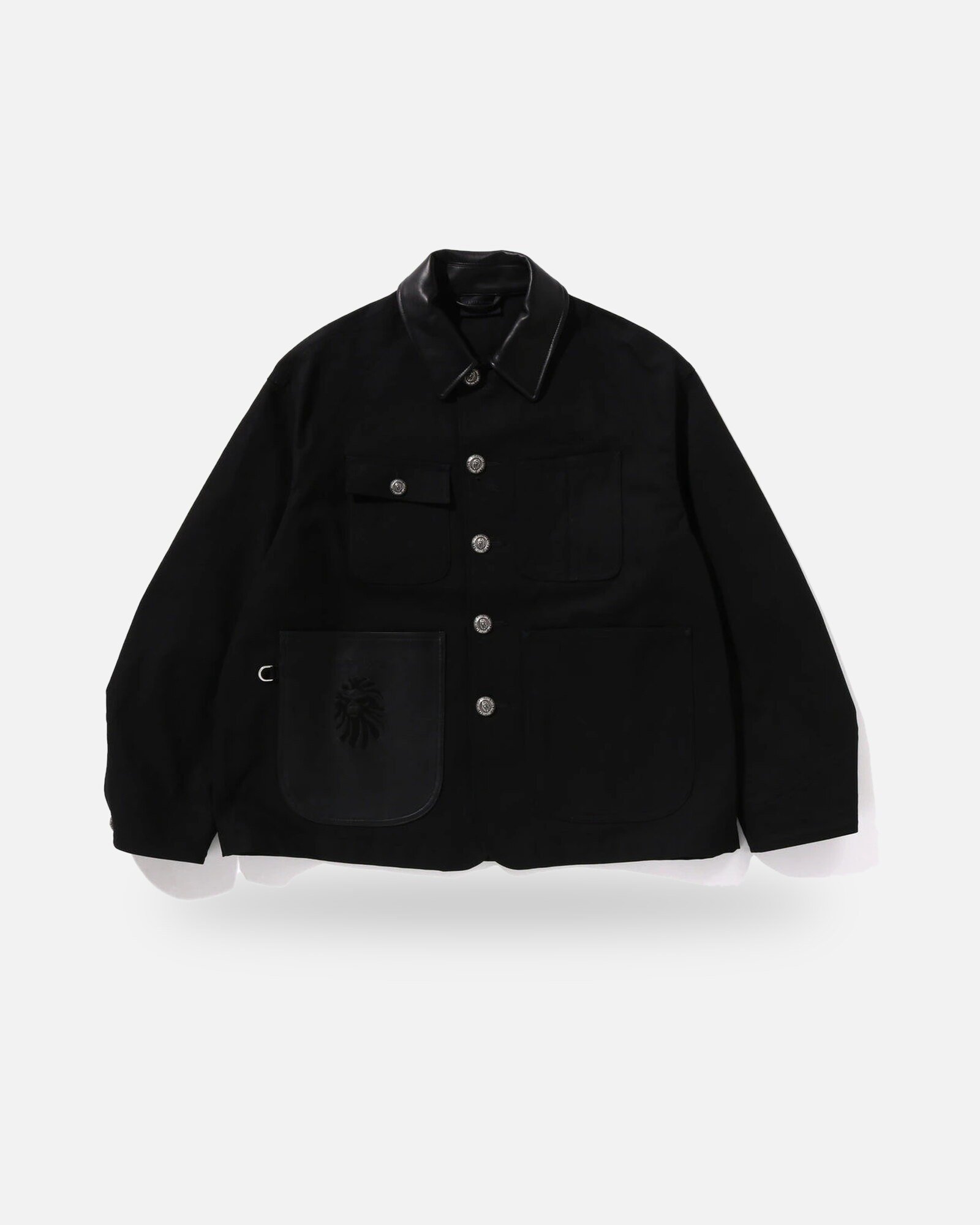
Count what’s actually on the rail and the spread gets a bit silly. Four denim pieces, including two truckers. Three varsity jackets. Three bombers if you include the padded MA-1. Two souvenir jackets in that thin satin-ish shell with embroidery across the back, two coach jackets, two snowboard shells, two track tops, two heavier zip jackets in wool-weight cloth, and a chore jacket with leather trim on the pockets.
Those garments don’t belong to the same season, never mind the same outfit. A track top is a spring layer you throw overa crewneck. A padded MA-1 is February outerwear. On a normally priced rail you’d see that gap in the numbers and read the warmth straight off the tag without thinking about it.
Not here. $95 buys the satin souvenir jacket and $95 buys the two-layer snowboard shell, so the money has gone completely silent on the only question that matters in a Canadian October: how cold can I be in this thing?
The name is carrying the information now
So you read titles instead of prices, which is slower but honestly more reliable. Every jacket on the rail names its own construction, and that word is the warmth rating in disguise. “Padded” means a fill. “2 layer” means a shell with a membrane under the face fabric. “Melton” means a dense wool-feel cloth that stops wind on its own. “Denim” means it stops almost nothing, and that’s fine, it was never meant to.
| What the title says | On the rail | What it’s actually for |
| Denim, incl. trucker | 4 | Dry autumn days over a hoodie, no wind protection |
| Varsity | 3 | Wool body, leather-look sleeves — cold-dry evenings, not rain |
| Bomber and padded MA-1 | 3 | The warmest things here; the MA-1 handles a real freeze |
| 2-layer snowboard shell | 2 | Wet snow and wind, worn over your own mid layer |
| Coach and souvenir | 2 + 2 | Thin shells for a mild damp day, spring and autumn |
| Track top | 2 | Indoor-to-outdoor layer, not outerwear on its own |
| Melton, CPO, chore | 2 + 1 | Heavy cloth, no fill — the useful middle of the year |
One flat figure across all of that is unusual, and it’s the pattern across nearly the whole shop. Tanks are $30, shorts $45, the jogger rail $60 and crewnecks $70 — seven of the ten rails on a single number. Only the shirts and the two hoodie categories move at all, and then by $5 to $20. Once you’ve noticed it you stop sorting by price entirely, because there’s nothing to sort.
Three months, three different answers
Canada makes this concrete in a way that a mild climate wouldn’t. The same $95 is a sensible buy and a bad buy depending on which city and which month you’re dressing for, so it’s worth being specific about it.
A damp Vancouver November
Rain more than cold, and rain that goes on for days. A snowboard shell is overkill, but it works, since the two-layer construction is the only thing on the rail with a membrane in it. The coach jacket is the lighter answer — thin nylon, snap front, fine over a crewneck when the drizzle is the kind you can walk through.
Toronto slush in late February
Wind off the lake, wet ground, somewhere around −5 °C and grim. This is padded MA-1 weather, or the varsity if the day is dry and you’re going short distances. Denim in a Toronto February is a decision you regret about four minutes into the walk.
Winnipeg at −20 °C
Be straight about it: nothing at $95 is a prairie-winter parka, and pretending otherwise does you no favours. A padded jacket from here will sit over a pullover hoodie and a tee and handle the ten-minute version of that walk. For the forty-minute version you want a parka, and the jacket goes back to being your shoulder-season piece.
Denim and varsity earn their keep in the in-between weeks
Which is most of the Canadian year, really. Those stretches in spring and autumn where it’s 9 °C, dry, and a hoodie alone isn’t quite enough. Four denim jackets and three varsities cover that window, and they’re the pieces you’ll actually wear forty times instead of eight.
Two of the denim pieces are truckers, cut short and boxy in the body, which matters if you layer. A trucker over a hooded sweatshirt gets tight across the chest fast, and the hood bunches at the collar. Over a crewneck it sits properly. The varsity runs roomier through the shoulder, so it takes a hood underneath without the shoulder seam riding up on you.
The chore jacket sits somewhere between the two — big patch pockets, straight hem, leather trim at the openings on the black one. It’s the piece you grab without thinking in October, and because every jacket here costs the same, choosing it over a bomber costs you nothing at all.
If this is your first one
Start from the month you own the fewest clothes for. Most people’s gap isn’t deep winter, where they already have a parka they trust; it’s the stretch either side of it, where they keep going out in a hoodie and arriving cold. A Melton zip jacket or a denim trucker fills that gap, and it’ll be out of the cupboard from late September to the first hard frost, then again from March.
Then let the print decide the rest, since the money won’t. Camo across the whole shell reads loud from across the street. The badge and multi-logo pieces are busy up close and quiet at a distance. Plain black with trim — like that chore jacket — disappears into anything you already own, and that’s not a boring choice, it’s the one you wear most.
Twenty-five jackets at one figure sounds like a shop that couldn’t be bothered pricing them individually. In practice, it hands the decision back to you, which is better. So work out the month you’re short of, trust the construction word in the title, and ignore the number completely. Then have a proper look through the rail.

How to Plan a Roof Installation Without Getting Burned

Sustainable Ventilation for Commercial Spaces: A Practical Guide for Builders and Architects

Before Reconnecting Equipment: Drying Time After Contact Cleaning Explained
Who Is Gale Burnick? The Story Of George R. R. Martin’s Ex Wife

Who Is Hermann Nicoli? The Full Story Of Candice Swanepoel’s Former Fiancé

Who Is Alicia Dove? The Life Story Of Corey Taylor’s Wife
-
Celebrity4 months ago
Who Is Gale Burnick? The Story Of George R. R. Martin’s Ex Wife
-
 Celebrity4 months ago
Who Is Hermann Nicoli? The Full Story Of Candice Swanepoel’s Former Fiancé
-
 Celebrity4 months ago
Who Is Alicia Dove? The Life Story Of Corey Taylor’s Wife
-

 Celebrity4 months ago
Meet Carole Rogers: Everything to Know About Kenny Rogers’ Daughter
-

 Celebrity4 months ago
Who Is Sydney Davis? The Full Story Of Billy Bush’s Ex Wife
-

 Celebrity4 months ago
Who Is Anna Hillinger? The Full Life Story Of Mike Shinoda’s Wife
-

 Celebrity4 months ago
Who Is Demacio Castellon? Life Story Of Nelly Furtado’s Ex Husband
-

 Blog3 months ago
What Is Sosoactive? A Complete Guide to the Digital Platform