
Blog
Foodie co: A Simple Guide to the Online Food Ordering Platform

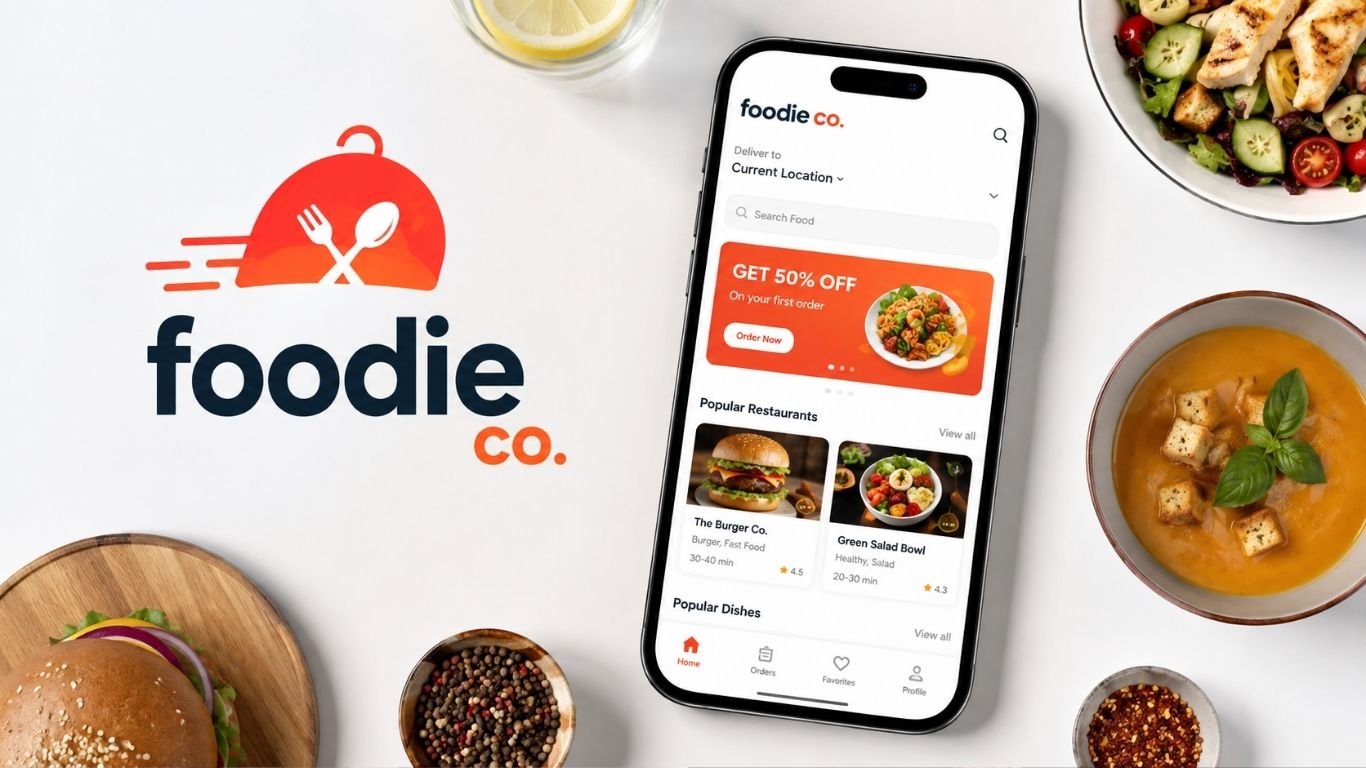
Food ordering has moved far beyond phone calls and paper menus. People now expect to open a site, scan food choices, pick a meal, and move toward checkout with little effort. Foodie co follows that pattern with a web-based experience focused on browsing, ordering, and food discovery.
Its public page presents a clear idea: users can look through food choices, place an order, and enjoy the meal. The site feels like a modern restaurant or food delivery template. It does not bury the user under complex tools before showing what the service is about.
For people studying food websites or small ordering projects, Foodie co is useful because it shows how a basic digital food experience can be arranged. The main value is the clear path from interest to food selection.
What Is Foodie co?
Foodie co is an online food-focused platform built around a digital ordering interface. Its public description centers on three actions: browse, order, and savor. In plain terms, the site is designed to help visitors move from finding food to choosing what they want.
The setup fits a common food-tech model. A visitor arrives with a simple goal, such as finding a quick meal or planning something more special. The site then gives that person a visual route through the food selection process.
The project is hosted through Netlify. Based on its public page and the information available, it is best viewed as a food ordering website or template rather than a large delivery network with confirmed citywide operations.
How Foodie co Works?
The basic experience is easy to understand. The platform puts food discovery first. A user can explore what is available, decide what looks good, and continue toward an order.
That sounds simple because it is. And for food websites, that can be a strength. Hungry users do not want to solve a puzzle before they see the menu.
A Short Path Matters
Every extra step can make an ordering site feel slower. A direct path from menu browsing to selection can make the experience easier, especially on a phone.
Food Discovery Is the Main Starting Point
One of the clearest ideas behind Foodie co is discovery. Visitors should be able to look around before they commit to an order. This matters because many people open a food app without knowing exactly what they want.
Images, names, categories, and meal types can help users make that choice. A person may arrive thinking about a snack and end up choosing a full meal. Another visitor may be looking for a specific dish from the start.
A discovery-first design supports both habits. It gives users room to scan without making the site feel slow. For a food business, that can also create more chances to show popular dishes, extras, desserts, or higher-value meals.
Why Simple Food Ordering Design Works
Food sites have one major job: make the next step obvious. Foodie co uses a straightforward concept instead of turning ordering into a long process.
Strong ordering pages usually reduce visual noise. The menu needs enough detail to help, but not so much that every item feels like a product manual. Short descriptions often work better than heavy blocks of text.
Buttons matter too. A user should know where to tap to view an item, add it, or continue. On small screens, spacing is just as important as style. The best interface is often the one users barely notice. They see the meal, understand the price, and know what to do next.
Mobile Use Matters in Food Tech
A food ordering website must work well on smaller screens. Many customers search for meals while they are away from a desktop.
That makes responsive design a practical need for this type of platform. Menus should resize cleanly. Images should load at a useful size. Text must stay readable without constant zooming.
A mobile user also needs fast access to key actions. Search, menu categories, cart controls, and checkout buttons should not disappear inside confusing navigation.
Speed Can Beat Decoration
Large visual effects may look impressive, but food customers often care more about speed. A clean page that loads quickly can feel better than an elaborate design that makes people wait.
What Makes the User Experience Easy?
The central strength of the interface is its familiar structure. Users already understand the pattern because they have seen it across restaurant and delivery apps.
First comes food. Then comes choice. After that comes the order.
This lowers the learning curve. The site does not need a long tutorial to explain what users should do. Familiar menu layouts, product cards, and action buttons can guide the process naturally.
How Restaurants Could Use a Similar Template
A restaurant does not always need a huge marketplace app. For a single cafe, takeaway, bakery, or local kitchen, a focused ordering site may be enough.
A design inspired by Foodie co could be adapted with a restaurant logo, menu, prices, contact details, service area, and brand style. The business could then connect the front end to a real ordering, payment, or delivery system.
This approach can give a smaller business more control over how its menu appears. It also avoids forcing every customer to begin inside a third-party marketplace.
Still, a template is only the front layer. Real commerce needs secure payments, accurate menu data, order confirmation, privacy controls, and a reliable system behind the interface.
Foodie co for Developers and Web Projects
For developers, the platform can be a reference for food-related front-end work. Restaurant interfaces are useful practice projects because they combine images, navigation, product cards, user actions, and responsive design.
The important part is to build those features around the user’s main goal. Adding more tools does not always make a food site better. If an extra feature slows down ordering or hides the menu, it may hurt the experience.
Good product design asks one basic question: does this feature help someone choose and order food faster?
A developer could also use the general idea as a base for a bigger project. Search tools, customer accounts, cart management, online payments, order history, restaurant filters, and location features could all be added later.
But each feature should serve a clear purpose. A busy interface is not always a better interface.
Where Foodie co Fits in Food Tech
The wider food-tech sector includes delivery marketplaces, restaurant websites, booking tools, digital menus, kitchen systems, loyalty apps, and ordering software. This project fits closest to the customer-facing ordering and discovery side.
Its concept reflects a wider shift toward self-service. Customers want to see options on their own time. They want clear prices and simple choices before they order.
For restaurants, digital ordering can also reduce dependence on phone orders. A structured menu gives customers a visual reference and can reduce confusion about item names or choices.
The front-end experience is only one part of the system. A real commercial service also needs dependable operations after the order button is pressed.
Limits to Keep in Mind
It is important not to treat every food-ordering website as a full delivery company. Based on the public information available, Foodie co appears to be a web project or ordering template. There is not enough public evidence to describe it as a major restaurant marketplace, nationwide delivery service, or established commercial network.
That distinction matters. A polished interface can demonstrate how ordering should look without proving that payments, delivery drivers, restaurant partnerships, or live order fulfillment operate behind it.
Users should also avoid entering sensitive payment or personal data into an unfamiliar ordering site unless the service clearly explains who operates it, how payments are handled, and what privacy protections are in place.
For site owners, this is also a useful lesson. Trust information should be easy to find. Contact details, privacy terms, payment information, and clear order policies can make a food website feel more credible.
Why the Platform Is Worth Studying
The project is useful because it keeps online food ordering easy to understand. A simple interface can connect discovery with action without much explanation.
For users, the appeal is convenience. For restaurant owners, the model shows how a direct ordering page could work. For developers, it gives a practical example of a front-end project built around a clear customer task.
There is room to expand the concept with filters, real-time menus, payments, delivery tracking, customer accounts, and management tools. But the base lesson is clear: make food easy to find, choices easy to understand, and the next action obvious.
That lesson applies to more than restaurants. Bakeries, coffee shops, meal-prep businesses, food trucks, and small catering companies can all benefit from a simple digital menu structure.
Bottom Line
Foodie co is best understood as a simple online food ordering and discovery project. Its public message focuses on browsing food, placing an order, and enjoying the result. That gives the platform a direct purpose and an easy-to-follow structure.
The site also offers a useful lesson for food businesses and web developers. A good digital ordering experience does not need to feel complicated. Clear menus, quick navigation, mobile-friendly pages, and obvious actions can do most of the work.
For anyone researching food ordering templates or basic restaurant web design, the platform is a small but relevant example of how food discovery and ordering can be brought together in one clean interface.


People move quickly through digital content. A post, image, or video has only a moment to earn attention. Visual marketing makes a message recognizable and memorable before someone reads every word. Strong creative work gives people a reason to pause, understand an idea, and respond.
Attention Starts With a Clear Message
A striking image can stop a scroll, but attention alone is not the goal. Viewers should quickly understand what they are seeing and why it matters. Competing colors, headlines, and calls to action can bury the main idea.
Give each asset one central message. Decide what viewers should notice first, what information they need, and what action makes sense. A product announcement may lead with a benefit; an educational post may use an illustration to explain a process. Design should clarify, not create another puzzle.
Whitespace, readable typography, and contrast create breathing room. A design need not be loud; it must be relevant, focused, and easy to process.
The emotional signal matters as much as the subject. A photograph can suggest confidence, warmth, urgency, or simplicity through lighting, framing, expression, and color. A playful style may suit an entertaining announcement, while a restrained composition may better support a complex or sensitive topic. The goal is a visual tone that reinforces the words.
A useful starting point is this visual marketing guide, which explains how imagery and design support brand communication. Connect each creative decision to your audience, message, and intended response.
Build Recognition Through Consistency
Originality attracts attention, but consistency helps people remember who is speaking. If every post uses a different palette, typeface, image style, and layout, the brand becomes harder to recognize.
Define a visual language through core colors, typography, image treatments, spacing, and layout. Apply it across social posts, websites, emails, and product materials. Formats can change while the identity remains familiar.
Consistency does not mean repeating one template. It means creating a family resemblance: new compositions can feel fresh while retaining recognizable details. For more on connecting brand messaging with design, read this article on using brand messaging to guide visuals.
Design for the Platform and the Viewing Moment
The same asset rarely works everywhere. A website banner, vertical video, email header, and mobile post appear in different contexts. Desktop text may become tiny on a phone, while cropping can remove the subject.
Consider where people will encounter the content. Prioritize essential information, avoid interface overlays, caption videos, and make images understandable at thumbnail size.
Adapt the format without changing the message. A comparison may suit an article, while a carousel can reveal one point at a time. A short video may demonstrate a product better than a static image. Make content useful for its setting rather than chasing every format. Explore these ideas for using visual content in marketing.
Use Visual Hierarchy to Guide the Eye
Every design creates an order of attention. Size, position, color, contrast, and spacing tell viewers what matters first. Competing signals make the message harder to understand.
Establish hierarchy before adding decoration. Make the headline prominent, the central image easy to find, supporting details secondary, and the next step clear.
Look at the design for a few seconds, then look away. Can you recall its main point? If not, simplify it, remove repeated information, and make the key visual unmistakable.
Use AI Without Losing Your Creative Judgment
AI tools can generate concepts, mockups, and variations for testing. Speed creates options, but a polished image is not automatically persuasive.
Check that products look accurate, people and settings feel credible, and the image fits the brand. Generic visuals rarely communicate a difference; inaccurate details weaken trust.
Strong visuals also tell a small story. Show a product being used, illustrate a change, or arrange information so the viewer can follow a simple sequence. When the visual answers a question or demonstrates a benefit, it gives people a reason to keep looking.
Treat AI as an assistant, not a substitute for direction. Develop options, then review accuracy, tone, relevance, originality, usage rights, and platform requirements. Never imply a product feature or result that cannot be supported.
Test Creative Choices Instead of Guessing
Design debates can become subjective. Testing replaces guesswork with evidence. Compare meaningful variations: close-up versus wide image, short versus long headline, or product-focused versus lifestyle photography.
Change one major element at a time and measure it against the asset’s purpose. Views may indicate awareness, saves and shares indicate usefulness, and clicks or conversions indicate action. Interpret results in the context of audience, placement, and objective.
Use findings to improve. If viewers leave a video quickly, strengthen its opening. If a graphic earns clicks but the page does not convert, check whether the promise matches the destination. Data should inform judgment, not replace it.
Make Accessibility Part of Good Design
Visuals should work for as many people as possible. Small text, weak contrast, color-only instructions, and missing captions create barriers, especially on small screens or without sound.
Use readable type and sufficient contrast. Do not rely on color alone to convey meaning. Add descriptive alternative text, caption video, and keep layouts easy to follow.
Turn Attention Into Recognition and Action
Effective visual marketing does more than interrupt a scroll. It helps people understand an offer, recognize a brand, and choose what to do next. That requires knowing the audience, choosing a clear message, using a consistent identity, adapting to platforms, and learning from performance.
Before publishing, view the asset in context. Is the main idea clear, does the visual feel credible, and is the next step obvious? Remove anything that competes with those goals.
Memorable visuals earn attention through relevance, build trust through consistency, and encourage action through clarity. Apply these fundamentals to make every image, graphic, and video strengthen the brand experience.

Finding the right vacation accommodation can be surprisingly complicated. Hotels offer convenience, private vacation homes provide independence, and traditional resorts promise entertainment and recreational facilities. However, there’s another accommodation option that many travelers overlook: renting a timeshare.
Although timeshares are commonly associated with vacation ownership, they can also provide temporary accommodation without requiring travelers to purchase anything. These rentals often combine residential-style living spaces with amenities typically associated with established resorts.
For families, couples, and groups planning longer getaways, this arrangement can offer an appealing alternative to conventional lodging. Understanding how timeshare rentals work, what they include, and how to evaluate them can open the door to a more comfortable vacation experience.
Discover the Accommodation Option Most Travelers Overlook
Vacation accommodation usually falls into familiar categories, but timeshare rentals occupy an interesting middle ground between hotels and privately owned vacation homes.
A timeshare rental typically becomes available when an owner decides to rent out their allocated vacation time instead of using it personally. Travelers can then stay in the resort accommodation for an agreed period without taking on ownership responsibilities.
For people interested in comparing these opportunities, taking time to browse timeshare rentals can reveal available resorts, accommodation sizes, destinations, and travel dates.
Unlike purchasing a timeshare, renting involves a temporary stay rather than an ongoing financial commitment.
However, rental arrangements vary. Some reservations involve fixed dates, while others depend on availability within a particular resort or vacation ownership program.
Understanding these distinctions helps travelers identify accommodations that match their schedules and expectations.
Enjoy the Comfort of a More Spacious Living Arrangement
One of the most noticeable differences between a standard hotel room and many timeshare accommodations is the amount of usable living space.
While traditional hotel rooms often combine sleeping, relaxing, and dining areas, larger timeshare units may feature separate bedrooms, living rooms, and dining spaces.
This arrangement can be particularly useful for families traveling with children or groups sharing accommodation.
Parents can enjoy some quiet time after children go to bed, while friends can gather in a common area without crowding into one bedroom.
Certain units also include balconies, laundry facilities, and additional bathrooms.
However, layouts differ considerably between resorts.
Before booking, examine the floor plan, sleeping arrangements, and maximum occupancy rather than relying solely on descriptions such as spacious or family-friendly.
The right layout can make an extended vacation feel considerably more comfortable.
Experience Resort Amenities Without Purchasing Ownership
Timeshare accommodations are frequently located within established vacation resorts offering recreational facilities and guest services.
Depending on the property, amenities may include swimming pools, fitness centers, restaurants, organized activities, and access to nearby attractions.
These facilities can make a difference when traveling with children or planning a vacation that includes substantial relaxation time.
Instead of organizing entertainment outside the resort every day, guests may have convenient recreational options close to their accommodation.
However, amenities should never be assumed to be identical across every property.
Some resorts restrict access to particular facilities, while others charge additional fees for selected services.
Travelers should confirm which amenities are included in their reservation and whether any facilities will be unavailable during their stay.
Choosing a resort with genuinely useful amenities can improve the overall experience without requiring an overly complicated itinerary.
Make Longer Vacations Feel More Like Home
Staying somewhere for several nights introduces different accommodation needs than a brief weekend trip.
After a few days, repeatedly eating restaurant meals, managing luggage, and sharing limited space can become inconvenient.
Many timeshare units address these challenges by providing residential features such as kitchens, dining tables, and comfortable seating areas.
Preparing breakfast before sightseeing or enjoying a simple dinner after a busy afternoon can make the daily routine more relaxed.
Laundry facilities, where available, may also help travelers pack fewer clothes.
These conveniences are particularly valuable for families with young children or people planning extended stays.
However, travelers should verify exactly what each unit includes.
A kitchenette may offer fewer cooking facilities than a full kitchen, and laundry equipment might be shared rather than located inside the accommodation.
Small details can significantly influence everyday comfort.
Compare the Complete Cost Rather Than the Nightly Rate
Vacation accommodation prices can be misleading when travelers focus exclusively on advertised nightly rates.
A hotel may appear affordable initially but require additional spending on meals, parking, and multiple rooms.
Conversely, a timeshare rental may offer more space and useful amenities within a single reservation.
To compare options accurately, calculate the total cost for the entire stay.
Include accommodation charges, applicable taxes, resort fees, parking expenses, and any required housekeeping payments.
Consider how many people will share the accommodation and whether kitchen facilities could reduce dining expenses.
Timeshare rentals aren’t automatically cheaper than hotels or private vacation homes.
Their value depends on the destination, travel dates, unit configuration, and available alternatives.
A careful comparison helps travelers identify the accommodation that offers the most practical benefits for their circumstances.
Choose a Destination That Matches Your Vacation Style
Timeshare resorts are available across different vacation environments, including coastal destinations, mountain communities, and major entertainment centers.
Families visiting theme parks may prioritize convenient transportation and recreational facilities.
Couples planning a peaceful getaway might prefer a resort near beaches, walking trails, or scenic surroundings.
Travelers interested in winter sports may look for accommodation close to ski areas and mountain attractions.
The important consideration is how the location supports your intended activities.
A luxurious resort can become inconvenient if reaching your preferred attractions requires lengthy daily journeys.
Research transportation options, nearby restaurants, and the surrounding neighborhood before making a reservation.
Consider whether you’ll need a rental car or can comfortably explore the area using public transportation.
A suitable location can improve your vacation experience more than an impressive list of amenities.
Understand the Booking Rules Before Confirming Your Stay
Timeshare rentals can involve different booking procedures from conventional hotel reservations.
Some listings offer confirmed dates, while others require additional verification before a reservation becomes final.
Travelers should carefully review cancellation conditions, payment arrangements, and check-in requirements.
Confirm whether the reservation will be registered under the guest’s name and whether additional documentation is necessary.
It’s also important to understand housekeeping schedules, minimum check-in ages, pet restrictions, and possible security deposits.
When renting through an owner, use a reputable booking process and retain written confirmation of the agreed terms.
Avoid sending payments through unverified channels or accepting arrangements that lack clear documentation.
These precautions help reduce misunderstandings and provide greater confidence before departure.
A well-organized booking process is an important part of enjoying a stress-free vacation.
Choose Accommodation That Supports the Way You Travel
The best vacation accommodation isn’t necessarily the most luxurious or expensive option. It’s the one that supports your preferred travel experience.
Families may appreciate separate bedrooms and convenient meal preparation, while couples might prioritize privacy and attractive surroundings.
Groups traveling together can benefit from shared living areas without sacrificing individual sleeping spaces.
Before booking, identify the features that will genuinely improve your stay.
Consider comfort, accessibility, location, available amenities, and the flexibility of the reservation.
Timeshare rentals deserve consideration because they offer another way to experience established vacation resorts without purchasing ownership.
Ultimately, successful accommodation planning involves looking beyond familiar booking categories.
By comparing available options carefully and understanding what each reservation includes, travelers can discover comfortable, practical places to stay that make the entire vacation more enjoyable.

iZoneMedia360.com is a technology website that covers AI, startups, cybersecurity, gadgets, and business funding. It shares news and articles about digital tools, new technology, and changes in the tech world. Readers can use the site to learn about these topics.
Some third-party websites describe it as an SEO or digital marketing platform. However, its main focus appears to be technology news and content. This article covers its main topics, features, readers, and reliability.
What Does iZoneMedia360.com Offer?
The website offers articles on several technology topics. These include artificial intelligence, startup news, cybersecurity, gadgets, and funding. Each topic covers a different part of the digital world.
Its content helps readers learn about new tools and changes in technology. AI articles focus on smart tools and their uses. Startup news covers new businesses, while gadget content deals with digital devices.
The website also covers online safety and business funding. These topics help readers learn about security risks and investment news. Its range of content makes it useful for people with different tech interests.
AI News and Updates on iZoneMedia360.com
Artificial intelligence is one of the website’s main topics. AI is used in writing tools, chatbots, image tools, and customer support. It can help people complete tasks and work with digital information.
The website covers AI news and new tools. These topics include how AI works and how businesses use it. Readers can learn about AI tools used for writing, research, and other tasks.
AI can save time, but it can also make mistakes. Some tools may give wrong or old information. Readers should check important facts before using AI results for work or business.
Startup News on iZoneMedia360.com
Startups are young businesses that aim to grow. Many work in software, finance, AI, and online services. The website covers startup news and changes in the business world.
Startup articles focus on new companies, business ideas, and growth. They may explain how founders build products and reach customers. These topics can help readers learn how young businesses work.
New businesses often face problems with money, sales, and competition. Some grow fast, while others struggle. Startup news helps readers follow company plans, product launches, and market changes.
Cybersecurity Content on iZoneMedia360.com
Cybersecurity means keeping devices, accounts, and data safe from online threats. It helps protect people and businesses from scams, hackers, and stolen information. The website covers this part of technology.
Cybersecurity topics include fake emails, weak passwords, harmful software, and online scams. These threats can affect anyone who uses the internet. A fake website, for example, may try to steal login details.
People can lower these risks by using strong passwords and two-step login. They should also update their devices and avoid unknown links. Trusted security sources can help readers check serious threats.
Gadget News and Reviews on iZoneMedia360.com
Gadgets are devices used for work, study, and daily tasks. They include phones, laptops, smartwatches, and other tech products. The website covers gadgets as part of its technology content.
Gadget articles may cover new devices, product features, and updates. Readers can learn about cameras, screens, battery life, storage, and other details. This can help them compare devices and understand what they offer.
Product news and hands-on reviews are not the same. News may use details shared by a company. A hands-on review should include real tests. Readers should check how a product was reviewed before trusting its results.
Funding and Investment News on iZoneMedia360.com
Funding is money that a business raises to support its work. Startups often need funds to build products, hire workers, and grow. The website covers funding news in the technology sector.
Funding articles may discuss new investments and deals between companies and investors. They can also cover how much money a startup has raised. Such news helps readers follow where investors are putting their money.
A company that raises funds is not always making a profit. It may still face high costs or low sales. Readers should check funding amounts, dates, and official company reports before using this information.
Digital Technology Trends on iZoneMedia360.com
Digital technology keeps changing as new tools and services appear. The website covers trends that affect businesses and internet users. These include software, online platforms, and new ways to use technology.
Digital tools can change how people work, shop, and study. Cloud services let teams share files online. AI tools can help with writing and simple tasks. New security tools can help protect online accounts.
Not every new tool becomes popular. Some lose users, while others become part of daily life. Readers can judge a trend by checking what it does, who uses it, and how well it works.
Is iZoneMedia360.com a Digital Marketing Agency?
Some third-party websites describe iZoneMedia360.com as a digital marketing or SEO platform. These claims have caused confusion about the website’s main purpose.
The main website appears to focus on technology news and articles. Its topics include AI, startups, cybersecurity, gadgets, and funding. This content fits an online tech publication more than a marketing agency.
There is no clear confirmation here that the website sells SEO plans, paid ads, or social media services. Readers should check official service details before treating third-party claims as facts.
Who Should Read iZoneMedia360.com?
The website is aimed at people interested in technology. Readers who follow AI, gadgets, software, and online tools may find its articles useful. Its content covers several parts of the tech world.
Startup founders and business owners may also find useful topics. Startup news covers young companies and business growth. Funding articles focus on investments and changes in the tech market.
Students can use the website to explore basic tech topics and new trends. It may help them learn about AI, online safety, and digital tools. They should still check key facts through trusted sources when doing research.
Is iZoneMedia360.com Reliable?
A website is reliable when its information is clear, correct, and backed by good sources. Publishing tech news alone does not prove that every article is accurate. Readers should check the facts in each report.
Good articles should include dates, sources, and clear details. Funding news should have proof from companies or trusted reports. Gadget reviews should explain how products were tested. Author details can also help readers judge a website.
There is not enough verified information to give iZoneMedia360.com a firm trust rating. Readers should compare major claims with official websites and trusted news sources. This is important for security advice, investment news, and product details.
Final Thoughts
iZoneMedia360.com is a technology website that covers AI, startups, cybersecurity, gadgets, funding, and digital trends. Its articles focus on new tools, tech news, and changes in the digital world.
Some third-party websites link its name to SEO and digital marketing. However, its main website appears to focus on technology publishing. Claims about separate marketing services are not confirmed.
The site can be a starting point for learning about tech topics. Readers should check dates, sources, and key facts before relying on its content.
FAQs
What is iZoneMedia360.com?
iZoneMedia360.com is a technology website that covers AI, startups, gadgets, cybersecurity, funding, and digital trends.
Is iZoneMedia360.com a digital marketing agency?
The main website focuses on tech content, while claims about marketing services remain unconfirmed.
What topics does iZoneMedia360.com cover?
It covers AI, startup news, cybersecurity, gadgets, business funding, and digital technology.
Is iZoneMedia360.com safe and reliable?
Its reliability has not been fully verified, so readers should check sources and key claims.
Who should read iZoneMedia360.com?
Tech fans, students, startup founders, and business owners may find its content useful.
Read Also: What Is BackToFrontShow? Podcast Analytics and Pricing Explained

Asparagus Risotto in an Instant Pot: What You Gain, What You Trade, and How to Get It Right

How Watch Repair Tools Australia is building a local resource for the repair trade

How Can I Get Business Finance? The Financial Documents Required Before Application
Who Is Gale Burnick? The Story Of George R. R. Martin’s Ex Wife

Who Is Hermann Nicoli? The Full Story Of Candice Swanepoel’s Former Fiancé

Who Is Alicia Dove? The Life Story Of Corey Taylor’s Wife
-
Celebrity4 months ago
Who Is Gale Burnick? The Story Of George R. R. Martin’s Ex Wife
-
 Celebrity4 months ago
Who Is Hermann Nicoli? The Full Story Of Candice Swanepoel’s Former Fiancé
-
 Celebrity4 months ago
Who Is Alicia Dove? The Life Story Of Corey Taylor’s Wife
-

 Celebrity4 months ago
Meet Carole Rogers: Everything to Know About Kenny Rogers’ Daughter
-

 Celebrity4 months ago
Who Is Sydney Davis? The Full Story Of Billy Bush’s Ex Wife
-

 Celebrity4 months ago
Who Is Anna Hillinger? The Full Life Story Of Mike Shinoda’s Wife
-

 Celebrity4 months ago
Who Is Demacio Castellon? Life Story Of Nelly Furtado’s Ex Husband
-

 Blog3 months ago
What Is Sosoactive? A Complete Guide to the Digital Platform