
Home Improvement
Jacuzzi Bath Remodel Can Solve a Hard-to-Clean, Difficult-to-Enter Shower With a Custom Remodel

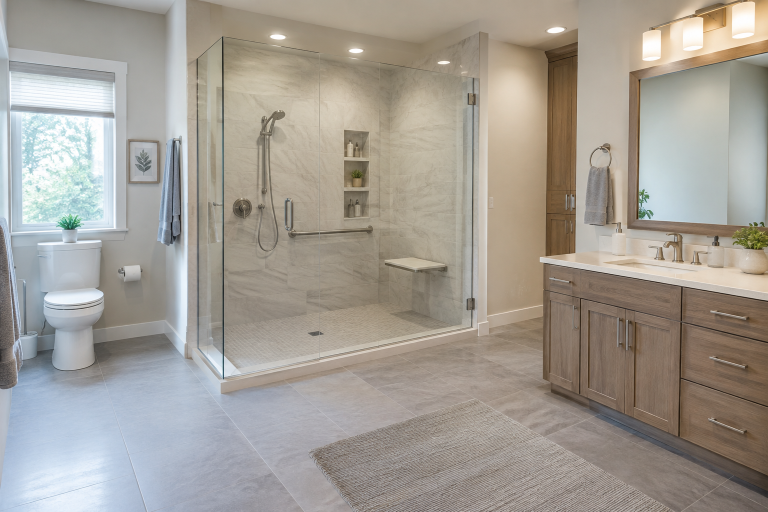
Key Takeaways
- Identify the main issues with your current shower or tub.
- Consider safety, access, storage, and cleaning needs.
- Compare shower replacement and tub-to-shower options.
- Choose features that fit household and mobility needs.
- Review project scope, costs, timeline, and warranty details.
- Use a consultation to determine the right approach to remodeling.
An outdated shower can create daily frustrations that go beyond appearance. Stubborn grout, poor storage, a high bathtub wall, cramped fixtures, and difficult cleaning can all make the bathroom less comfortable to use. A remodel shower request to Jacuzzi Bath Remodel can help homeowners explore a focused upgrade to the bathing area without necessarily committing to a full bathroom renovation.
Jacuzzi Bath Remodel offers custom shower replacements, walk-in showers, and tub-to-shower conversions designed around the existing space and the household’s needs. The right solution depends on the bathroom layout, desired features, mobility considerations, design preferences, and project conditions. Pricing, timing, financing availability, and product options may vary by location and authorized dealer.
Why Do Homeowners Submit a Remodel Shower Request?
Homeowners often begin the process because their current tub or shower no longer works well for their routine. In some cases, the concern is mainly cosmetic. In others, it is about easier entry, simpler cleaning, or better support for changing mobility needs.
- Worn or dated finishes: Older tile, stained surfaces, and aging fixtures can make the entire bathroom feel neglected.
- Heavy cleaning demands: Grout lines and porous materials may require frequent scrubbing to address buildup and discoloration.
- Difficult tub access: Stepping over a tall bathtub wall may feel uncomfortable for some users.
- Limited functionality: A shower may lack shelving, seating, handheld fixtures, or conveniently placed controls.
- A desire for a narrower project scope: Replacing the shower or tub area may be more practical than changing flooring, cabinetry, plumbing layouts, and other parts of the room.
How Jacuzzi Bath Remodel Can Improve Shower Safety
Bathroom safety is often a major reason to consider a shower replacement or tub-to-shower conversion. A remodel cannot eliminate every risk of slipping or falling, but a better-designed bathing area can support easier movement and more secure routines. In a CDC analysis of nonfatal bathroom injuries treated in emergency departments during 2008, falls accounted for 81.1 percent of the injuries examined, and the highest injury rate occurred in or around the tub or shower.
Jacuzzi Bath Remodel offers accessibility-oriented features that can be incorporated into a shower design based on the user and layout. Options may include:
- Low-threshold or barrier-free shower entries for easier access.
- Slip-resistant shower bases for more stable footing.
- Grab bars are positioned where practical support is needed.
- Fold-down or integrated seating for users who prefer to bathe seated.
- Handheld showerheads that offer greater reach and flexibility.
- Reachable fixture placement that can make controls easier to use.
Can a Bathtub Be Converted to a More Usable Walk-In Shower?
A Jacuzzi Bath Remodel tub-to-shower conversion replaces an existing bathtub with a custom shower system. This option can be useful for homeowners who rarely use the tub, want a more open bathing area, or would rather avoid stepping over a high tub wall. Many conversions are designed to work within the existing tub footprint, although the exact approach depends on the home and project requirements.
A conversion can also create room for features that better fit everyday needs, including built-in storage, a low-threshold base, seating, grab bars, and a handheld fixture. However, removing a tub is not automatically right for every home. A household with young children, a home with only one bathtub, or an owner with specific resale priorities may decide to retain a tub instead.
How Jacuzzi Bath Remodel Makes Maintenance Easier
Cleaning concerns are another common reason for a shower replacement. Jacuzzi Bath Remodel uses nonporous Tri-Tek™ acrylic shower surfaces, including wall systems designed with embedded silver ions that help resist mold, mildew, bacteria, and stains. Because there are fewer grout lines to maintain than in a conventional tiled surround, routine cleaning can be more straightforward.
That does not mean a new shower is maintenance-free. Mild soap, water, and non-abrasive cleaning tools can help preserve the finish, while good ventilation and the removal of standing water remain sensible bathroom habits. The practical goal is not to eliminate cleaning altogether, but to create a shower that demands less intensive upkeep.
Which Shower Option Fits the Problem?
Comparing the primary concern with the available remodeling approach can help homeowners prepare for a consultation:
- Difficult bathtub entry: Consider a tub-to-shower conversion with a low-threshold entry, grab bars, seating, and a handheld showerhead.
- An outdated shower: Consider a custom shower replacement with updated wall finishes, fixtures, doors, and accessories.
- Frequent grout cleaning: Consider a low-maintenance wall system with nonporous shower surfaces.
- Too little storage: Consider recessed niches, corner shelves, soap dishes, or other integrated storage options.
- Changing mobility needs: Consider an accessible bathroom remodel with a barrier-free or low-threshold base, slip-resistant footing, and support features.
What to Expect From the Jacuzzi Bath Remodel Process
- Submit a request: Provide project details and location information to begin the process with the appropriate Jacuzzi Bath Remodel representative or authorized dealer.
- Complete an in-home consultation: A professional reviews the current tub or shower, takes measurements, and discusses priorities such as style, access, storage, and cleaning needs.
- Select products and features: Homeowners compare shower walls, bases, fixtures, doors, shelves, seating, and safety accessories.
- Review the project quote: The proposed scope, price, installation requirements, warranty information, and available financing terms should be explained before work begins.
- Schedule installation: Many Jacuzzi Bath Remodel shower projects are completed in as little as one day, though more complex work can require additional time.
- Conduct a final walkthrough: Review the completed shower, and provide the homeowner with care information for the new system.
Which Features Matter for Aging in Place?
Accessible shower features can be valuable for older adults, people recovering from an injury, or anyone planning for longer-term comfort at home. The National Institute on Aging recommends practical bathroom changes such as mounting grab bars near the tub or shower and using nonskid surfaces in wet areas. These steps are most useful when they are matched to the individual user and installed as part of a thoughtfully planned space.
For many households, the most important features are a low-threshold entry, a slip-resistant shower base, sturdy grab bars, seating, good lighting, and a handheld showerhead. During a consultation, homeowners should identify who uses the bathroom now and which needs may change over time.
How Should Homeowners Evaluate a Quote?
A project-specific quote is more useful than a generic online price because costs can depend on the existing bathroom, selected materials, shower configuration, fixtures, accessories, plumbing needs, labor, permits, and local market conditions. Before approving a project, ask what is included in the scope, whether the work stays within the existing footprint, who will perform installation, how long installation is expected to take, and what warranty terms apply.
Frequently Asked Questions
How quickly can Jacuzzi Bath Remodel install a new shower?
Many shower replacements and tub-to-shower conversions are completed in as little as one day. Actual timing depends on the scope, selected features, site conditions, and local installer schedule.
Does a remodel shower request require a full bathroom renovation?
Not always. Jacuzzi Bath Remodel focuses on the tub and shower area, allowing many homeowners to update the main bathing space without remodeling the entire room. Structural repairs, major plumbing changes, or a new bathroom layout may require broader renovation work.
How much does a Jacuzzi Bath Remodel shower cost?
There is no single price for every project. A detailed consultation is the best way to obtain an estimate that reflects the bathroom, selected system, accessories, installation needs, and local conditions.
In Summary
Jacuzzi Bath Remodel provides a focused option for homeowners whose shower is outdated, hard to clean, difficult to enter, or no longer suited to daily routines. With shower replacement, tub-to-shower conversion, low-threshold access, storage, safety features, and customizable finishes, a remodel shower request can be the first step toward a bathing area that better fits the household’s space, comfort, and long-term needs.


If you’re thinking about replacing windows or doors, you’re probably focused on style, price, or energy savings. Those matter, but they’re only part of the decision. The bigger issue is how replacement choices affect comfort, noise, resale value, and long-term maintenance. In a place like Las Vegas, where intense sun and heat punish exterior materials year-round, small product details can change how your home performs every day.
Your Climate Should Shape Every Decision
You can’t treat every replacement project the same way across the country. Las Vegas homes deal with brutal UV exposure, long cooling seasons, dust, and dramatic indoor-outdoor temperature differences. A window or door that performs well in a mild coastal climate may struggle badly in the desert.
That means you should pay attention to solar heat gain coefficient, low-E coatings, frame material stability, and insulated glass performance. Vinyl, fiberglass, and some composite frames often handle heat better than lower-grade materials that warp or degrade faster.
If you’re comparing options for doors and windows replacement in Las Vegas, the climate itself needs to be part of your checklist. The wrong product can leave you with hot spots near the glass, fading furniture, and an HVAC system that runs longer than it should.
Energy Ratings Matter More Than Brand Hype
A lot of homeowners get pulled into brand names and showroom appearances. That’s understandable, but performance labels tell you more than marketing language ever will. You should look for measurable ratings from organizations like the National Fenestration Rating Council and product information aligned with ENERGY STAR.
U-factor measures how well a window prevents heat transfer. Solar heat gain coefficient tracks how much solar radiation gets through. Visible transmittance tells you how much natural light enters the room. Air leakage ratings matter too, especially when wind and dust are part of your environment.
A sleek frame means very little if the glass package is weak. You’re not just buying something that looks cleaner from the street. You’re buying a system that affects monthly utility costs, room comfort, and even whether certain spaces feel usable during the afternoon.
Installation Quality Can Make a Great Product Perform Badly
You can buy an excellent window and still end up with a disappointing result. Poor installation can create air leaks, moisture issues, uneven operation, and premature wear. A lot of replacement problems blamed on the product actually begin at the opening.
Installers need to account for shimming, squaring, flashing details, sealants, and how the replacement unit interacts with the existing wall assembly. If the opening is out of alignment or there’s hidden rot around the frame, those issues need attention before the new unit goes in.
You should also ask whether full-frame replacement or insert replacement makes more sense. Inserts are less invasive, but they’re not always the smartest option if the surrounding frame is compromised. In older homes especially, what’s behind the trim often decides the real scope of the job.
The Best Style Choice Depends on How You Actually Live
It’s easy to choose based on appearance alone. Black frames look sharp. Expansive glass feels modern. Sliding doors create a clean transition to the patio. Still, your daily routine should shape the final pick more than a photo gallery does.
Think about ventilation habits, furniture placement, cleaning access, and how often doors get used. Casement windows can improve airflow but may interfere with exterior walkways. Large fixed panes bring in light but don’t open at all. French doors look elegant, yet they need swing clearance that some layouts can’t spare.
Security matters here too. Multi-point locking systems, laminated glass, and reinforced frames can change how protected your home feels. If you have pets, kids, or older family members in the house, threshold height and ease of operation deserve more attention than most buyers initially give them.
Replacement Costs Go Beyond the Quote You First See
The first number you hear is rarely the full financial picture. Material grade, glass upgrades, custom sizing, labor complexity, disposal fees, permit requirements, and finish details can all shift the final cost. If your house has stucco, unusual openings, or older framing, labor may become a bigger line item than you expected.
You should also think beyond installation day. Better-performing products can reduce cooling demand, but payback varies depending on your current windows, thermostat habits, insulation, and electricity rates. Aesthetic upgrades may help resale appeal, though not every feature returns equal value.
According to Remodeling’s Cost vs. Value Report, exterior replacement projects often deliver stronger resale impact than many interior cosmetic upgrades. That doesn’t mean you should expect a perfect return. It means these decisions affect both livability and market perception in ways people often underestimate.
Noise, Dust, and Comfort Are Part of the Upgrade Too
Most people start this process thinking about appearance or energy bills. Then they notice something less obvious after installation: the house feels calmer. Better windows and doors can reduce street noise, limit dust infiltration, and stabilize temperatures near exterior walls.
That matters more than it sounds. If one bedroom always gets too hot by 4 p.m., you use it differently. If traffic noise leaks through thin glass, sleep quality can suffer. If dust keeps collecting on surfaces near old sliders, your home never feels fully sealed.
Double- or triple-pane glass, improved weatherstripping, tighter seals, and better frame construction can improve daily comfort in ways you feel immediately, even if you can’t always describe the technical reason. A replacement project isn’t only about efficiency metrics. It also changes how usable and relaxed your space feels on an ordinary Tuesday.
A Smart Project Starts With Better Questions
Before you sign anything, slow the process down and ask sharper questions. What exact glass package are you getting? What are the NFRC ratings? Is the quote for full-frame or insert replacement? How will installers handle interior trim, exterior finishes, and disposal? What warranty covers labor, not just materials?
You should also ask how the products are expected to perform in extreme heat and high sun exposure. That’s not a minor detail in Southern Nevada. It’s central to whether the investment holds up.
The homeowners who feel best about these projects usually aren’t the ones who picked the fanciest style first. They’re the ones who understood the technical specs, matched the products to local conditions, and treated installation quality as seriously as product design. That approach leads to fewer regrets and a home that works better every single day.

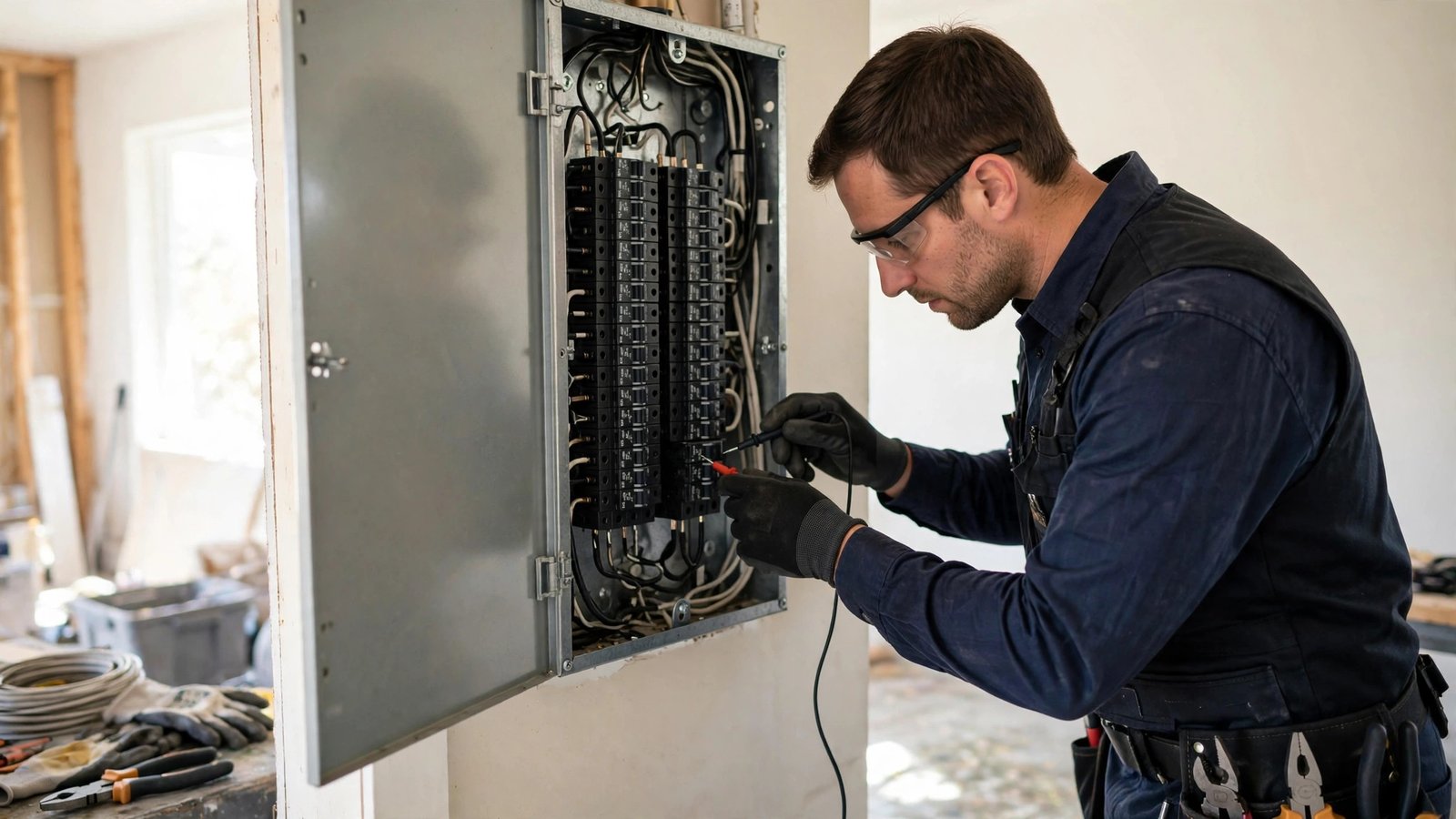
Your electrical panel does a quiet job until your house starts asking more from it than it can handle. That usually happens slowly: a new HVAC system, a garage fridge, faster EV charging, a kitchen remodel, better home office gear. Then the warning signs show up. If you’ve been dealing with flickering lights or tripped breakers, you may be looking at a panel that no longer fits how you live. Knowing what to watch for can save you from expensive damage and serious safety issues.
The electrical panel is your home’s traffic controller
You can think of the panel as the point where utility power gets divided and routed through your house. It controls current to lighting circuits, receptacles, major appliances, and dedicated loads like dryers or air conditioners.
In many older homes, the panel was sized for a very different era. Sixty-amp or 100-amp service once covered the basics. Now you may be running induction cooking, multiple TVs, gaming equipment, heat pumps, smart home devices, and backup power components.
That mismatch matters because the panel is not just a box of breakers. It’s part of your service entrance, load distribution, grounding, and overcurrent protection strategy. Once demand exceeds design capacity, performance and safety both start to slip.
Small warning signs often show up before a major failure
Most panel problems don’t announce themselves dramatically at first. You’re more likely to notice small irritations that become routine. Maybe the microwave and toaster trip the same breaker. Maybe the bathroom lights dim when the hair dryer turns on.
You should also pay attention to warm cover plates, buzzing sounds near the panel, breakers that won’t stay reset, or a faint burning smell. Those are not quirks. They can point to overloaded circuits, deteriorated connections, arcing, or equipment wear.
Another common sign is lack of space. If your panel is packed with tandem breakers or messy add-ons from years of renovations, that setup can signal a system that’s been stretched too far. A crowded panel usually means your electrical plan has been reacting to upgrades instead of supporting them.
Modern upgrades are pushing old service limits fast
A lot of homeowners don’t realize how much today’s equipment changes electrical demand. An EV charger alone can be a major load. Add a tankless water heater, electric range, newer laundry appliances, or workshop tools, and your service capacity can get tight quickly.
Home offices add another layer. You may be running computers, monitors, networking gear, printers, battery backups, and climate control for long hours. Even if each device seems modest, the combined load changes how circuits perform day to day.
If you’re planning a remodel, it’s smart to review service size before walls open up. A kitchen expansion or finished basement often exposes an issue that was hidden by lighter use. Many homeowners end up needing to upgrade electrical panel capacity before new circuits can be added cleanly and to code.
Insurance, code compliance, and resale can all be affected
Electrical panels aren’t only a contractor concern. Insurers and home buyers pay attention to them too. Some older panel brands have known reliability issues, and certain carriers may flag them during underwriting or renewal.
If your system shows age, amateur modifications, double-tapped breakers, corrosion, or unsupported expansions, you could face complications beyond inconvenience. A home inspection may call out the panel as a material issue, which can slow a sale or trigger repair negotiations.
Permitting also matters more than many people expect. Service upgrades usually require coordination with the utility, local inspection, and code-compliant grounding and bonding. That process protects you later. It creates a documented upgrade path rather than a patchwork setup that raises questions every time you renovate, insure, or list the home.
What a panel upgrade usually includes in real life
A panel upgrade is rarely just a one-part swap. In practice, the electrician evaluates service capacity, existing branch circuits, load calculation, grounding electrode systems, meter compatibility, and the condition of feeders and breakers.
You may be moving from 100 amps to 200 amps, replacing obsolete equipment, adding surge protection, correcting bonding issues, or creating room for future circuits. In some homes, the service mast, meter base, or utility connection may also need attention.
This is where homeowners get the most value from asking precise questions. You’ll want to know whether the quoted work includes permit handling, utility coordination, labeling, AFCI or GFCI updates where required, and whole-home surge protection. A solid proposal should make the scope clear instead of treating the panel like an isolated box swap.
How to decide whether repair is enough or replacement makes more sense
Not every electrical issue means you need a full panel replacement. Sometimes a single faulty breaker, a loose connection, or a specific overloaded branch circuit is the main problem. A qualified electrician can test and inspect before recommending major work.
Still, replacement becomes the practical move when the panel is obsolete, undersized, physically damaged, or lacking capacity for planned upgrades. It also makes sense when repeated repairs keep piling up without solving the underlying load problem.
A helpful way to think about it is timeline. If you know you want an EV charger, a hot tub, a workshop subpanel, or an all-electric kitchen in the next few years, repairing around an undersized panel can waste money. Planning for future load now often gives you cleaner installation options and fewer disruptions later.
Choosing the right contractor matters as much as the hardware
A panel upgrade is technical work with safety implications, so the cheapest bid is not automatically the best one. You want a licensed electrician who handles service upgrades regularly and can explain load calculations, permit steps, and code requirements in plain language.
Ask whether they’ve worked on homes like yours, especially if your property is older or has additions. Good contractors will inspect the existing setup, identify constraints, and explain whether the issue is panel capacity, circuit layout, grounding, or all three.
You should also expect a written estimate with clear materials, amp rating, project scope, timeline, and inspection details. If someone proposes major service work without discussing permits or utility coordination, that’s a red flag. Electrical systems are too central to your home for guesswork or vague promises.
A stronger panel gives you more than extra breaker space
An upgraded panel gives you capacity, but it also gives you flexibility. You’re creating room for safer circuit design, cleaner appliance installation, and future additions that won’t strain the system every time demand spikes.
That matters even if you’re not planning a full renovation. A stable electrical backbone supports comfort, resale, and daily reliability. Your lights stay steady, your appliances run as intended, and you stop treating breaker trips like part of normal life.
If your home has been sending signals that the electrical system is behind the times, pay attention now instead of waiting for a hard failure. The panel is one of those components that rewards early action. Once it fits the way you actually live, everything connected to it works with less friction.

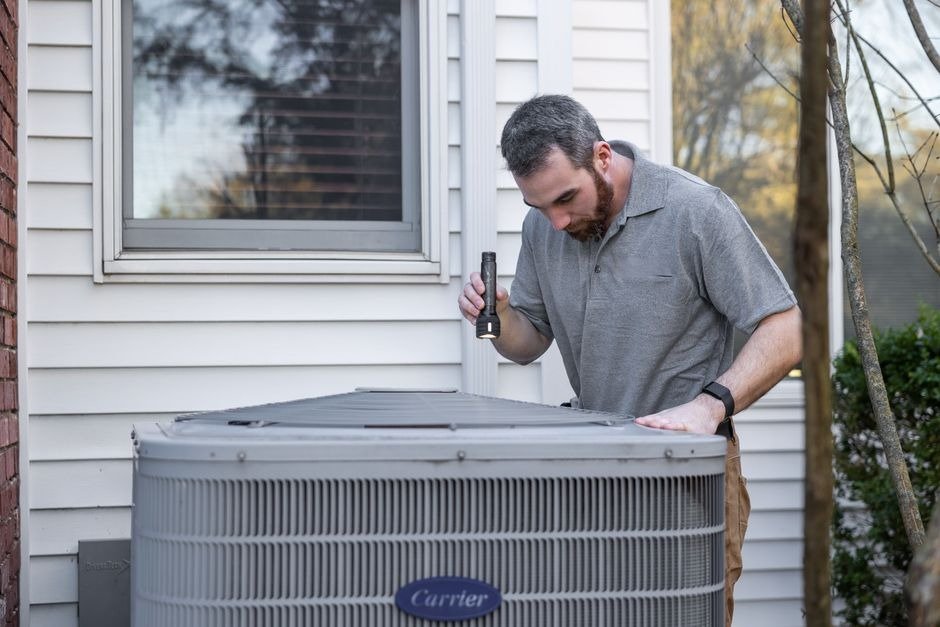
Your heating and cooling system often works quietly in the background until comfort disappears or a repair becomes urgent. Recognizing early warning signs gives you a better chance of addressing problems before they lead to expensive repairs, wasted energy, or a complete system breakdown.
Rising Bills Can Reveal Falling Efficiency
An increase in your utility bill deserves attention when your thermostat settings, household routine, and weather have not changed much. If the system needs more runtime to cool the same rooms, it may be struggling to move air or transfer heat efficiently.
Possible causes include a clogged filter, dirty coils, leaking ducts, a failing electrical component, or a thermostat that is reading temperatures inaccurately. Compare a few recent bills and consider whether the change matches the weather.
Uneven Temperatures Point to a Distribution Problem
If one bedroom stays warm while another room feels comfortable, the equipment may not be the only issue. Blocked return vents, leaking or poorly balanced ducts, inadequate insulation, blower problems, and thermostat placement can all affect how conditioned air reaches each room.
Notice when and where the problem occurs. Does an upstairs room heat up in the afternoon? Is airflow weak in just one area, or throughout the house?
New Noises Should Not Become Background Music
Normal operating sounds should be consistent. Sudden buzzing, banging, scraping, rattling, or high-pitched squealing can indicate loose hardware, debris, motor wear, or an electrical problem.
Turn the equipment off if you hear a severe grinding noise, notice smoke, or smell something burning, and arrange professional help. Do not open electrical panels or reach into moving equipment.
When a sound persists, or several warning signs appear, a reputable HVAC company should explain what has failed, why the proposed fix addresses it, and whether other issues could affect performance.
Longer Cycles Can Signal Extra Strain
An air conditioner that runs much longer than usual may be dealing with restricted airflow, dirty coils, refrigerant problems, duct leakage, or an incorrect thermostat reading.
Start with simple, safe checks: inspect the air filter and replace it if dirty, make sure supply and return vents are not blocked, and clear leaves or debris from around the outdoor unit without opening its cabinet. If performance does not improve, arrange an inspection rather than repeatedly lowering the thermostat. Refrigerant and electrical work should be handled by a qualified technician.
Weak Airflow Is More Than an Annoyance
If very little air comes from the vents, check whether the filter is clogged and whether furniture or curtains are blocking registers. If airflow remains weak, the blower may be struggling, ductwork may be damaged, or the indoor coil may be obstructed.
Compare several vents around the home. Weak airflow everywhere suggests a central restriction; one persistently weak area may indicate a duct or balancing issue. Do not keep running a system that appears frozen or repeatedly shuts itself off. Switch it off and arrange assessment, because continued operation may worsen the problem.
Odors and Moisture Deserve Prompt Attention
A musty smell can indicate excess moisture around a drain pan, coil, or duct, while a burning odor may suggest an overheated component or electrical fault.
Air conditioners naturally produce condensation, which should leave through a drain line. Water around an indoor unit, rust, ceiling stains, or damp flooring may signal a clogged drain or another drainage problem. Turn the system off if water is reaching electrical components, and seek qualified help. Persistent moisture can damage building materials and encourage unwanted microbial growth.
For practical guidance on filters, humidity, and ventilation, read this guide to improving indoor air quality. It explains how routine upkeep and moisture control can support a healthier indoor environment.
Choose a Repair Plan Based on Evidence
When several warning signs appear together, avoid guessing at the cause or replacing parts based only on a hunch. A qualified HVAC company can inspect airflow, electrical components, coils, drainage, thermostat operation, and other system functions to determine whether the problem calls for maintenance, repair, or a longer-term replacement plan. Ask for a clear explanation of the findings and an itemized estimate before approving work.
Maintenance Is a Form of Risk Management
Routine care cannot prevent every breakdown, but it can catch developing problems and help the system operate as intended. Keep the outdoor unit clear of leaves and debris, and schedule professional maintenance before the periods when heating or cooling demand is highest.
Pay attention to the thermostat, too. Make sure it is set to the correct mode, that the temperature setting has not changed accidentally, and that it is away from direct sunlight or other heat sources. If the display is blank or the system responds inconsistently, check the batteries if applicable and consult the manual before assuming the equipment has failed. Keep a brief record of symptoms, dates, and any steps you have tried. This makes it easier to explain the pattern during a service visit and compare the technician’s findings with what you noticed.
A maintenance visit should go beyond a glance. It may include checking electrical connections, cleaning coils when needed, inspecting the condensate drain, evaluating airflow, and verifying that controls work correctly.
This HVAC maintenance checklist outlines common checks for homeowners and technicians, including filter care, drain inspection, and system operation.
Act Before Comfort Turns Into an Emergency
You do not need to panic over every small change, but you should pay attention when bills rise without explanation, temperatures become uneven, airflow weakens, noises change, or moisture appears.
Make note of what changed, when it began, and whether it happens consistently. Handle basic maintenance that is safe for you, and leave refrigerant, electrical, and internal mechanical repairs to trained professionals. Early action gives you more time to compare recommendations and plan the expense instead of making a rushed decision during an uncomfortable breakdown.

Before Reconnecting Equipment: Drying Time After Contact Cleaning Explained

Best LLC Formation Services Compared: Pricing, Features, and Support in 2026

A $95 Jacket on a Rail Where Nothing Else Moves
Who Is Gale Burnick? The Story Of George R. R. Martin’s Ex Wife

Who Is Hermann Nicoli? The Full Story Of Candice Swanepoel’s Former Fiancé

Who Is Alicia Dove? The Life Story Of Corey Taylor’s Wife
-
Celebrity4 months ago
Who Is Gale Burnick? The Story Of George R. R. Martin’s Ex Wife
-
 Celebrity4 months ago
Who Is Hermann Nicoli? The Full Story Of Candice Swanepoel’s Former Fiancé
-
 Celebrity4 months ago
Who Is Alicia Dove? The Life Story Of Corey Taylor’s Wife
-

 Celebrity4 months ago
Meet Carole Rogers: Everything to Know About Kenny Rogers’ Daughter
-

 Celebrity4 months ago
Who Is Sydney Davis? The Full Story Of Billy Bush’s Ex Wife
-

 Celebrity4 months ago
Who Is Anna Hillinger? The Full Life Story Of Mike Shinoda’s Wife
-

 Celebrity4 months ago
Who Is Demacio Castellon? Life Story Of Nelly Furtado’s Ex Husband
-

 Blog3 months ago
What Is Sosoactive? A Complete Guide to the Digital Platform