
Blog
What Is a Prepaid Meter? Uses, Top-Ups, Pros and Cons Explained

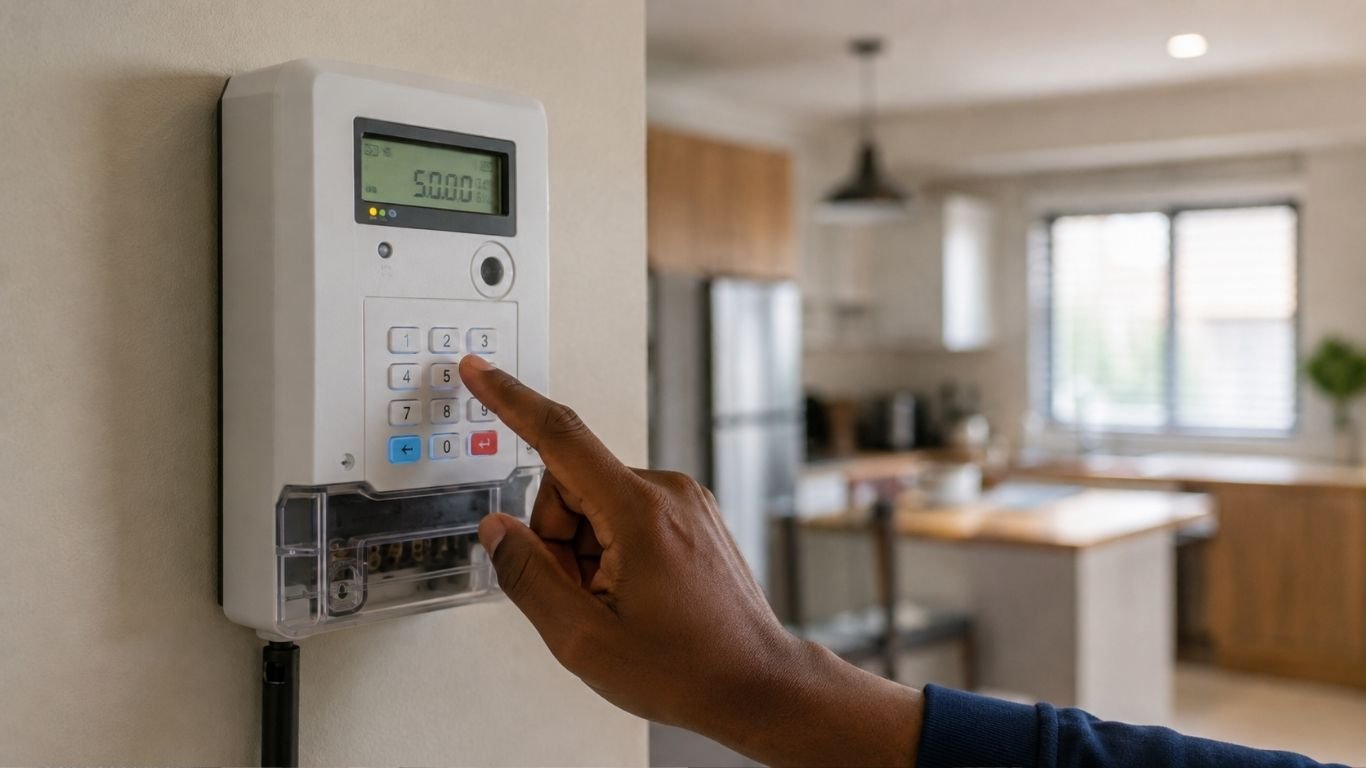
If you have ever paid for mobile data before using it, you already know the basic idea behind a prepaid utility meter. What is a prepaid meter? It is a device that lets you pay for electricity, gas, or water before you use it. Your credit falls as you consume the service.
The meter tracks the balance in real time. When the balance gets low, it may show a warning or make a sound. If the credit reaches zero, the supply can stop until more credit is added.
This system gives people more control over daily spending. It can also help users see how much energy they use. But it requires regular balance checks and timely top-ups.
What Is a Prepaid Meter and Why Is It Used?
The simplest answer to what is a prepaid meter is that it is a pay-as-you-go utility meter. You buy credit first. The meter then allows you to use a set value or amount of electricity, gas, or water.
Utility companies use them to reduce billing work and unpaid accounts. For users, the main benefit is clear spending. You can see what remains instead of waiting for a bill.
How Does a Prepaid Meter Work?
To understand what is a prepaid meter, look at the normal payment cycle. First, you buy credit from an approved seller, app, website, mobile service, or payment point.
You may receive a token code, digital credit, smart card update, or key-based recharge. The method depends on the meter and provider.
The meter checks the payment and adds the new credit. As you use power, gas, or water, the balance slowly drops. Many electricity meters have a screen that shows credit and use. Some also have a keypad for entering token codes.
Inside the unit, a control system measures consumption and manages the available credit. If the balance reaches the cut-off point, the meter can disconnect the supply. Some newer models update credit through a network, so users do not need to type a long code.
How Do You Add Credit?
Top-up methods differ by country and utility company. In many places, users can buy credit through banking apps, utility apps, mobile wallets, websites, shops, or vending points.
With a token meter, you receive a number after payment. You enter that number into the meter. If the code is valid, the meter adds the purchased value.
Smart prepaid systems can send the payment to the meter through a secure network, so you may not need to enter a code by hand.
Always use an approved payment channel. A failed or fake token can leave you without usable credit.
What Happens When the Credit Runs Out?
A common concern about what is a prepaid meter is what happens at zero balance. In many systems, the meter disconnects the utility supply when usable credit is gone.
The exact process can vary. Some meters offer emergency credit. Others may delay disconnection during certain hours or conditions. These rules depend on the local provider and local regulation.
Low-balance alerts are useful, but users should not rely on them alone. Check the meter or app often. A quick top-up can prevent an unwanted power cut.
For critical home equipment, ask the provider about support and protection rules.
Benefits of Using a Prepaid Meter
One reason people search what is a prepaid meter is to find out whether it can save money. The meter itself does not guarantee cheaper energy, but it can make spending easier to control.
You know how much credit is available. That makes it harder for a large unpaid bill to build up. It can also reduce problems caused by estimated bills.
Another benefit is awareness. A falling balance can make waste easier to notice.
Prepayment can also work well in rental homes, shared housing, or places where short-term utility use is common.
Disadvantages You Should Know
There are trade-offs. A prepaid meter needs active management. If you forget to add credit, your electricity, gas, or water may stop.
Top-up access can also be a problem if shops, apps, or internet service are hard to reach.
Prices are another point to check. In some markets, prepaid tariffs, fees, or standing charges may differ from postpaid plans. That does not mean prepaid service is always more expensive. Compare the full tariff before choosing.
And while tight spending control is useful, it can feel restrictive during weeks when household costs rise.
Prepaid Meter vs. Postpaid Meter
The difference is mainly about timing. With prepaid service, you pay before using the utility. With postpaid service, you use the utility first and receive a bill later.
That makes what is a prepaid meter easy to remember: pay first, use second.
A postpaid meter records use over a billing period. The provider charges you later.
Prepaid users have more direct control over available credit. Postpaid users may find monthly billing more convenient because they do not need to top up often.
Neither system is automatically better for every household. The right choice depends on budget habits, tariff prices, payment access, and local rules.
Prepaid Meter vs. Smart Meter
People often confuse these two terms. A prepaid meter describes how you pay. A smart meter describes how the meter communicates and records data.
A smart meter can work with postpaid billing. It can also work in prepaid mode. That is why many newer systems are called smart prepaid meters.
When people ask what is a prepaid meter compared with a smart meter, the key difference is payment model versus technology. Smart meters may send readings to the utility company automatically. They can also support mobile apps, remote updates, detailed usage data, and faster top-ups.
A smart prepaid meter combines both ideas. You still pay before use, but credit may arrive through the utility network after online payment.
A basic prepaid meter may do much less. It may only track credit and consumption through a local screen or keypad.
How to Read and Manage Your Meter
Start by learning the main display symbols. Check the balance and warning icons. Keep your meter number safe because you may need it for top-ups or support.
If your unit uses token codes, enter them carefully. One wrong digit can cause the recharge to fail. Do not keep trying random codes.
Check your balance before weekends, holidays, storms, or travel periods when payment services may be harder to reach.
It also helps to watch which appliances use the most power. Electric heaters, air conditioners, water heaters, ovens, and older appliances can reduce prepaid credit much faster than small devices.
Is a Prepaid Meter Right for You?
Before choosing one, ask how you manage money. If you prefer to pay in small amounts and want close control over utility spending, prepaid service may suit you.
If you dislike regular top-ups, a postpaid plan may feel easier. You should also compare unit rates, service fees, standing charges, emergency credit rules, and available payment methods.
For anyone still asking what is a prepaid meter, the answer is simple: it puts payment before consumption and gives you a live view of the credit you have left.
The best choice depends on your household, tariff, and payment access.
Common Questions About Prepaid Meters
Can a prepaid meter run out at night?
Yes, in some systems. Others may offer emergency credit or delayed cut-off rules. Check with your provider.
Does a prepaid meter save electricity?
It does not cut use by itself. But a visible balance can help you spot waste.
Can you switch from prepaid to postpaid?
In many areas, yes. The provider may check your account, meter type, and local rules first.
Are prepaid meters only for electricity?
No. The same pay-before-use model can apply to electricity, gas, and water.
Bottom Line
So, what is a prepaid meter? It is a pay-as-you-go meter for utilities such as electricity, gas, or water. You add credit, use the service, and top up again when the balance falls.
It can help with budgeting and energy awareness. It can also prevent large unpaid bills. But users must monitor the balance and keep a reliable top-up method available.


A swimming pool is more than an attractive amenity. For hotels, apartment communities, fitness clubs, and event venues, it influences guest impressions, tenant satisfaction, daily operations, and the property’s overall reputation. A clean, properly maintained pool communicates attention to detail. Cloudy water, neglected surfaces, or malfunctioning equipment can create the opposite impression almost immediately.
The financial consequences are not always obvious at first. Poor maintenance can increase operating expenses, shorten equipment life, create health and safety concerns, and disrupt services when customers expect them most. Understanding these hidden costs helps property operators protect both their facilities and their business reputation.
Your Pool Is Part of Your Brand
Guests may initially choose a hotel for its location, price, or rooms, but shared amenities still influence their overall experience. A pool is particularly noticeable because its condition is difficult to hide. Cloudy water, stained tiles, debris, or damaged surroundings can make visitors question the property’s cleanliness standards.
The same applies to apartment communities and fitness clubs. Prospective tenants and members often assess shared facilities before making a commitment. An attractive pool can strengthen the impression of a well-managed property, while visible neglect may undermine confidence.
Online reviews can extend that impression beyond the facility itself. A complaint about an unclean pool may influence potential customers who compare several properties before booking or signing a lease.
Maintaining the pool is therefore part of maintaining the brand. Its condition should reflect the same standards that the business promises through its other services.
Commercial Pools Require Consistent Oversight
A residential pool and a commercial pool may use similar equipment, but their operating demands are different. Hotels, gyms, and residential communities often experience higher swimmer numbers, longer operating hours, and more frequent changes in water quality.
That increased use places greater demands on circulation, filtration, sanitation, and cleaning routines. A maintenance approach designed for occasional residential use may not provide the consistency required by a busy public facility.
This is where a specialized commercial pool service becomes important. Depending on the property’s needs, professional maintenance may include scheduled water testing, chemical balancing, filter servicing, vacuuming, tile cleaning, equipment inspections, and timely repairs.
Deferred Maintenance Creates More Expensive Problems
Reducing maintenance expenditure can appear to be an easy way to control operating costs. However, postponing routine inspections and repairs often creates larger expenses later.
A poorly maintained filter can restrict circulation and place additional strain on equipment. Incorrect water chemistry can damage surfaces, contribute to corrosion, and affect components such as pumps, heaters, and chemical feeders. Small leaks can also go unnoticed until they cause water loss or damage surrounding structures.
The financial impact extends beyond the repair itself. Unexpected breakdowns may require emergency contractors, replacement parts, temporary closures, and additional staff coordination. If the pool is unavailable during a busy period, the disruption can affect the customer experience as well.
Preventive maintenance helps identify developing problems before they become major failures. Regular inspections, equipment servicing, and water testing are not unnecessary expenses. They are part of protecting a valuable property asset.
Water Quality Is a Health Responsibility
Clear water does not automatically mean a pool is safe. Proper sanitation depends on maintaining appropriate disinfectant levels, balanced chemistry, effective filtration, and consistent monitoring.
When disinfectant levels fall or water chemistry becomes unbalanced, germs may survive and spread. Poor pH control can also reduce sanitizer effectiveness and contribute to eye or skin irritation. A strong chemical smell is not necessarily evidence of better sanitation; it can be associated with chloramines and inadequate water management.
For commercial operators, these issues require more than occasional visual checks. Testing schedules, maintenance records, staff training, and clear procedures for responding to problems all matter.
The CDC’s guidance for operating and managing public pools outlines practical measures for operators, including routine water testing, equipment maintenance, recordkeeping, and trained staff. Businesses should also follow the pool regulations that apply in their own jurisdiction.
Poor Maintenance Consumes Staff Time
When pool maintenance lacks a clear process, the workload does not disappear. It shifts to employees who may already have other responsibilities.
Maintenance teams may spend hours responding to equipment problems. Front desk employees may handle complaints about closures or water conditions. Property managers may have to coordinate contractors, approve urgent repairs, and explain disruptions to residents or guests.
These interruptions create operational costs that are easy to overlook. Time spent repeatedly addressing preventable pool problems could otherwise go toward building maintenance, customer service, and other essential tasks.
A structured maintenance plan establishes responsibility, inspection frequency, documentation, and escalation procedures. It also gives managers a clearer picture of recurring problems and the resources needed to address them.
Off-Season Neglect Can Create Year-Round Costs
A pool may receive less attention when visitor numbers decline, but reduced use does not eliminate maintenance requirements. Water quality can deteriorate, debris can accumulate, and equipment problems can develop while the facility is quieter.
For properties that operate year-round, consistent monitoring remains important even when fewer people are swimming. Facilities that close seasonally also need appropriate procedures for preparing, protecting, and reopening their pools.
Planning ahead makes it easier to schedule repairs during quieter periods rather than dealing with unexpected failures when demand increases. It also helps operators budget for seasonal servicing, equipment replacement, and necessary upgrades.
Treat Pool Maintenance as Asset Management
Well-managed properties do not treat pool maintenance as a cosmetic task. They approach it as part of a broader asset-management strategy that supports safety, reputation, and operational reliability.
This means tracking recurring repairs, reviewing maintenance records, monitoring equipment performance, and adjusting service schedules to match actual usage. It also means investigating repeated problems instead of continually paying to address the same symptoms.
A pool that supports guest satisfaction, membership value, or tenant retention deserves a maintenance plan that reflects its importance to the business.
The Real Cost of Neglect Goes Beyond Repairs
One poorly maintained pool can create several problems at once: customer complaints, staff interruptions, equipment failures, and possible service closures. The resulting costs may appear across different budgets, making the full impact easy to underestimate.
Consistent maintenance helps prevent avoidable disruption while protecting the facility’s long-term condition. For businesses, the objective is not simply to keep the water looking clear. It is to provide a safe, dependable amenity that supports the property’s standards every day.
When pool care is planned and monitored properly, operators can spend less time reacting to problems and more time delivering the experience customers expect.
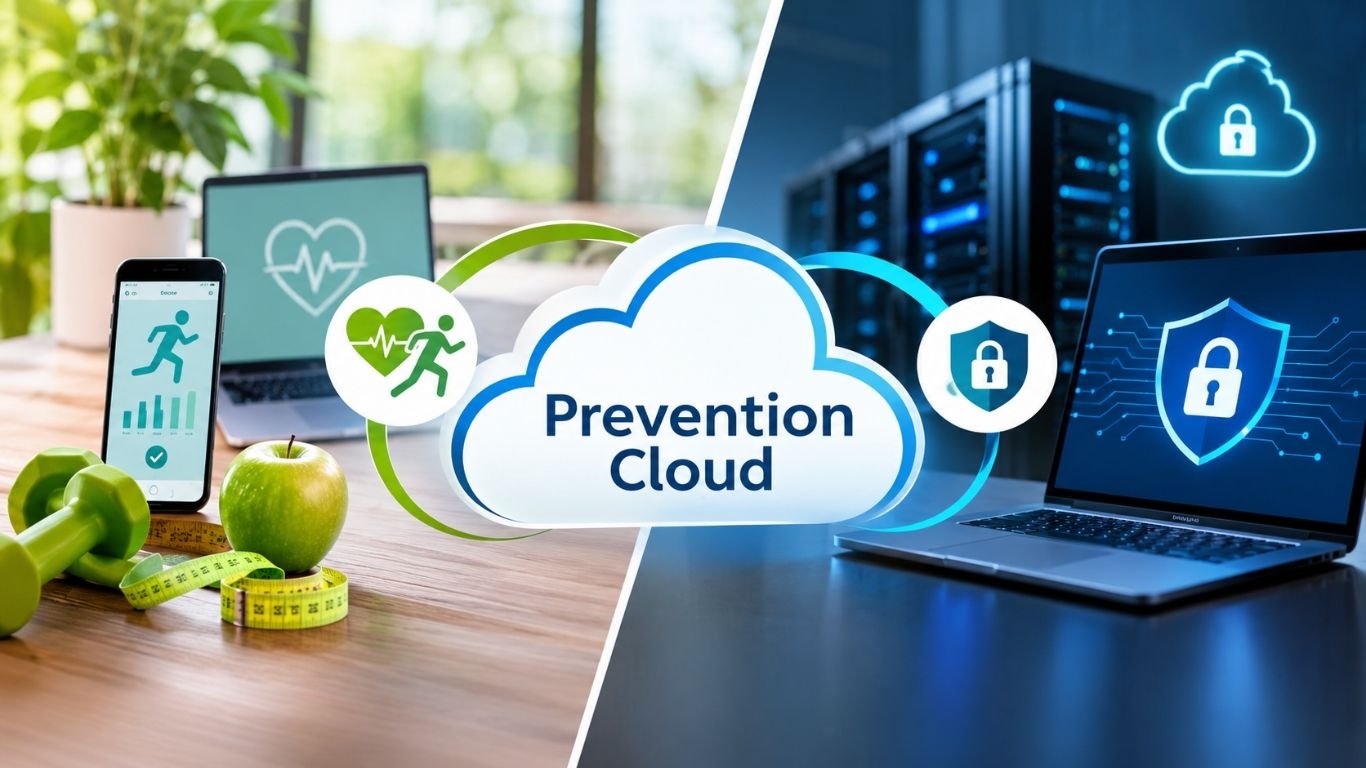
Prevention Cloud has two main uses in health technology and online security. PreventionCloud is a workplace wellness platform linked to Zomo Health. It helps employees track healthy habits, join health challenges, and earn rewards through company programs.
The term also refers to a cloud security method that stops risks before they cause harm. Both focus on prevention but serve different needs. One supports employee health, while the other protects online systems and business data from security threats.
How Does Prevention Cloud Work?
The wellness platform works through programs offered by employers. Employees can sign in to view health tasks, join challenges, and track their progress. These tasks may include fitness goals, health quizzes, and wellness lessons. Some programs also offer points or rewards.
For example, a company may start a walking challenge. Employees can track their daily steps and work toward a set goal. They may earn points when they complete the task. Each employer sets its own rules for rewards.
In cloud security, prevention works through safety rules. These rules check cloud settings and block unsafe changes. For example, a system may stop a storage folder from becoming public if it contains private files.
Prevention Cloud Wellness Platform by Zomo Health
PreventionCloud is linked to Zomo Health, a company that offers workplace wellness services. The platform helps employers manage health programs in one place. Employees can use it to join activities and follow their wellness goals.
The platform offers health assessments, fitness challenges, quizzes, and learning resources. Employees can track activities and complete tasks offered by their workplace. Some programs also give points for meeting health goals.
The features depend on the employer’s program. One company may offer walking challenges, while another may focus on health lessons. Employees can check their program details to see which activities and rewards are available.
Key Features of Prevention Cloud
The wellness platform offers tools for tracking health activities. Users can complete lifestyle assessments about their daily habits. These may cover exercise, sleep, and general health. The platform also provides quizzes and health lessons.
Employees can join wellness challenges and track their progress. Some programs offer points for completing tasks or reaching fitness goals. The rewards depend on the rules set by the employer.
The mobile app also supports step tracking through Google Health Connect. Its Google Play listing describes read-only access to step data. This allows the app to read approved step records without changing them in Health Connect.
Prevention Cloud Login and Account Access
Employees usually get access through their employer or wellness provider. The company may share login details or steps for creating an account. Users should follow these instructions and use only official login pages.
After signing in, employees can view their wellness activities. These may include health assessments, fitness challenges, activity records, and reward details. Some users can also access the program through the mobile app.
If login problems occur, users should check their email address and password. They can try the password reset option if one is available. For other issues, they should contact their employer’s wellness team or official support service.
Prevention Cloud Mobile App and Health Tracking
The PreventionCloud mobile app helps employees access wellness activities on their phones. It is available on Google Play for Android devices. Users can view supported activities and take part in workplace health programs.
The app supports Google Health Connect for step tracking. Users can allow it to read their step data. This may help record progress during walking challenges without entering every step count by hand.
Users should check app permissions before sharing health data. They should also read the privacy policy to learn what information the app collects and how it is used. Read-only step access does not mean the app collects no other data.
Prevention Cloud Rewards and Employee Wellness Programs
Employers can use the platform to offer rewards for wellness activities. Employees may earn points when they complete approved tasks. These programs can include fitness challenges, health lessons, and lifestyle assessments.
For example, an employee may earn points for finishing a quiz or meeting a walking goal. Some programs may offer rewards for joining other health activities. Each employer decides which tasks qualify.
Employees should read the reward rules before taking part. They need to know how points are earned, when rewards can be claimed, and whether any deadlines apply. Reward options can differ between companies.
Benefits of Prevention Cloud for Employees and Employers
The wellness platform helps employees track health activities in one place. They can view challenges, follow their progress, and complete wellness tasks. Health lessons and quizzes can also teach them about exercise and daily habits.
Employers can use the platform to manage workplace wellness programs. They may offer walking challenges, health lessons, or reward-based activities. This makes it easier to organize tasks and share program details with staff.
The results depend on how each program works. Employee interest, available activities, and reward rules can affect participation. A wellness platform does not guarantee better health or lower business costs.
What Is Prevention-First Cloud Security?
Prevention-first cloud security is a way to stop online risks before they cause problems. It is different from the PreventionCloud wellness platform. This method focuses on protecting cloud systems, files, and business data.
Cloud services store files and run online tools. Poor settings can leave private data open to others. For example, a company may create a storage bucket that anyone can access. A prevention control can block this unsafe setting before it goes live.
This method uses safety rules, automatic checks, and secure settings. These controls can review changes before they are made. Their goal is to reduce the chance of data leaks and other security problems.
How Prevention Cloud Security Protects Data?
Prevention-first security helps protect data by controlling access and system settings. Companies can create rules for cloud storage, user accounts, and online services. These rules can block changes that may put private information at risk.
For example, a company may require all cloud storage buckets to block public access. If someone tries to create an open bucket, the system can reject the request. Similar rules can stop users from getting more access than they need.
These controls cannot stop every threat. Stolen passwords, software flaws, and new attacks can still cause harm. Companies also need security updates, monitoring tools, backups, and plans for handling attacks.
Prevention-First vs. Detection-First Cloud Security
Prevention-first security tries to stop risks before they affect a system. Detection-first security looks for threats or unsafe settings that already exist or are taking place. Both help protect cloud services, but they work in different ways.
For example, a prevention control may stop a storage bucket from becoming public. A detection tool may find an open bucket and send an alert to the security team. The first blocks the unsafe change. The second helps the team find and fix the problem.
Both methods have limits. Prevention rules may miss some risks or block safe actions. Detection tools may find problems after they appear. Using both methods gives companies more ways to protect their systems.
Privacy, Security, and Limitations of Prevention Cloud
Privacy matters when employees use a wellness platform. The service may handle step counts, health assessment answers, and activity records. Users should know what data is collected, who can see it, and how it is used.
The mobile app reports read-only step access through Google Health Connect. This means it can read approved step data without changing those records. Users should still check the app’s full permissions and privacy policy. They should also avoid unofficial login pages.
Prevention-first cloud security also has limits. Its rules must be set up and updated with care. A missing rule can leave a system at risk. A poorly made rule can block normal work. Companies need to test their controls and review them often.
Final Thoughts
Prevention Cloud has two main meanings. PreventionCloud is a workplace wellness platform linked to Zomo Health. It helps employees join health challenges, track activities, and earn rewards through company programs. Its features include health assessments, quizzes, and step tracking.
In cloud security, prevention-first methods help stop unsafe changes before they cause harm. They use safety rules, access controls, and automatic checks. Both uses focus on prevention, but they serve different needs. Users should check official details, privacy rules, and security needs before using these services.
FAQs
What is Prevention Cloud used for?
It refers to a workplace wellness platform for health activities and rewards or a cloud security method that helps stop online risks.
Is PreventionCloud developed by Zomo Health?
PreventionCloud is linked to Zomo Health, a company that provides workplace wellness services.
Is the PreventionCloud app free to use?
Access depends on the employer’s wellness program, so users should check their company’s rules for any costs.
Does PreventionCloud connect with Google Health Connect?
Yes, its Google Play listing describes read-only access to step data through Google Health Connect.
What is the difference between Prevention Cloud and traditional cloud security?
Prevention-first security blocks unsafe actions early, while detection tools find threats or problems that already exist.
Read Also: FintechZoom.com: Financial News, Market Risks, and Islamic Finance
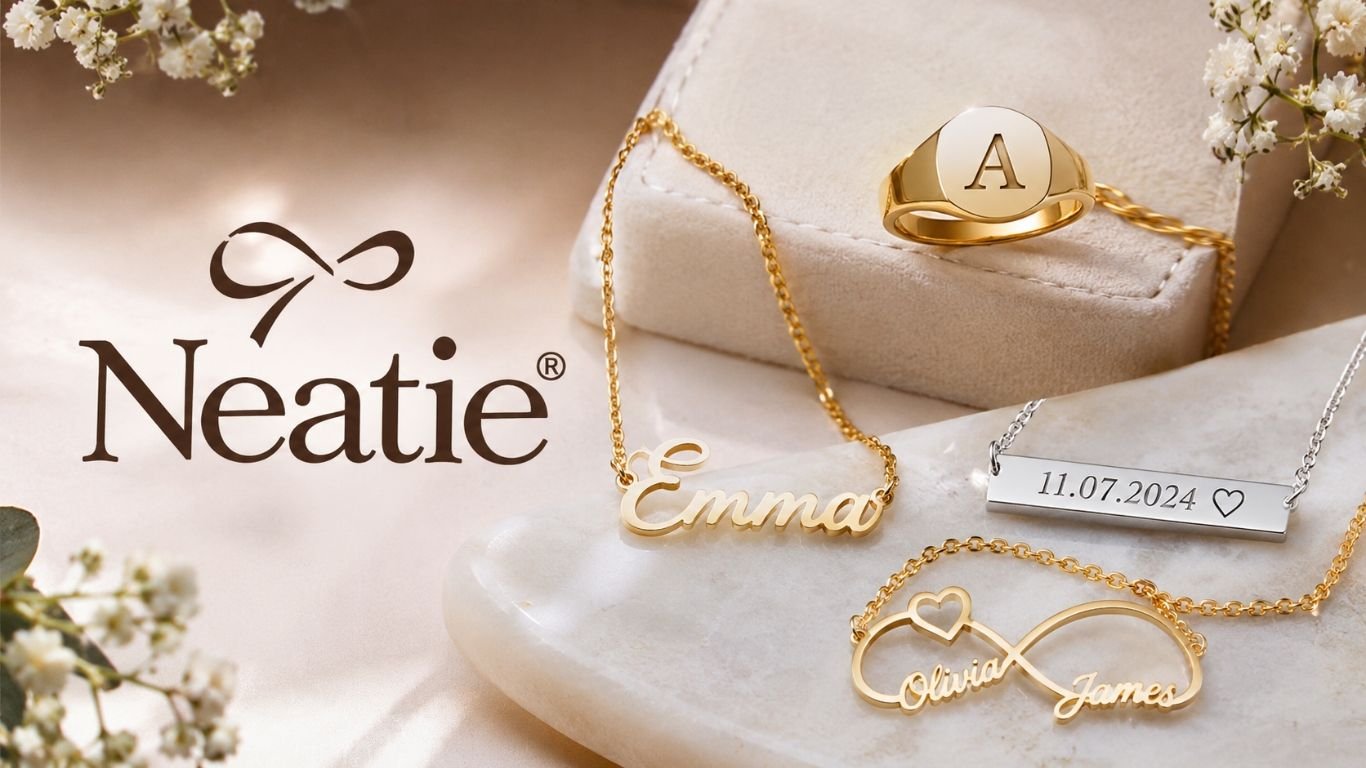
Neatie is an online jewelry brand that sells custom name necklaces, rings, and handmade keepsakes. Its products include jewelry with names, initials, drawings, and other personal details. The store also offers family jewelry, memorial pieces, and gifts for special events.
The brand makes each custom piece after a customer places an order. It also offers free worldwide shipping and online order tracking. This guide covers its jewelry collections, design options, prices, ordering steps, delivery, and shopping tips.
Neatie Jewelry Collections and Products
The store sells many types of personalized jewelry. Name necklaces are among its main products. These necklaces show a person’s name in different letter styles. Some use simple text, while others have curved or decorative letters.
Personalized rings are also available. These include rings with initials, engraved text, and custom designs. The brand offers gold-plated initial signet rings. A signet ring has a flat or raised top that holds a letter or symbol.
Other products include bar necklaces, heart designs, puzzle pieces, and dog tags. The store also offers family and memorial jewelry. Buyers can choose designs based on the person or event they want to remember.
How Neatie Personalized Jewelry Works?
Customers start by choosing a jewelry design from the website. They then add the details needed for that product. These may include a name, initials, a date, or a short message. The choices depend on the item.
Some products allow more detailed designs. The store offers jewelry made from drawings, fingerprints, and handprints. Buyers may need to send an image or other details for these items. They should follow the steps shown on the product page.
The brand also offers design help and custom changes. However, not every product has the same options. Buyers should check the text limit, design choices, and other rules before placing an order.
Popular Neatie Name Necklaces and Rings
Name necklaces are one of the brand’s main products. These pieces turn a name into a necklace design. Some use a classic nameplate style. Others have curved letters or decorative text.
Monogram necklaces are another choice. A monogram uses one or more initials to form a design. The store offers simple styles and swirl designs with curved lines. These necklaces can be made with personal initials.
The ring collection includes initial rings and signet styles. Some have gold-plated finishes. Buyers should check the material, ring size, and design options before ordering. Choosing the right size is important for a good fit.
Unique Neatie Jewelry Designs and Keepsakes
The store offers jewelry made from personal drawings, handprints, and fingerprints. These designs can help people keep special memories. For example, a child’s drawing can be used to create a piece of jewelry.
Family jewelry is another option. Some designs use hearts, infinity symbols, or linked shapes. These may include names or other personal details. Memorial pieces can also feature a message, image, or symbol linked to a loved one.
Other designs include puzzle pieces, dog tags, and geometric shapes. Bar necklaces offer space for short text. Map-inspired designs are also part of the collection. Each style gives buyers a different way to create a personal piece.
Materials, Craftsmanship, and Jewelry Quality
The brand describes its jewelry as handmade and made to order. Workers create each piece using the details sent by the buyer. The work may include shaping, engraving, finishing, or adding stones. The steps depend on the design.
Some products have gold-plated finishes. Gold plating means a thin layer of gold covers another metal. It is different from solid gold. Buyers should read the product details to learn what materials are used.
Jewelry care is also important. Plated pieces should be kept away from harsh cleaning products and long contact with water. A soft cloth can help clean the surface. Buyers should follow the care advice given for their item.
How to Order Custom Jewelry From Neatie?
Customers can visit neatie.com to browse the jewelry collections. They can choose a necklace, ring, or another product. Each product page shows the available design options. Buyers should check the material, size, and other details.
The next step is to enter the custom information. This may include a name, initials, or a short message. Buyers should check the spelling before placing the order. A mistake in the text may appear on the finished jewelry.
After adding the details, customers can review their order. They should check the product, quantity, price, and shipping address. Once payment is complete, they should save the order confirmation for tracking and support.
Neatie Prices, Customization Costs, and Discounts
Jewelry prices depend on the product and design. A simple name necklace may cost less than a piece with stones or detailed custom work. Materials, finishes, and design choices can also affect the price.
The brand advertises free engraving and some custom design services. Promotional information also mentions free stone placement and design changes. However, these offers may not apply to every product. Buyers should check the final price before paying.
The store may also offer discounts and special deals. Customers can check the website for current offers. They should review the full cost at checkout and make sure the item has the right size, material, and design.
Neatie Shipping, Delivery, and Order Tracking
The store advertises free worldwide shipping. It also offers online package tracking. Customers can use tracking details to follow their orders after they are sent.
Custom jewelry needs time to make before shipping. Production time is the time spent making the item. Shipping time is the time needed to deliver it. Buyers should check both when ordering a gift for a certain date.
International orders may face customs checks or delivery delays. Some countries may also charge import taxes. Free shipping does not always cover these costs. Buyers should review the shipping policy before ordering.
Neatie Returns, Refunds, and Customer Support
Return rules can be different for custom jewelry. These products are made using details chosen by one buyer. Customers should read the store’s return and refund policy before placing an order.
If an item arrives damaged or does not match the order, buyers should contact support. Clear photos and order details can help explain the issue. Customers should also keep their order confirmation and any design messages.
The website is the main place to find support details and store policies. Buyers should check how to report a problem and whether any time limits apply. Refunds, repairs, and replacements depend on the store’s terms.
Is Neatie Legit and Safe to Buy From?
Neatie has an online store at neatie.com and a public social media presence. It sells custom jewelry and advertises worldwide delivery. However, a website alone does not prove that every order will meet a buyer’s needs.
Shoppers should read recent customer reviews before buying. Reviews with product photos and clear order details can be helpful. Buyers should look for feedback about jewelry quality, shipping, and customer support. It is best to check more than one review source.
Payment safety is also important. Customers should use a secure checkout page and trusted payment methods. They should avoid unknown payment links. Reading the return policy and saving order records can also help if a problem occurs.
Who Should Buy Neatie Personalized Jewelry?
The store may suit people looking for custom jewelry gifts. Name necklaces and initial rings can be given for birthdays, weddings, and anniversaries. Buyers can choose a design based on the person’s style.
Family jewelry may appeal to parents, grandparents, and other relatives. Some pieces can include family names or linked symbols. Memorial jewelry can also hold a drawing, handprint, or other personal detail.
The store may also suit buyers who want jewelry made to their own design. However, custom pieces take time to make. People who need a gift quickly should check the production and delivery times before ordering.
Bottom Line
Neatie is an online store that sells custom necklaces, rings, and keepsakes. Its products include name jewelry, monograms, family designs, and pieces made from drawings or prints. The brand makes custom jewelry after an order is placed.
Customers can choose from different styles and add personal details. The store also advertises free worldwide shipping and order tracking. Buyers should check the materials, sizes, prices, and delivery terms before paying.
Personalized jewelry can be a useful gift for birthdays, anniversaries, and family events. Reading recent reviews and checking the return policy can help buyers decide if the store meets their needs.
FAQs
What is Neatie known for?
Neatie is known for custom name necklaces, personalized rings, and handmade jewelry with names, initials, and personal designs.
Does Neatie offer custom name necklaces?
Yes, the store offers nameplate necklaces, monogram designs, and necklaces with custom text.
Is Neatie jewelry handmade?
The brand states that its custom jewelry is handmade after customers place their orders.
Does Neatie provide free worldwide shipping?
Yes, the store advertises free worldwide shipping and online order tracking under its current shipping terms.
Can customers return personalized jewelry?
Returns depend on the store’s policy, so buyers should check the rules for custom jewelry before ordering.
Read Also: WhatsOnTech.co.uk: Technology News, Business Tools, and Online Guides

Pool Maintenance: The Hidden Business Costs of Neglecting Your Facility

Prevention Cloud: A Complete Guide to Workplace Wellness and Cloud Security

Neatie: Personalized Jewelry, Custom Necklaces, and Complete Buying Guide
Who Is Gale Burnick? The Story Of George R. R. Martin’s Ex Wife

Who Is Hermann Nicoli? The Full Story Of Candice Swanepoel’s Former Fiancé

Who Is Alicia Dove? The Life Story Of Corey Taylor’s Wife
-
Celebrity4 months ago
Who Is Gale Burnick? The Story Of George R. R. Martin’s Ex Wife
-
 Celebrity4 months ago
Who Is Hermann Nicoli? The Full Story Of Candice Swanepoel’s Former Fiancé
-
 Celebrity4 months ago
Who Is Alicia Dove? The Life Story Of Corey Taylor’s Wife
-

 Celebrity4 months ago
Meet Carole Rogers: Everything to Know About Kenny Rogers’ Daughter
-

 Celebrity4 months ago
Who Is Anna Hillinger? The Full Life Story Of Mike Shinoda’s Wife
-

 Celebrity4 months ago
Who Is Sydney Davis? The Full Story Of Billy Bush’s Ex Wife
-

 Celebrity4 months ago
Who Is Demacio Castellon? Life Story Of Nelly Furtado’s Ex Husband
-

 Blog2 months ago
What Is Sosoactive? A Complete Guide to the Digital Platform