
Health
A More Natural Look: What to Know Before Your First Botox Treatment


Botox is often described as either a miracle wrinkle fix or a shortcut to an expressionless face. The truth is more measured: it is a medical treatment with specific uses, temporary effects, and risks worth understanding before an appointment. In the United States, 9.9 million neuromodulator injections were reported in 2024, underscoring the importance of informed decisions. If you are considering treatment in Irvine, start by learning what the injections can realistically change and how to choose a qualified provider.
Botox Works by Relaxing Targeted Muscles
Botox is a brand name for onabotulinumtoxinA, one formulation of botulinum toxin type A. In small, controlled doses, it temporarily reduces signals that tell selected muscles to contract. This can soften dynamic wrinkles: lines that form when you frown, squint, or raise your eyebrows.
It does not work like a dermal filler. Rather than adding volume beneath the skin, it reduces the repeated muscle movement that creates certain lines. Wrinkles visible when the face is relaxed may respond less fully and can require a different approach. A qualified clinician should assess facial movement, muscle strength, skin quality, and medical history before recommending treatment.
Small Treatment Areas Require Careful Planning
Common cosmetic treatment areas include forehead lines, frown lines between the eyebrows, and crow’s feet beside the eyes. These areas can respond well when injections are planned for the individual rather than applied according to a standard pattern.
A few millimeters can influence brow position and expression. Muscle strength, natural asymmetry, and eyelid or brow shape all affect the plan. During a consultation, the injector should observe your face at rest and while you speak, smile, and make expressions.
A Good Consultation Is More Than a Before-and-After Gallery
A thoughtful, individualized consultation should cover your medical history, prior cosmetic procedures, allergies, medications, pregnancy or breastfeeding, and any neuromuscular conditions. Explain what concerns you and whether you prefer subtle softening or a more noticeable change.
If you’re exploring options for Botox Irvine, CA, has plenty to consider. When comparing providers, look beyond promotional offers and before-and-after photos to understand their qualifications, approach to treatment, and commitment to patient safety.
A thorough consultation and personalized treatment plan should always take priority over rushed promises.
Results Take Time, Even When the Appointment Is Brief
The injections themselves usually take only a few minutes once the plan is settled. Most people describe the sensation as a brief pinch, and many return to ordinary activities the same day. However, results are not immediate. Changes may begin within several days, with the full effect often clearer around 10 to 14 days.
Scheduling too close to a wedding, interview, or celebration leaves little time to assess the result or discuss concerns with your provider. Ask when to expect changes and when a follow-up assessment would be appropriate.
Natural Results Depend on Restraint and Anatomy
People who want Botox that does not look obvious usually want to appear rested while keeping normal expression. That depends on the treatment plan, dosing, and understanding of facial anatomy. Too much product can restrict movement more than intended; too little may not address the concern evenly.
Forehead treatment requires particular care because brow position and eyelid heaviness can affect the result. Existing asymmetry, hooded eyelids, and the way a person uses forehead muscles should be considered before treatment. Careful, individualized assessment and realistic expectations can reduce avoidable surprises.
Understand the Risks Before You Decide
Temporary redness, tenderness, swelling, or bruising can occur at injection sites. Headache, uneven results, or eyelid or brow drooping may also occur. Serious reactions are uncommon but possible. Seek urgent medical care if you experience difficulty breathing or swallowing, slurred speech, or widespread muscle weakness after an injection.
For safety, review the CDC’s guidance on botulinum toxin injections, including advice to use a properly licensed, trained provider and ask whether the product comes from an authorized source. Avoid injections from unlicensed individuals, informal settings, or products bought online. Tell your clinician about relevant medical conditions and medicines before treatment.
Think About Maintenance and Total Cost
Cosmetic results commonly last about three to four months, although duration varies by person, product, dose, and treatment area. Botox is not permanent, so maintaining the effect usually means planning for repeat visits and recurring costs.
Ask what the estimate includes, how dosing is determined, whether follow-up is available, and who will perform the injections. A discount is not worthwhile if the provider cannot explain the plan, the product source, or the safeguards in place. Be cautious of pressure to purchase more treatment than you want.
Botox Is One Option, Not a Complete Skin Plan
Botox can help with selected expression lines, but it does not replace sun protection, skincare, or treatments designed for pigmentation, texture, acne scarring, or volume loss. If your main concern is a deep line visible at rest or uneven skin tone, injections may address only part of the issue.
The American Academy of Dermatology’s overview of botulinum toxin therapy explains common uses, expected timing, and how long results may last. Use reliable information to prepare questions, then discuss your individual goals with a qualified clinician rather than relying on social media claims.
Make the Decision With Clear Expectations
Before agreeing to treatment, ask which muscles will be treated, why the proposed dose suits you, when results should peak, what side effects to watch for, and how to reach the provider with concerns. You should feel comfortable pausing or declining if your questions are not answered.
The best first appointment is not the one that promises a flawless face. It is the one that gives you realistic information, respects your preferences, and prioritizes safety. Treat Botox as a medical decision with aesthetic goals, and you will be better prepared to decide whether it fits your needs.
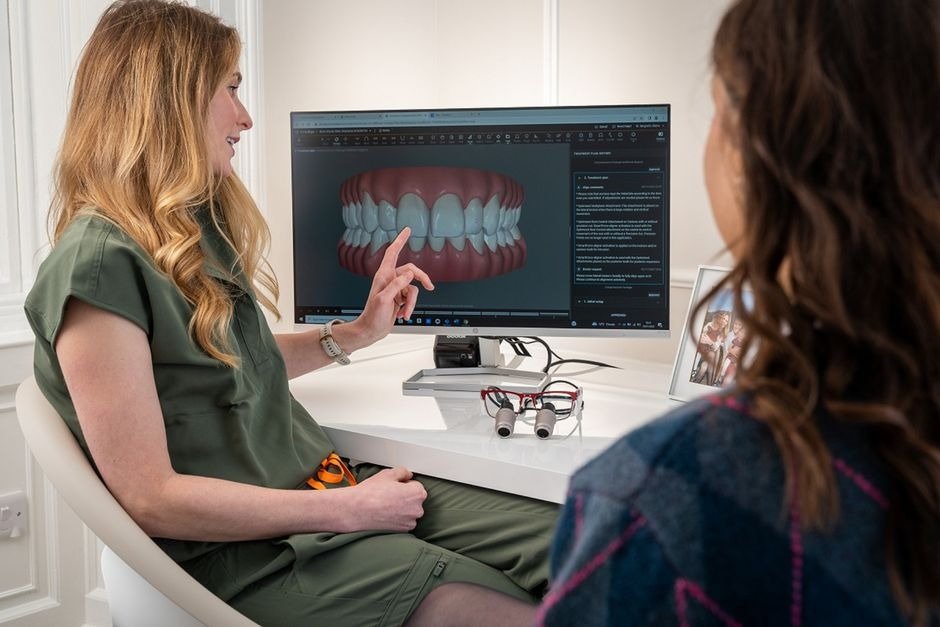
When people consider braces or clear aligners, the first thing they often imagine is a straighter, more attractive smile. While appearance is an important benefit, orthodontic treatment can also influence eating habits, oral hygiene, comfort, and confidence. In Canal Winchester, where the population reached an estimated 10,058 residents in July 2025, growing families and busy professionals have plenty of reasons to consider how dental care fits into everyday routines. Understanding these practical changes can help you approach treatment with realistic expectations and a clearer sense of its long-term value.
A Better Bite Changes How You Eat
Straight teeth are noticeable, but the way your upper and lower teeth meet can be equally important. When a bite is misaligned, chewing may feel uneven, certain foods can become uncomfortable, and individual teeth may experience excessive pressure.
Over time, an uneven bite can contribute to tooth wear, chipped enamel, and jaw discomfort. Some people also develop habits such as chewing predominantly on one side without realizing it. Orthodontic treatment can help correct alignment and bite problems, although the benefits depend on the individual’s condition and treatment plan.
For families exploring their options, finding the best orthodontist in Canal Winchester can be an important step toward understanding which approach may improve both dental function and appearance.
The goal is not simply to create evenly spaced teeth. It is to help the teeth work together comfortably while supporting healthy oral function. A professional assessment can identify problems that may not be obvious when looking at a smile in the mirror.
Everyday Habits Change From the First Week
Starting orthodontic treatment often means making small adjustments to familiar routines. Meals may require more thought, brushing can take longer, and snacks that once seemed harmless may become less convenient.
Traditional braces require extra care around brackets and wires. Hard foods can damage appliances, while sticky sweets may become difficult to remove. Cutting firmer foods into smaller pieces and choosing softer meals when teeth feel tender can make the adjustment easier.
Clear aligners bring a different set of responsibilities. They are removable, but they must be worn according to the prescribed schedule to achieve the intended movement. Removing them for meals is convenient, yet remembering to clean your teeth before reinserting them requires consistency.
Oral Hygiene Becomes More Important
Keeping teeth clean requires additional attention during orthodontic treatment. Brackets and wires create spaces where food particles and plaque can collect, increasing the importance of thorough brushing and cleaning between teeth.
Patients with braces may benefit from interdental brushes or floss threaders to reach difficult areas. Those using aligners should clean their teeth before putting their trays back in and follow their provider’s instructions for cleaning the appliances themselves.
A useful resource on cleaning teeth with braces explains practical techniques for managing this routine. Developing effective habits early can make daily care easier and help protect the teeth and gums throughout treatment.
Regular dental checkups remain important, too. Orthodontic appointments monitor tooth movement, while routine dental visits help identify cavities, gum inflammation, or other concerns that may develop during treatment.
Timing Can Make a Difference
Orthodontic treatment is not limited to teenagers. Children, adolescents, and adults can all benefit from an evaluation when alignment or bite concerns arise. However, the ideal timing depends on the individual’s dental development and specific needs.
For children, an early assessment can help identify crowding, crossbites, impacted teeth, or concerns involving jaw development. An evaluation does not automatically mean treatment must begin immediately. In some cases, monitoring growth and waiting for the appropriate stage is the most suitable approach.
Teenagers may need to balance appointments with school, sports, and social activities. Adults might consider work commitments, travel, or upcoming personal milestones. These practical factors can influence which treatment method feels manageable.
Modern Treatment Offers Greater Precision
Orthodontics has evolved considerably, with digital scans, imaging, and computer-assisted planning helping professionals assess tooth positions and map proposed movements.
These tools can support treatment planning and progress monitoring, but technology does not eliminate every challenge. Teeth move gradually through the supporting bone, and temporary soreness can occur after adjustments or when switching to a new aligner.
The experience also varies between individuals. Some people adapt quickly, while others need more time to become comfortable with their appliances. The complexity of the case, the chosen method, and adherence to instructions all influence the overall experience.
Rather than expecting a completely effortless process, patients should look for a treatment plan that balances clinical needs with everyday practicality.
The Right Plan Should Fit Your Lifestyle
Two people with similar-looking teeth may need different approaches. A student participating in contact sports, for example, may require specific advice about mouthguards. Someone who travels frequently might prioritize appointment scheduling, while another person may prefer a treatment option that can be removed for meals.
These considerations deserve attention alongside clinical recommendations. Patients should understand the expected appointment frequency, how to handle a damaged appliance, and what happens if progress takes longer than anticipated.
Financial planning matters as well. Before starting, ask about the total estimated cost, payment arrangements, insurance coverage where applicable, and whether retainers are included. Clarifying these details helps you compare options without focusing exclusively on the initial price.
Good communication also makes it easier to raise concerns about discomfort, changes in routine, or difficulties following instructions. Treatment is a shared process, and informed patients are better equipped to participate in decisions about their care.
Retainers Protect the Progress You Make
Completing braces or aligner treatment can feel like reaching the finish line. However, the teeth can shift after active treatment, which is why retention is an essential part of maintaining the results.
Retainers help hold teeth in their corrected positions while the surrounding tissues adapt. Depending on the case, an orthodontic professional may recommend removable retainers, a fixed retainer, or a combination of approaches.
The instructions vary, so patients should follow their individual retention plan rather than assuming occasional use is sufficient. Removable retainers also need proper cleaning and safe storage to prevent damage or loss.
It is easy to overlook retention once appointments become less frequent. Establishing a consistent routine helps protect the progress achieved during treatment and reduces the risk of unwanted movement.
A Healthier Smile Is About More Than Appearance
A straighter smile can improve confidence during conversations, photographs, and professional interactions. Yet the value of orthodontic care extends beyond aesthetics when treatment addresses genuine functional problems.
Improved alignment may make some areas easier to clean, while correcting certain bite problems can help distribute chewing forces more appropriately. The actual benefits depend on the starting condition, oral health, and treatment outcome; straight teeth alone do not guarantee freedom from dental problems.
The most useful approach is to consider how orthodontic treatment could improve your particular circumstances. Ask questions, understand the commitment, and weigh the likely benefits against the time, cost, and maintenance involved.
Ultimately, orthodontics is a process that reaches into everyday life, from the foods you choose to the habits you build. With realistic expectations, professional guidance, and consistent care, treatment can become a manageable step toward a healthier, more comfortable smile.
Health
Understanding the Differences Between Natural Aging, Premature Skin Damage, and Treatable Cosmetic Concerns
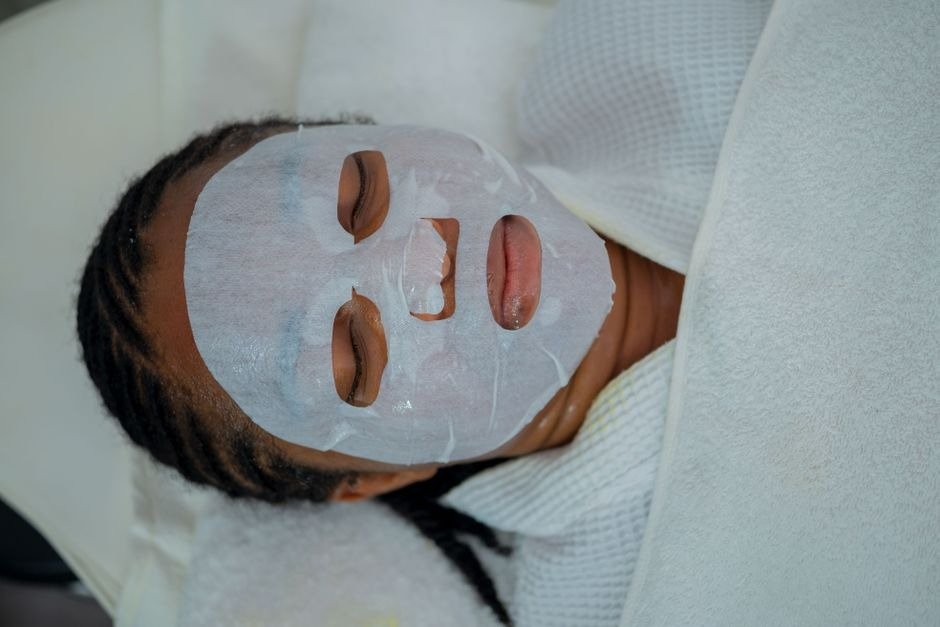
Every face changes over time, yet not every change comes from the same cause. Some shifts arrive quietly with the passing years, while others appear early because of sun exposure, stress, or daily habits that wear down the complexion faster than expected. A third group sits somewhere in between, made up of concerns that can be softened or improved with the right care.
People in Beverly Hills, like people everywhere, often notice a new line or a change along the jaw and wonder which of these groups it belongs to. Knowing the difference makes it far easier to respond calmly, set realistic goals, and choose care that actually suits the face in the mirror.
When the Lower Face Starts to Change
Many people first notice the passing years around the jaw, the chin, and the neck rather than around the eyes. As the skin loses some of its natural firmness, the jawline can soften, and early jowls may begin to form along the lower face. Clinical tightening care uses gentle, targeted heat to encourage firmer support beneath the surface without the need for surgery.
If you want to learn more about skin tightening Beverly Hills has practitioners who can explain which approach suits the changes you are noticing and what kind of progress feels realistic. A clear conversation at this early stage helps you understand your options before deciding anything.
What Natural Aging Really Looks Like
Natural aging is the slow, steady process that happens to everyone, regardless of how carefully they live. Over many years, the body makes less of the proteins that keep the face full and springy. The result is a gradual softening of contours, a little more looseness around the neck, and fine lines that settle in where the face moves most, such as around the eyes and across the forehead.
These changes tend to appear evenly on both sides of the face and develop at a gentle pace. They are influenced by genetics, which is why some families keep a smooth complexion well into later life while others see lines appear sooner.
Signs That Point to Premature Damage
Premature damage looks different because it arrives earlier than expected and often appears unevenly. The most common cause is long-term sun exposure without protection. Over time, the sun can leave behind dark spots, a rough or leathery texture, broken surface vessels, and deep creases that seem out of step with a person’s age.
Other habits play a part as well. Smoking reduces blood flow to the face and can leave the complexion dull and gray. Poor sleep, heavy stress, and a diet low in fresh foods can also make the face look tired and older than it is.
Why Lifestyle Plays Such a Large Role
Daily choices shape how the face ages far more than many people realize. Small, repeated habits add up across years, for better or worse. Someone who protects their face from strong sunlight, drinks enough water, and gets steady rest gives the body a better chance to repair itself each night.
On the other hand, regular sunburns, frequent tanning, and constant late nights put extra strain on the body’s natural repair work. The encouraging part is that it is never too late to improve these habits. Even after damage has appeared, better routines can slow further changes and help any professional care last longer.
Concerns That Respond Well to Care
Some cosmetic concerns sit in a middle ground. They are neither purely natural nor entirely the result of damage, and they often respond well to the right attention. Examples include mild sagging, uneven texture, old acne marks, fine lines around the eyes, and patches of uneven color.
These concerns share one useful trait: they usually affect the outer layers or the supporting structure in ways that modern care can gently improve. The goal is rarely to erase every sign of life from a face. Instead, it is to restore a fresher, more even appearance that still looks like the same person.
How to Tell the Difference at Home
A few simple observations can help you sort one concern from another before speaking with anyone. Start by looking at where the change appears. Even gentle changes spread across the whole face usually point toward natural aging. Patchy color, rough texture, or lines in sun-exposed areas lean toward premature damage.
Next, think about timing. A change that appeared slowly over many years is likely part of normal aging, while one that showed up quickly or seems advanced for your age may have another cause. Finally, compare both sides of your face in natural daylight. Uneven changes often have an outside cause, while balanced changes tend to follow the body’s natural clock.
Building a Protective Daily Routine
Whatever the cause of a concern, a steady routine helps protect the progress you make. Daily sun protection is the most valuable habit of all, even on cloudy days and during short trips outdoors. A broad-brimmed hat and sunglasses add extra shade for the face and the delicate area around the eyes.
Gentle cleansing, a simple moisturizer, and plenty of water keep the complexion comfortable and calm. A plain routine followed every day usually outperforms a complicated one followed now and then.
Setting Realistic Expectations for Results
Understanding what care can and cannot do helps protect both your budget and your peace of mind. Natural aging can be softened and slowed, but it cannot be stopped. Premature damage can often be improved a great deal, especially when protective habits change at the same time. Concerns in the middle ground tend to respond steadily, with gradual progress across several weeks.
Patience is part of the process. The body repairs itself on its own schedule, and the most natural-looking outcomes usually come from steady, measured steps rather than dramatic changes all at once. Clear goals make every choice feel confident and less stressful.
Health
Understanding the Connection Between Immune System Responses and Common Chronic Health Conditions

The immune system works quietly in the background for most of our lives, guarding the body against germs, healing small injuries, and clearing away damaged cells. Yet the way this defense network behaves over months and years has a major influence on long-term health.
For people in Los Angeles, where warm weather, busy roads, and plant life are part of daily living, understanding these responses can make a real difference. When the body’s defenses become too active, too weak, or simply confused, the result can be a chronic condition that shapes daily comfort, energy, and quality of life.
When Everyday Reactions Start to Shape Long-Term Health
Many people put up with sneezing, itchy eyes, and a blocked nose for years, assuming these problems are a normal part of life. For a person with an allergy, the immune system confuses harmless substances such as pollen, dust, or pet dander with threats, and this constant reaction can wear down the body over time.
Proper treatment helps calm this response by finding the exact triggers and building a plan around them. If you are also looking for a professional to help you with allergy treatment Los Angeles has specialists who can help identify what sets off your symptoms and guide you toward lasting relief. Taking that step early often prevents mild discomfort from growing into a more serious long-term concern.
What the Immune System Does on an Ordinary Day
The immune system is not a single organ. It is a network that includes white blood cells, the lymph nodes, the spleen, bone marrow, and the lining of the gut, nose, and lungs. Each part has its own job, and they communicate constantly through tiny chemical signals.
When a germ enters the body, the first line of defense reacts within minutes. Swelling, warmth, and redness appear as the body sends more blood and defensive cells to the area. This is called inflammation, and in short bursts it is helpful. It isolates the problem, fights the invader, and starts the repair process.
A second, slower layer of defense learns to recognize specific threats. The body keeps a record of what it has fought before and responds faster the next time.
Why Inflammation Sometimes Refuses to Settle
Short-term inflammation is a sign of a healthy body doing its work. Problems begin when the inflammation does not switch off after the threat has passed. Instead of calming down, the body keeps sending defensive signals, and those signals slowly begin to damage healthy tissue.
This lingering state is linked to many common chronic conditions. Heart disease, type 2 diabetes, joint pain, and some digestive disorders are all connected to long-running inflammation.
Several factors can keep inflammation running. Poor sleep, ongoing stress, smoking, a diet high in processed food, and carrying extra weight all add pressure to the immune system. Over time, the body loses its ability to return to a calm, balanced state.
How Breathing and Skin Conditions Are Linked to Immune Activity
Some of the most familiar chronic conditions involve the airways and the skin. Asthma, for example, happens when the airways become swollen and overly sensitive. Cold air, smoke, exercise, or a viral infection can cause the muscles around the airways to tighten, making breathing difficult.
Eczema follows a similar pattern on the skin. The protective outer layer becomes weak, which lets irritants pass through more easily. The immune system reacts, the skin becomes red and itchy, and scratching damages the barrier even further. Many people with eczema also develop asthma or hay fever, which shows how closely these conditions are connected.
Long-lasting sinus problems belong to this group as well. When the lining of the nose and sinuses stays swollen, mucus cannot drain properly. This leads to pressure, headaches, a reduced sense of smell, and repeated infections that are hard to clear.
When the Body Mistakes Its Own Cells for a Threat
Autoimmune conditions occur when the immune system loses its ability to tell the difference between harmful invaders and the body’s own healthy cells. Instead of protecting, it attacks.
Rheumatoid arthritis affects the joints, causing pain, swelling, and stiffness. Type 1 diabetes develops when the immune system destroys the cells that produce insulin. Celiac disease causes the body to react strongly against gluten, damaging the lining of the small intestine.
Researchers continue to study why these conditions develop. Genes play a role, but so do infections, hormones, and environmental exposures.
The Role of Sleep, Stress, and Diet in Immune Balance
Daily habits have a strong influence on how well the immune system performs. Sleep is one of the most important factors. During deep rest, the body repairs tissue and produces proteins that help control inflammation. People who sleep poorly for long periods often catch more colds and recover more slowly.
Stress has a similar effect. Short bursts of stress are manageable, but constant pressure keeps stress hormones high. Over time, these hormones weaken the body’s ability to regulate inflammation, which can make chronic conditions worse.
Food matters too. Meals built around vegetables, fruit, whole grains, beans, nuts, and oily fish give the body the nutrients it needs to stay balanced. The gut is home to a large share of the immune system, so fiber-rich foods that support healthy gut bacteria can have a wide effect on overall health.
Simple Habits That Support a Calmer Immune Response
Small, steady changes often have the greatest long-term impact. Keeping a regular sleep schedule, staying active most days of the week, and spending time outdoors all help the body maintain balance.
Keeping indoor spaces clean also helps. Washing bedding often, using a vacuum with a good filter, and reducing indoor dampness lowers exposure to common irritants.
Paying attention to patterns is just as useful. Keeping a simple diary of symptoms, meals, sleep, and stress levels can reveal links that are easy to miss in everyday life. Sharing these notes with a doctor helps create a clearer picture of what is happening inside the body.

Pool Maintenance: The Hidden Business Costs of Neglecting Your Facility

Prevention Cloud: A Complete Guide to Workplace Wellness and Cloud Security

Neatie: Personalized Jewelry, Custom Necklaces, and Complete Buying Guide
Who Is Gale Burnick? The Story Of George R. R. Martin’s Ex Wife

Who Is Hermann Nicoli? The Full Story Of Candice Swanepoel’s Former Fiancé

Who Is Alicia Dove? The Life Story Of Corey Taylor’s Wife
-
Celebrity4 months ago
Who Is Gale Burnick? The Story Of George R. R. Martin’s Ex Wife
-
 Celebrity4 months ago
Who Is Hermann Nicoli? The Full Story Of Candice Swanepoel’s Former Fiancé
-
 Celebrity4 months ago
Who Is Alicia Dove? The Life Story Of Corey Taylor’s Wife
-

 Celebrity4 months ago
Meet Carole Rogers: Everything to Know About Kenny Rogers’ Daughter
-

 Celebrity4 months ago
Who Is Anna Hillinger? The Full Life Story Of Mike Shinoda’s Wife
-

 Celebrity4 months ago
Who Is Sydney Davis? The Full Story Of Billy Bush’s Ex Wife
-

 Celebrity4 months ago
Who Is Demacio Castellon? Life Story Of Nelly Furtado’s Ex Husband
-

 Blog2 months ago
What Is Sosoactive? A Complete Guide to the Digital Platform