
Blog
What Does Bi Ut Mean? A Simple Guide to This Rare Word


Bi Ut is an old word found in Indonesian and Malay dictionaries. Its correct spelling is biut, written as one word. It describes an illness that does not seem to heal or get better. Both languages give the word almost the same meaning, but it is now rare in daily speech.
The word is also part of older language studies. This article covers its meaning, dictionary definitions, history, examples, and differences from similar words used today.
Bi Ut Meaning in Indonesian and Malay
Bi Ut has almost the same meaning in Indonesian and Malay. Both dictionaries describe a sickness that does not seem to heal.
The Indonesian dictionary, Kamus Besar Bahasa Indonesia (KBBI), defines biut as “tidak mau sembuh-sembuh (tentang penyakit).” In English, this means an illness that does not seem to get better. KBBI marks the word as ark, meaning archaic or old.
The Malaysian dictionary, Kamus Dewan, lists the word under biut I. Its meaning is “tidak mahu sembuh-sembuh (penyakit).” The words mau and mahu both mean “want.” The two definitions express the same idea of an illness that will not heal.
The Origin and History of Bi Ut
Bi Ut comes from older Indonesian and Malay vocabulary. Both languages share many words and have a long history of close contact. This helps explain why the term appears in both dictionaries.
The exact origin of biut is not clear. The dictionary entries explain its meaning but do not give a date for its first use. They also do not say which language used it first.
The word describes an illness by its lack of recovery. It does not name the cause or type of sickness. This is the main meaning kept in both dictionaries.
How Bi Ut Was Used in Older Language?
Bi Ut describes an illness that continues without getting better. It is an adjective used to explain the state of a sickness. It does not tell us what caused the illness.
For example, the word could describe a fever or another sickness that does not heal. The focus is on the lack of recovery, not the type of disease.
The dictionary entries do not show how often people used this word in the past. They also do not name the books or places where it was most common. Its confirmed meaning is an illness that does not seem to get better.
Why Bi Ut Is an Archaic Word Today?
Bi Ut is marked as archaic in Indonesian dictionaries. An archaic word is an old term that people rarely use in daily speech. Such words may still appear in dictionaries and older books.
Modern Indonesian and Malay have more common words for long-lasting illness. Indonesian speakers use kronis, while Malay speakers use kronik. Other phrases can also describe a sickness that does not heal.
The exact reason biut became rare is not known. Languages change over time, and some words fall out of common use. Today, the term is mainly useful when reading or studying older language.
Bi Ut vs. Chronic Illness: What Is the Difference?
Bi Ut and chronic illness have similar meanings, but they are not the same. A chronic illness is a health problem that lasts a long time. Some chronic diseases can be controlled with medicine or other care.
The word biut focuses on an illness that does not seem to heal. It does not tell us how long the illness has lasted. It also does not say whether the person has received treatment.
For example, someone may have a chronic illness but feel well with medicine. The condition is still chronic. The word biut would not always fit because its main meaning is a lack of recovery.
Bi Ut and Its Meaning in Health Discussions
Bi Ut is an old language term, not a modern medical diagnosis. It describes an illness that does not seem to improve. It does not name a disease or explain what caused it.
People often describe sickness by how long it lasts. They may say that a cough will not go away or that a wound is slow to heal. These phrases describe the problem without naming its cause.
Doctors use more exact terms, such as acute, chronic, or recurring. These words help explain different types of health problems. The word biut does not give enough detail for a medical diagnosis.
Bi Ut vs. Biang-Biut: Key Differences
Bi Ut and biang-biut look similar, but they have different meanings. The word biut describes an illness that does not heal. The term biang-biut refers to twisting, bending, or uneven movement.
In Malay, biang-biut can describe something that moves or bends in an irregular way. It is related in meaning to words such as geliang-geliut, which describes twisting or wriggling movement.
The two terms should not be confused. One relates to sickness, while the other relates to movement or shape. The meaning depends on the full word and how it is used.
How to Use Bi Ut in a Sentence
Bi Ut is not common in modern speech, but simple examples can help explain its meaning. It is used to describe an illness that does not seem to heal.
Here are two Indonesian examples:
- Penyakit itu biut dan belum juga sembuh. — The illness has not improved and still has not healed.
- Dalam bahasa lama, penyakit yang tidak kunjung sembuh dapat disebut biut. — In older language, an illness that does not heal may be called biut.
These are sample sentences, not quotes from old books. They show how the word can describe a sickness. In modern Indonesian, people are more likely to say penyakit itu tidak kunjung sembuh, meaning the illness has still not healed.
The word does not name a disease. It only describes the state of an illness. Readers should use the full sentence to understand its meaning.
Modern Words Similar to Bi Ut
Several modern Indonesian and Malay words have meanings close to Bi Ut. In Indonesian, kronis describes a long-lasting health condition. The Malay word kronik has a similar meaning.
Another term is berlarut-larut, which means something continues for a long time. It can describe an illness or another problem. The Indonesian phrase tidak kunjung sembuh means “still not healed.” In Malay, tidak sembuh-sembuh has a similar meaning.
These words are not exact matches. Kronis and kronik describe how long an illness lasts. Berlarut-larut can describe many kinds of problems. Tidak kunjung sembuh is closer to the meaning of biut because it refers to an illness that has not healed.
Why Bi Ut Matters in Language and Culture?
Bi Ut shows how dictionaries keep old words from being lost. Some words are no longer common in speech but remain in written records. Dictionaries help readers understand these older terms.
The word also shows a simple way of describing illness. Instead of naming a disease, it focuses on the lack of recovery. This meaning is found in both Indonesian and Malay dictionaries.
KBBI and Kamus Dewan preserve the meaning of biut. Their entries help readers check its correct spelling and definition. This is useful when studying older Indonesian and Malay texts.
Final Thoughts
Bi Ut is an old Indonesian and Malay word that describes an illness that does not seem to heal. Its correct spelling is biut, and both KBBI and Kamus Dewan give it almost the same meaning.
The word is different from modern terms such as kronis and kronik. It is also not the same as biang-biut, which refers to twisting or uneven movement. Today, biut is mainly useful for understanding older words and their meanings.
FAQs
What does Bi Ut mean in English?
It means an illness that does not seem to heal, improve, or go away.
Is Bi Ut an Indonesian or Malay word?
The word biut appears in both Indonesian and Malay dictionaries with almost the same meaning.
Is Bi Ut still used today?
It is an archaic word and is rarely used in modern daily speech.
What is the difference between Bi Ut and biang-biut?
Biut describes an illness that does not heal, while biang-biut refers to twisting or uneven movement.
Is Bi Ut the same as a chronic disease?
No. A chronic disease lasts a long time, while biut describes an illness that does not seem to get better.
Read Also: Allysplay.com: A Complete Guide to the Gaming Content Hub


A swimming pool is more than an attractive amenity. For hotels, apartment communities, fitness clubs, and event venues, it influences guest impressions, tenant satisfaction, daily operations, and the property’s overall reputation. A clean, properly maintained pool communicates attention to detail. Cloudy water, neglected surfaces, or malfunctioning equipment can create the opposite impression almost immediately.
The financial consequences are not always obvious at first. Poor maintenance can increase operating expenses, shorten equipment life, create health and safety concerns, and disrupt services when customers expect them most. Understanding these hidden costs helps property operators protect both their facilities and their business reputation.
Your Pool Is Part of Your Brand
Guests may initially choose a hotel for its location, price, or rooms, but shared amenities still influence their overall experience. A pool is particularly noticeable because its condition is difficult to hide. Cloudy water, stained tiles, debris, or damaged surroundings can make visitors question the property’s cleanliness standards.
The same applies to apartment communities and fitness clubs. Prospective tenants and members often assess shared facilities before making a commitment. An attractive pool can strengthen the impression of a well-managed property, while visible neglect may undermine confidence.
Online reviews can extend that impression beyond the facility itself. A complaint about an unclean pool may influence potential customers who compare several properties before booking or signing a lease.
Maintaining the pool is therefore part of maintaining the brand. Its condition should reflect the same standards that the business promises through its other services.
Commercial Pools Require Consistent Oversight
A residential pool and a commercial pool may use similar equipment, but their operating demands are different. Hotels, gyms, and residential communities often experience higher swimmer numbers, longer operating hours, and more frequent changes in water quality.
That increased use places greater demands on circulation, filtration, sanitation, and cleaning routines. A maintenance approach designed for occasional residential use may not provide the consistency required by a busy public facility.
This is where a specialized commercial pool service becomes important. Depending on the property’s needs, professional maintenance may include scheduled water testing, chemical balancing, filter servicing, vacuuming, tile cleaning, equipment inspections, and timely repairs.
Deferred Maintenance Creates More Expensive Problems
Reducing maintenance expenditure can appear to be an easy way to control operating costs. However, postponing routine inspections and repairs often creates larger expenses later.
A poorly maintained filter can restrict circulation and place additional strain on equipment. Incorrect water chemistry can damage surfaces, contribute to corrosion, and affect components such as pumps, heaters, and chemical feeders. Small leaks can also go unnoticed until they cause water loss or damage surrounding structures.
The financial impact extends beyond the repair itself. Unexpected breakdowns may require emergency contractors, replacement parts, temporary closures, and additional staff coordination. If the pool is unavailable during a busy period, the disruption can affect the customer experience as well.
Preventive maintenance helps identify developing problems before they become major failures. Regular inspections, equipment servicing, and water testing are not unnecessary expenses. They are part of protecting a valuable property asset.
Water Quality Is a Health Responsibility
Clear water does not automatically mean a pool is safe. Proper sanitation depends on maintaining appropriate disinfectant levels, balanced chemistry, effective filtration, and consistent monitoring.
When disinfectant levels fall or water chemistry becomes unbalanced, germs may survive and spread. Poor pH control can also reduce sanitizer effectiveness and contribute to eye or skin irritation. A strong chemical smell is not necessarily evidence of better sanitation; it can be associated with chloramines and inadequate water management.
For commercial operators, these issues require more than occasional visual checks. Testing schedules, maintenance records, staff training, and clear procedures for responding to problems all matter.
The CDC’s guidance for operating and managing public pools outlines practical measures for operators, including routine water testing, equipment maintenance, recordkeeping, and trained staff. Businesses should also follow the pool regulations that apply in their own jurisdiction.
Poor Maintenance Consumes Staff Time
When pool maintenance lacks a clear process, the workload does not disappear. It shifts to employees who may already have other responsibilities.
Maintenance teams may spend hours responding to equipment problems. Front desk employees may handle complaints about closures or water conditions. Property managers may have to coordinate contractors, approve urgent repairs, and explain disruptions to residents or guests.
These interruptions create operational costs that are easy to overlook. Time spent repeatedly addressing preventable pool problems could otherwise go toward building maintenance, customer service, and other essential tasks.
A structured maintenance plan establishes responsibility, inspection frequency, documentation, and escalation procedures. It also gives managers a clearer picture of recurring problems and the resources needed to address them.
Off-Season Neglect Can Create Year-Round Costs
A pool may receive less attention when visitor numbers decline, but reduced use does not eliminate maintenance requirements. Water quality can deteriorate, debris can accumulate, and equipment problems can develop while the facility is quieter.
For properties that operate year-round, consistent monitoring remains important even when fewer people are swimming. Facilities that close seasonally also need appropriate procedures for preparing, protecting, and reopening their pools.
Planning ahead makes it easier to schedule repairs during quieter periods rather than dealing with unexpected failures when demand increases. It also helps operators budget for seasonal servicing, equipment replacement, and necessary upgrades.
Treat Pool Maintenance as Asset Management
Well-managed properties do not treat pool maintenance as a cosmetic task. They approach it as part of a broader asset-management strategy that supports safety, reputation, and operational reliability.
This means tracking recurring repairs, reviewing maintenance records, monitoring equipment performance, and adjusting service schedules to match actual usage. It also means investigating repeated problems instead of continually paying to address the same symptoms.
A pool that supports guest satisfaction, membership value, or tenant retention deserves a maintenance plan that reflects its importance to the business.
The Real Cost of Neglect Goes Beyond Repairs
One poorly maintained pool can create several problems at once: customer complaints, staff interruptions, equipment failures, and possible service closures. The resulting costs may appear across different budgets, making the full impact easy to underestimate.
Consistent maintenance helps prevent avoidable disruption while protecting the facility’s long-term condition. For businesses, the objective is not simply to keep the water looking clear. It is to provide a safe, dependable amenity that supports the property’s standards every day.
When pool care is planned and monitored properly, operators can spend less time reacting to problems and more time delivering the experience customers expect.

Prevention Cloud has two main uses in health technology and online security. PreventionCloud is a workplace wellness platform linked to Zomo Health. It helps employees track healthy habits, join health challenges, and earn rewards through company programs.
The term also refers to a cloud security method that stops risks before they cause harm. Both focus on prevention but serve different needs. One supports employee health, while the other protects online systems and business data from security threats.
How Does Prevention Cloud Work?
The wellness platform works through programs offered by employers. Employees can sign in to view health tasks, join challenges, and track their progress. These tasks may include fitness goals, health quizzes, and wellness lessons. Some programs also offer points or rewards.
For example, a company may start a walking challenge. Employees can track their daily steps and work toward a set goal. They may earn points when they complete the task. Each employer sets its own rules for rewards.
In cloud security, prevention works through safety rules. These rules check cloud settings and block unsafe changes. For example, a system may stop a storage folder from becoming public if it contains private files.
Prevention Cloud Wellness Platform by Zomo Health
PreventionCloud is linked to Zomo Health, a company that offers workplace wellness services. The platform helps employers manage health programs in one place. Employees can use it to join activities and follow their wellness goals.
The platform offers health assessments, fitness challenges, quizzes, and learning resources. Employees can track activities and complete tasks offered by their workplace. Some programs also give points for meeting health goals.
The features depend on the employer’s program. One company may offer walking challenges, while another may focus on health lessons. Employees can check their program details to see which activities and rewards are available.
Key Features of Prevention Cloud
The wellness platform offers tools for tracking health activities. Users can complete lifestyle assessments about their daily habits. These may cover exercise, sleep, and general health. The platform also provides quizzes and health lessons.
Employees can join wellness challenges and track their progress. Some programs offer points for completing tasks or reaching fitness goals. The rewards depend on the rules set by the employer.
The mobile app also supports step tracking through Google Health Connect. Its Google Play listing describes read-only access to step data. This allows the app to read approved step records without changing them in Health Connect.
Prevention Cloud Login and Account Access
Employees usually get access through their employer or wellness provider. The company may share login details or steps for creating an account. Users should follow these instructions and use only official login pages.
After signing in, employees can view their wellness activities. These may include health assessments, fitness challenges, activity records, and reward details. Some users can also access the program through the mobile app.
If login problems occur, users should check their email address and password. They can try the password reset option if one is available. For other issues, they should contact their employer’s wellness team or official support service.
Prevention Cloud Mobile App and Health Tracking
The PreventionCloud mobile app helps employees access wellness activities on their phones. It is available on Google Play for Android devices. Users can view supported activities and take part in workplace health programs.
The app supports Google Health Connect for step tracking. Users can allow it to read their step data. This may help record progress during walking challenges without entering every step count by hand.
Users should check app permissions before sharing health data. They should also read the privacy policy to learn what information the app collects and how it is used. Read-only step access does not mean the app collects no other data.
Prevention Cloud Rewards and Employee Wellness Programs
Employers can use the platform to offer rewards for wellness activities. Employees may earn points when they complete approved tasks. These programs can include fitness challenges, health lessons, and lifestyle assessments.
For example, an employee may earn points for finishing a quiz or meeting a walking goal. Some programs may offer rewards for joining other health activities. Each employer decides which tasks qualify.
Employees should read the reward rules before taking part. They need to know how points are earned, when rewards can be claimed, and whether any deadlines apply. Reward options can differ between companies.
Benefits of Prevention Cloud for Employees and Employers
The wellness platform helps employees track health activities in one place. They can view challenges, follow their progress, and complete wellness tasks. Health lessons and quizzes can also teach them about exercise and daily habits.
Employers can use the platform to manage workplace wellness programs. They may offer walking challenges, health lessons, or reward-based activities. This makes it easier to organize tasks and share program details with staff.
The results depend on how each program works. Employee interest, available activities, and reward rules can affect participation. A wellness platform does not guarantee better health or lower business costs.
What Is Prevention-First Cloud Security?
Prevention-first cloud security is a way to stop online risks before they cause problems. It is different from the PreventionCloud wellness platform. This method focuses on protecting cloud systems, files, and business data.
Cloud services store files and run online tools. Poor settings can leave private data open to others. For example, a company may create a storage bucket that anyone can access. A prevention control can block this unsafe setting before it goes live.
This method uses safety rules, automatic checks, and secure settings. These controls can review changes before they are made. Their goal is to reduce the chance of data leaks and other security problems.
How Prevention Cloud Security Protects Data?
Prevention-first security helps protect data by controlling access and system settings. Companies can create rules for cloud storage, user accounts, and online services. These rules can block changes that may put private information at risk.
For example, a company may require all cloud storage buckets to block public access. If someone tries to create an open bucket, the system can reject the request. Similar rules can stop users from getting more access than they need.
These controls cannot stop every threat. Stolen passwords, software flaws, and new attacks can still cause harm. Companies also need security updates, monitoring tools, backups, and plans for handling attacks.
Prevention-First vs. Detection-First Cloud Security
Prevention-first security tries to stop risks before they affect a system. Detection-first security looks for threats or unsafe settings that already exist or are taking place. Both help protect cloud services, but they work in different ways.
For example, a prevention control may stop a storage bucket from becoming public. A detection tool may find an open bucket and send an alert to the security team. The first blocks the unsafe change. The second helps the team find and fix the problem.
Both methods have limits. Prevention rules may miss some risks or block safe actions. Detection tools may find problems after they appear. Using both methods gives companies more ways to protect their systems.
Privacy, Security, and Limitations of Prevention Cloud
Privacy matters when employees use a wellness platform. The service may handle step counts, health assessment answers, and activity records. Users should know what data is collected, who can see it, and how it is used.
The mobile app reports read-only step access through Google Health Connect. This means it can read approved step data without changing those records. Users should still check the app’s full permissions and privacy policy. They should also avoid unofficial login pages.
Prevention-first cloud security also has limits. Its rules must be set up and updated with care. A missing rule can leave a system at risk. A poorly made rule can block normal work. Companies need to test their controls and review them often.
Final Thoughts
Prevention Cloud has two main meanings. PreventionCloud is a workplace wellness platform linked to Zomo Health. It helps employees join health challenges, track activities, and earn rewards through company programs. Its features include health assessments, quizzes, and step tracking.
In cloud security, prevention-first methods help stop unsafe changes before they cause harm. They use safety rules, access controls, and automatic checks. Both uses focus on prevention, but they serve different needs. Users should check official details, privacy rules, and security needs before using these services.
FAQs
What is Prevention Cloud used for?
It refers to a workplace wellness platform for health activities and rewards or a cloud security method that helps stop online risks.
Is PreventionCloud developed by Zomo Health?
PreventionCloud is linked to Zomo Health, a company that provides workplace wellness services.
Is the PreventionCloud app free to use?
Access depends on the employer’s wellness program, so users should check their company’s rules for any costs.
Does PreventionCloud connect with Google Health Connect?
Yes, its Google Play listing describes read-only access to step data through Google Health Connect.
What is the difference between Prevention Cloud and traditional cloud security?
Prevention-first security blocks unsafe actions early, while detection tools find threats or problems that already exist.
Read Also: FintechZoom.com: Financial News, Market Risks, and Islamic Finance
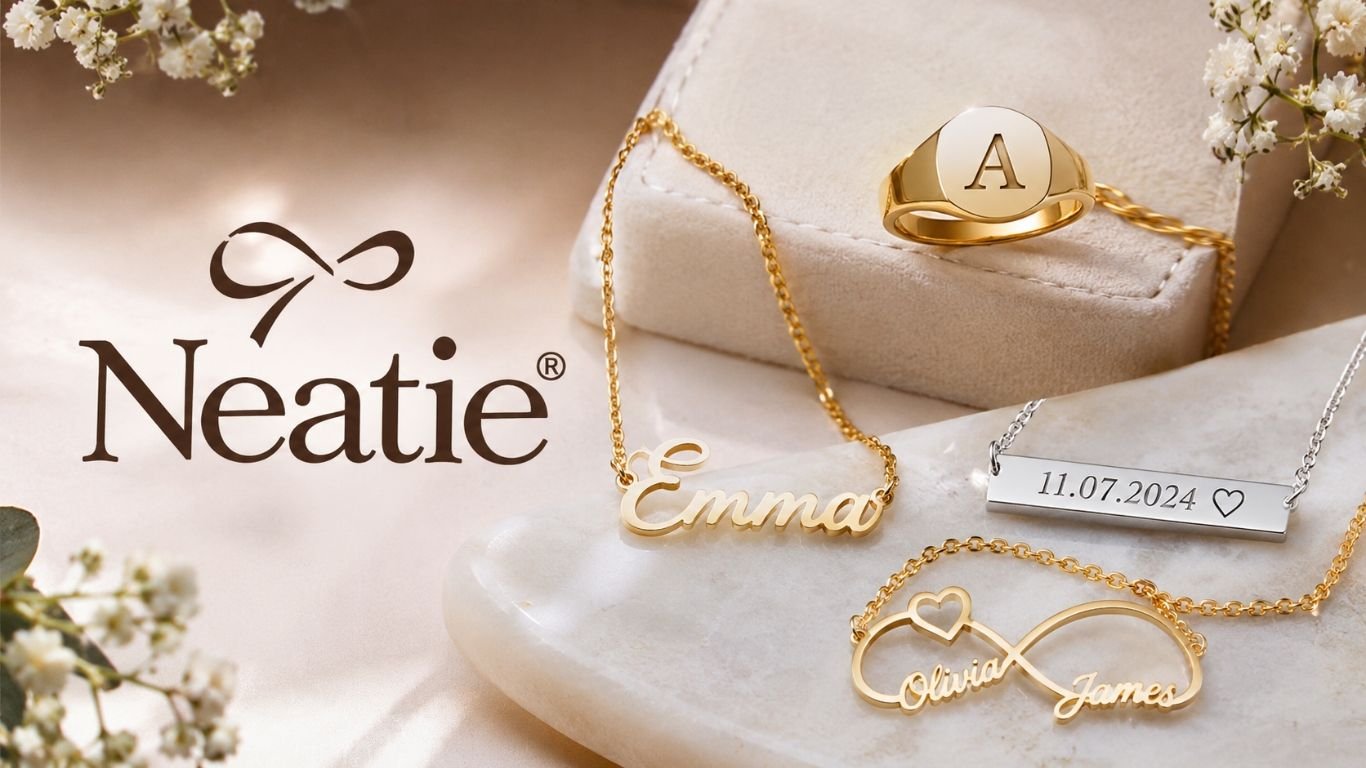
Neatie is an online jewelry brand that sells custom name necklaces, rings, and handmade keepsakes. Its products include jewelry with names, initials, drawings, and other personal details. The store also offers family jewelry, memorial pieces, and gifts for special events.
The brand makes each custom piece after a customer places an order. It also offers free worldwide shipping and online order tracking. This guide covers its jewelry collections, design options, prices, ordering steps, delivery, and shopping tips.
Neatie Jewelry Collections and Products
The store sells many types of personalized jewelry. Name necklaces are among its main products. These necklaces show a person’s name in different letter styles. Some use simple text, while others have curved or decorative letters.
Personalized rings are also available. These include rings with initials, engraved text, and custom designs. The brand offers gold-plated initial signet rings. A signet ring has a flat or raised top that holds a letter or symbol.
Other products include bar necklaces, heart designs, puzzle pieces, and dog tags. The store also offers family and memorial jewelry. Buyers can choose designs based on the person or event they want to remember.
How Neatie Personalized Jewelry Works?
Customers start by choosing a jewelry design from the website. They then add the details needed for that product. These may include a name, initials, a date, or a short message. The choices depend on the item.
Some products allow more detailed designs. The store offers jewelry made from drawings, fingerprints, and handprints. Buyers may need to send an image or other details for these items. They should follow the steps shown on the product page.
The brand also offers design help and custom changes. However, not every product has the same options. Buyers should check the text limit, design choices, and other rules before placing an order.
Popular Neatie Name Necklaces and Rings
Name necklaces are one of the brand’s main products. These pieces turn a name into a necklace design. Some use a classic nameplate style. Others have curved letters or decorative text.
Monogram necklaces are another choice. A monogram uses one or more initials to form a design. The store offers simple styles and swirl designs with curved lines. These necklaces can be made with personal initials.
The ring collection includes initial rings and signet styles. Some have gold-plated finishes. Buyers should check the material, ring size, and design options before ordering. Choosing the right size is important for a good fit.
Unique Neatie Jewelry Designs and Keepsakes
The store offers jewelry made from personal drawings, handprints, and fingerprints. These designs can help people keep special memories. For example, a child’s drawing can be used to create a piece of jewelry.
Family jewelry is another option. Some designs use hearts, infinity symbols, or linked shapes. These may include names or other personal details. Memorial pieces can also feature a message, image, or symbol linked to a loved one.
Other designs include puzzle pieces, dog tags, and geometric shapes. Bar necklaces offer space for short text. Map-inspired designs are also part of the collection. Each style gives buyers a different way to create a personal piece.
Materials, Craftsmanship, and Jewelry Quality
The brand describes its jewelry as handmade and made to order. Workers create each piece using the details sent by the buyer. The work may include shaping, engraving, finishing, or adding stones. The steps depend on the design.
Some products have gold-plated finishes. Gold plating means a thin layer of gold covers another metal. It is different from solid gold. Buyers should read the product details to learn what materials are used.
Jewelry care is also important. Plated pieces should be kept away from harsh cleaning products and long contact with water. A soft cloth can help clean the surface. Buyers should follow the care advice given for their item.
How to Order Custom Jewelry From Neatie?
Customers can visit neatie.com to browse the jewelry collections. They can choose a necklace, ring, or another product. Each product page shows the available design options. Buyers should check the material, size, and other details.
The next step is to enter the custom information. This may include a name, initials, or a short message. Buyers should check the spelling before placing the order. A mistake in the text may appear on the finished jewelry.
After adding the details, customers can review their order. They should check the product, quantity, price, and shipping address. Once payment is complete, they should save the order confirmation for tracking and support.
Neatie Prices, Customization Costs, and Discounts
Jewelry prices depend on the product and design. A simple name necklace may cost less than a piece with stones or detailed custom work. Materials, finishes, and design choices can also affect the price.
The brand advertises free engraving and some custom design services. Promotional information also mentions free stone placement and design changes. However, these offers may not apply to every product. Buyers should check the final price before paying.
The store may also offer discounts and special deals. Customers can check the website for current offers. They should review the full cost at checkout and make sure the item has the right size, material, and design.
Neatie Shipping, Delivery, and Order Tracking
The store advertises free worldwide shipping. It also offers online package tracking. Customers can use tracking details to follow their orders after they are sent.
Custom jewelry needs time to make before shipping. Production time is the time spent making the item. Shipping time is the time needed to deliver it. Buyers should check both when ordering a gift for a certain date.
International orders may face customs checks or delivery delays. Some countries may also charge import taxes. Free shipping does not always cover these costs. Buyers should review the shipping policy before ordering.
Neatie Returns, Refunds, and Customer Support
Return rules can be different for custom jewelry. These products are made using details chosen by one buyer. Customers should read the store’s return and refund policy before placing an order.
If an item arrives damaged or does not match the order, buyers should contact support. Clear photos and order details can help explain the issue. Customers should also keep their order confirmation and any design messages.
The website is the main place to find support details and store policies. Buyers should check how to report a problem and whether any time limits apply. Refunds, repairs, and replacements depend on the store’s terms.
Is Neatie Legit and Safe to Buy From?
Neatie has an online store at neatie.com and a public social media presence. It sells custom jewelry and advertises worldwide delivery. However, a website alone does not prove that every order will meet a buyer’s needs.
Shoppers should read recent customer reviews before buying. Reviews with product photos and clear order details can be helpful. Buyers should look for feedback about jewelry quality, shipping, and customer support. It is best to check more than one review source.
Payment safety is also important. Customers should use a secure checkout page and trusted payment methods. They should avoid unknown payment links. Reading the return policy and saving order records can also help if a problem occurs.
Who Should Buy Neatie Personalized Jewelry?
The store may suit people looking for custom jewelry gifts. Name necklaces and initial rings can be given for birthdays, weddings, and anniversaries. Buyers can choose a design based on the person’s style.
Family jewelry may appeal to parents, grandparents, and other relatives. Some pieces can include family names or linked symbols. Memorial jewelry can also hold a drawing, handprint, or other personal detail.
The store may also suit buyers who want jewelry made to their own design. However, custom pieces take time to make. People who need a gift quickly should check the production and delivery times before ordering.
Bottom Line
Neatie is an online store that sells custom necklaces, rings, and keepsakes. Its products include name jewelry, monograms, family designs, and pieces made from drawings or prints. The brand makes custom jewelry after an order is placed.
Customers can choose from different styles and add personal details. The store also advertises free worldwide shipping and order tracking. Buyers should check the materials, sizes, prices, and delivery terms before paying.
Personalized jewelry can be a useful gift for birthdays, anniversaries, and family events. Reading recent reviews and checking the return policy can help buyers decide if the store meets their needs.
FAQs
What is Neatie known for?
Neatie is known for custom name necklaces, personalized rings, and handmade jewelry with names, initials, and personal designs.
Does Neatie offer custom name necklaces?
Yes, the store offers nameplate necklaces, monogram designs, and necklaces with custom text.
Is Neatie jewelry handmade?
The brand states that its custom jewelry is handmade after customers place their orders.
Does Neatie provide free worldwide shipping?
Yes, the store advertises free worldwide shipping and online order tracking under its current shipping terms.
Can customers return personalized jewelry?
Returns depend on the store’s policy, so buyers should check the rules for custom jewelry before ordering.
Read Also: WhatsOnTech.co.uk: Technology News, Business Tools, and Online Guides

Pool Maintenance: The Hidden Business Costs of Neglecting Your Facility

Prevention Cloud: A Complete Guide to Workplace Wellness and Cloud Security

Neatie: Personalized Jewelry, Custom Necklaces, and Complete Buying Guide
Who Is Gale Burnick? The Story Of George R. R. Martin’s Ex Wife

Who Is Hermann Nicoli? The Full Story Of Candice Swanepoel’s Former Fiancé

Who Is Alicia Dove? The Life Story Of Corey Taylor’s Wife
-
Celebrity4 months ago
Who Is Gale Burnick? The Story Of George R. R. Martin’s Ex Wife
-
 Celebrity4 months ago
Who Is Hermann Nicoli? The Full Story Of Candice Swanepoel’s Former Fiancé
-
 Celebrity4 months ago
Who Is Alicia Dove? The Life Story Of Corey Taylor’s Wife
-

 Celebrity4 months ago
Meet Carole Rogers: Everything to Know About Kenny Rogers’ Daughter
-

 Celebrity4 months ago
Who Is Anna Hillinger? The Full Life Story Of Mike Shinoda’s Wife
-

 Celebrity4 months ago
Who Is Sydney Davis? The Full Story Of Billy Bush’s Ex Wife
-

 Celebrity4 months ago
Who Is Demacio Castellon? Life Story Of Nelly Furtado’s Ex Husband
-

 Blog2 months ago
What Is Sosoactive? A Complete Guide to the Digital Platform